
目录
Once a thriving port city and a beacon of culture, commerce, and spirituality, Ephesus stands today as one of the most fascinating archaeological sites in the world. Located in modern-day Turkey near the Aegean coast, this ancient city offers an unparalleled window into the classical past. From its Greek foundations to its Roman grandeur, the history of Ephesus is a compelling saga of power, religion, and architectural brilliance.
Greek Origins: The Birth of a Sacred City
Ephesus was originally founded around the 10th century BCE by Attic and Ionian Greek colonists, though earlier settlements may have existed in the area. According to legend, the city was named after a queen of the Amazons and was once home to the Artemision—a sanctuary dedicated to the goddess Artemis.
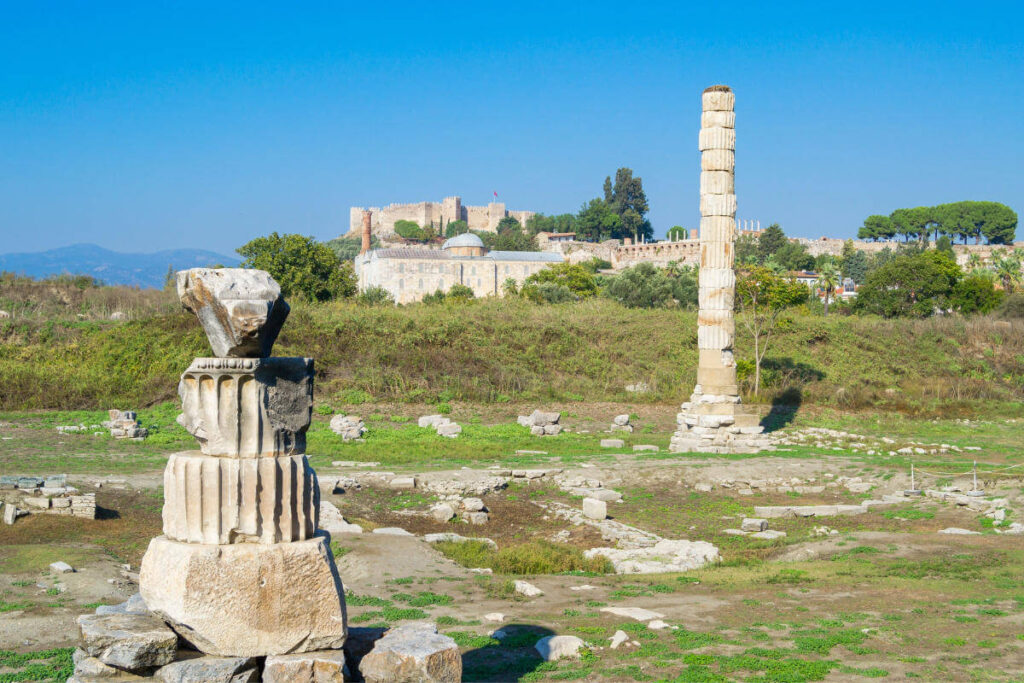
During the Archaic Period, Ephesus became a significant center of worship and pilgrimage, thanks to the Temple of Artemis, which would later be recognized as one of the Seven Wonders of the Ancient World. This massive temple reflected both the city’s wealth and its deep spiritual significance within the Greek world.
Persian Rule and Hellenistic Revival
In the 6th century BCE, Ephesus fell under Persian control, though Greek culture continued to thrive. After Alexander the Great’s conquests in the 4th century BCE, the city experienced a major transformation. It was during this Hellenistic period that Ephesus began to grow into a major urban and commercial hub, blending Greek and Eastern influences in art, architecture, and governance.
One of the city’s most defining moments came under the rule of Lysimachus, one of Alexander’s generals. He relocated the city to a more defensible location and constructed massive walls to protect it. The new city layout set the stage for the Roman expansion that would soon follow.
The Roman Golden Age of Ephesus
Ephesus truly flourished under Roman rule, becoming the capital of the Roman province of Asia Minor. At its peak, the population of the city reached over 250,000, making it one of the largest cities in the Roman Empire.
This era brought a wave of monumental construction:
- The Library of Celsus: Built in the 2nd century CE, it was the third-largest library of the ancient world and a stunning example of Roman architectural elegance.
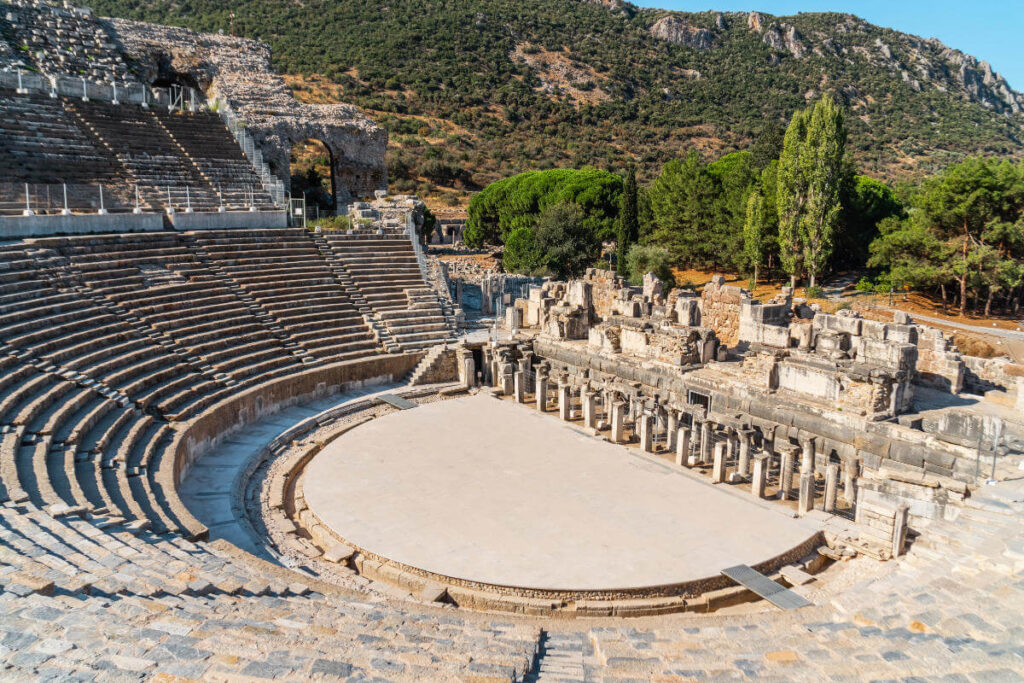
- The Great Theatre: With seating for 25,000 spectators, it hosted both gladiator games and theatrical performances.
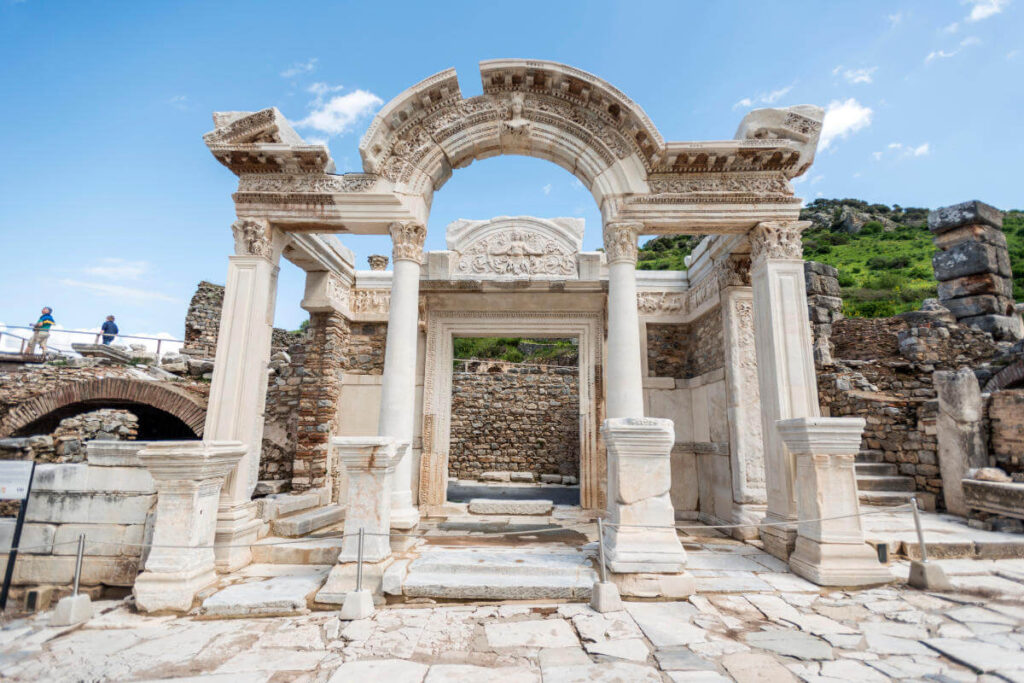
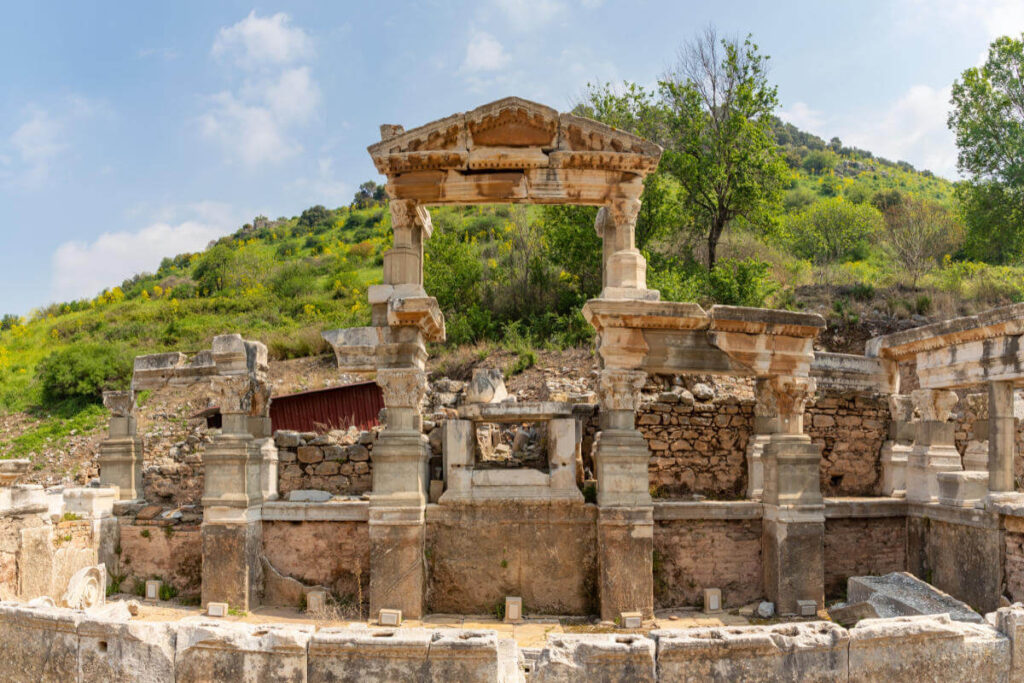
- The Temple of Hadrian: A richly decorated monument honoring the emperor, blending Roman power with Greek artistry.
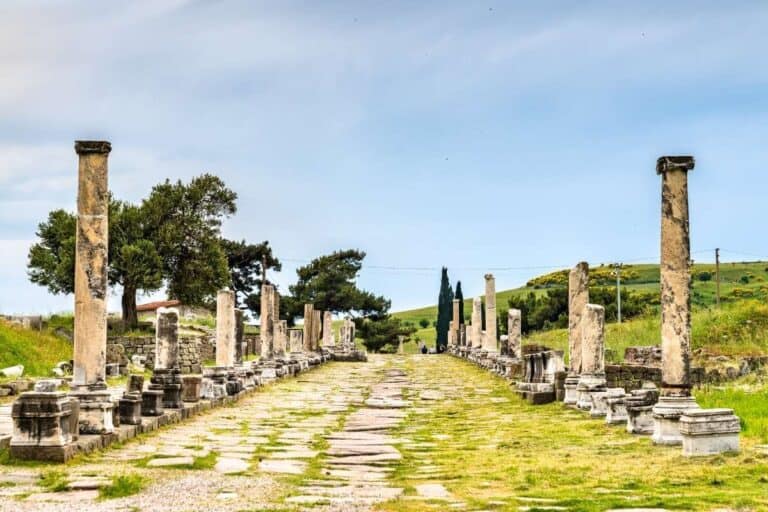
- The Agora 和 Marble Road: Bustling centers of trade and political activity.
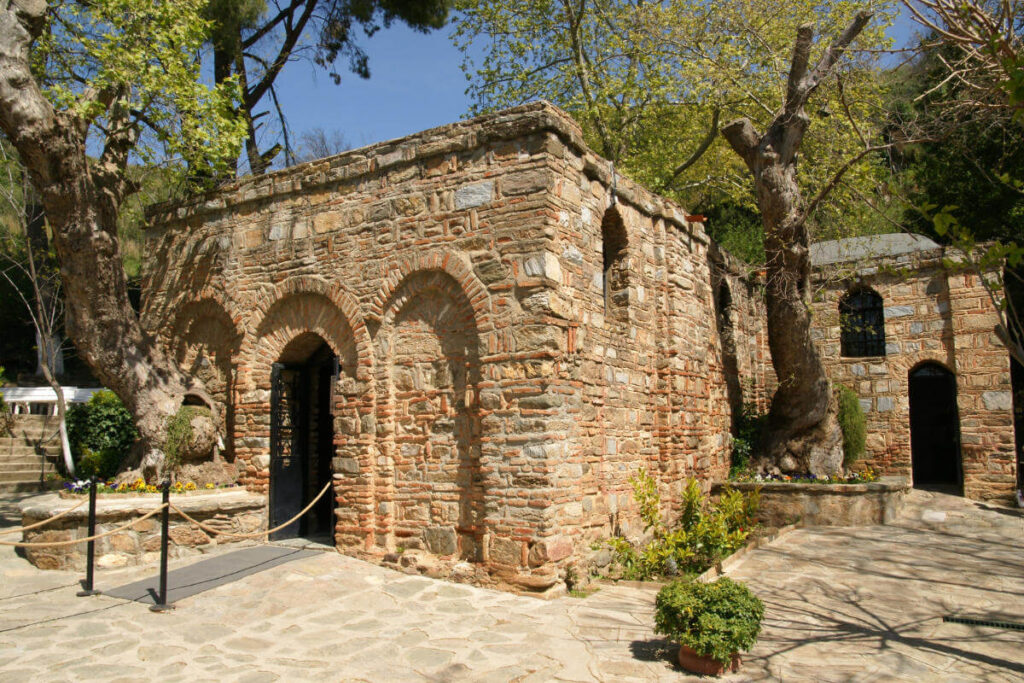
Ephesus was not only a political and commercial powerhouse but also a religious center, where early Christianity took root. The city is mentioned in the Book of Revelation and was visited by the apostles Paul 和 John. The nearby House of the Virgin Mary is believed by some to be the final home of Mary, mother of Jesus.
Decline and Rediscovery
Ephesus began to decline in the 3rd century CE due to repeated invasions, earthquakes, and the gradual silting up of its harbor, which severed its crucial connection to the sea. As trade routes shifted, the city’s importance waned, and it was largely abandoned by the 15th century.
Centuries later, archaeological excavations—primarily led by Austrian teams beginning in the late 19th century—unearthed the buried splendor of Ephesus. Today, it is one of the largest and most well-preserved ancient sites in the world, attracting millions of visitors each year.
The Living Legacy of Ephesus
The history of Ephesus is not just about ruins—it’s a story of cultural continuity. From the Greeks to the Romans and early Christians, each layer of history adds depth to its legacy. Walking through Ephesus today, visitors are transported back in time, marveling at colonnaded streets, majestic temples, and echoes of a civilization that helped shape the ancient world.
冒险者常见问题解答
Q: When was Ephesus founded?
A: Ephesus was originally founded around the 10th century BCE by Greek settlers, though earlier evidence suggests older human habitation.
Q: Why is Ephesus so important historically?
A: Ephesus was a major center for trade, religion, and politics in both the Greek and Roman worlds. It also played a significant role in early Christian history.
Q: What can I see at Ephesus today?
A: Highlights include the Library of Celsus, the Great Theatre, the Temple of Hadrian, and the remnants of the Temple of Artemis.
Q: Is Ephesus mentioned in the Bible?
A: Yes, Ephesus is referenced in the New Testament and was home to one of the Seven Churches of Revelation.
Q: How long does it take to explore Ephesus?
A: Most tours last 2–3 hours, but history enthusiasts may want a half-day or full-day visit to explore in depth.
Walk Through the Ages in Ephesus
The history of Ephesus is a story carved in stone—a tale of empires, religion, and innovation that continues to captivate travelers and scholars alike. From its Hellenic birth to its Roman peak and Christian legacy, Ephesus is a living classroom of civilization, standing as a testament to the endurance of culture across the ages.