
Best Time to Visit Chiang Mai
Your Complete 2026 Month-by-Month Weather & Travel Guide
The best time to visit Chiang Mai is November to February, when temperatures are cool (15–30°C), skies are clear, and the famous Yi Peng lantern festival lights up the sky. Avoid March to April when extreme heat and agricultural burning cause severe air pollution. The monsoon season (June-October) brings afternoon rains but stunning green landscapes.
📅 Month-by-Month Guide to Chiang Mai
☀ Seasons in Chiang Mai
Cool Season
- Yi Peng lantern festival (November)
- Cool mornings and pleasant days
- Clear skies and clean air
- Best trekking conditions
- Flower Festival (February)
- Peak prices and crowds
- Mountain mornings can be cold
- Hotels book out far in advance
Hot & Smoky Season
- Songkran water festival (Chiang Mai is Thailand's best)
- Fewer tourists except during Songkran
- Severe air pollution from agricultural burning
- Extreme heat
- Mountains hidden by smog
- Health risk for sensitive travelers
Green / Wet Season
- Stunning green landscapes
- Waterfalls at peak flow
- Clean air after burning season
- Lowest prices
- Fewer tourists at temples
- Daily afternoon rain
- Mountain trails slippery
- Some outdoor activities limited
- Humidity high
Transition (Early Cool)
- Rain ending, cool arriving
- Yi Peng preparations
- Countryside green and fresh
- Good value before peak prices
- Early October still rainy
- Prices jump for Yi Peng
🎆 Events & Festivals in Chiang Mai
Chiang Mai Flower Festival
Stunning floral floats parade through the streets. Beauty pageants, garden exhibitions, and cultural performances celebrate the cool season blooms.
Songkran Water Festival
Chiang Mai hosts Thailand's most famous Songkran celebrations. The moat becomes one giant water fight arena lasting up to a week.
Asanha Bucha & Khao Phansa
Buddhist Lent begins. Monks retreat to temples for three months of meditation. Candlelit processions at Wat Phra Singh and Wat Chedi Luang.
Yi Peng Lantern Festival
Thousands of paper lanterns released into the night sky. Mae Jo mass release is the most iconic event. Coincides with Loy Krathong.
Winter Festival & Countdown
Local winter fair with food stalls, live music, and craft markets. New Year countdown celebrations at Tha Phae Gate.
🎫 Recommended Chiang Mai Tours
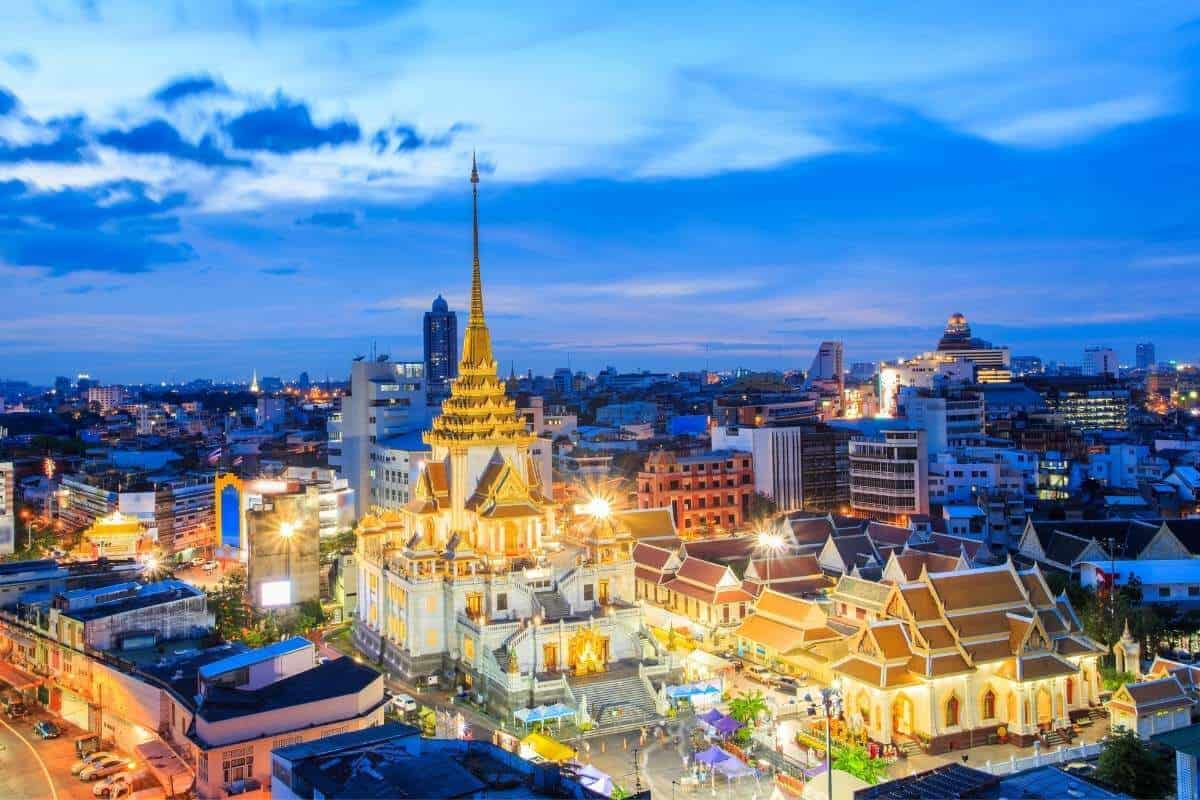
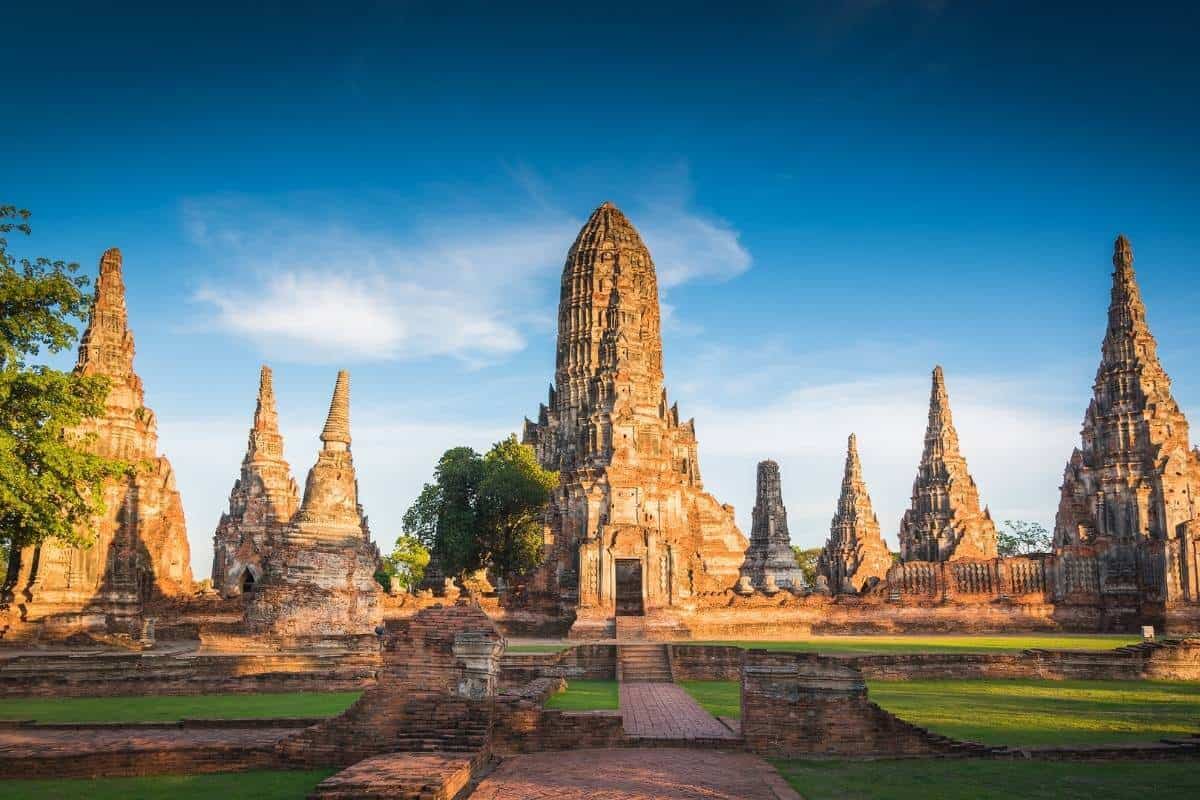
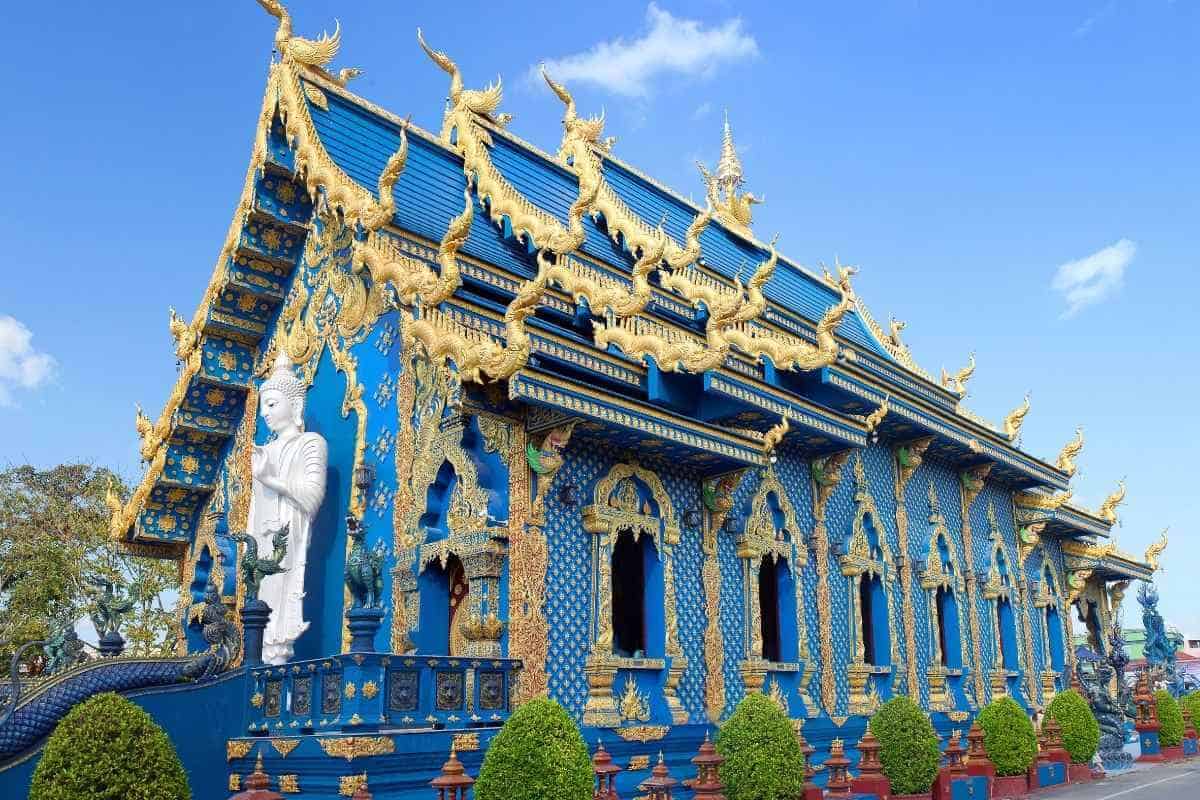
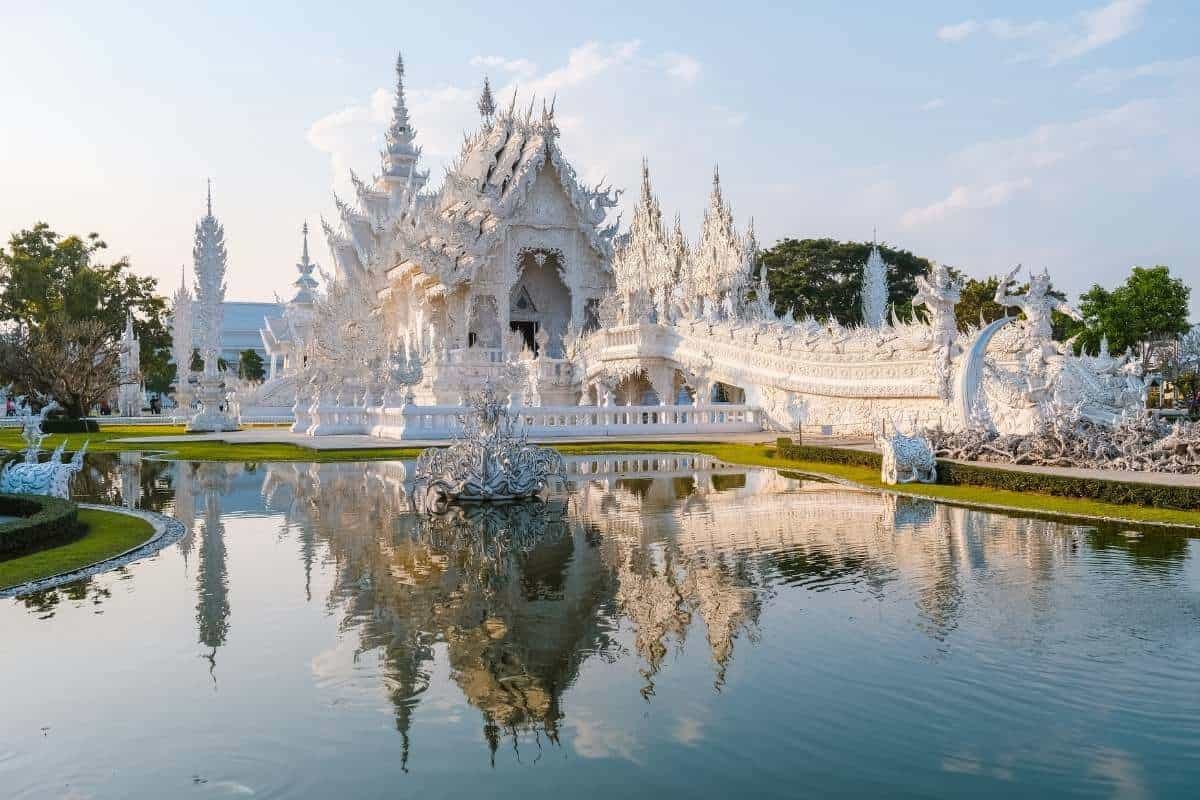
Explore our top-rated Chiang Mai tours with all-inclusive packages.

💡 Travel Tips for Chiang Mai
March-April brings severe air pollution (AQI often 200+) from crop and forest burning. If you have asthma or respiratory issues, avoid Chiang Mai during these months entirely.
Mountain mornings can drop to 10-15°C in December-January. Bring a light jacket or fleece for early morning temple visits and Doi Suthep trips.
Yi Peng lantern festival (November) sells out months in advance. The Mae Jo University mass release event requires tickets bought 2-3 months ahead. Hotels double in price.
Chiang Mai is Thailand's cooking class capital. Classes run year-round and are perfect rainy day activities during wet season. Book at least one — it is a highlight for most visitors.
A scooter lets you explore Doi Suthep Temple, mountain viewpoints, and hidden cafes at your own pace. Cool season mornings are perfect for riding. Wear a helmet — it is the law.
❓ Frequently Asked Questions
November to February is the best time to visit Chiang Mai. The Yi Peng lantern festival in November is a once-in-a-lifetime experience, and December-January offer the coolest, clearest weather — perfect for mountain trekking and temple visits.
March and April see very poor air quality due to agricultural and forest burning across northern Thailand. AQI regularly exceeds 200, visibility drops, and mountains disappear behind haze. People with respiratory conditions should avoid these months. May rains clear the air quickly.
Yes, especially June-October for budget travelers. Rain usually falls in afternoon bursts, mornings are often sunny, and the countryside is stunning. Temples are uncrowded, cooking classes run daily, and prices are 40-50% lower than peak season.
Three to four days covers the essential Chiang Mai experience: Day 1 for old city temples, Day 2 for Doi Suthep and mountain viewpoints, Day 3 for a cooking class and night market, Day 4 for elephant sanctuary or jungle trekking.
By Thai standards, yes. December-January mornings can drop to 10-15°C in the mountains and 15-18°C in the city. Bring a light jacket. Daytime highs still reach 28-30°C, so layers are the best approach.
Yi Peng takes place in November, timed with the full moon of the 12th Thai lunar month. The exact date changes each year. The mass sky lantern release at Mae Jo is the most famous event. Check dates well in advance and book early — it is extremely popular.
Ready to Plan Your Chiang Mai Trip?
Let One Nation Travel handle your entire Chiang Mai journey. All transfers, hotels, and guides included in one package.
