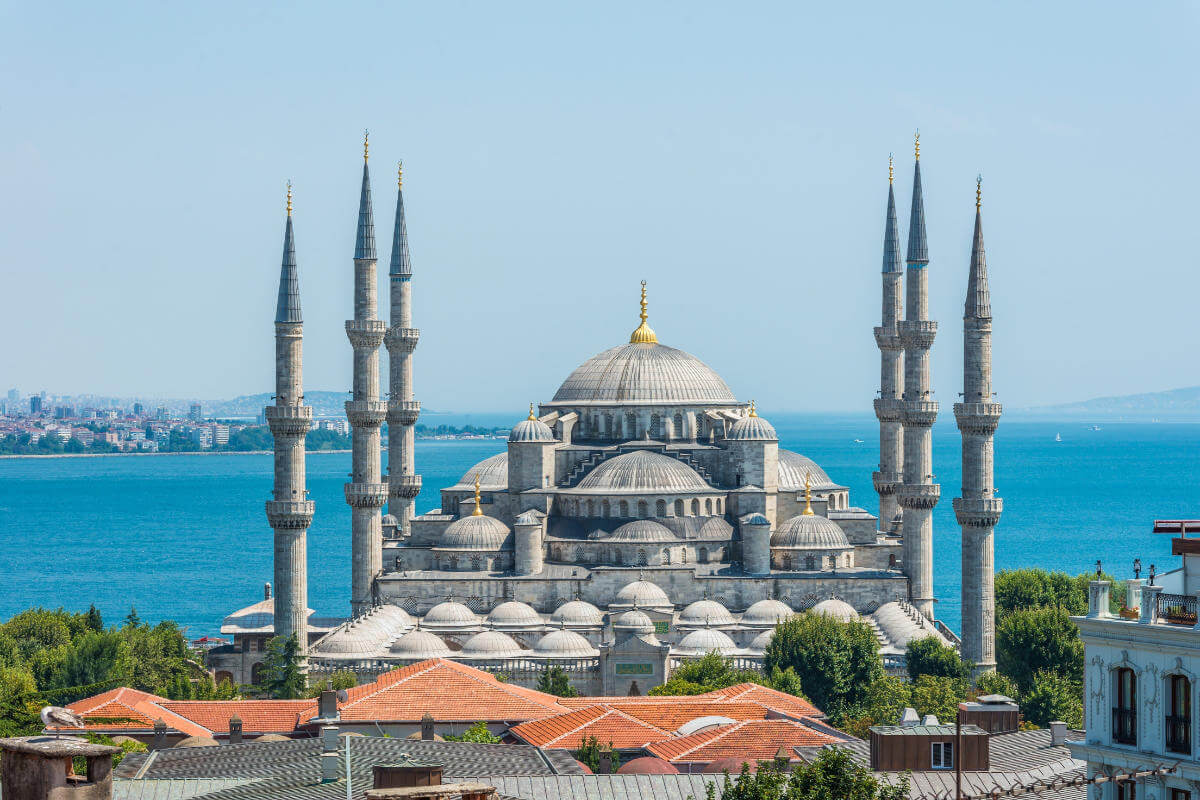
Use the city and regional collections below to choose the places you want to visit. Then check the departure point, overnight bases and travel days in each itinerary. One Nation Travel plans, books and coordinates the trip; local guides, drivers and selected providers deliver the listed services.
Istanbul
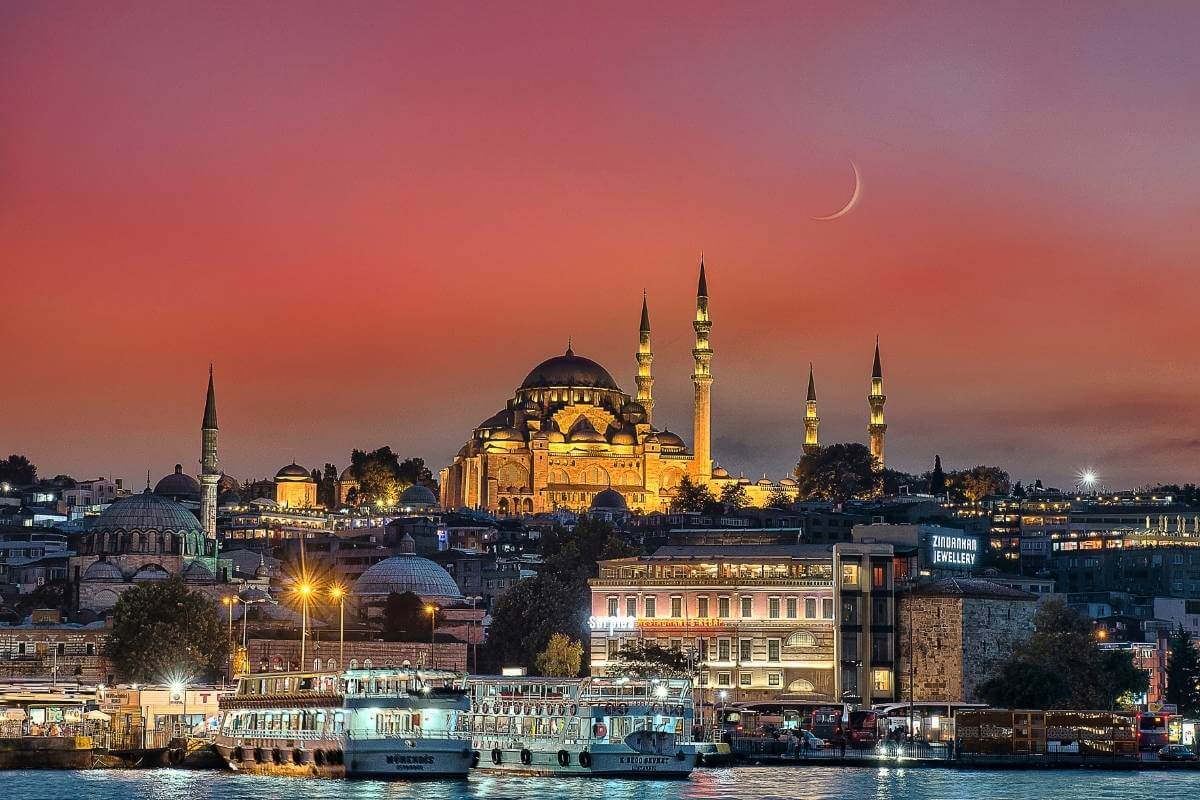
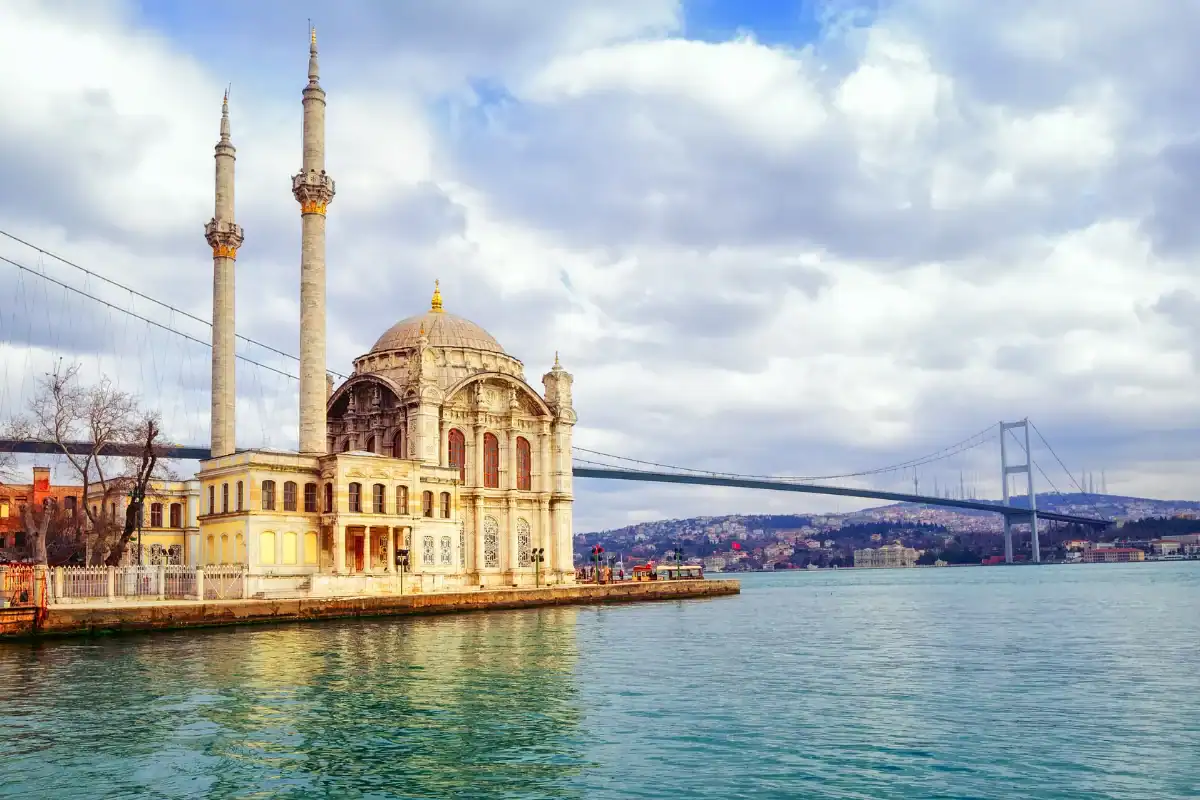
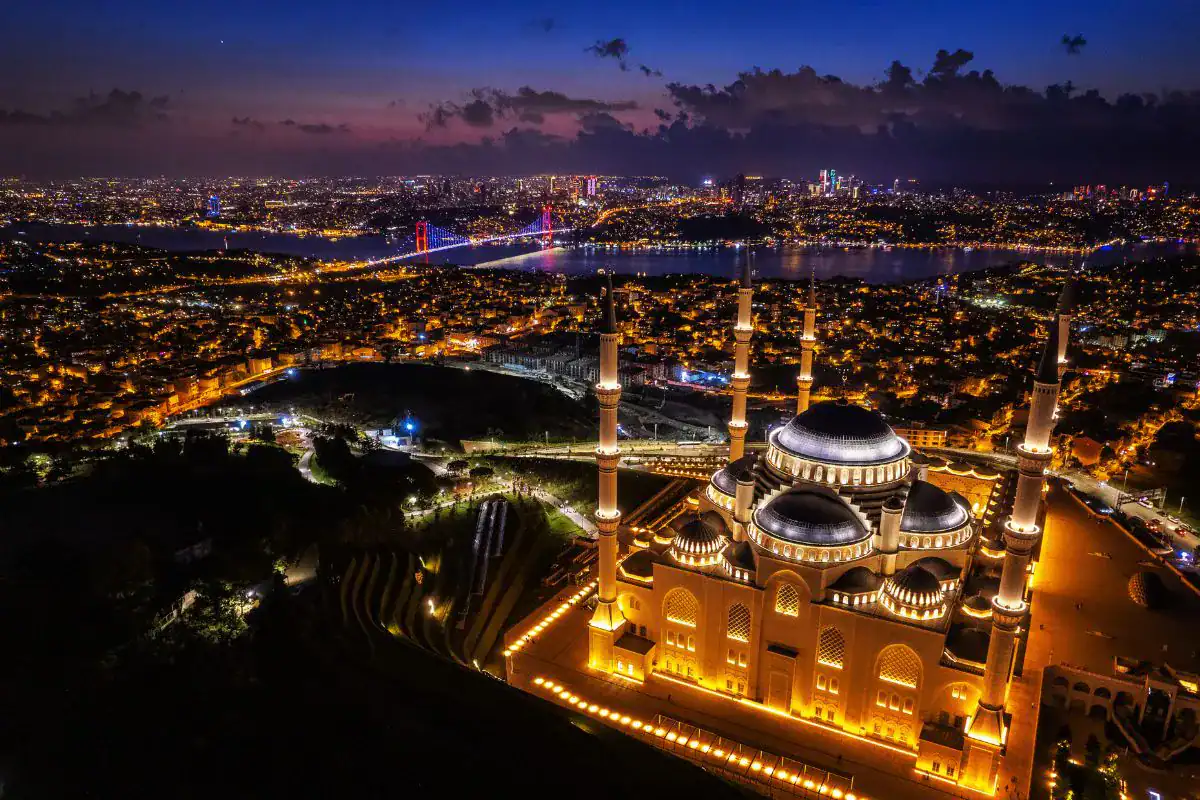
Choose Istanbul for Ottoman and Byzantine landmarks, markets and the Bosphorus. Istanbul day tours focus on sightseeing within the city; day trips from Istanbul can take you elsewhere. A package departing from Istanbul does not automatically include Istanbul sightseeing or hotel nights. Check those separately before deciding how many nights to stay. Browse Istanbul tours.
Cappadocia
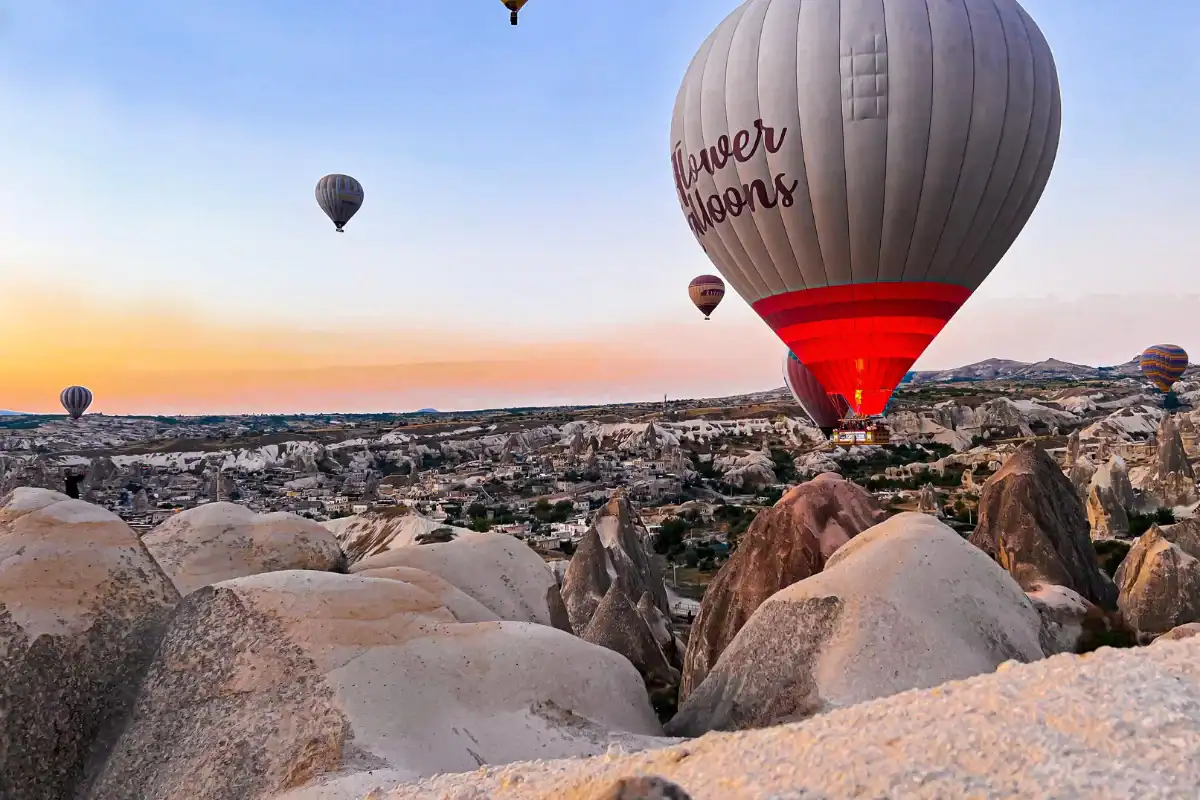
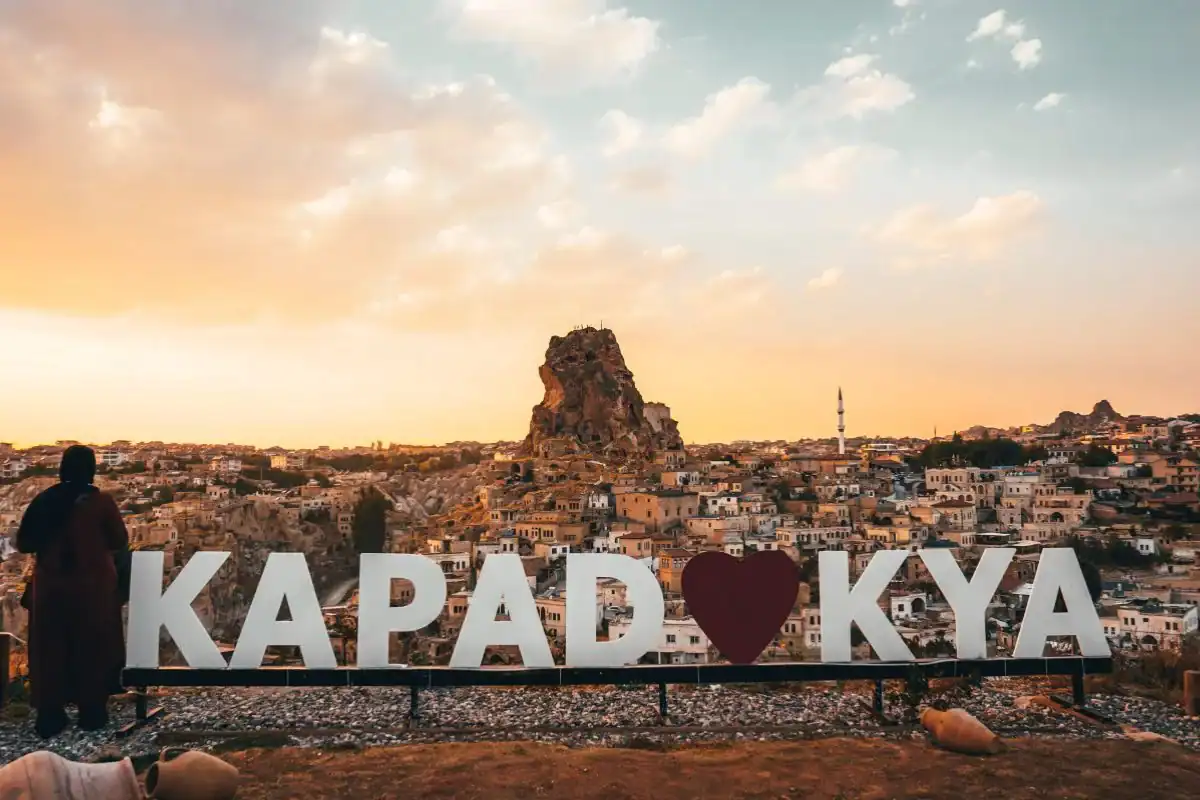
Choose Cappadocia for its valleys, rock-cut settlements and underground cities. Compare Red, Green and Blue local tours by their actual stops, then decide whether to arrange your own arrival or book a flight-inclusive package from Istanbul. The 2-day package from Istanbul includes one hotel night. A longer stay gives more scheduling room, but balloon flights remain optional unless expressly included and depend on operating conditions. Browse Cappadocia tours.
Ephesus
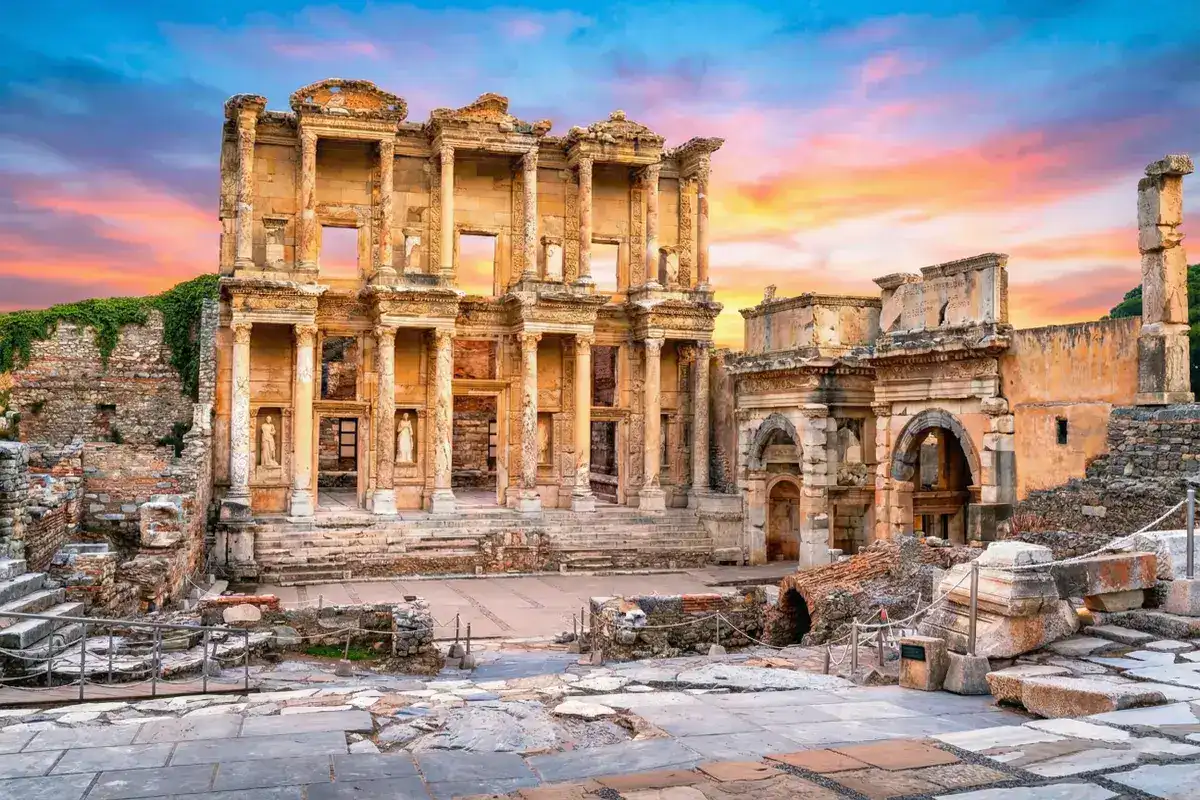
Choose Ephesus for ancient streets, the Library of Celsus and the Great Theatre. The archaeological site is near Selçuk; Kusadasi is an overnight base used by several packages, while Izmir can be an arrival or pickup point. Compare the listed stops and entrance fees: the Terrace Houses and other nearby sites are not automatically included in every Ephesus tour. Browse tours from Izmir if you are starting on the Aegean coast. Browse Ephesus tours.
Pamukkale
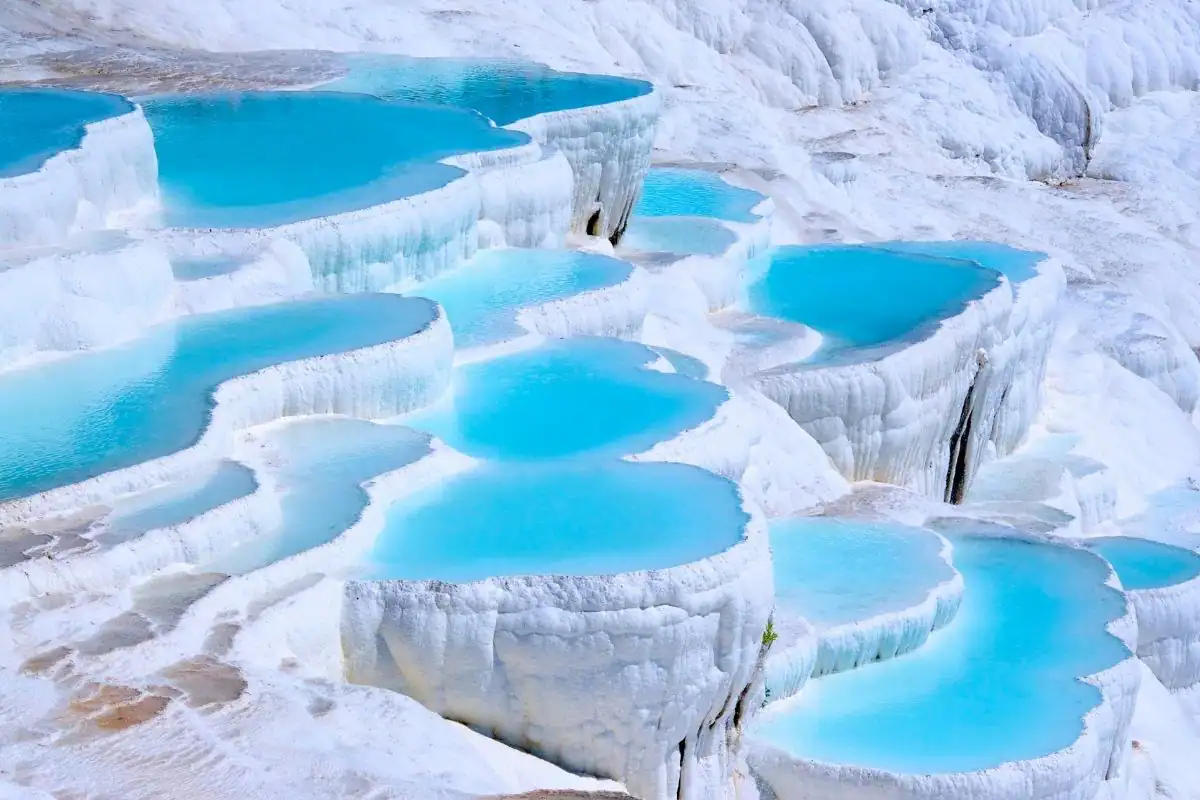
Choose Pamukkale for the white travertine landscape and Hierapolis. A tour that visits Pamukkale may sleep in Pamukkale, Kusadasi or another city. The two-day Pamukkale and Ephesus route stays in Kusadasi, while dedicated Pamukkale overnight packages stay near the site. Check the walking route, transfer time and Antique Pool entry; swimming is an optional extra on many shared programs. Browse Pamukkale tours.
Antalya
Choose Antalya for Mediterranean scenery, Kaleiçi and excursions to nearby sites such as Perge or Aspendos where listed. A sightseeing tour or an Antalya hotel night does not automatically provide a free beach day. The seven-day route from Izmir connects the Aegean, Antalya and Cappadocia using road travel and flights. Read each travel day before choosing an onward connection. Browse Antalya tours.
Gallipoli and Troy
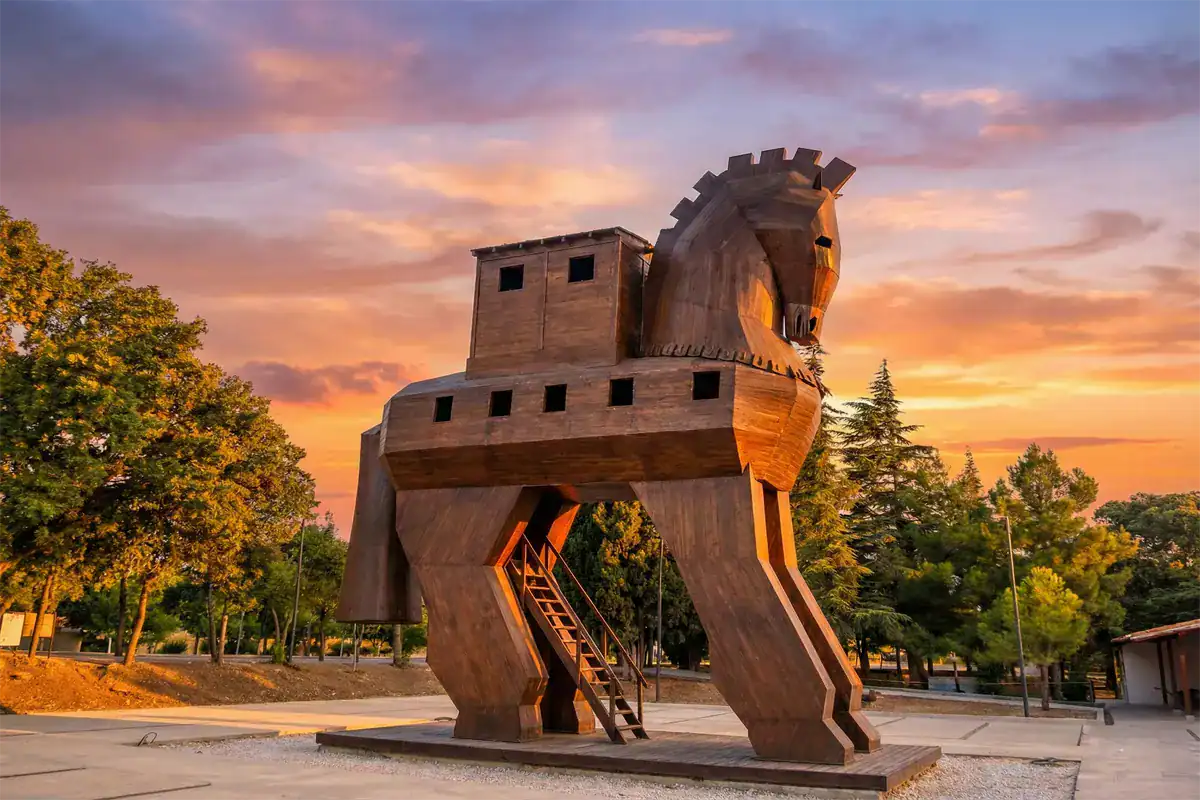
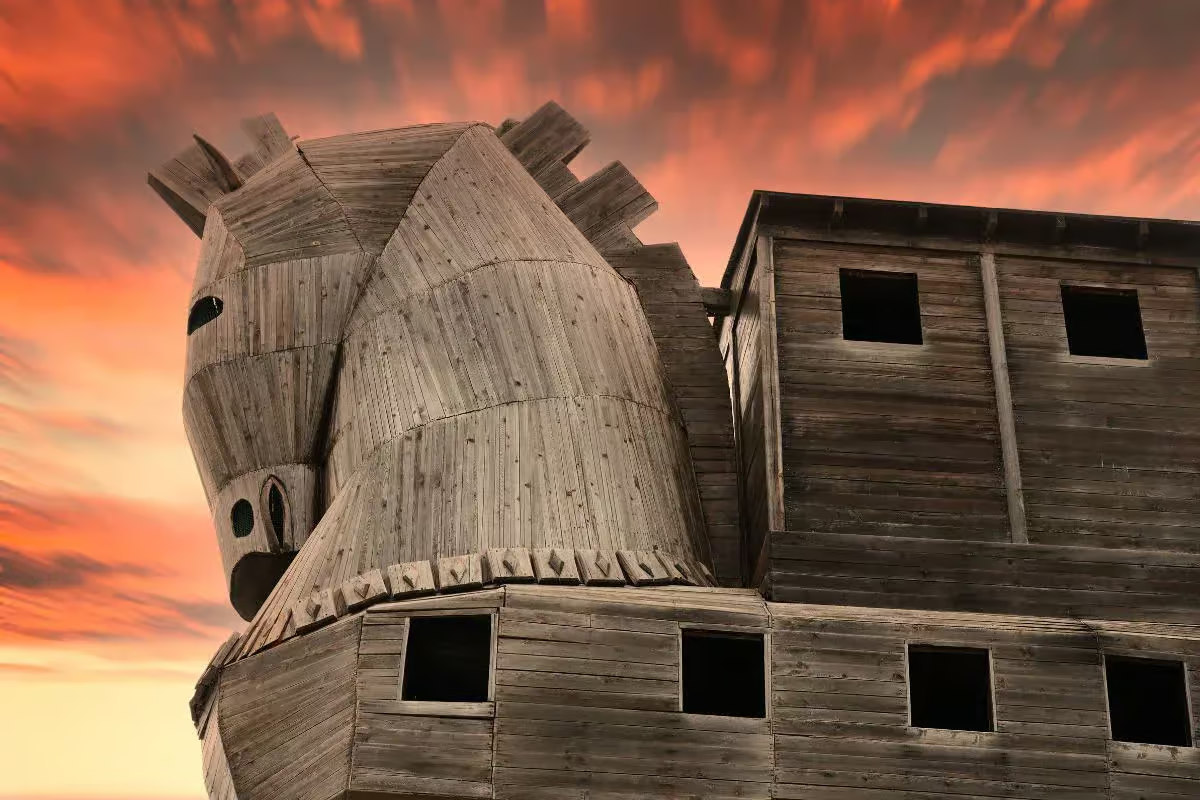
Gallipoli and Troy offer different visits: Gallipoli focuses on the battlefields and memorials of the First World War; Troy is an archaeological site. Check that both are named if you want to see both. Compare Gallipoli tours with Troy tours and check where you sleep around Çanakkale. Some longer routes continue south to Pergamon and the Aegean instead of returning directly to Istanbul. Browse Gallipoli and Troy tours.
Konya
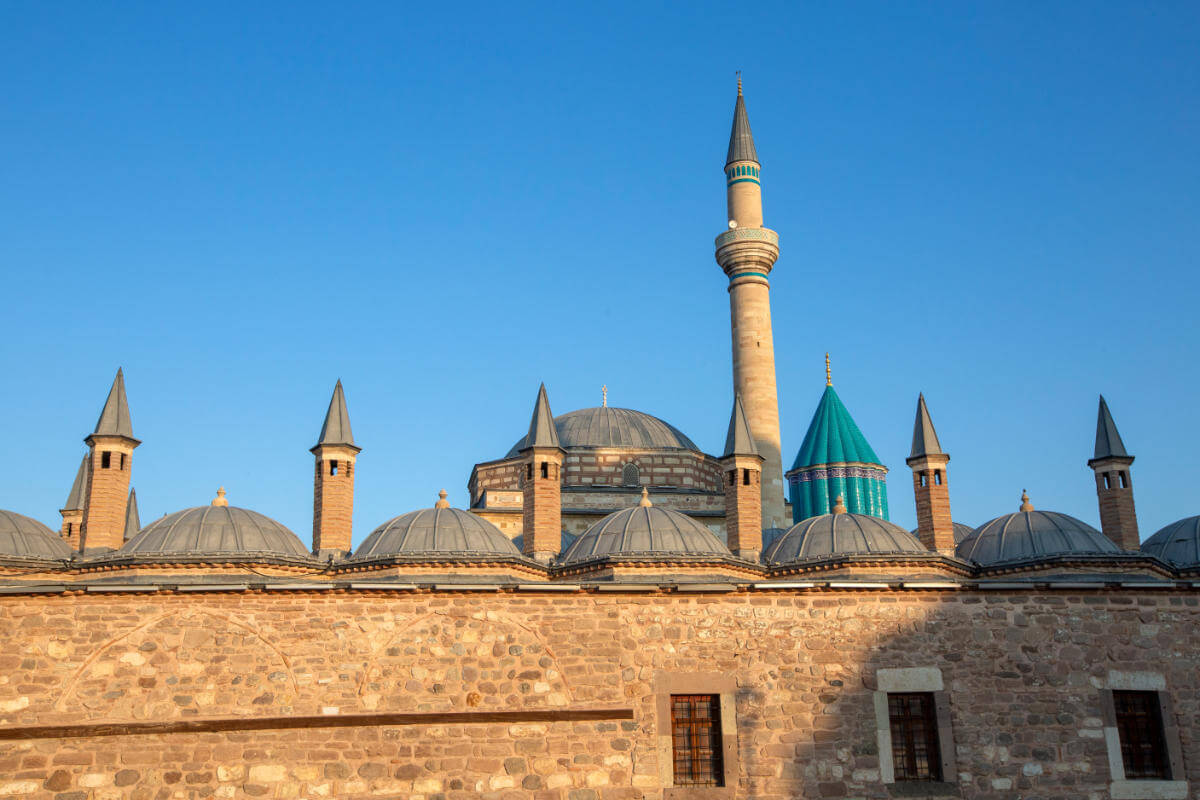
Choose Konya if the Mevlana heritage and the city’s cultural history matter to your trip. Some itineraries include it as a visit between other destinations; others give it a different role. Check the named sights and road connections rather than assuming that a Konya stop includes an overnight stay or a whirling dervish ceremony. Browse Konya tours.
Ankara
Choose Ankara for the capital’s museums and Anıtkabir. The five-day Istanbul and Ankara tour includes an Ankara hotel night and a sightseeing day, with domestic flights between the two cities. Other itineraries may use Ankara differently. Check whether it is an arrival point, a sightseeing stop or an overnight base. Browse Ankara tours.
Bursa
Choose Bursa for an excursion focused on Ottoman heritage or the surrounding region, according to the selected itinerary. Compare the actual stops rather than the city name alone. Mountain visits, cable cars, meals and shopping stops vary between programs; weather-dependent activities and extra tickets should be checked before booking. Browse Bursa tours.
Pergamon
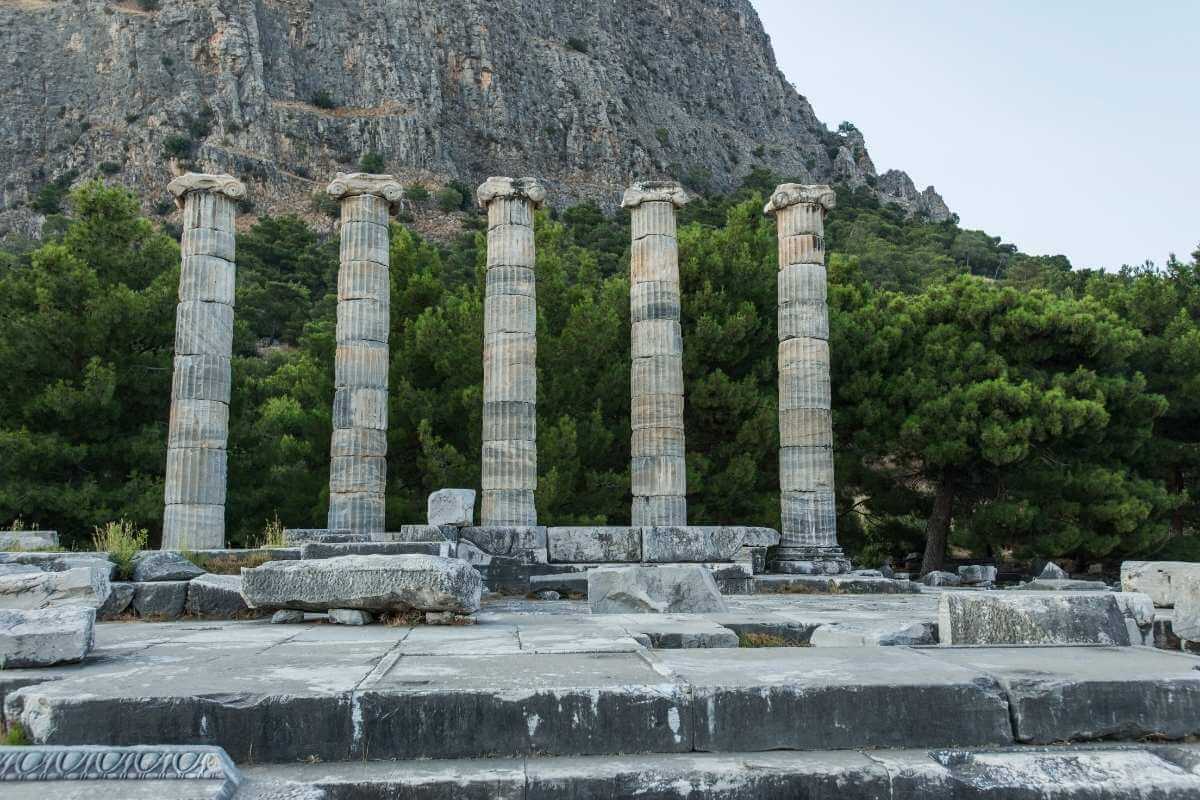
Choose Pergamon for archaeology around modern Bergama. It can form part of a route linking Troy and Ephesus, as in the four-day western Turkey itinerary. That route spends one night in Canakkale and two in Kusadasi. Check whether the Acropolis, Asclepion or other sites are included; a Pergamon label does not promise every attraction. Browse Pergamon tours.
Göbekli Tepe & Şanlıurfa
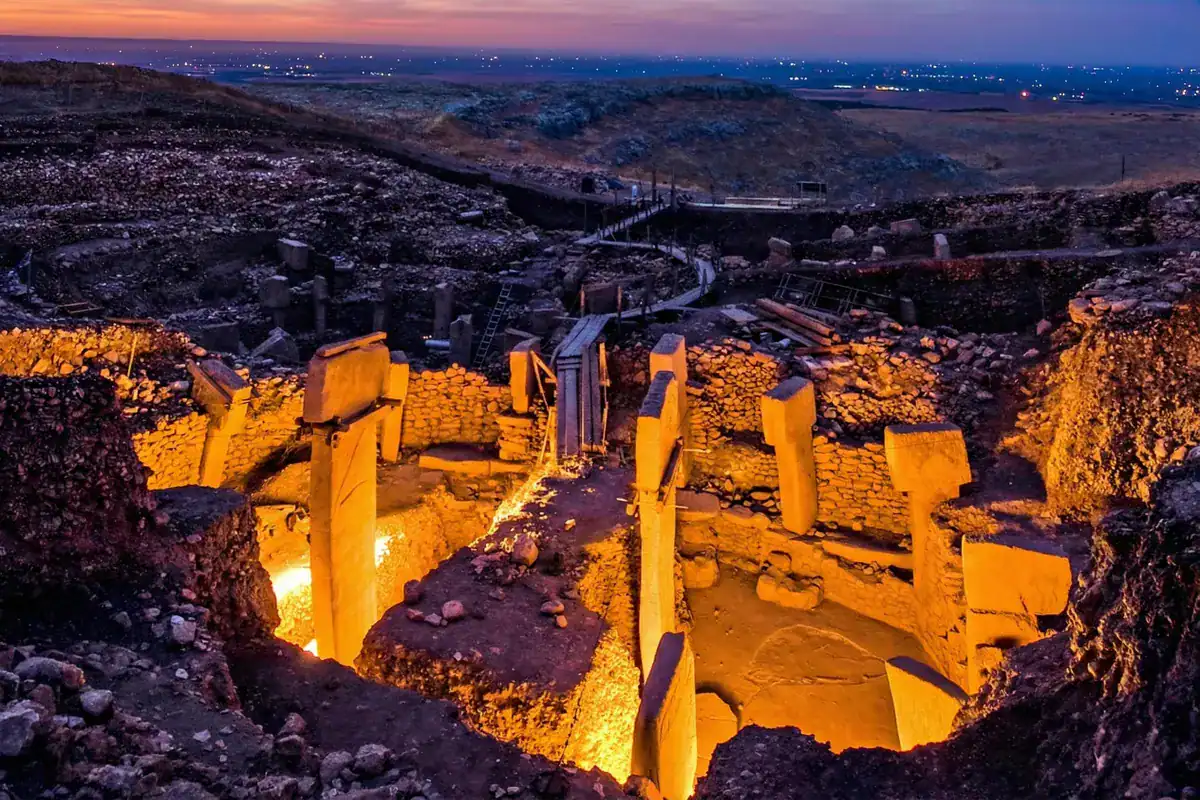
Choose Göbekli Tepe for prehistoric archaeology and its carved T-shaped pillars, then explore the museums and old city of nearby Şanlıurfa. The four-day route from Istanbul combines these visits with Mount Nemrut and Cappadocia, including one night in Şanlıurfa. Allow for the onward road journey to Cappadocia when comparing routes. View the Göbekli Tepe, Nemrut and Cappadocia itinerary.
Mount Nemrut
Choose Mount Nemrut for the monumental stone heads and mountain scenery of the ancient Commagene kingdom. The four-day itinerary starts with a flight from Istanbul to Adiyaman, visits the mountain and continues to Şanlıurfa for the night. Bring a warm layer for the summit; sunset viewing depends on weather and seasonal conditions. View the Mount Nemrut, Göbekli Tepe and Cappadocia itinerary.
Turn Your Destination Choices into a Complete Itinerary
Once you have chosen your destinations, compare complete Turkey tours by route and duration. Keep the arrival day, guided sightseeing days and hotel nights separate when comparing packages. For an existing Istanbul stay, you can also choose a local day tour or a short trip to another region. If your preferred places do not fit a published itinerary, send us your dates and route preferences for a written proposal.