
What to Wear in Turkey
Complete 2026 guide to clothing, dress codes, and packing essentials for your Turkey trip.
Turkey is modern and liberal in tourist areas such as Istanbul, the Aegean coast and the Mediterranean resorts. Casual Western clothing is perfectly fine for daily sightseeing. The only strict rule is modest dress inside mosques — women must cover their head, shoulders and knees, and men should wear long trousers.
What to Pack by Season
Spring
March – May
10–25°C / 50–77°F- Light layers: long-sleeve shirts, light jackets
- Mix of trousers and lighter cotton pants
- Comfortable walking shoes with good grip
- Light rain jacket or compact umbrella
- Medium-weight sweater or fleece for evenings
Summer
June – August
25–40°C / 77–104°F- Lightweight breathable fabrics: cotton or linen
- Shorts and t-shirts for coastal areas
- Light long pants for mosque visits and inland cities
- Swimwear for beaches and hotel pools
- Wide-brimmed sun hat and quality sunglasses
Autumn
September – November
10–28°C / 50–82°F- Layering pieces: t-shirt + cardigan + light jacket
- Long pants and a couple of lighter options
- Closed-toe walking shoes
- Light scarf (doubles as mosque cover)
- Packable rain jacket for late autumn showers
Winter
December – February
0–12°C / 32–54°F- Warm winter coat or insulated jacket
- Thermal base layers for Cappadocia and eastern Turkey
- Warm sweaters and long-sleeve shirts
- Waterproof boots with good traction
- Gloves, warm hat and scarf
Packing Essentials Checklist
Clothing
- ✓ Lightweight t-shirts and tops (3-4) Essential
- ✓ Long pants or trousers (2) Essential
- ✓ Light cardigan or sweater Essential
- ✓ Modest top for mosque visits (covers shoulders) Essential
- ○ Shorts or skirts for coastal areas Optional
- ○ Swimwear Optional
- ✓ Light rain jacket Essential
- ○ Sleepwear Optional
Shoes
- ✓ Comfortable walking shoes (broken in) Essential
- ○ Sandals or flip-flops for beach and hotel Optional
- ○ Dressier shoes for evening restaurants Optional
Accessories
- ✓ Lightweight scarf for mosque visits Essential
- ✓ Sunglasses with UV protection Essential
- ✓ Sun hat or cap Essential
- ✓ Daypack or small backpack Essential
- ○ Money belt or anti-theft bag Optional
- ○ Reusable shopping bag Optional
Toiletries & Protection
- ✓ Sunscreen SPF 30+ Essential
- ○ Lip balm with SPF Optional
- ○ Insect repellent (summer) Optional
- ✓ Reusable water bottle Essential
- ✓ Hand sanitiser Essential
- ○ Basic first-aid kit Optional
Electronics & Documents
- ✓ Power adapter — Type F (Schuko, round 2-pin) Essential
- ✓ Portable power bank Essential
- ✓ Passport + printed copies Essential
- ✓ Travel insurance documents Essential
- ○ Phone with offline maps downloaded Optional
What to Wear by Activity
Mosque Visits
Women
Cover your head with a scarf, wear long sleeves covering shoulders, and long skirt or trousers covering knees. No sleeveless or low-cut tops.
Men
Long trousers that cover the knees. No sleeveless shirts, tank tops or shorts.
Beach & Pool
Women
Normal swimwear (bikini or one-piece) is perfectly fine at tourist beaches and resort pools along the Aegean and Mediterranean coasts.
Men
Standard swim trunks or board shorts are fine at all tourist beaches.
Restaurants & Nightlife
Women
Smart casual for most restaurants. Upscale rooftop venues in Istanbul may expect dressier outfits — a nice blouse and trousers or a summer dress works well.
Men
Smart casual — collared shirt and chinos for nicer restaurants. No flip-flops or beachwear at upscale venues.
City Sightseeing
Women
Casual clothing is fine everywhere in Istanbul, Antalya and Izmir. Cover shoulders and knees in conservative neighbourhoods. Comfortable shoes are essential — Istanbul has steep cobblestone streets.
Men
Casual Western clothing. Shorts are accepted in tourist areas but long pants are more respectful in traditional neighbourhoods.
Hiking (Cappadocia Valleys)
Women
Sturdy closed-toe hiking shoes, breathable long pants or hiking shorts, moisture-wicking top, light jacket. Sun protection is essential — valleys offer little shade.
Men
Sturdy hiking shoes, breathable trousers or shorts, moisture-wicking shirt, sun hat. Carry at least 1.5 litres of water per person.
Hot Air Balloon Ride
Women
Dress in warm layers — flights launch around sunrise when temperatures can be 5-10°C even in summer. Flat, closed-toe shoes for getting in and out of the basket.
Men
Warm layers, closed-toe shoes, hat and gloves in winter. Avoid loose scarves that could catch wind.
Pro Tips
Layer Up
Turkish weather varies hugely between the coast and inland. Istanbul can be 30°C while Cappadocia is 18°C the same day. Layers let you adapt quickly.
Scarf Is Essential
A lightweight scarf is the most versatile item in Turkey. Use it for mosque visits, sun protection, a beach cover-up, or a chilly evening wrap.
Invest in Good Shoes
Istanbul has steep cobblestone streets, Ephesus has marble ruins, and Cappadocia has rocky trails. Comfortable, broken-in walking shoes are your best travel companion.
Pack Light — Shop Local
Turkey has excellent textile shopping. The Grand Bazaar, local markets and coastal towns sell quality cotton and linen clothing at good prices. Pack light and buy on arrival if needed.
Check Regional Weather
Turkey spans 1,600 km east to west. Coastal Antalya may be 35°C while eastern Kars is 15°C. Always check the weather for each city on your itinerary, not just "Turkey" in general.
Slip-on Shoes Save Time
You remove shoes at every mosque, many carpet shops, and traditional restaurants with floor seating. Slip-on shoes make this constant on-off much easier than lace-ups.
Respect During Ramadan
During Ramadan, dress slightly more conservatively in all areas out of respect. Avoid very short shorts and revealing tops in non-resort areas, especially in smaller towns.
Recommended Turkey Tours
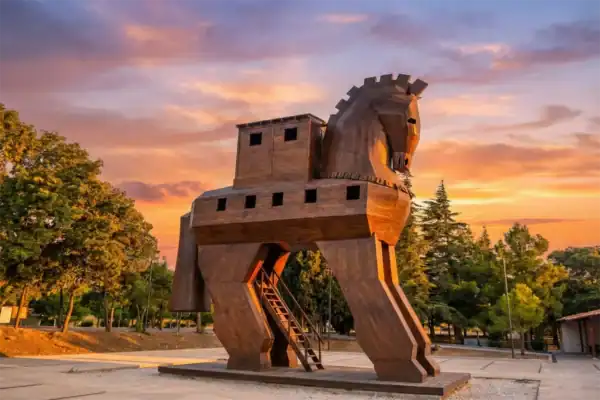
5-Day Cappadocia, Pamukkale, Ephesus, Troy & Gallipoli Tour
$959 /person
View Details →
5-Day Istanbul & Cappadocia Tour with Domestic Flights
$1,090 /person
View Details →
7-Day Classical Turkey Tour: Istanbul, Pamukkale, Ephesus, Pergamon, Troy & Gallipoli
$1,350 /person
View Details →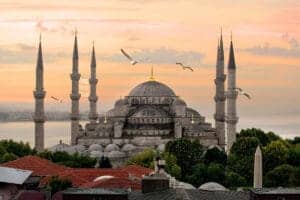
7-Day Istanbul, Pamukkale, Ephesus & Cappadocia Tour with Flights
$1,418 /person
View Details →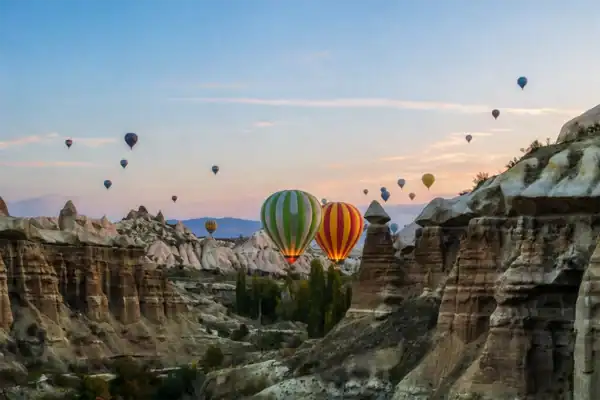
8-Day Seven wonders of Turkey Tour: Istanbul, Cappadocia, Ephesus, Pamukkale
$1,640 /person
View Details →
9-Day Istanbul, Pamukkale, Ephesus & Cappadocia Tour with Flights
$1,620 /person
View Details →Frequently Asked Questions
Ready to Explore Turkey?
Now that you know what to pack, browse our hand-curated Turkey tours and start planning your trip.