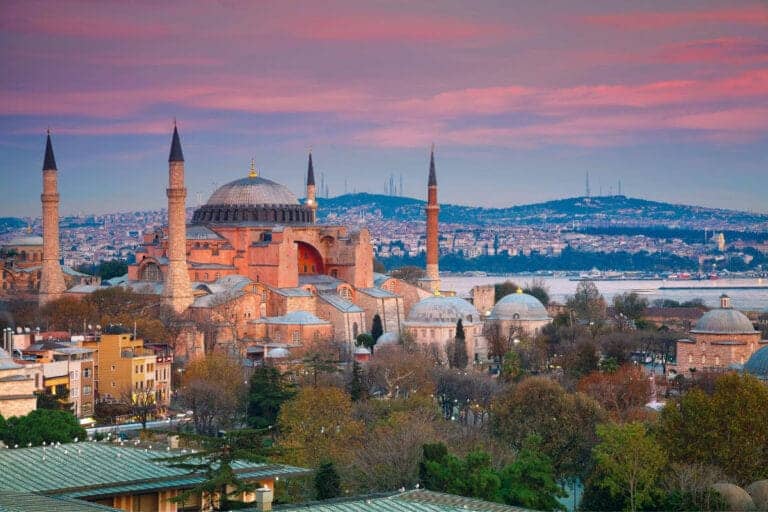

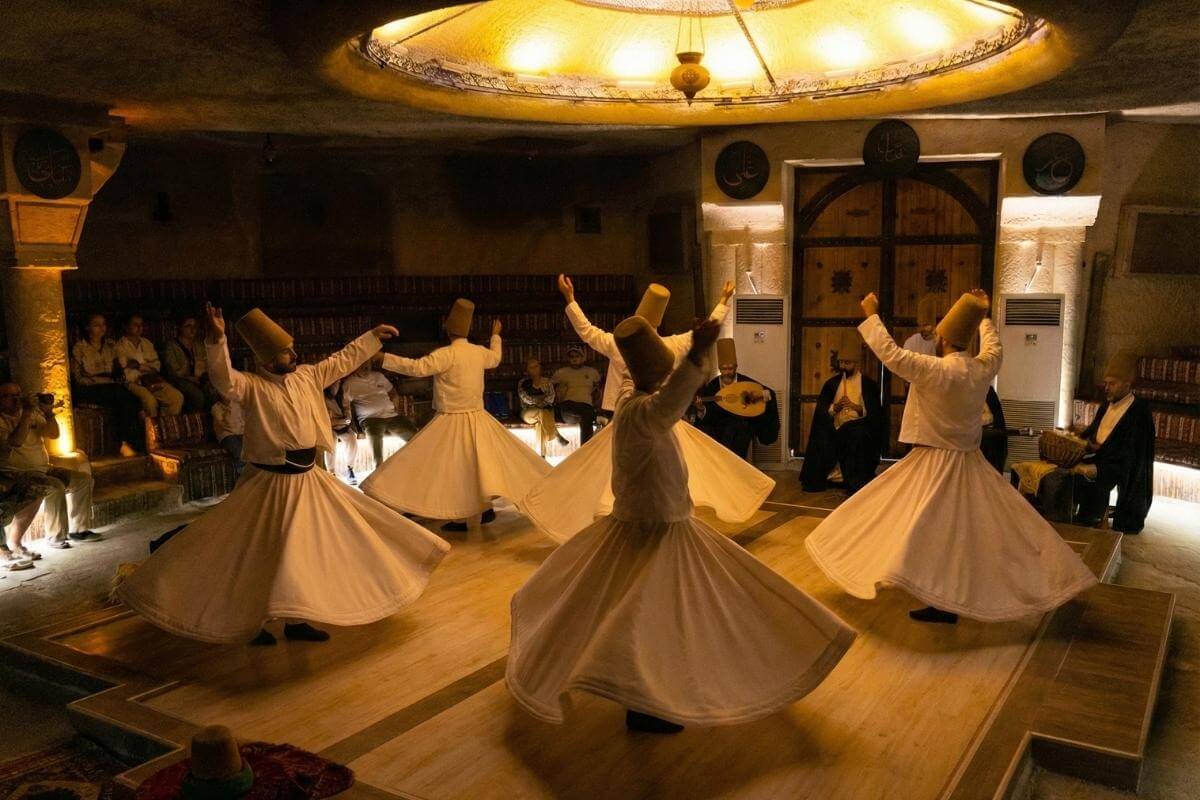
Turkish culture is a vibrant blend of Central Asian, Middle Eastern, and European influences shaped by thousands of years of history—from the Hittites and Byzantines to the Ottoman Empire and the modern Turkish Republic. It is defined by deep hospitality traditions, a world-renowned cuisine, strong family bonds, and a rich artistic heritage that visitors experience firsthand in every region of the country. Whether you’re sipping tea in a centuries-old bazaar or watching a whirling dervish ceremony in Konya, Turkey offers one of the most immersive cultural experiences on Earth.
For American travelers, understanding Turkish customs before arrival transforms a good trip into an extraordinary one. Knowing how to greet locals, what to expect at a Turkish meal, and how to behave in a mosque aren’t just polite gestures—they open doors to genuine connections that most tourists miss entirely. This guide breaks down the essential elements of Turkish culture: the traditions, food, customs, and social norms that define daily life across this transcontinental nation.
From the cosmopolitan energy of Istanbul to the ancient landscapes of Cappadocia, Turkish culture isn’t something you simply observe—it’s something you participate in. Here’s everything you need to know.
What Are the Core Values of Turkish Culture?
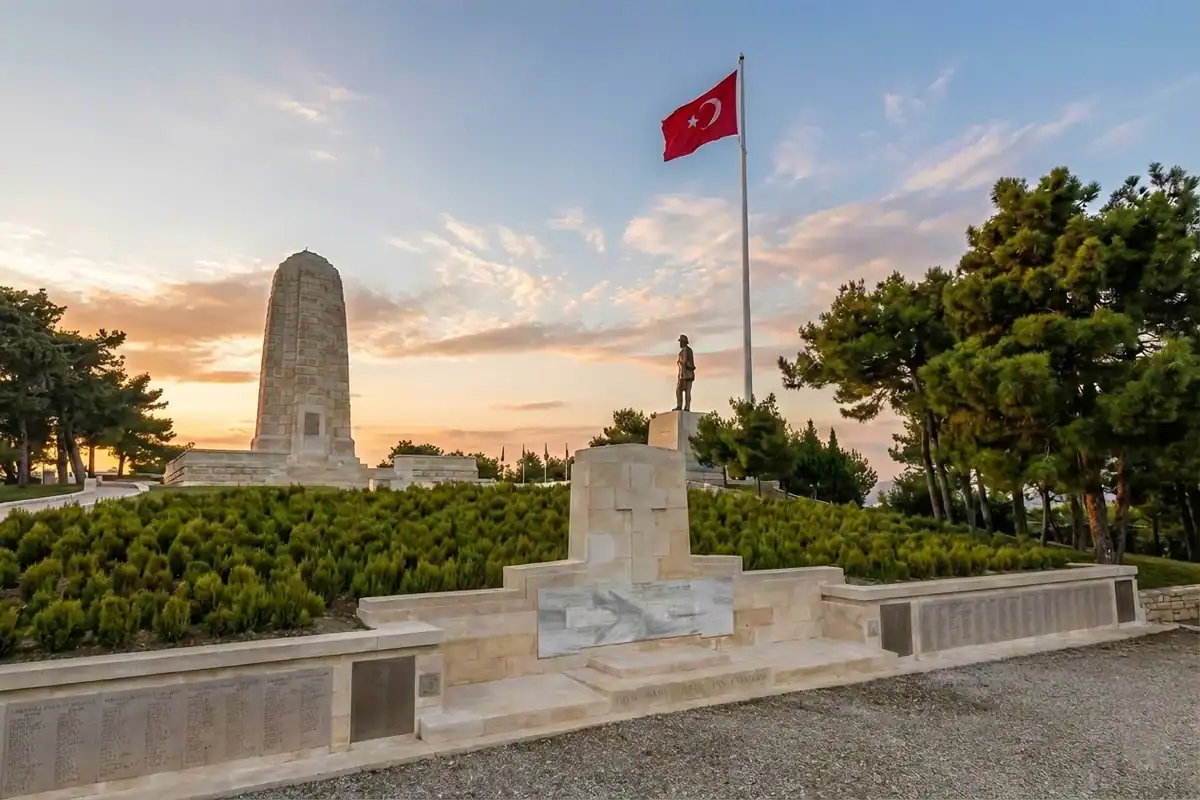
At the heart of Turkish culture lies a concept called misafirperverlik—hospitality. Turks consider guests a gift from God, and this belief translates into real, tangible behavior. Shopkeepers offer tea to browsers with no expectation of a purchase. Neighbors bring food to newcomers. Taxi drivers sometimes refuse to charge tourists who seem lost. This isn’t performative; it’s deeply ingrained across all socioeconomic levels.
Family is the other pillar. Multi-generational households are still common, especially outside major cities. Elders are respected with specific gestures—kissing the back of an elder’s hand and touching it to your forehead is a traditional greeting during holidays. Sunday family gatherings around elaborate breakfasts are practically sacred. Children typically live with their parents until marriage, and family opinions carry significant weight in major life decisions.
Honor and Community
Reputation within the community matters deeply in Turkish society. People take pride in their neighborhoods, their cities, and their professions. This sense of collective identity means Turks are often eager to represent their culture positively to visitors. Ask a local for a restaurant recommendation in Karaköy or the backstreets of Selçuk, and you’ll likely get a 10-minute passionate explanation with hand-drawn directions.
What Is Traditional Turkish Cuisine Like?
Turkish cuisine ranks among the world’s great food traditions, alongside French and Chinese cooking. It evolved over centuries in the Ottoman palace kitchens and through regional Anatolian traditions, producing a remarkably diverse food culture that varies significantly from region to region.
The Turkish Breakfast
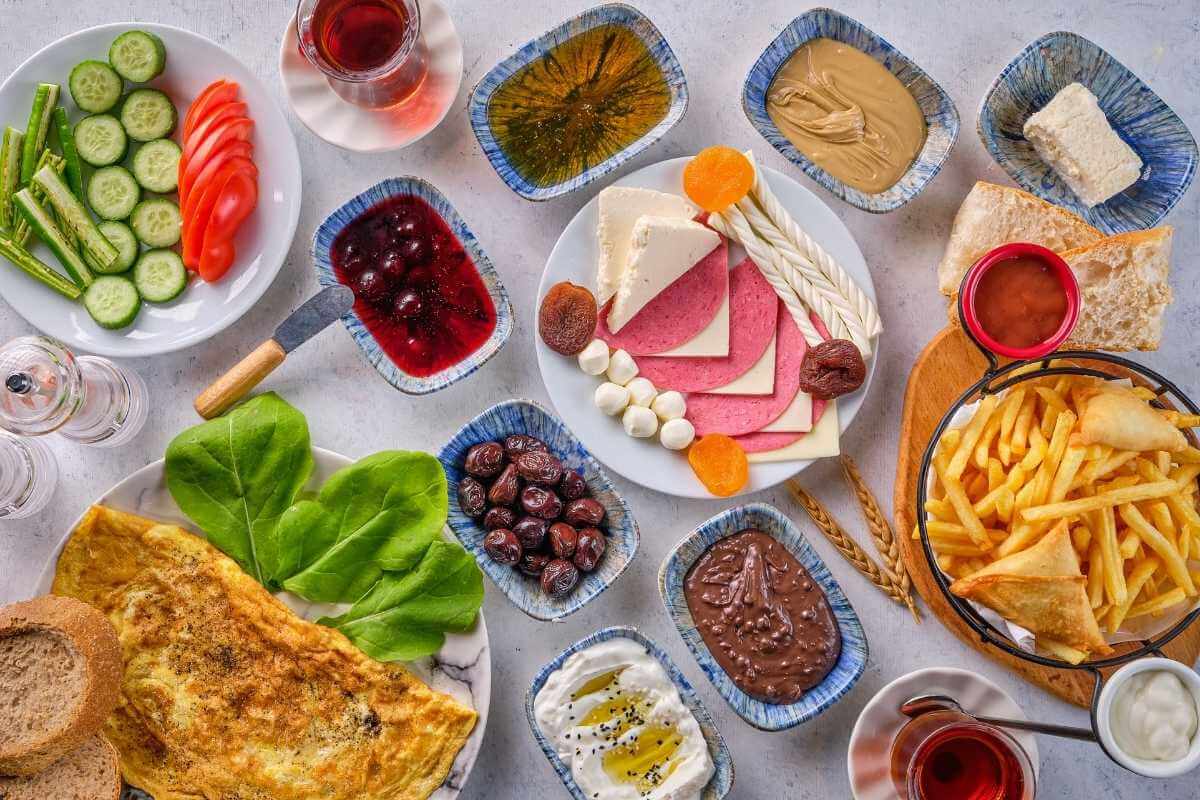
The Turkish breakfast (kahvaltı, which literally translates to “before coffee”) is an event, not just a meal. A typical spread includes 15 to 20 small dishes: multiple cheeses (beyaz peynir, kaşar, tulum), olives, tomatoes, cucumbers, honey with kaymak (clotted cream), eggs prepared various ways, simit (sesame bread rings), jams, butter, and bottomless glasses of black tea. Weekend breakfasts in cities like Istanbul can last two to three hours. For travelers, experiencing an authentic Turkish breakfast is one of the most accessible cultural immersions available—nearly every hotel and neighborhood café serves one.
Regional Specialties
Turkish food varies dramatically by geography. The southeast (Gaziantep, Şanlıurfa) is famous for kebabs, baklava, and intensely spiced dishes. The Black Sea coast specializes in anchovy dishes, cornbread, and fondue-like muhlama. The Aegean region favors olive oil–based vegetable dishes, fresh seafood, and wild herbs. Central Anatolia is known for mantı (tiny dumplings with yogurt and garlic), testi kebabı (pottery kebab—a Cappadocian specialty), and hearty stews suited to the harsh winters.
Street Food and Sweets
Turkish street food culture is legendary. Döner (rotating meat carved to order), balık ekmek (grilled fish sandwiches sold on boats along Istanbul’s Galata Bridge), lahmacun (thin flatbread with spiced meat), and midye dolma (stuffed mussels) are available for $1–$4 apiece. For desserts, baklava from Gaziantep, künefe (hot cheese pastry with syrup), and tavuk göğsü (a pudding made with shredded chicken breast—surprisingly delicious) represent just a fraction of the sweets tradition.
What Are Important Turkish Traditions and Customs?
Tea and Coffee Rituals
Turkey consumes more tea per capita than any other country—approximately 3.5 kilograms per person annually. Turkish tea (çay) is served in tulip-shaped glasses, always black, usually with two sugar cubes on the side. Refusing tea in a social or business setting can be considered rude. Turkish coffee, meanwhile, is prepared in a cezve (small copper pot) and served thick and unfiltered. After drinking, it’s tradition to flip the cup and read the grounds for fortune-telling—a practice that remains popular even among younger generations.
Religious and National Holidays
Turkey is a secular republic with a predominantly Muslim population (approximately 97%). Two major religious holidays shape the calendar: Ramazan Bayramı (Eid al-Fitr, marking the end of Ramadan) and Kurban Bayramı (Eid al-Adha, the Festival of Sacrifice). During these holidays, which each last 3–4 days, families gather, children receive gifts and money from elders, and sweets are exchanged between neighbors. National holidays include Republic Day (October 29), Commemoration of Atatürk Day (November 10), and Victory Day (August 30).
The Hamam (Turkish Bath) Tradition
The Turkish bath tradition dates back to the Roman and Byzantine periods but was perfected during the Ottoman era. A traditional hamam experience involves sitting in a heated marble room, being scrubbed with a coarse mitt (kese), and receiving a foam massage. Historic hamams in Istanbul—like the 16th-century Çemberlitaş Hamam near the Grand Bazaar—offer this experience for $30–$80 depending on the package. It’s not just a spa treatment; for Turks, the hamam has historically been a social institution where communities gathered.
The Evil Eye (Nazar Boncuğu)
The blue glass evil eye amulet is ubiquitous in Turkey—hanging from rearview mirrors, pinned to newborns’ clothing, mounted above doorways, and sold in every bazaar. This isn’t merely a tourist trinket. Many Turks genuinely believe in the protective power of the nazar boncuğu against jealousy and ill will. You’ll see them in banks, hospitals, and government offices.
How Should Visitors Behave in Turkey?
Mosque Etiquette
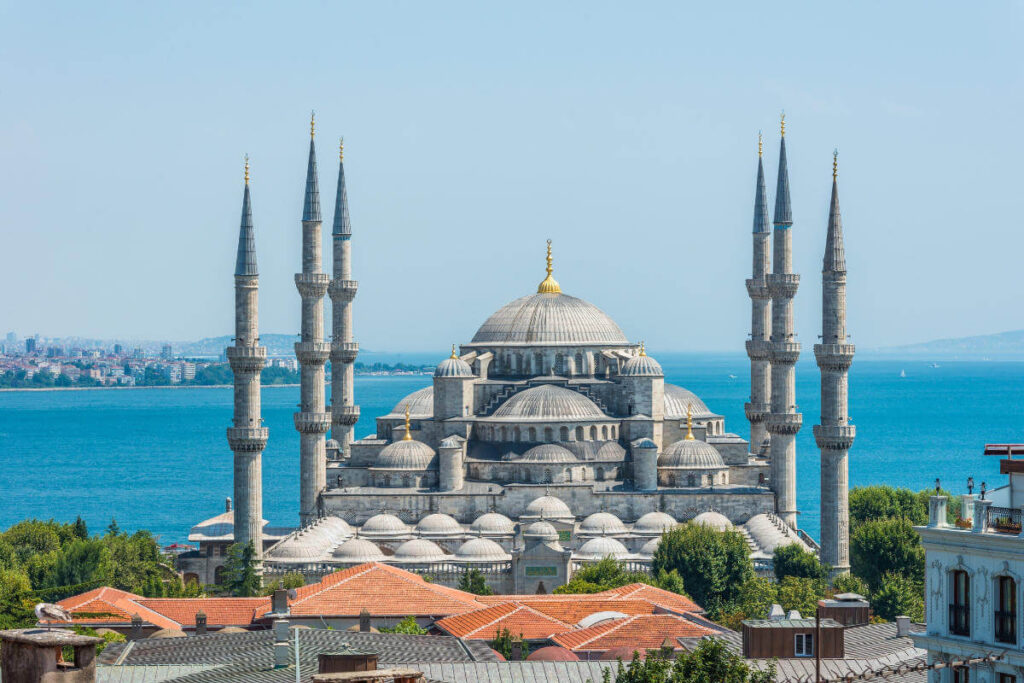
Turkey has over 80,000 mosques, and many—including Istanbul’s iconic Blue Mosque and Süleymaniye Mosque—welcome visitors outside prayer times. Women should cover their heads, shoulders, and knees (scarves are usually provided at the entrance). Everyone removes shoes before entering. Avoid visiting during Friday noon prayers, which are the most important of the week. Photography is generally permitted but should be done respectfully and never during active worship.
Social Norms and Greetings
Turks greet friends and acquaintances with a kiss on both cheeks. Handshakes are standard in professional settings. When entering someone’s home, always remove your shoes—hosts will typically offer slippers. Bringing a small gift (pastries, chocolate, or flowers) when invited to dinner is expected. During meals, wait for the host to begin eating, and always compliment the food. Saying elinize sağlık (“health to your hands”) to the cook is one of the most appreciated Turkish phrases a visitor can learn.
Practical Tips for Experiencing Turkish Culture
Pro Tip: Learning even five Turkish phrases—merhaba (hello), teşekkür ederim (thank you), lütfen (please), evet (yes), hayır (no)—will noticeably change how locals interact with you. Turks deeply appreciate any effort to speak their language.
- Bargaining is expected at bazaars like the Grand Bazaar and Spice Bazaar. Start at 50–60% of the asking price and negotiate from there.
- Tipping customs: Leave 10–15% at restaurants. Round up taxi fares. Tip hamam attendants 20–30% of the service cost.
- Dress conservatively when visiting mosques and rural areas. In cities like Istanbul and Izmir, Western clothing is completely normal.
- Accept the tea. If a shopkeeper or local offers you çay, accept it. It’s a gesture of friendship, not a sales tactic (usually).
- Download a translation app. While English is widely spoken in tourist areas, having Turkish translation available helps enormously in smaller towns and more authentic neighborhoods.
- Carry cash in Turkish lira for small vendors, village shops, and public transportation. Credit cards are accepted at most restaurants and hotels in tourist zones.
Recommended Tours to Experience Turkish Culture
The best way to truly understand Turkish culture is to see it across multiple regions—from Istanbul’s imperial heritage to Cappadocia’s cave churches and Anatolian village life. These curated tours are designed to provide deep cultural immersion with expert local guides who bring traditions to life:
- 7-Day Turkey Tour: Istanbul, Cappadocia, Ephesus, Pamukkale — Covers Turkey’s most culturally significant destinations in one week, with guided visits to ancient sites, local meals, and authentic experiences.
- 9-Day Best of Turkey Tour: Istanbul, Cappadocia, Antalya, Pamukkale & Ephesus — A comprehensive itinerary spanning Mediterranean, Aegean, and Central Anatolian cultures with more time to explore each region.
- 10-Day Wonders of Turkey: Istanbul, Gallipoli, Troy, Pergamon, Pamukkale, Ephesus & Cappadocia — The most complete cultural tour, including Gallipoli battlefields, ancient Troy, and Pergamon’s acropolis alongside Turkey’s signature highlights.
Frequently Asked Questions About Turkish Culture
Is Turkey a safe country for American tourists?
Yes. Turkey is one of the most visited countries in the world, welcoming over 56 million international tourists in 2024. Major tourist areas including Istanbul, Cappadocia, the Aegean coast, and Antalya are well-policed and considered safe. Standard travel precautions apply, as they would in any major European destination. For more detailed guidance, see our complete guide to visiting Turkey.
Do I need to cover my head everywhere in Turkey?
No. Turkey is a secular country, and there is no legal requirement to cover your head in public. Head coverings are only necessary when entering mosques. In Istanbul, Izmir, Antalya, and other urban centers, you’ll see a wide range of dress styles. In more conservative rural areas, dressing modestly (covering shoulders and knees) is respectful but not legally required.
What is the best time of year to experience Turkish cultural events?
April through June and September through November are ideal. The International Istanbul Music Festival runs in June, the Antalya Film Festival in October, and various harvest festivals occur across Anatolia in autumn. Ramadan (dates shift annually based on the lunar calendar) offers unique cultural experiences including nighttime iftar meals and festive evening markets. Check our guide on the best months to visit for seasonal planning.
Can I drink alcohol in Turkey?
Yes. Alcohol is legal and widely available in restaurants, bars, hotels, and supermarkets throughout Turkey. Rakı—an anise-flavored spirit often called “lion’s milk”—is the national drink, traditionally served alongside meze (appetizer dishes) and fish. Turkish wine production, particularly from regions like Cappadocia and Thrace, has improved significantly in recent decades. Expect to pay $3–$8 for a glass of local wine and $5–$10 for a rakı serving at restaurants.
What should I bring as a gift if invited to a Turkish home?
Pastries or high-quality chocolates are the safest and most appreciated choice. Flowers are also acceptable, though avoid chrysanthemums (associated with funerals). If the family has children, bringing a small toy or treat for them earns extra goodwill. Avoid bringing alcohol unless you’re certain the household drinks. Always present gifts with both hands or with the right hand.
Experience Turkish Culture Firsthand
Reading about Turkish culture gives you context, but experiencing it gives you memories that last a lifetime. The warmth of a family-run lokanta in a small Anatolian town, the call to prayer echoing across the Bosphorus at sunset, the centuries-old pottery workshops in Avanos, the taste of freshly baked pide from a wood-fired oven—these are the moments that define a trip to Turkey far more than any checklist of monuments.
Whether you have 4 days or 15, the right itinerary connects you with the living culture behind the landmarks. Our Turkey-based team designs every tour to include authentic cultural encounters alongside the iconic sites. Ready to start planning? Tell us about your ideal trip, and our local travel specialists will craft a personalized itinerary that brings Turkish culture to life—on your schedule and at your pace.