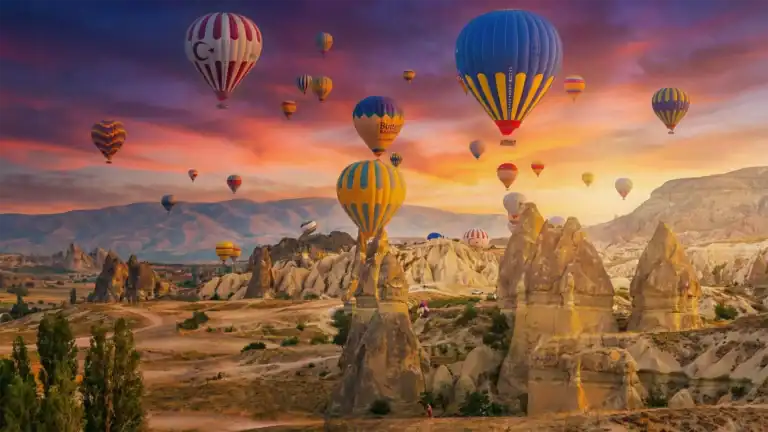

Short answer: Yes. As of July 2026, Turkey’s main tourist regions — Istanbul, Cappadocia, Ephesus, Pamukkale, and the Antalya coast — are open and welcoming visitors normally. The U.S. State Department keeps Türkiye at Level 2, “Exercise Increased Caution,” the same category as many popular European countries. The “Do Not Travel” warning applies only to the Syria and Iraq border provinces, hundreds of kilometers from the classic route.
If you’re weighing a booking and the safety question is what’s holding you back, this is written for you — a first-time visitor or a returning traveler who wants a clear picture before committing to flights. The most important decision isn’t whether to go; it’s where to spend your days and how to book so the small everyday risks stay small.
Is it safe to travel to Turkey right now?
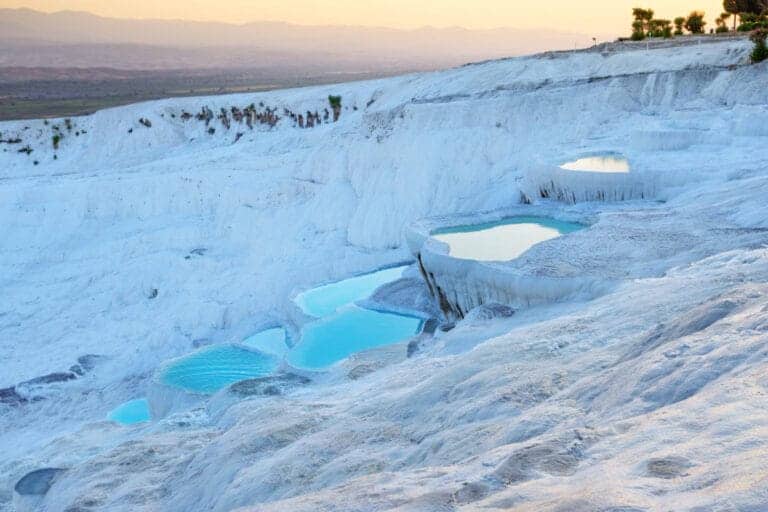
Yes, for the main tourist regions. As of July 2026, Istanbul, Cappadocia, Ephesus, Pamukkale, and the Antalya coast are open and welcoming visitors normally, and the U.S. State Department keeps Türkiye at Level 2, “Exercise Increased Caution,” the same category as many European countries. The “Do Not Travel” warning applies only to the Syria and Iraq border provinces.
Is it risky to travel to Istanbul right now?
Istanbul is generally safe for visitors as of July 2026; the core zones of Sultanahmet, Galata, Taksim, and Kadıköy need normal big-city awareness, not special precautions. The realistic risks are pickpocketing on packed trams and around the bazaars, plus unmetered taxis and fake guides, not violent crime. Keep valuables in a front pocket and insist on the taxi meter.
Key Takeaways
- Turkey welcomes over 50 million visitors a year, and the main tourist route stays far from the restricted border zones.
- Level 2 means “stay aware,” not “stay away” — it matches advisories for France, Italy, and Spain.
- The realistic risks are petty theft and tourist scams, not violence. Both are easy to avoid with basic habits.
- Istanbul, Cappadocia, the Aegean, and the Mediterranean coast have strong safety records and heavy tourism infrastructure.
- Booking excursions and transfers through a registered agency removes the most common scam exposure and simplifies logistics.
- Travel insurance covering medical care and cancellation is inexpensive and worth arranging before you fly.
The Current Safety Picture (July 2026)
Tourism is one of Turkey’s largest industries, and the country has spent years building infrastructure around it. Popular destinations — Istanbul, Cappadocia, Antalya, Pamukkale, Bodrum, and Ephesus — see a visible security presence in high-traffic areas and are set up to handle large numbers of international guests.
The Level 2 rating is worth understanding in context. It’s the same tier applied to much of Western Europe, and it reflects the general recommendation to stay alert rather than any specific threat to travelers on the standard route. The separate “Do Not Travel” note is geographically narrow: it covers provinces bordering Syria and Iraq, which are not on any typical tourist itinerary.
Before you fly, glance at your own government’s official advisory — U.S. travelers can check travel.state.gov, UK travelers gov.uk/foreign-travel-advice/turkey, and Canadian travelers travel.gc.ca. Advisories update, and it takes two minutes.
For a fuller regional read, our honest Turkey safety guide for 2026 goes deeper on how advisories are worded and what they actually mean day to day.

What Actually Goes Wrong for Tourists
Being realistic about risk is more useful than blanket reassurance. Here’s what genuinely comes up — and what almost never does.
Petty theft
Pickpocketing and bag-snatching happen in dense tourist spots — the Grand Bazaar, crowded trams, ferry queues. Violent crime against visitors is rare. Keep your phone and wallet in a front pocket or zipped bag, and you’ve handled most of the risk.
Scams
The classics: unmetered taxis quoting a “special price,” fake guides at attraction entrances, and the friendly stranger who steers you toward an overpriced carpet shop or bar. None of these are dangerous — they’re just designed to separate you from money. Agree on prices before any service, and book tours through a registered operator rather than a street pitch.
Terrorism
Isolated incidents have occurred in past years, but the realistic likelihood of a visitor on the tourist route being affected is very low. Security is heavily concentrated around major sites and transport hubs. Staying informed through reliable news is the sensible level of caution.
Health and medical
Major cities have modern hospitals, many with English-speaking doctors, and pharmacies are everywhere and well stocked. If you take prescription medication, bring enough for the trip plus a buffer. Locals drink the tap water in many areas, but bottled water is the easy call for short-stay visitors.
Natural events
Turkey sits in a seismic zone, so earthquakes are possible, though significant ones are uncommon. On the coast, the summer sun is stronger than many visitors expect — sunscreen and hydration matter more than most safety worries.
Region-by-Region Safety
Istanbul
The core visitor zones — Sultanahmet, Galata, Taksim, Kadıköy — are generally safe, especially in daylight. Watch your belongings on packed trams and around the Spice Bazaar, and skip dim, empty side streets late at night. This is normal big-city awareness, not a special precaution.
Cappadocia
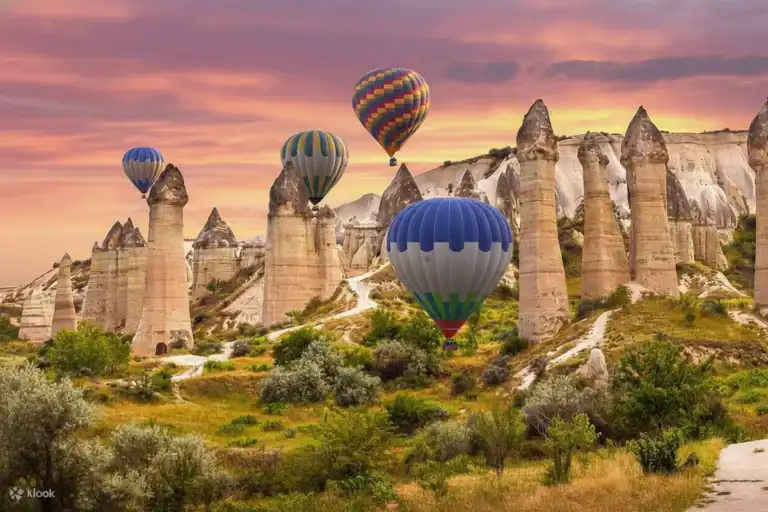
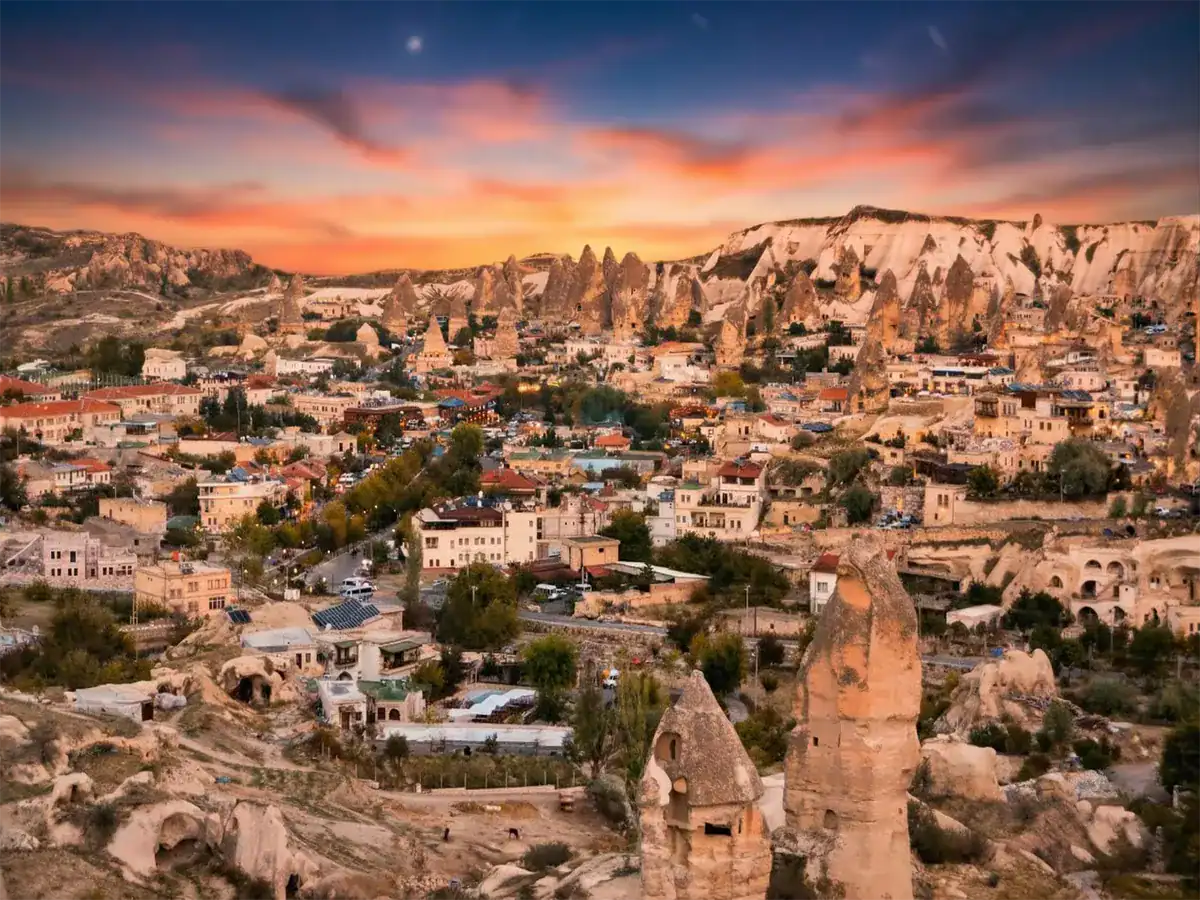
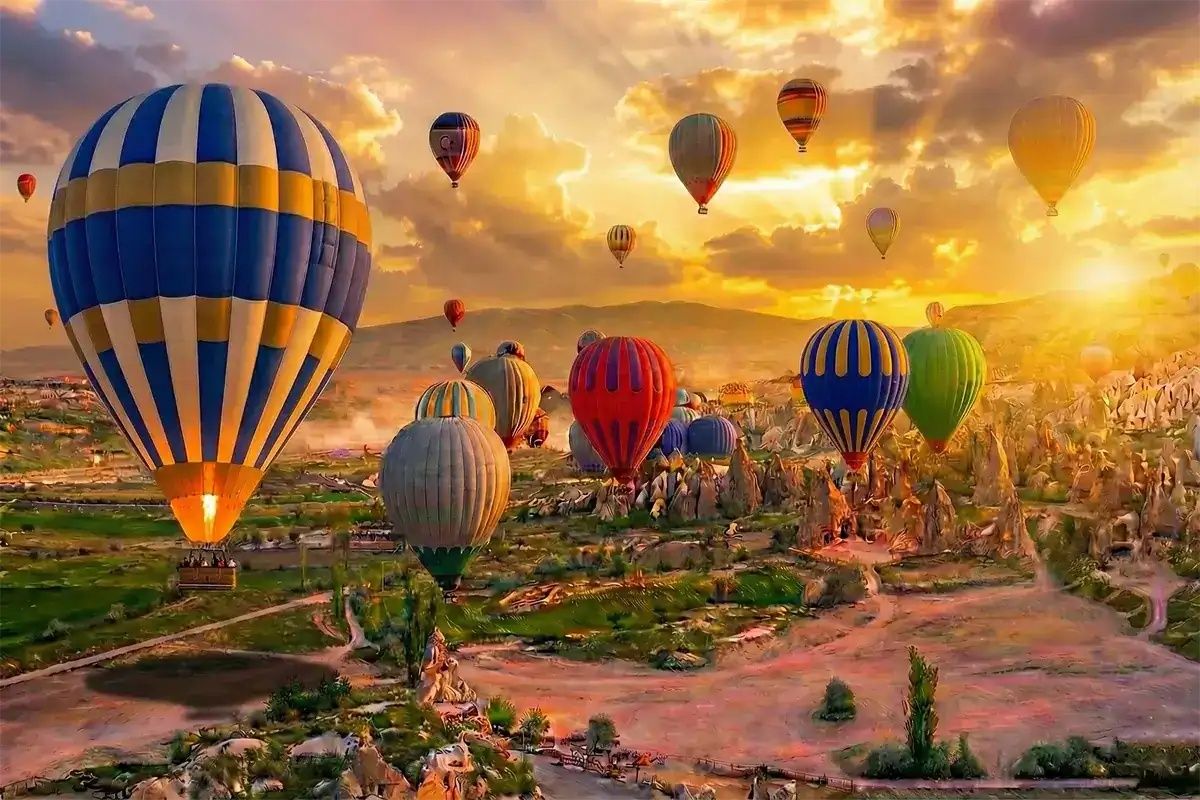
One of the calmest regions in the country. Göreme, Ürgüp, and Uçhisar are small, welcoming towns, and most of your time is spent outdoors — balloon rides at dawn, valley hikes, and open-air museums in Göreme National Park. Crime is minimal.
Mediterranean and Aegean coast
Antalya, Bodrum, and Fethiye are built for tourism and have strong safety records. The main thing to watch is beach theft — don’t leave bags unattended while you swim, and stick to designated swimming areas.
Eastern Turkey
The landscapes and cultural sites here are remarkable, but areas near the Syrian and Iraqi borders carry active advisories. Unless you’re with an experienced guide on an organized route, it’s best to leave those provinces off the itinerary. The good news: nothing on the standard tourist circuit requires going near them.
Practical Safety Habits That Actually Help
Getting around
Use official taxis or ride-hailing apps like BiTaksi and insist on the meter. Istanbul’s metro and tram network is safe, cheap, and efficient — just avoid squeezing onto rush-hour cars if you’re carrying luggage. For longer hops between cities, domestic flights are reliable and often cheaper than you’d guess.
Money
Withdraw cash from ATMs inside banks or shopping centers to reduce skimming risk. Carry a little cash for small purchases; cards are accepted almost everywhere. Keep your passport and spare cash in a hotel safe rather than on you.
Cultural etiquette
At mosques, dress modestly — women should carry a scarf for their head, and everyone should cover shoulders and knees. Remove your shoes before entering. A simple “Merhaba” (hello) genuinely warms up interactions.
Avoiding scams
- Book balloon rides, day trips, and transfers through a registered agency rather than a curbside offer.
- Politely decline “special deal” invitations in markets and around major sights.
- Confirm the price before you accept any service — taxi, guide, or shop.
If you’re traveling on your own, our solo female travel guide for Turkey covers specific situations, best-fit destinations, and honest advice worth reading before you go.
Solo and First-Time Travelers
Turkey is generally comfortable for solo travelers, including women, especially in the tourist hubs. Modest dress in rural areas helps you blend in. You may get friendly curiosity, but harassment in tourist zones is uncommon. Keep night movement to well-lit, busy areas, and trust your instincts — if something feels off, remove yourself from it. That single habit prevents most problems anywhere in the world.
Guided Tour or Independent: Which Fits You?
The safety question often really comes down to how you want to travel. Both work in Turkey — the right choice depends on your comfort with logistics and how much of your time you want to spend planning.
An organized tour suits you if…
You want transfers, guides, and site tickets handled, and you’d rather not negotiate taxis or decode bus schedules in a new language. This is also the simpler path for reaching Cappadocia from Istanbul, since it bundles flights, cave-hotel stays, and the early balloon logistics into one plan. It removes almost all scam exposure because you’re not booking services on the street.
Independent travel suits you if…
You’re comfortable arranging your own transport, enjoy a flexible schedule, and want to linger where you like. It’s very doable in the main regions — just budget extra time for logistics and stay disciplined about metered taxis and verified providers.
What to verify before you book anything
- Confirm the operator is a registered agency (in Turkey, look for a TÜRSAB license). One Nation Travel holds TÜRSAB Class A license A-6073.
- Check exactly what’s included — flights, hotel nights, meals, and whether the balloon ride is included or optional.
- Read the cancellation terms. With us, changes or cancellations need at least 5 days’ notice before the tour starts; non-refundable flight and bus ticket costs are deducted from your paid balance, and with less than 5 days’ notice or a no-show the payment is non-refundable.
- For price context, our verified Cappadocia trips currently start around USD 714 for a 3-day tour from Antalya with flights and range up to roughly USD 905 for premium balloon-focused packages — treat these as starting prices that can change.
If you’re still deciding, our breakdown of group versus private tours in Turkey lays out the trade-offs in detail.
Choose your next step
Recommended Turkey tours
These verified options are the closest available matches for this article’s destination, route intent, and trip length.
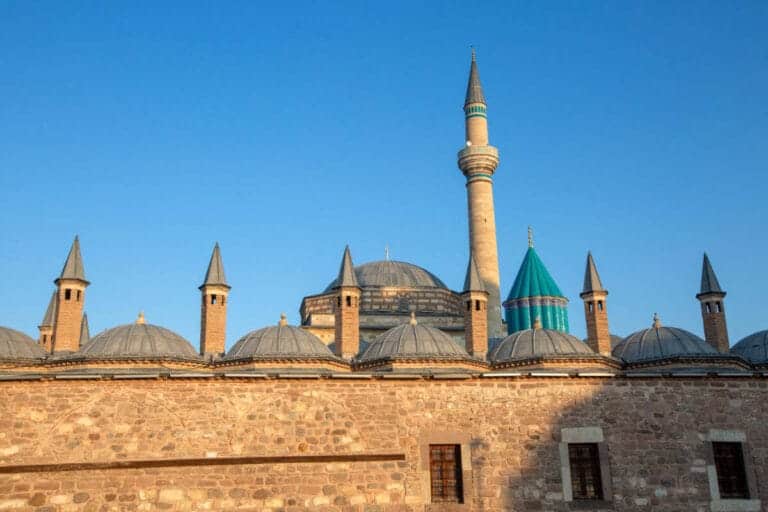
3-Day Cappadocia & Konya Tour from Istanbul
A 3 days Historical & Cultural Tour route covering Cappadocia, Konya and 1 more destination.
View tour details →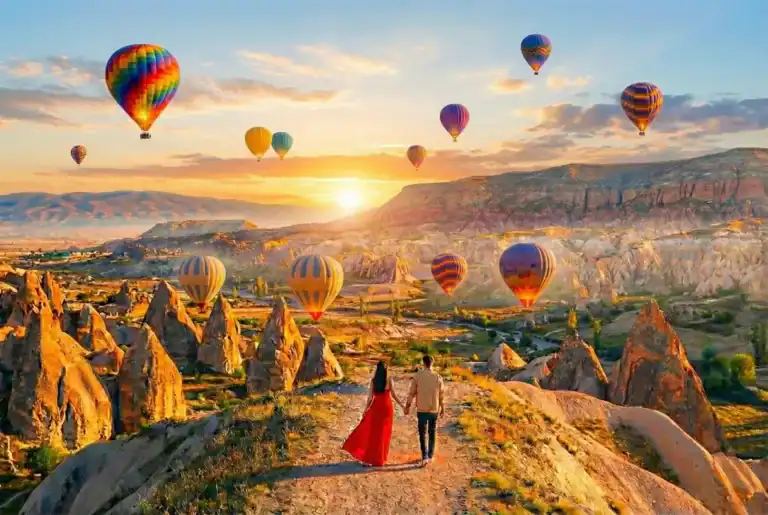
2-Day Cappadocia Adventure with Sunrise Hot Air Balloon Ride
A 2 days Historical & Cultural Tour route covering Cappadocia.
View tour details →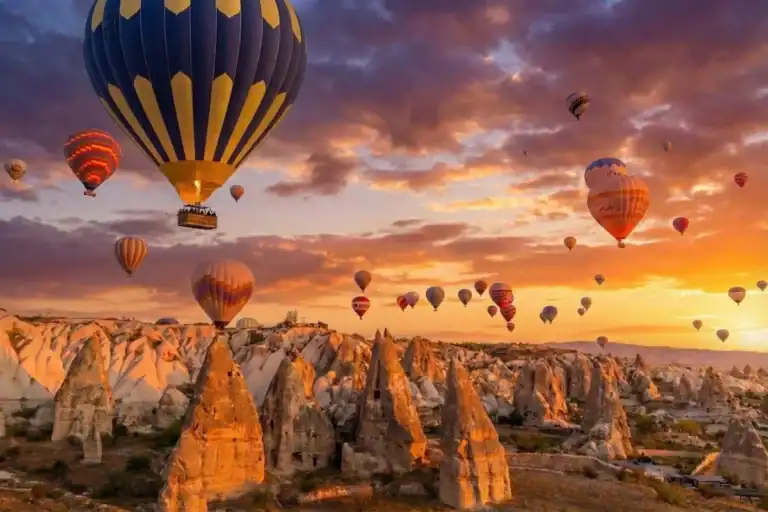
2-Day Cappadocia Tour from Istanbul by Plane with Optional Hot Air Balloon
A 2 days Historical & Cultural Tour route covering Cappadocia, Istanbul.
View tour details →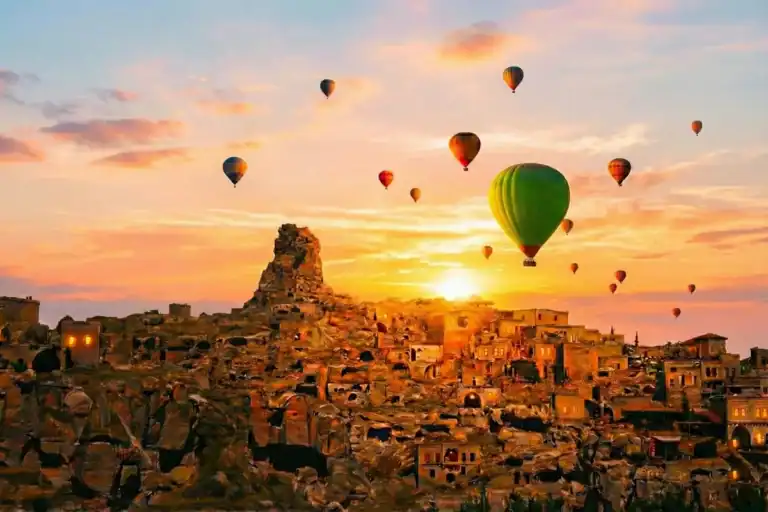
3-Day Cappadocia Tour from Antalya w/ Flights
A 3 days Historical & Cultural Tour route covering Cappadocia, Antalya.
View tour details →Frequently Asked Questions
Is Turkey safe for American and European tourists right now?
Yes. The main tourist destinations are safe, and millions of visitors from both regions travel through them each year without incident. Standard awareness in crowded areas is all that’s needed.
Is it safe to travel to Turkey alone?
Yes, particularly in cities like Istanbul and Cappadocia where tourism infrastructure is strong. Apply the same common-sense habits you would in any major destination, and limit late-night movement to busy, well-lit areas.
Can I drink the tap water?
Locals drink it in many areas, but for a short trip bottled water is the simpler choice and avoids any stomach upset from unfamiliar mineral content.
Is Eastern Turkey off-limits?
Not entirely, but provinces bordering Syria and Iraq carry active “Do Not Travel” advisories and are best avoided unless you’re with an experienced guide on an organized route. Nothing on the standard tourist circuit goes near them.
Do I need vaccines to visit Turkey?
No special vaccines are required for the main tourist regions. Keeping routine immunizations current is the standard recommendation — check with your own doctor before you travel.
The Bottom Line
For the overwhelming majority of visitors, traveling to Turkey right now is safe and rewarding. Stay aware in crowds, book services through registered providers, keep the border provinces off your route, and the country delivers everything people come for — from Istanbul’s skyline to Cappadocia’s dawn balloons and the Aegean coast. The real work isn’t managing danger; it’s building an itinerary that uses your days well.
If you’d like help shaping a route and locking in the logistics, our team is happy to arrange it. Tell us what you’re hoping to see and we’ll build a plan around it — start with Plan My Trip.
Official Sources
Safety conditions and travel guidance can change. Cross-check the latest official advice before you travel:
- U.S. Department of State — Türkiye country information
- Government of Canada — travel advice for Türkiye
Official links verified by One Nation Travel — August 2026.