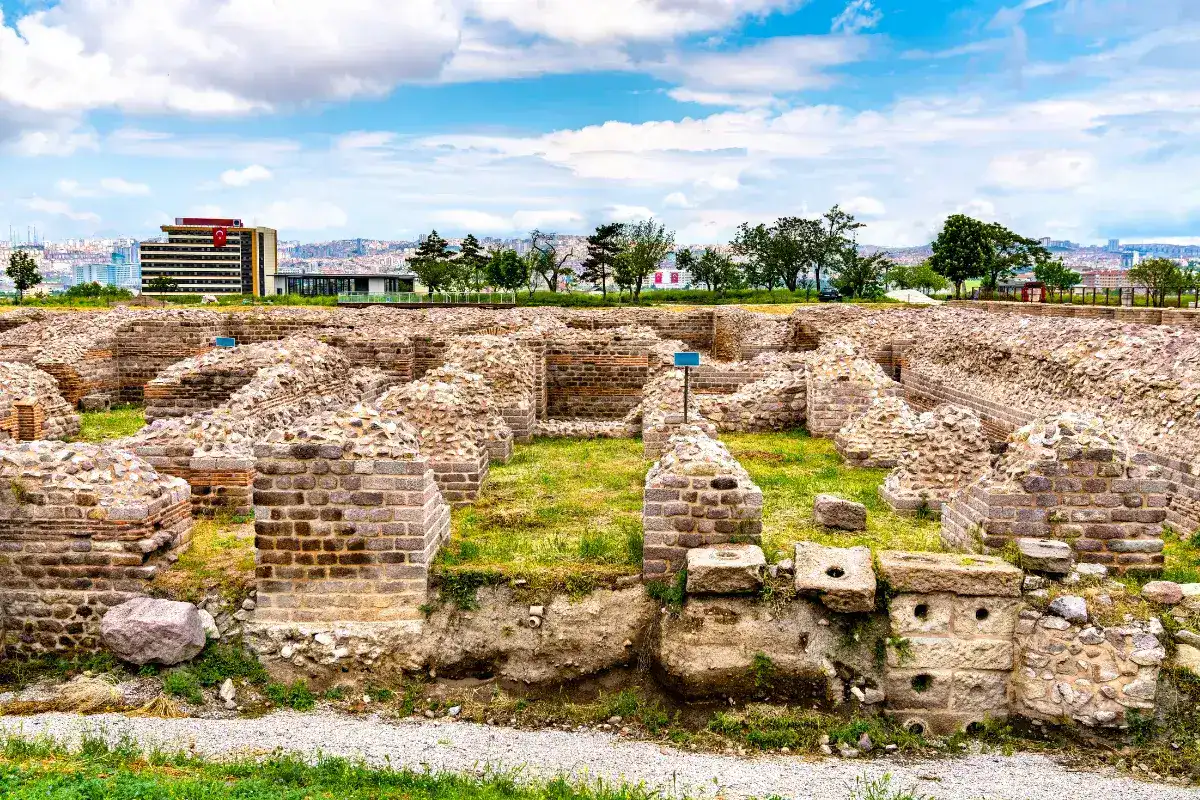
In the heart of Ankara, where modern traffic hums and the city’s daily rhythm moves quickly, the Roman Baths of Ankara invite you to pause beside massive stone foundations, weathered columns, and ancient brickwork warmed by the Anatolian sun. Here, the remains of a grand Roman bathing complex reveal a quieter side of Turkey’s capital—one shaped by emperors, merchants, soldiers, and citizens who once gathered to bathe, talk, exercise, and conduct business.
Historical and Cultural Context
The Roman Baths of Ankara date primarily to the 3rd century AD, during the reign of Roman Emperor Caracalla, who ruled from 198 to 217 AD. The complex was dedicated to Asclepius, the Greco-Roman god of medicine and healing, making it more than a public bath—it was also connected to ideas of wellness, ritual cleansing, and social life.
Ancient Ankara, then known as Ancyra, was an important Roman city in central Anatolia. Its location along trade and military routes helped it flourish under Roman rule. The baths were built in the classic Roman style, with separate sections for cold, warm, and hot bathing rooms: the frigidarium, tepidarium, and caldarium. Excavations began in the 1930s, revealing not only the bath foundations but also inscriptions, tombstones, and architectural fragments from different periods of Ankara’s past.
What to See and Experience
Walking through the Roman Baths of Ankara, you can trace the outline of a once-impressive public complex. Stone platforms mark the heated rooms, while remnants of the hypocaust system—an underfloor heating method used by the Romans—show how warm air circulated beneath the floors. It is a remarkable example of ancient engineering.
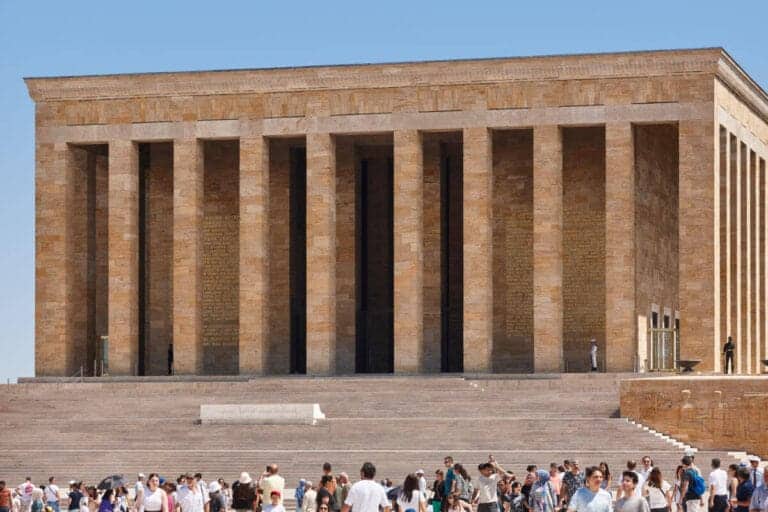
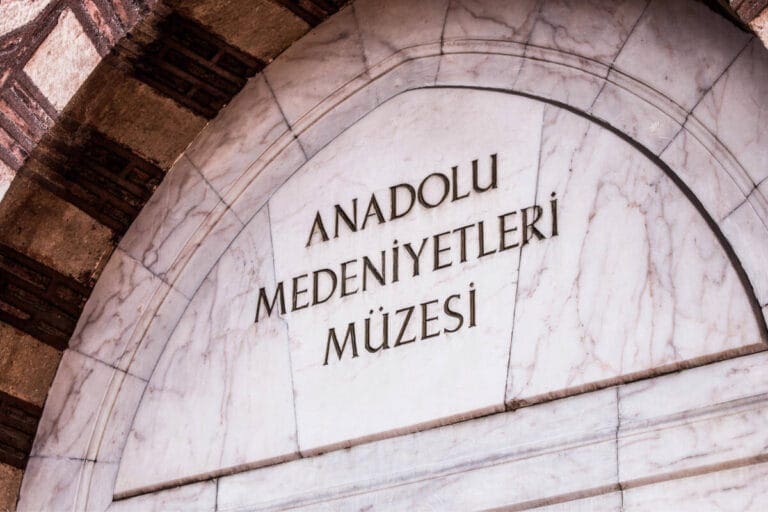
Look closely at the scattered column capitals, carved stones, and inscriptions displayed across the open-air site. Their worn surfaces tell stories through texture: chipped marble, sun-bleached stone, and Roman-era masonry still holding its shape after nearly 1,800 years. The site also pairs well with other Ankara landmarks such as the Mausoleum of Ataturk and the Museum of Anatolian Civilizations, both of which add depth to the city’s layered story.
Practical Visitor Tips
The best time to visit the Roman Baths of Ankara is in spring or fall, when temperatures are mild and the open-air ruins are comfortable to explore. Summer afternoons can be hot, so morning visits are ideal. Plan to spend around 30 to 45 minutes at the site, or longer if you enjoy archaeology and photography.
Wear comfortable shoes, bring water, and take your time reading the signs and studying the layout. Because the site is outdoors, a hat and sunscreen are useful during sunny months. If you are planning a broader journey through Turkey, Ankara offers a rewarding contrast to Istanbul, Cappadocia, and the Aegean coast.
Related Tours
The Roman Baths of Ankara may be quiet today, but its stones still speak clearly—of empire, daily life, healing rituals, and the enduring spirit of ancient Anatolia.
Plan the next step
Recommended Tours for Your Ankara Visit
Compare tours for Roman Baths of Ankara by starting point, duration and itinerary. A listed stop can change with local access conditions; check the current program before booking.
Private Ankara City Tour
Ankara day itinerary — check pickup details
Discover Ankara on the Private Ankara City Tour with comfortable logistics, expert planning, and memorable sightseeing. Book your tour today.
View Tour Details
4-Day Cappadocia, Pamukkale & Ephesus Tour from Ankara
Starts from Ankara
Explore Cappadocia, Pamukkale, and more highlights with expert guides on the 4-Day Cappadocia, Pamukkale & Ephesus Tour from Ankara, including…
View Tour Details
2-Day Cappadocia Tour from Ankara by Bus
Starts from Ankara
Book the 2-Day Cappadocia Tour from Ankara by Bus with One Nation Travel for expert guidance, organized transfers, and a…
View Tour Details