
Short answer: October is one of the best months to visit Turkey. Expect daytime highs of 20°C (68°F) in Istanbul, 18–22°C (64–72°F) in Cappadocia, and 26°C (79°F) along the Antalya coast, with sea temperatures around 23°C (73°F) — still warm enough to swim. Crowds thin out after September, hotel rates drop 20–30%, and balloon flights in Cappadocia enjoy some of the most stable wind conditions of the year.
If you’ve been going back and forth on when to book Turkey, October settles the argument quickly. The brutal heat of July and August is gone, the summer cruise crowds have left Ephesus and Istanbul, and the light across Cappadocia’s valleys turns soft and golden by late afternoon. We move a large share of our annual bookings into October for exactly these reasons — and travelers who follow that advice almost never regret it.
This guide breaks down what the weather actually does region by region, what it means for your itinerary, what to pack, and where October gives you the biggest advantage over summer travel.
What Is the Weather Like in Turkey in October?

Turkey covers a huge climatic range — the country stretches roughly 1,600 km east to west — so October feels different depending on where you stand. Here’s the honest regional picture:
- Istanbul and the Marmara region: Highs around 20°C (68°F) early in the month, dropping to 16–17°C (61–63°F) by late October. Occasional rain showers, usually short. Evenings call for a jacket.
- Cappadocia and Central Anatolia: Crisp mornings of 6–9°C (43–48°F), pleasant afternoons of 18–22°C (64–72°F). Dry, clear skies most days — excellent hiking and ballooning weather.
- Antalya and the Mediterranean coast: Highs of 25–27°C (77–81°F) in early October, sea temperature around 23°C (73°F). Genuinely beach weather until roughly the last week of the month.
- The Aegean coast (Izmir, Kuşadası, Bodrum): Slightly cooler than Antalya at 22–25°C (72–77°F), with swimmable seas through mid-October.
- The Black Sea and eastern highlands: Cool, misty, and frequently wet — but the fall foliage around Uzungöl and the Kaçkar Mountains is spectacular if you don’t mind packing a rain shell.
Operator tip: The first two weeks of October are the sweet spot. Coastal swimming is reliable, Cappadocia mornings aren’t yet cold, and you still beat the rate increases that sometimes appear around late-October holiday weekends in Europe.
Why Is October Better Than Summer for Visiting Turkey?
We wrote a whole piece on this — why locals quietly prefer October over summer — but the short version comes down to four things:
Comfortable Sightseeing Temperatures
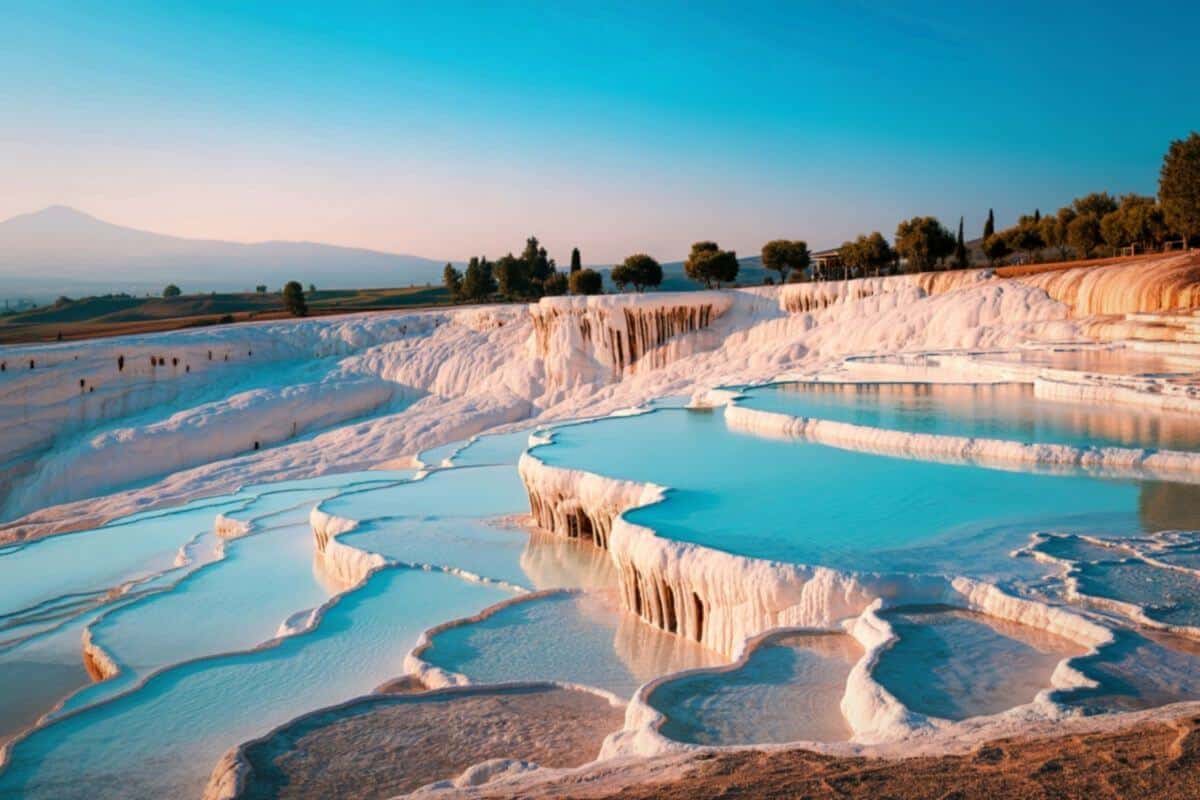
Walking Ephesus in August means 35°C heat radiating off marble with almost no shade. In October, the same walk happens at 24°C with a breeze. The marble terraces of Pamukkale are similar — you walk the travertines barefoot, and in summer the stone gets uncomfortably hot by midday. October fixes that.
Shorter Lines at Major Sites
At Hagia Sophia and Topkapi Palace, summer queues of 45–60 minutes shrink to 10–20 minutes on most October weekdays. That’s an extra hour or two per day you get back for the Grand Bazaar, a Bosphorus cruise, or simply sitting down for a proper Turkish lunch.
Better Balloon Odds in Cappadocia
Hot air balloons in Cappadocia only fly when the Civil Aviation Authority approves the morning’s wind conditions. October historically delivers some of the highest flight-rate months of the year — calmer winds and stable high-pressure systems mean fewer cancellations than spring. If a sunrise balloon ride (from $360) is the centerpiece of your trip, October stacks the odds in your favor. Still, our standing advice applies: schedule at least two nights in Cappadocia so you have a backup morning if weather grounds the fleet.
Lower Prices and Better Hotel Availability
October sits in Turkey’s shoulder season. Cave hotels in Göreme that sell out months ahead for summer often have availability 3–4 weeks out, and rates on four- and five-star properties typically run 20–30% below July pricing. Domestic flights from Istanbul to Kayseri or Nevşehir are also cheaper and less likely to sell out at the last minute.
Where Should You Go in Turkey in October?
Cappadocia: Peak Conditions for Balloons and Hiking
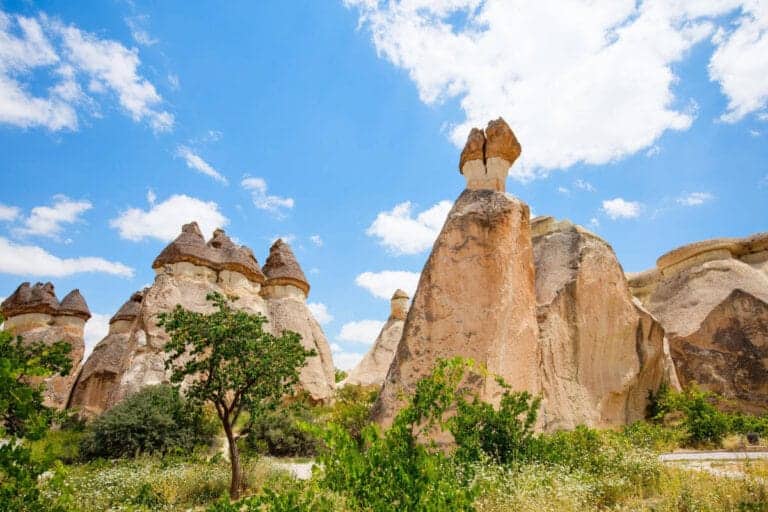
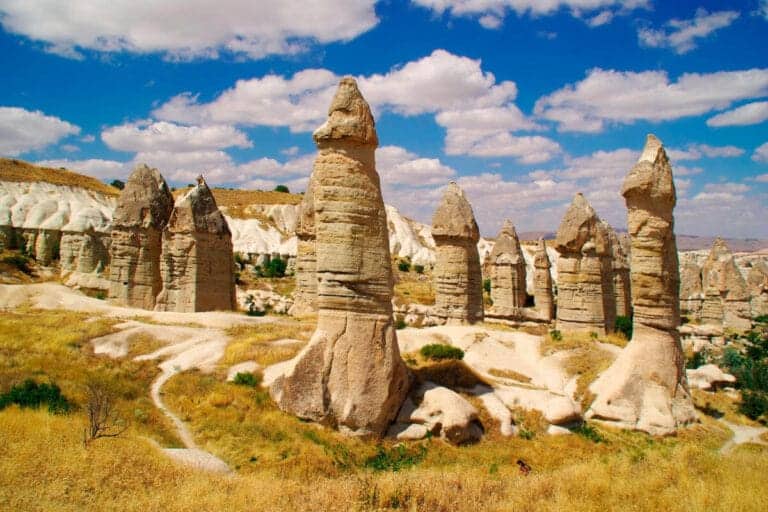
October is arguably Cappadocia’s finest month. The valleys — Love Valley, Red Valley, Pasabag Monks Valley — glow in autumn light, and afternoon hiking temperatures sit in the high teens Celsius. The Göreme National Park open-air museum and the underground cities of Derinkuyu and Kaymaklı stay a constant cool temperature year-round, so they work in any weather. Pack a warm layer for sunrise — balloon launch sites can be 7°C before the sun comes up — and you’re set.
Istanbul: Culture Season Begins
October is when Istanbul feels most like itself. Locals are back from summer houses, café terraces in Karaköy fill in the evenings, and the chestnut vendors reappear near the Spice Bazaar. In odd-numbered years the Istanbul Biennial runs through the fall, scattering contemporary art installations across the city. Sunset from Galata Tower comes earlier — around 6:30 pm in mid-October — which conveniently lines up with dinner reservations. Bring a light rain jacket; Istanbul averages 8–9 rainy days in October, though most showers pass within an hour.
Antalya and the Turquoise Coast: The Last Real Beach Month
If swimming matters to you, October is the final reliable window. Antalya, Kaş, and Fethiye stay genuinely warm, the sea holds its summer heat, and beach clubs operate through most of the month at reduced prices. It’s also the most comfortable time to visit the Roman ruins at Perge and the remarkably intact Aspendos Theater — sites that are punishing in July heat. Our Antalya beach guide covers which stretches stay liveliest into autumn.
Ephesus and the Aegean: Harvest Season
October on the Aegean coast means grape and olive harvests. The hill village of Şirince near Selçuk is at its best — if you’re curious about the local fruit wines, see our honest take on Şirince wine tasting costs. Ephesus itself, including the Terrace Houses, is far more enjoyable at 24°C than at 36°C, and the morning cruise-ship crowds from Kuşadası shrink noticeably after early October.
The Black Sea: Fall Foliage for Repeat Visitors
For travelers who’ve already done the classic circuit, the Black Sea highlands — Ayder Plateau, Uzungöl, the Kaçkar range — put on a serious autumn color show in October. It’s wetter and cooler than the rest of the country, so treat it as a foliage-and-tea-country trip, not a sunshine trip.
How Should You Plan an October Turkey Itinerary?

The classic October route runs Istanbul → Cappadocia → Pamukkale/Ephesus, with an optional Antalya extension if you want beach time. A few route-logic points our team applies to real bookings:
- Put Cappadocia early in the trip. If your balloon flight is canceled, you can sometimes rebook for the next morning. Don’t schedule it on your final day.
- Fly domestic legs; don’t drive them. Istanbul to Cappadocia is a 1 hour 20 minute flight (to Kayseri or Nevşehir) versus a 9–10 hour drive. October flight prices are reasonable, and most of our packages include them.
- End on the coast if you want to swim. Antalya stays warmer later than the Aegean, so an Antalya finish protects beach plans into late October.
- Count days realistically. Seven days covers Istanbul, Cappadocia, Pamukkale, and Ephesus comfortably. Ten days adds Antalya without rushing. See our breakdown of how many days you really need in Turkey for the full cost comparison.
Practical Tips for Visiting Turkey in October
What to Pack
- Layers: t-shirts for midday, a sweater and light jacket for mornings and evenings
- A packable rain shell, especially for Istanbul and the Black Sea
- Comfortable broken-in walking shoes — Ephesus and Cappadocia trails are uneven stone and dirt
- Swimsuit if your route touches Antalya, Bodrum, or the Cleopatra pools at Pamukkale
- A warm hat or fleece for Cappadocia’s pre-dawn balloon launch
Timing and Logistics
- Daylight: Sunrise around 7:00–7:20 am, sunset around 6:15–6:45 pm in mid-October. Plan outdoor sightseeing accordingly — sites like Pamukkale are best in the last two hours before sunset for photos.
- Clocks: Turkey stays on UTC+3 year-round (no daylight saving change), so the time difference to the US East Coast shifts from 7 to 8 hours when American clocks fall back in early November.
- Holidays: October 29 is Republic Day, Turkey’s national holiday. Sites stay open, but expect celebrations, flags everywhere, and some midday traffic closures in Istanbul and Ankara.
- Booking lead time: For October travel, 6–8 weeks ahead is comfortable for cave hotels and balloon slots. Last-minute is possible in October in a way it simply isn’t in May or September.
Cost reality check: the biggest October savings show up in hotels and domestic flights, not site entry fees. Museum tickets cost the same year-round, and balloon prices barely move with the season — the value of October is comfort and availability, not a discount balloon ride.
Recommended October Turkey Tours
These itineraries are built around the routes that work best in shoulder season, with domestic flights and guided sightseeing included:
- 7-Day Istanbul, Pamukkale, Ephesus and Cappadocia Tour with Flights (from $1,418) — the classic October route: city, travertines, ruins, and balloons in one week with all domestic flights handled.
- 9-Day Classic Turkey Tour: Istanbul, Cappadocia, Pamukkale & Antalya (from $1,580) — adds the Mediterranean coast, ideal if you want one last swim of the year.
- 4-Day Cappadocia & Pamukkale Tour from Istanbul with Flights (from $805) — a compact option for travelers anchoring their trip in Istanbul.
- 11-Day Best of Turkey Tour: Istanbul, Cappadocia & Antalya (from $1,894) — the unhurried version, with enough coastal days to genuinely enjoy October’s warm sea.
Frequently Asked Questions
Is October a good month to visit Turkey?
Yes — for most travelers it’s one of the two best months alongside May. You get mild sightseeing weather everywhere, swimmable seas on the south coast, high balloon flight rates in Cappadocia, and shoulder-season prices on hotels and flights.
Can you swim in Turkey in October?
On the Mediterranean coast, absolutely. Antalya, Kaş, and Fethiye hold sea temperatures around 23°C (73°F) through most of the month. The Aegean (Bodrum, Kuşadası) is swimmable through roughly mid-October. Istanbul and the Black Sea are too cool for beach swimming.
Do hot air balloons fly in Cappadocia in October?
Yes, and October is one of the most reliable months for flights thanks to calm autumn winds. Flights are still weather-dependent and approved morning by morning, so plan at least two nights in Cappadocia as insurance. Our guide to balloon ride prices in Cappadocia covers what to expect to pay.
Is Turkey cheaper in October?
Hotels and domestic flights typically run 20–30% below peak summer rates, and availability is far better. Tour package prices, museum entries, and balloon flights stay roughly the same year-round, so the savings come mainly from accommodation and air.
What should I wear in Turkey in October?
Layers. Daytime is t-shirt weather in most regions; mornings and evenings need a sweater or light jacket, especially in Cappadocia where pre-dawn temperatures can dip below 8°C (46°F). Bring a compact rain jacket for Istanbul and modest cover-ups (shoulders and knees) for mosque visits.
Final Thoughts: October Is Turkey at Its Best
Few destinations reward shoulder-season timing the way Turkey does. In October you trade nothing meaningful away — the sites are open, the coast is still warm, the balloons fly more reliably than ever — and you gain cooler walking weather, shorter lines, and noticeably better prices. Whether you’re picturing a sunrise over the fairy chimneys, an afternoon on Pamukkale’s white terraces, or a long ferry ride across the Bosphorus with tea in hand, this is the month to do it.
Ready to lock in October dates? Tell us your travel window and interests through our Plan My Trip form, and our team will build a day-by-day itinerary with flights, cave hotels, and balloon timing handled for you. You can also browse all Turkey tours to compare routes and prices.