PergamonVisitor guide4 min read
Pergamon Theatre
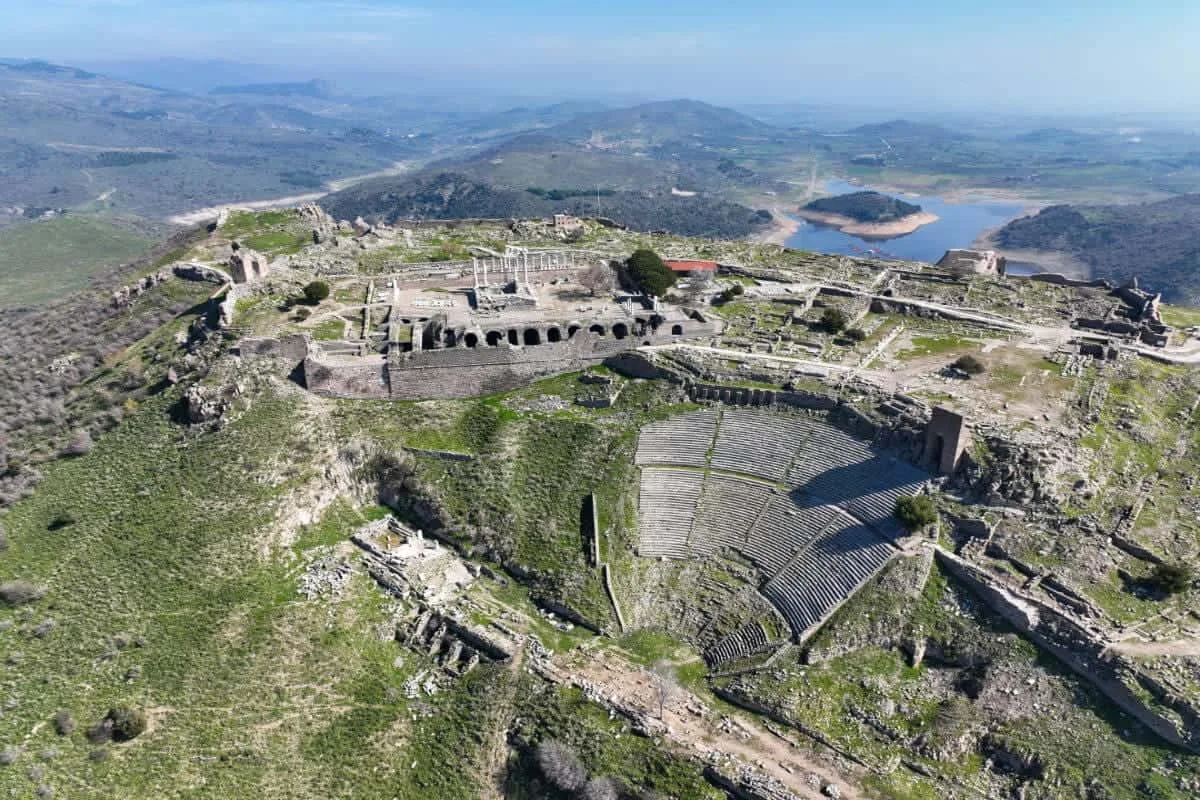
The Pergamon Theatre is a Hellenistic performance venue carved into the Acropolis hillside above Bergama, in İzmir Province, Türkiye.
 By Bilal DilsizPublished · Updated
In this guide 6 sections
The Pergamon Theatre is a Hellenistic performance venue carved into the Acropolis hillside above Bergama, in İzmir Province, Türkiye. It is part of the UNESCO-listed Pergamon cultural landscape; plan for steep, uneven walking, and check current admission and access arrangements with the site operator before setting out.
| Location | Pergamon Acropolis, above Bergama, İzmir Province, Türkiye. |
|---|---|
| Site access | The theatre is within the Acropolis archaeological site; it is not a separate venue with independently confirmed entry arrangements. |
| Admission | Current visitor fees and ticket rules for your visit are not confirmed here; check with the official operator before traveling. |
| Terrain | Expect a hillside archaeological site, uneven ground, and steep paths around the theatre; step-free access to the seating is not confirmed. |
| Time to allow | As a planning estimate, allow about two hours for the broader Acropolis visit; add time for transport, breaks, and other monuments. |
What to see at the theatre
The theatre is one of the Acropolis’s principal monuments, set into the steep terrain overlooking the Bakırçay Plain. UNESCO identifies it as an especially steep theatre within a larger composition of temples, terraces, a gymnasium, city walls, and other remains. The setting helps explain how Pergamon’s builders incorporated the hillside into the ancient city rather than treating it as a level building site.
Take time to look at the seating and the relationship between the theatre and the slope. The surrounding Acropolis also includes the remains of the Temple of Athena, the library area, the Great Altar terrace, and the Temple of Trajan. These are parts of a wider archaeological landscape, not all necessarily intact or accessible in the same way.
Historical context
Pergamon became the capital of the Attalid dynasty in the third century BC and grew into an important Hellenistic cultural and political center. Its Acropolis was developed across steep ground, where monumental buildings and public spaces formed a planned urban ensemble. Later, Pergamon also became a Roman provincial center; the UNESCO property includes remains from multiple periods in and around modern Bergama.
The theatre matters not only as a performance building but as part of this terrain-shaped design. Avoid relying on familiar claims about exact seating capacity, slope angle, or acoustics unless those details are confirmed by current on-site interpretation or a reliable archaeological source.
Getting there and planning a route
The Acropolis sits above Bergama. From town, arrange a taxi or other local transfer to the archaeological-site entrance, or check locally whether the cable-car service is operating and where its access point is. The operator’s visitor information identifies the Acropolis in Bergama, but transport schedules and service availability can change.
A practical day in Bergama is to visit the Acropolis first, then continue to the Asclepion, the ancient healing center elsewhere in town, if time and transport allow. The theatre is within the Acropolis visit, so allow time for the approach and for walking among the wider ruins rather than treating it as a quick roadside stop. UNESCO recognizes both the Acropolis and the Asclepieion as parts of Pergamon’s layered heritage.
Walking, families, and weather
Expect outdoor exposure and irregular historic surfaces. Wear supportive shoes with good grip, carry water, and take care on sloping or worn stone. The steep setting makes this a demanding visit for some people with limited mobility; confirm the current route, transport options, and any mobility assistance directly with the site before booking a visit. Available accessibility information does not establish that the theatre seating itself is wheelchair-accessible.
For families, the hillside and uneven steps call for close supervision of children. In warm or sunny weather, plan shade and water breaks; in wet conditions, allow extra care on stone paths. These are practical precautions, not a guarantee of particular weather or site conditions.
Independent visit or guided tour?
Independent visitors can focus on the theatre and explore the Acropolis at their own pace, while a guide can help place the buildings in the context of Pergamon’s history and urban plan. One supplied multi-day itinerary includes Pergamon on a four-day western Türkiye route based in Kuşadası; its schedule describes a full-day Pergamon visit, so it involves travel to the area rather than starting locally in Bergama. Check the operator’s current itinerary and inclusions before relying on it for transport or entry arrangements.
Frequently asked questions
Is the Pergamon Theatre a separate attraction?
It is part of the Pergamon Acropolis archaeological site, so confirm site entry arrangements rather than assuming a separate theatre ticket.
How much time should I allow?
About two hours is a reasonable planning estimate for the broader Acropolis visit, but your pace, transport, and time spent at other monuments will affect the total.
Is the theatre suitable for visitors with limited mobility?
The site’s hillside setting and uneven paths may be challenging. Contact the operator before visiting to confirm current access conditions and available assistance.
Can I get there by cable car?
A cable-car route is associated with access to the Acropolis, but current operation and service details are not confirmed here; check locally before depending on it.
What else can I visit in Pergamon?
The Acropolis includes other ancient monuments, and the wider Pergamon landscape also includes the Asclepieion and remains from later periods.
Before visiting, confirm current hours, closures, admission and ticket rules, transport availability, and access conditions with the official operator.
Written by
Published by One Nation Travel, a TÜRSAB-licensed travel agency (no. 6073) based in Istanbul.
Plan your trip
Pergamon tours
 10 days
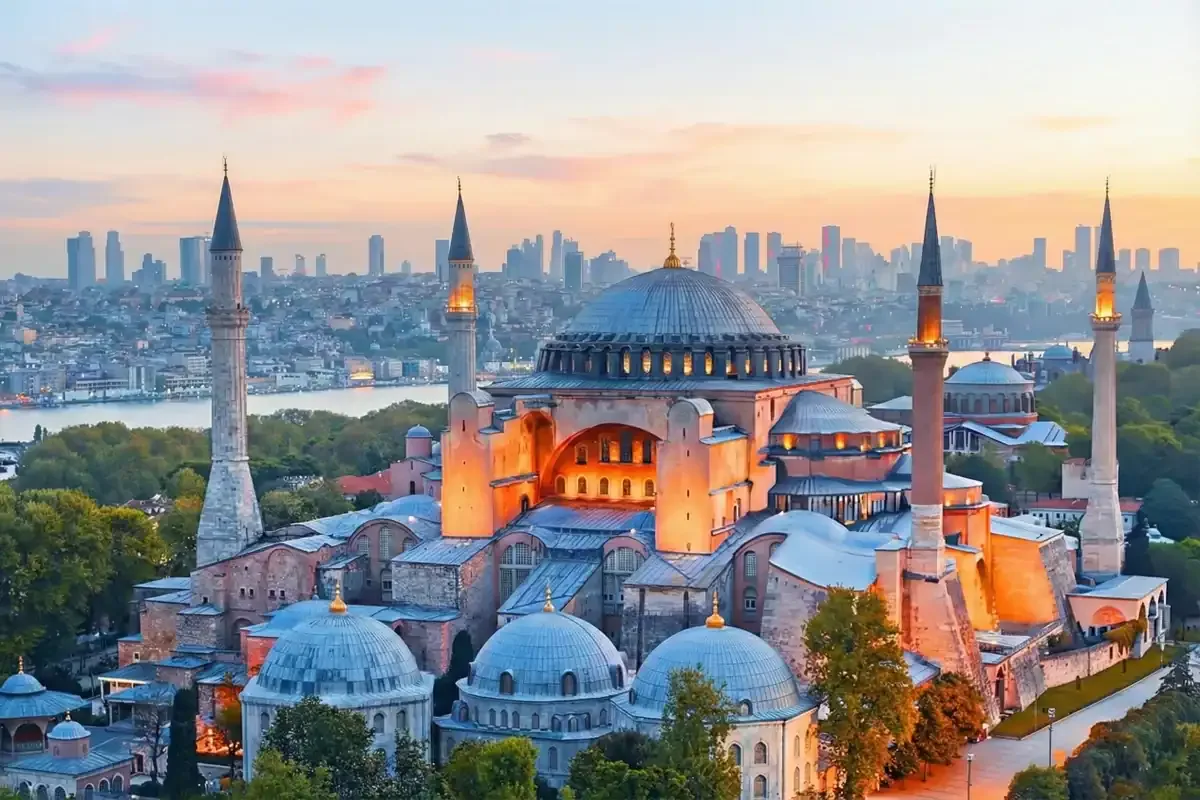
10-Day Turkey Classical Tour (Istanbul, Pamukkale, Pergamon, Ephesus, Cappadocia)
Double occupancy $1,730 per person
 2 days
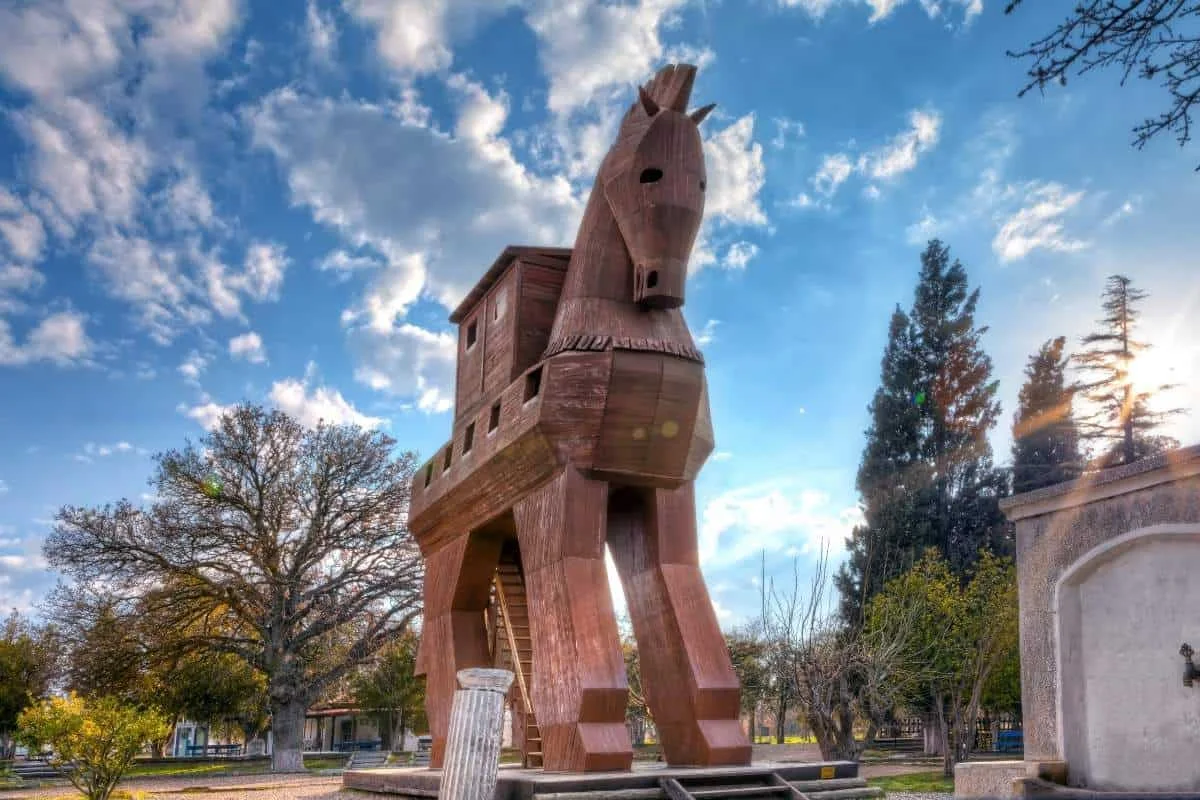
2-Day Gallipoli, Troy & Pergamon Tour from Istanbul (Ends in Kusadasi or Izmir)
From $427 per person
 2 days
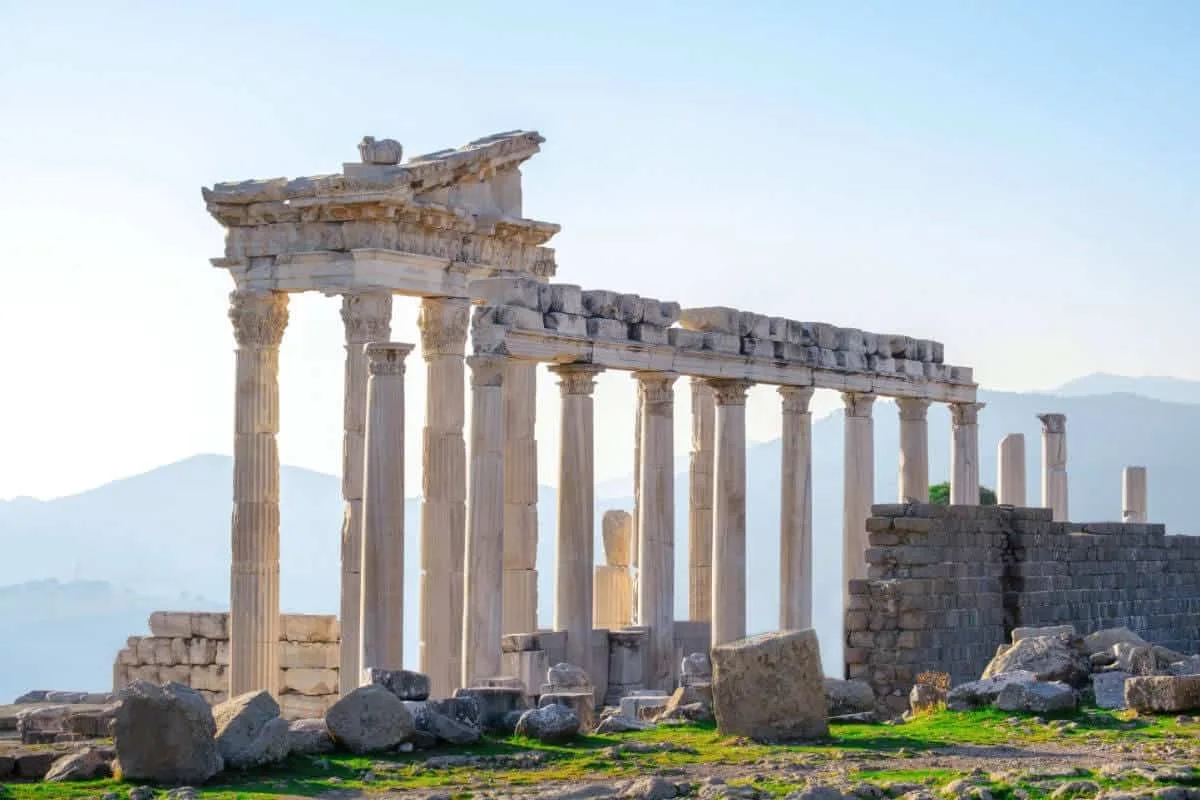
2‑Day Pergamon, Gallipoli & Troy Tour from İzmir
Double occupancy $370 per person
Not sure which tour fits your dates? Ask us on WhatsApp
Nearby
More places in Pergamon
 Pergamon
Asclepieion of Pergamon
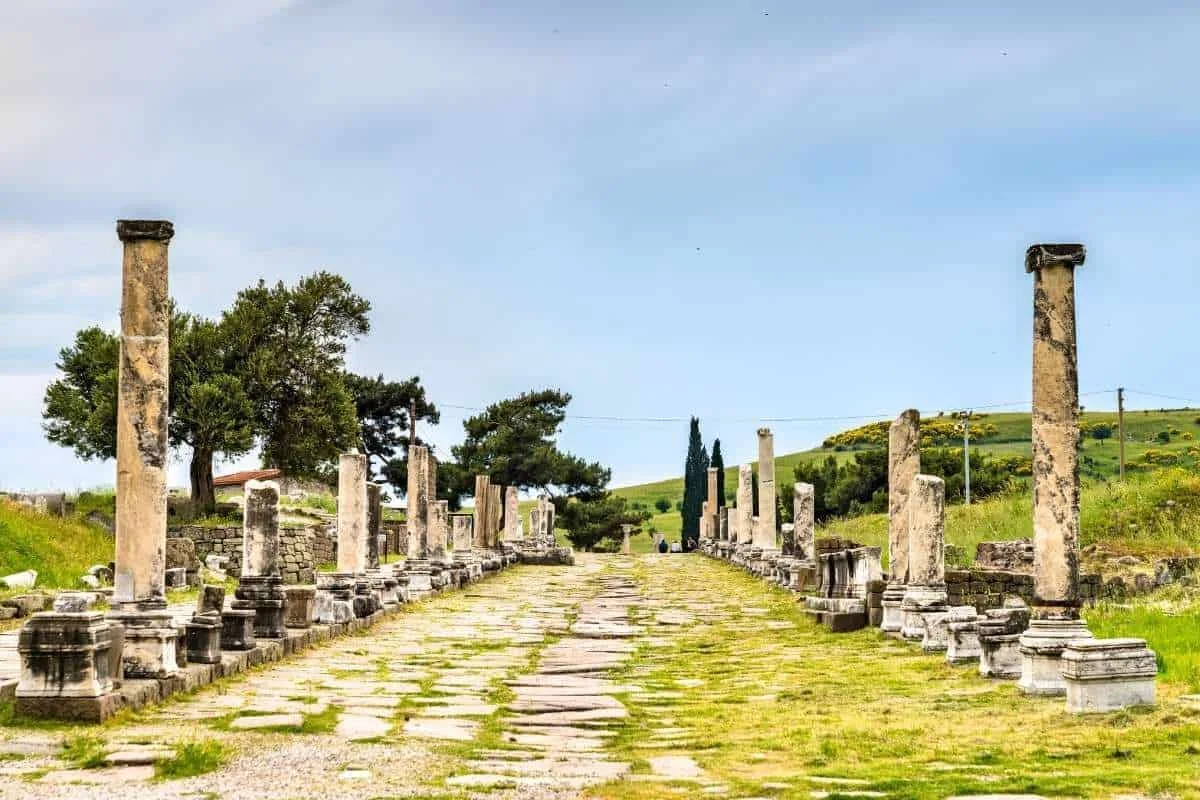
Explore the Asclepion in Bergama: its sacred way, theatre and healing sanctuary, with practical advice for a visit separate from the Acropolis.
Pergamon Library of Pergamon
High above the Aegean coastal plains of western Turkey, the ruins of a once-magnificent intellectual institution still command attention.
Pergamon Temple of Dionysus
Visit the Temple of Dionysus in Pergamon with tour prices, duration tips, and Acropolis highlights. Plan your ancient Turkey trip today!