High on the ancient acropolis of Pergamon in western Turkey, the Temple of Dionysus once greeted theatergoers with polished stone, sacred ritual, and the promise of celebration. Imagine the sound of sandals on marble, the murmur of a crowd gathering before a performance, and the scent of sun-warmed limestone rising from the terraces. This was not just a shrine—it was part of the dramatic heartbeat of ancient Pergamon.
Historical and Cultural Context
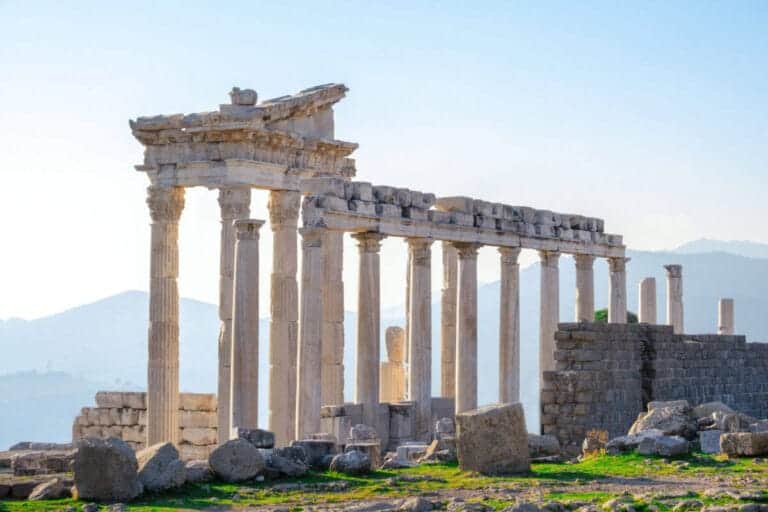
The Temple of Dionysus dates mainly to the Hellenistic period, likely the 2nd century BCE, when Pergamon flourished under the Attalid dynasty. Dionysus, the god of wine, theater, ecstasy, and renewal, held special importance here. In Pergamon, he was worshipped as Dionysus Kathegemon, meaning “Dionysus the Leader,” a divine patron associated with royal power and cultural life.
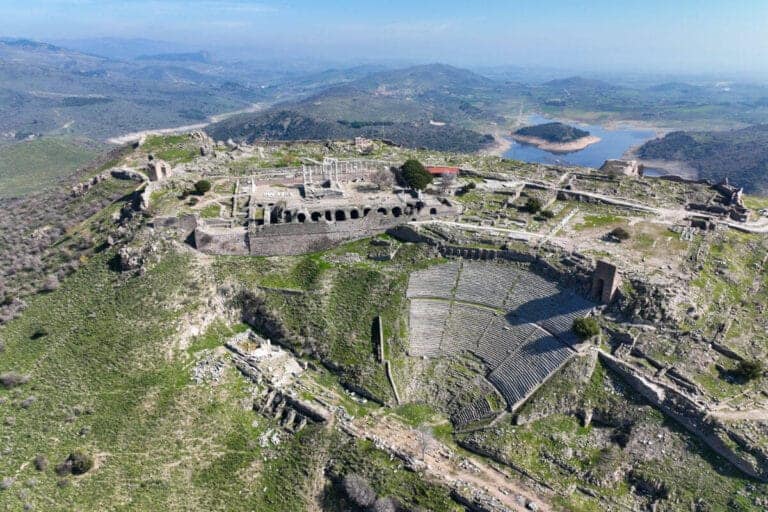
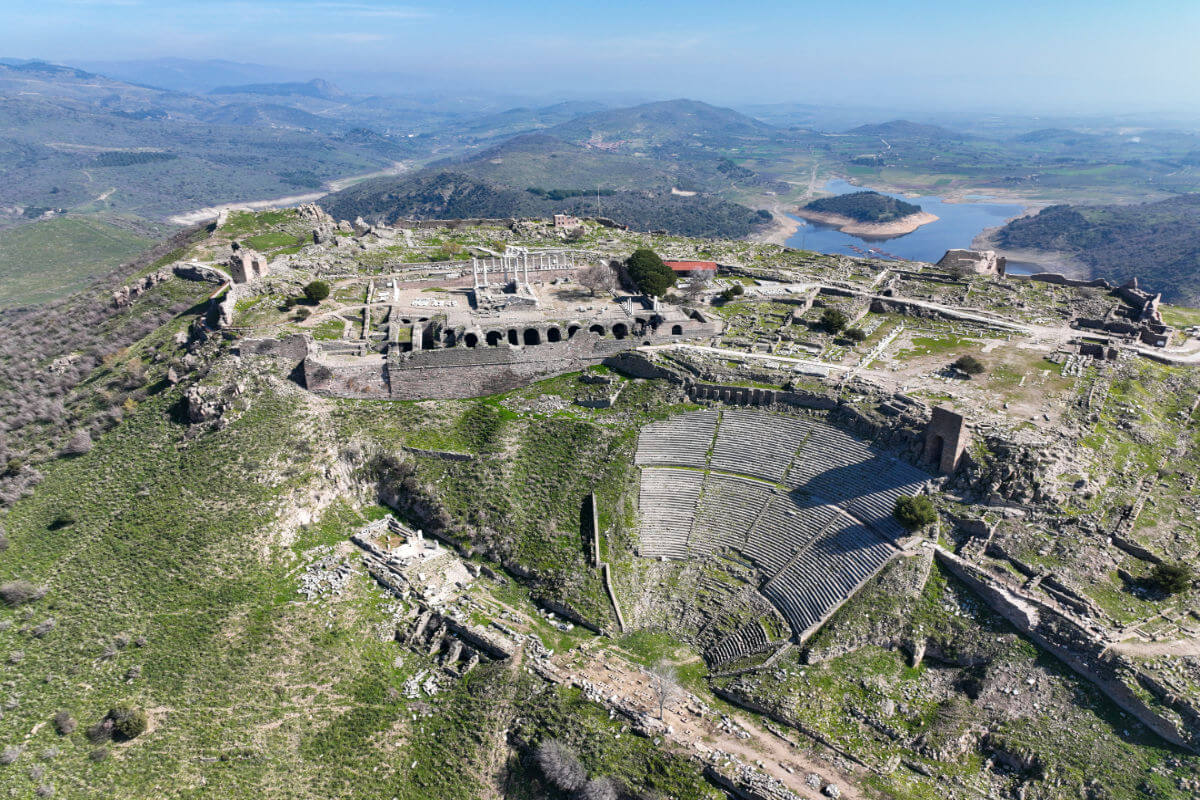
The temple stood near the great theater of Pergamon, one of the steepest ancient theaters in the world. Its placement was intentional: Dionysus was the god of drama, and his sanctuary formed a sacred companion to the performances held nearby. During the Roman period, the structure was restored and adapted, reflecting the city’s continued prestige under imperial rule.
What to See and Experience
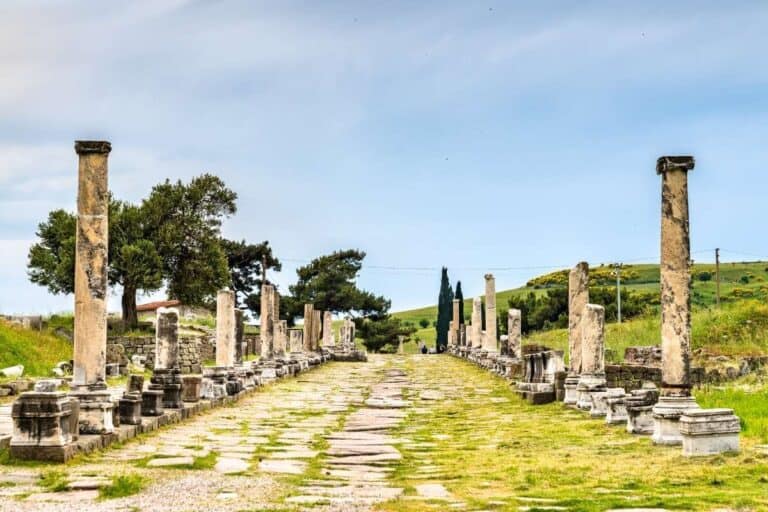
Today, the Temple of Dionysus is best appreciated through its setting. Look for the remains of the temple platform and architectural fragments that once formed an elegant Ionic-style sanctuary. From this spot, your eyes naturally travel across the acropolis—toward the dramatic slope of the Pergamon Theatre and the former location of the famous Altar of Zeus.
Stand quietly for a moment and picture the scene 2,000 years ago: priests honoring Dionysus, citizens arriving for festivals, actors preparing for performances, and music echoing against the hillside. The beauty of the site lies in how architecture, religion, and theater all meet in one windswept place.
Practical Visitor Tips
Best Time to Visit
Spring and fall are the most comfortable seasons to visit Pergamon, especially April, May, September, and October. Summer can be hot, with strong midday sun on the exposed acropolis. Arriving early in the morning gives you softer light, fewer crowds, and cooler walking conditions.
How Long to Allocate
Plan at least 1.5 to 2 hours for the Pergamon Acropolis, including the Temple of Dionysus, theater area, and surrounding ruins. Wear sturdy shoes, bring water, and allow extra time if you enjoy photography or ancient history.
Plan Your Visit
The Temple of Dionysus may be partly ruined, but its atmosphere remains powerful. It invites you to see Pergamon not only as an archaeological site, but as a city where art, belief, and performance once shaped daily life.
Plan the next step
Recommended Tours for Your Pergamon Visit
Compare tours for Temple of Dionysus by starting point, duration and itinerary. A listed stop can change with local access conditions; check the current program before booking.
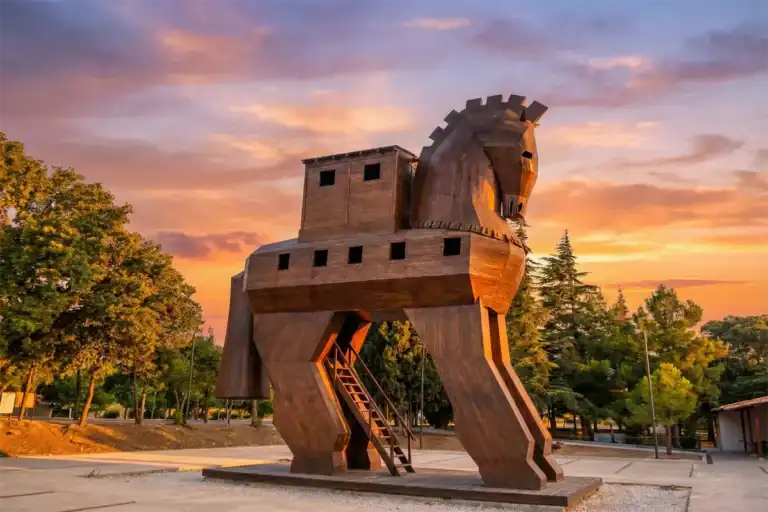
Full-Day Troy & Pergamon Tour from Çanakkale to Kuşadası
Pergamon day itinerary — check pickup details
Join One Nation Travel for a full-day historical tour exploring the ancient ruins of Troy and Pergamon while traveling from…
View Tour Details3-Day Gallipoli, Troy, Pergamon & Ephesus Tour from Istanbul
Starts from Istanbul
Discover Gallipoli's battlefields, ancient Troy, Pergamon's Acropolis and Roman Ephesus on a guided 3-day cultural tour starting from Istanbul.
View Tour Details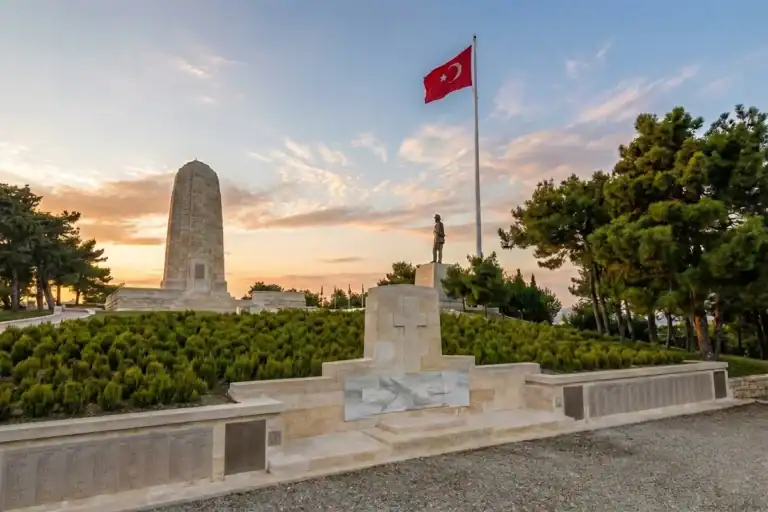
4-Day Gallipoli, Troy, Pergamon, Pamukkale & Ephesus Tour from Istanbul
Starts from Istanbul
Travel from Istanbul on a 4-day guided Turkey tour visiting Gallipoli, Troy, Pergamon, Pamukkale and Ephesus with hotels, transfers and…
View Tour Details