Explore the Stone Dovecotes of Cappadocia
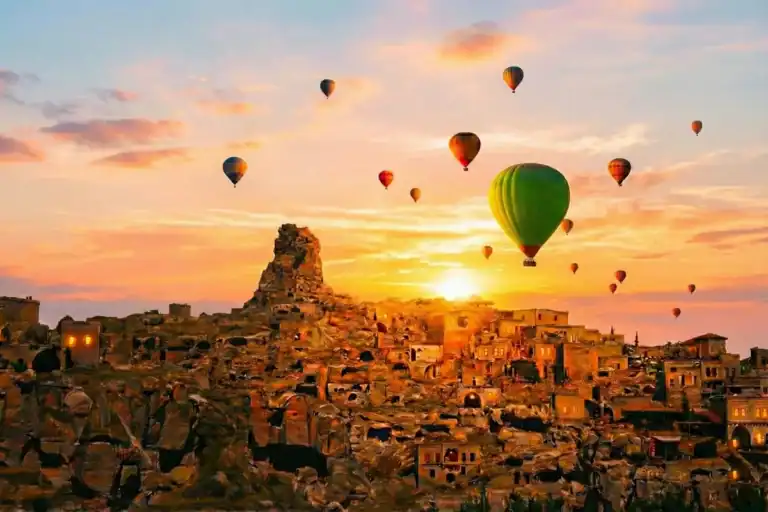
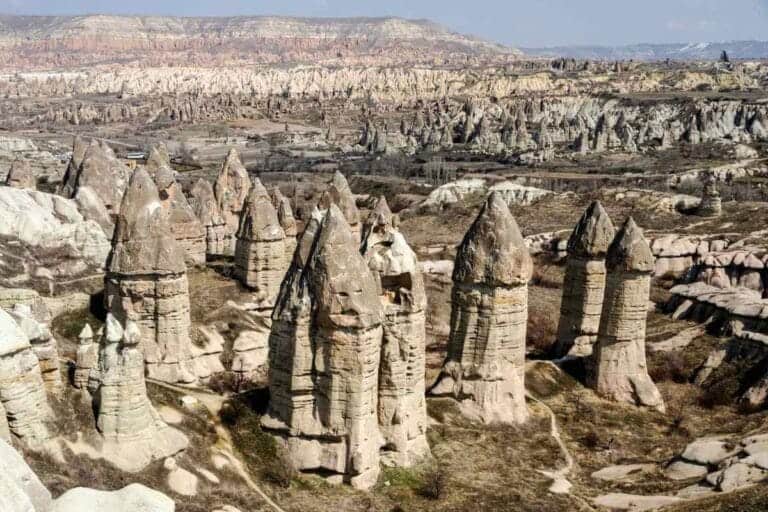
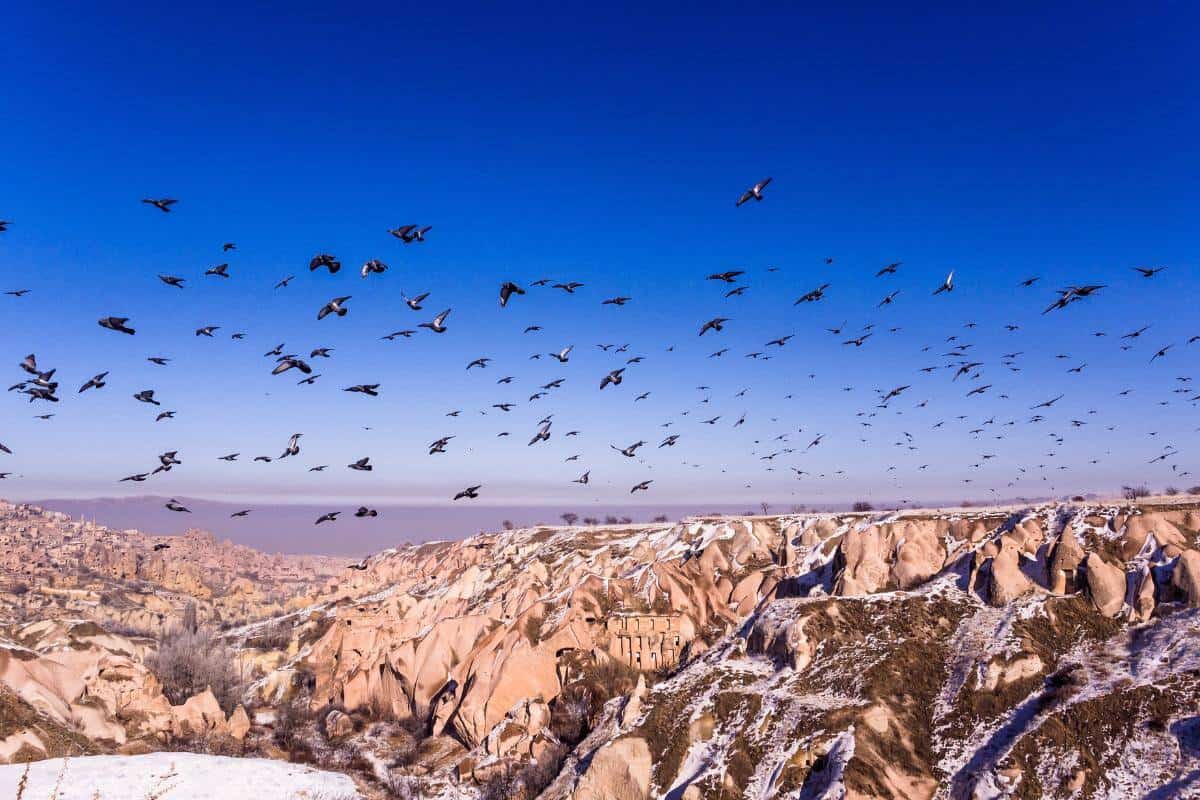
At sunrise, the soft volcanic cliffs of Cappadocia, Turkey glow in shades of honey, rose, and pale gold. Footpaths wind through sculpted rock, apricot trees, and centuries-old cave openings where birds once circled above the valley floor. Pigeon Valley is one of the region’s most atmospheric landscapes—a place where nature, farming traditions, and human ingenuity meet in the stone.
Historical and Cultural Context
Pigeon Valley takes its name from the thousands of pigeon houses carved into the soft tuff cliffs. These small openings, often framed with white plaster to attract birds, were an essential part of local life for centuries. In Cappadocia’s cave-dwelling communities, especially during the Byzantine and Ottoman periods, pigeons were valued not only for communication but also for their droppings, which local farmers used as rich fertilizer for vineyards and orchards.
This practice became especially important in a dry region where fertile soil was precious. Until chemical fertilizers became more common in the mid-20th century, pigeon guano helped nourish grapes used for Cappadocian wine, as well as fruit trees and vegetable gardens. The valley’s dovecotes are simple at first glance, but they reveal a clever agricultural system shaped by the landscape itself.
What to See and Experience
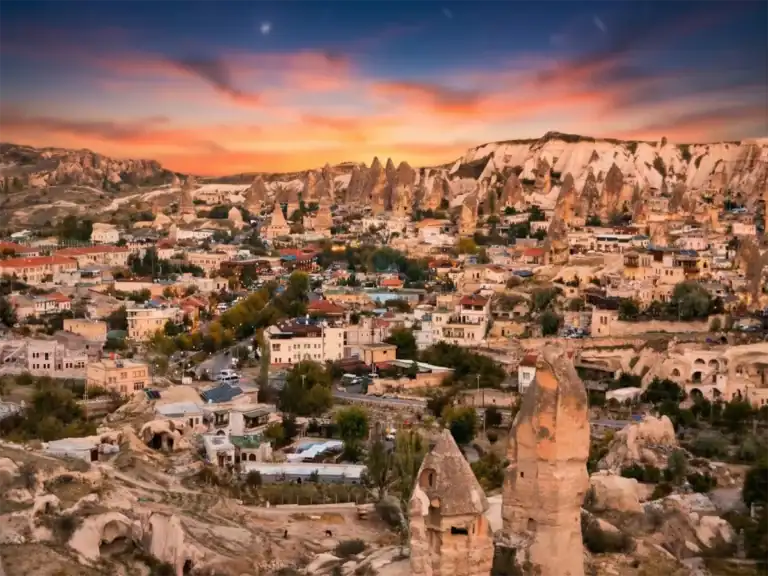
The main walking route through Pigeon Valley stretches between Göreme and Uçhisar, passing rock cones, cave rooms, and small gardens along the way. Look closely at the cliff faces and you will see rows of tiny square niches—some weathered, others still sharply cut into the stone.
As you walk, the scenery shifts constantly. One moment you are surrounded by dusty footpaths and wildflowers; the next, you are looking across rippling valleys toward the fortress-like silhouette of Uçhisar Castle. Nearby, the famous Fairy Chimneys of Cappadocia add another layer of geological drama to the region’s surreal landscape.
Practical Visitor Tips
The best time to visit Pigeon Valley is in spring, from April to June, or fall, from September to October, when temperatures are mild and the light is especially beautiful for photography. Early morning and late afternoon offer the softest colors and fewer crowds.
Plan to spend 1 to 2 hours if you want a relaxed walk with photo stops. Wear sturdy shoes, bring water, and avoid the midday heat in summer. The trail has uneven sections, so it is better suited to travelers comfortable with light hiking.
Plan Your Cappadocia Visit
Plan the next step
Recommended Tours for Your Cappadocia Visit
Compare tours for Pigeon Valley by starting point, duration and itinerary. A listed stop can change with local access conditions; check the current program before booking.
3-Day Cappadocia Tour from Istanbul (with Flights)
Starts from Istanbul
Discover Cappadocia’s fairy chimneys, Zelve cave churches, underground cities and canyons on a 3-day tour from Istanbul with an authentic…
View Tour Details
2-Day Cappadocia Tour from Istanbul: Flights, Cave Hotel & Meals
Starts from Istanbul
Guided 2-day Cappadocia tour from Istanbul with round-trip flights, cave hotel stay, meals and visits to key valleys, Avanos and…
View Tour Details
Small Group 4 Day Cappadocia & Ephesus Tour with Flights
Experience the best of Turkey on this 4-day Cappadocia & Ephesus tour from Istanbul by air. Discover magical landscapes, hot…
View Tour Details