
The practical answer: February in Cappadocia is properly wintry: expect cold days, freezing mornings, possible snow, and occasional weather-related balloon cancellations. Typical daytime temperatures are around 2–7°C (36–45°F), while nights often fall below freezing. It is a strong choice for travelers who value snowy scenery, quieter sites, and flexible balloon planning over warm hiking weather.
February suits travelers looking for a more atmospheric, less crowded side of Turkey. Snow can transform the fairy chimneys and valleys into a striking winter landscape, but this is not the month to plan a rushed overnight visit or depend on one balloon morning. The main decision is simple: are you comfortable trading predictable weather for quiet landscapes and a slower pace?
What Matters Most in February
- Expect cold conditions throughout the day, with the sharpest chill before sunrise and after sunset.
- Snow is possible and often photogenic, but trails, rural roads, and viewpoints can become icy or muddy.
- Hot air balloons operate year-round when aviation conditions allow, but wind, fog, low cloud, and snow can ground flights.
- Plan at least three nights if a balloon ride matters; multiple mornings give you a realistic weather backup.
- Flying from Istanbul to Kayseri or Nevşehir is generally the most sensible winter route.
- February can offer better value on accommodations and some tours, but confirm what is included rather than assuming winter pricing applies everywhere.
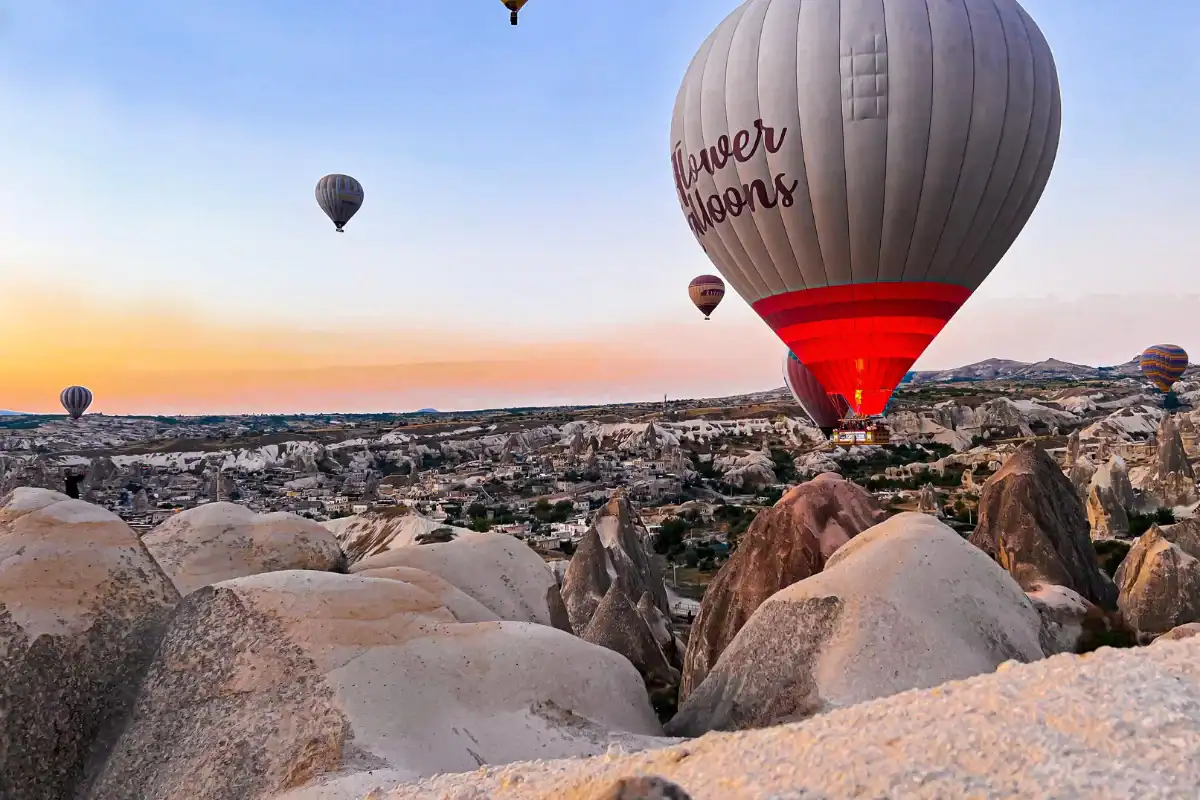
What Is Cappadocia Weather Like in February?
February falls near the end of Central Anatolia’s winter, and Cappadocia’s high elevation makes the cold feel more serious than many visitors expect. The region sits roughly 1,000 meters (3,300 feet) above sea level, so temperatures can be very different from coastal Turkish destinations.
| Condition | What to Expect | What It Means for Your Day |
|---|---|---|
| Daytime temperatures | Often around 2–7°C (36–45°F) | Comfortable enough for sightseeing with layers, but cold in shaded valleys and exposed viewpoints. |
| Early mornings and nights | Often near -5°C (23°F), sometimes colder | Dress for proper winter weather, especially if you have a sunrise balloon pickup. |
| Snow | Possible throughout the month | Excellent for photography, but can affect walking conditions and transfers. |
| Sunshine | Clear, crisp days are common between weather systems | Winter light can be beautiful, and clear mornings are favorable for balloon operations. |
| Wind and cloud | Variable and important for aviation | These are more relevant than temperature when deciding whether balloons can fly. |
The weather can change quickly. A clear, bright morning may feel manageable in direct sun, while the same temperature becomes much colder in the shade or when wind moves through an open valley. Keep your day flexible enough to swap an outdoor walk for an underground city, museum visit, Turkish bath, or long lunch if conditions turn unpleasant.
Winter planning tip: do not judge February only by the daytime high. You may be outside before dawn for a balloon pickup, then standing at a launch field or viewpoint in subfreezing temperatures. A warm coat alone is rarely enough without thermal layers, gloves, and a hat.
Does It Snow in Cappadocia in February?
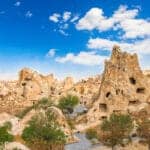
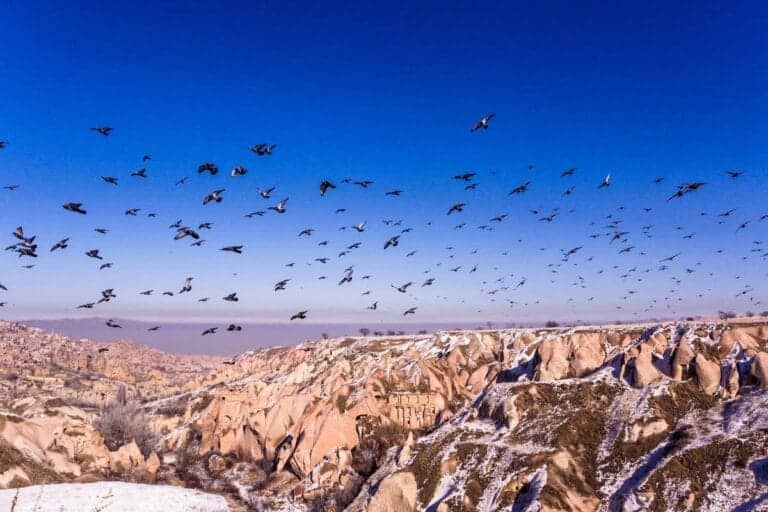
Yes, February can bring snow to Cappadocia, though the amount and how long it remains on the ground vary from one weather system to the next. Fresh snow on the rock formations around Göreme National Park, valleys, and villages is one of the month’s biggest draws.
Snow makes the landscape more dramatic, but it also changes how you should move around. Stone paths can be slick, unpaved trails can become muddy during a thaw, and wide viewpoints may be exposed to cold wind. This is a good month for short, scenic walks rather than ambitious all-day hikes unless conditions are dry and you have sturdy footwear.
For easy-access winter scenery, consider the panoramic areas around Göreme, Uçhisar, and Esentepe. For more unusual rock formations, Paşabağ (Monks Valley) can be particularly striking after a snowfall. Let local conditions determine whether a valley walk is sensible that day.
Can You Take a Hot Air Balloon Ride in February?
Yes. Cappadocia hot air balloon flights are scheduled throughout the year, and a clear winter flight over snow-covered valleys can be exceptional. But a February balloon ride should be treated as weather-dependent, not guaranteed. Flight approvals depend on safe aviation conditions, particularly wind, visibility, cloud cover, and conditions around the launch area.
Cold weather itself does not automatically stop flights. The more common issues are wind, fog, low cloud, precipitation, and unstable conditions. When a flight does operate, winter visibility can be wonderfully crisp, with clean light over the valleys and fewer balloons in the sky than during peak months.
The planning mistake to avoid is arriving for one night and booking only one balloon morning. If that single flight is grounded, there may be no practical alternative. Travelers who see the balloon ride as a priority should allow three nights where possible, creating up to three possible mornings for a flight.
A dedicated Cappadocia sunrise hot air balloon ride is worth considering if your itinerary already includes accommodation and ground arrangements. Before booking any balloon experience, verify the pickup area, estimated timing, what happens if weather prevents flying, and whether a reschedule is possible within your stay.
For additional timing advice, read the common mistakes travelers make with Cappadocia sunrise tours. The key takeaway is not to build a tightly connected onward flight, tour, or long transfer around your planned balloon morning.
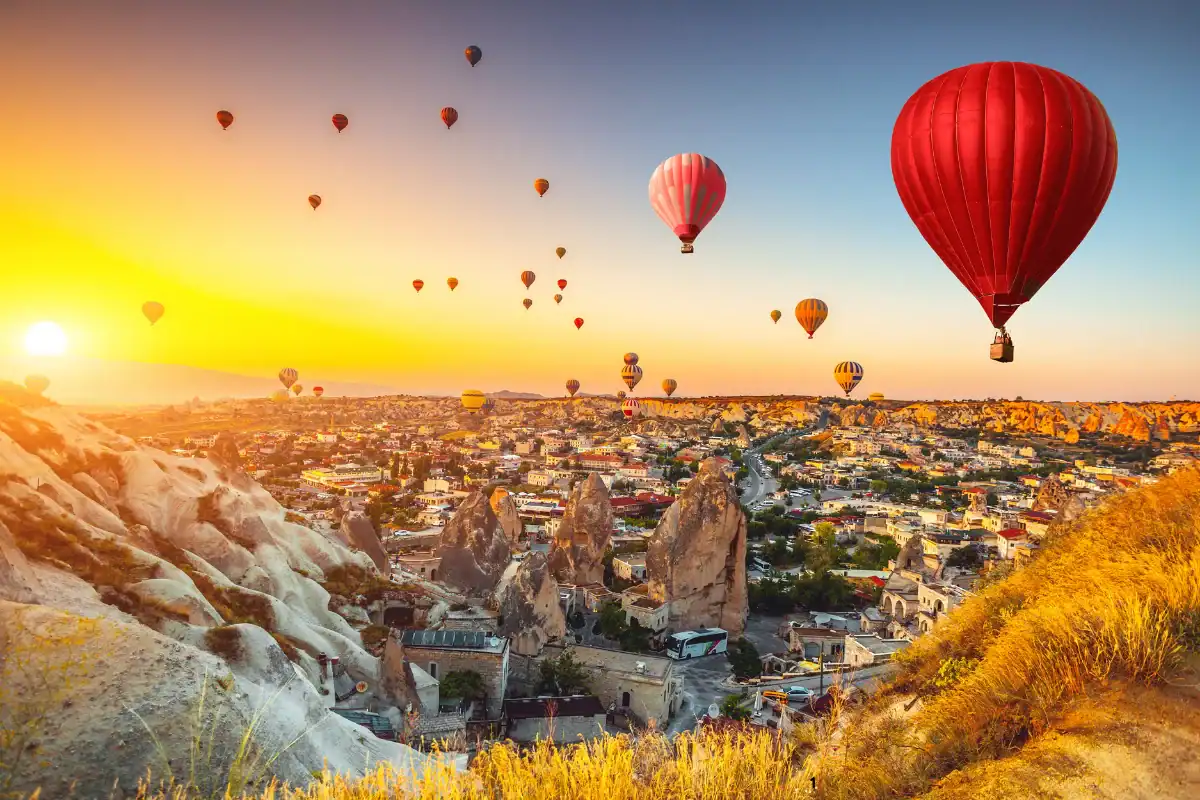
Is February a Good Time to Visit Cappadocia?
February is a good time for the right traveler. It is not the best choice for anyone who wants long, warm hiking days, outdoor dining every evening, or the highest possible chance of a balloon flight. It is an excellent choice for travelers who prefer quieter museums, moody winter scenery, cave-hotel comfort, and less competition for popular viewpoints.
February is a good fit if you want:
- Snow-dusted fairy chimneys and atmospheric winter photographs.
- Fewer crowds at major sites and viewpoints.
- A slower itinerary with time for cafés, cave accommodations, and indoor cultural stops.
- Flexibility to stay an extra morning if a balloon flight is postponed.
- Potentially softer seasonal accommodation pricing, subject to property, room type, and dates.
Consider another month if you want:
- Long valley hikes with consistently dry paths.
- A short one-night stop built around a must-do balloon flight.
- Reliable warm weather for terraces and outdoor meals.
- Driving independence without experience on winter roads.
Spring and fall are generally easier for travelers whose plans cannot move. If February is your only window, the solution is not avoiding Cappadocia; it is building a weather-aware schedule. Our Cappadocia travel guide for first-time visitors can help you decide how much time to allocate beyond the balloon ride.
What to Pack for Cappadocia in February
Pack for a real winter trip rather than a mild Mediterranean break. You will be moving between warm interiors, exposed viewpoints, uneven paths, and very cold dawn conditions.
- Thermal base layers: A top and bottom make the biggest difference on balloon mornings and valley walks.
- Insulated, windproof outer layer: A warm coat with a hood is more useful than a fashionable but lightweight jacket.
- Waterproof boots with grip: Essential for snow, slush, wet stone, and muddy trails.
- Warm accessories: Bring gloves, a knit hat, scarf or neck gaiter, and wool socks.
- Sunglasses and sunscreen: Bright winter sun and snow glare can be surprisingly intense.
- Portable charger: Phone batteries drain faster in cold weather, particularly during long mornings outdoors.
- Small daypack: Useful for carrying water, extra layers, gloves, and a dry pair of socks.
If you are joining a balloon flight, dress for standing outside in the dark before sunrise. Once the burners are operating and the sun comes up, you may warm up quickly, so removable layers are more practical than one bulky item.
Best Things to Do in Cappadocia in February
Visit the underground cities
The Cappadocia underground cities are among the best winter activities because temperatures below ground remain comparatively steady. These historic complexes also give your itinerary a useful weather-proof anchor if snow, wind, or rain makes valley walking less appealing.
Explore Göreme Open-Air Museum
The rock-cut churches, chapels, and frescoes around Göreme remain a major cultural highlight in every season. February’s lower visitor numbers can make the experience feel less rushed. Wear boots with traction, as paths can be wet or icy after snow.
Choose short, condition-dependent valley walks
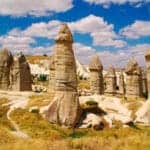
Red Valley, Love Valley, and Pigeon Valley can be rewarding in good conditions, but February is not the time to commit to a long route before checking the ground underfoot. If trails are muddy or icy, choose a guided scenic circuit or visit viewpoints rather than forcing a hike.
See quieter villages and rock formations
Mustafapaşa, formerly known as Sinassos, offers stone architecture and a slower village atmosphere. Nearby Ortahisar Castle and Paşabağ add different perspectives on the region’s geology and settlement history.
Build in a warm recovery stop
A winter schedule works better when every day has one indoor or warm option. A Cappadocia Turkish bath experience can be a welcome rest after a cold sightseeing day, while a Cappadocia Whirling Dervish show provides an evening alternative when daylight sightseeing ends early.
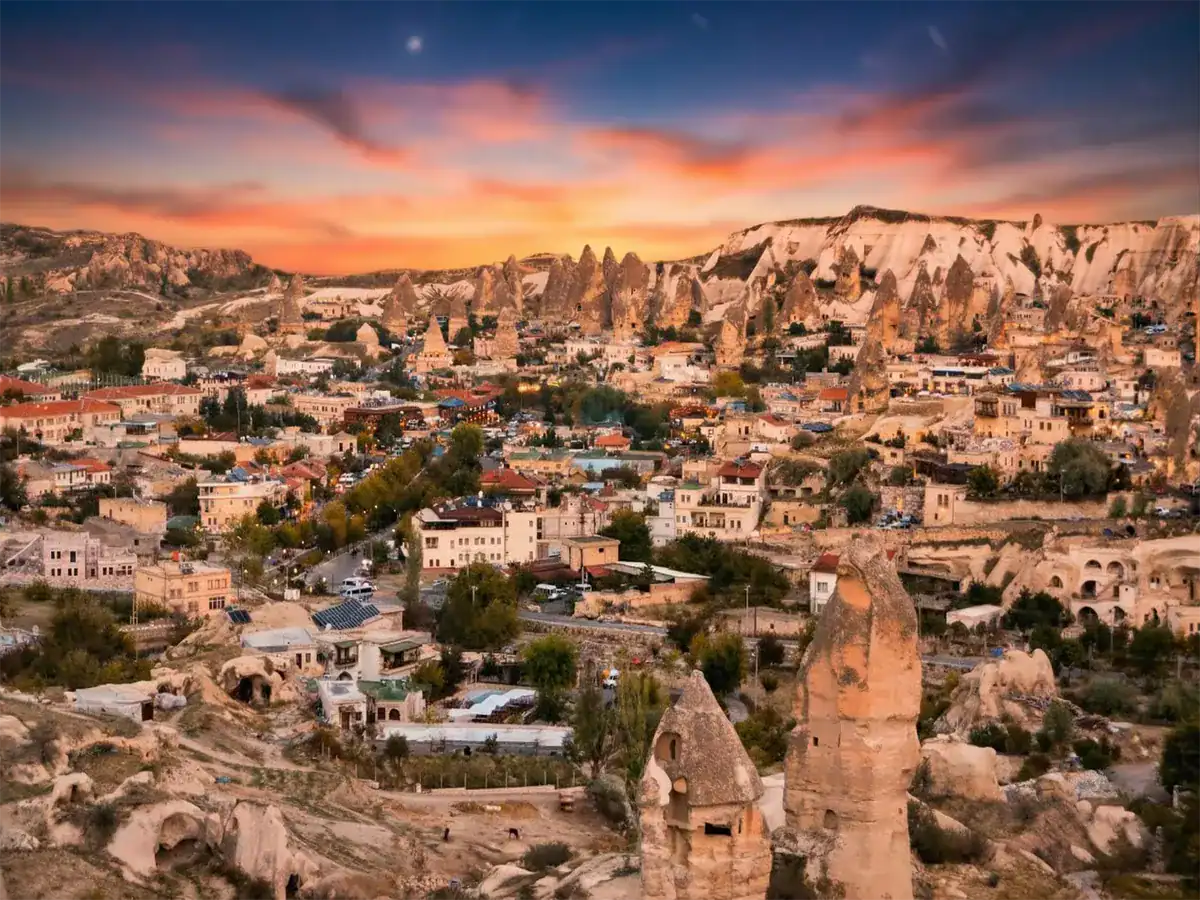
How to Get to Cappadocia in February
Most international visitors arrive in Cappadocia from Istanbul. In February, flying is generally the most practical choice because it reduces time on potentially wintry roads.
- Fly to Kayseri or Nevşehir: Flights from Istanbul take roughly 1.5 hours. From Kayseri Airport, transfers to Göreme commonly take about 60–90 minutes; Nevşehir Airport is often closer, though exact timing depends on your hotel and road conditions.
- Use pre-arranged transfers: Confirm the meeting point, luggage allowance, and whether the service operates if your flight is delayed. This is especially useful for late arrivals or snowy conditions.
- Overnight bus: It can be less expensive, but it is a long journey of around 11–12 hours and can be less appealing in winter weather.
- Rental car: Best reserved for travelers comfortable driving on snow, ice, and rural roads. Do not assume every scenic road or trailhead will be easy to access after snowfall.
Keep winter connections conservative. If your journey includes separate airline tickets, avoid scheduling a nonrefundable onward flight too soon after arrival in Cappadocia or after a morning balloon activity. For route options and timing from the city, see the Istanbul to Cappadocia travel guide.
Choosing the Right February Trip Style
Your best February itinerary depends less on how many landmarks you can fit in and more on how much weather flexibility you can afford.
One night: only for travelers with low balloon expectations
A one-night stop can work if your priority is seeing the landscape, visiting Göreme, and enjoying a cave-hotel setting. It is not a wise structure if a balloon ride is the main reason for coming, because one canceled morning can end the opportunity.
Two nights: workable, but still weather-sensitive
Two nights can provide a full sightseeing day and two potential balloon mornings. It suits travelers with a tight wider Turkey itinerary who can accept that weather may decide the outcome. Choose a schedule with airport transfers and avoid adding difficult winter hikes.
Three nights: the better February choice
Three nights provide room for a weather backup, an underground city visit, Göreme Open-Air Museum, valley viewpoints, and downtime if snow slows the day. This is the most balanced option for travelers who are specifically coming for a balloon flight.
What to verify before booking
- Whether airport transfers, accommodation, guided sightseeing, meals, and balloon rides are included or optional.
- Which airport is used and how the transfer timing works with your arrival and departure flights.
- How the provider handles weather-related balloon cancellations and whether a later flight can be attempted.
- Whether the itinerary has enough free mornings to accommodate a rescheduled balloon flight.
- Whether your accommodation has dependable heating and practical access if snow is forecast.
If you are comparing a self-planned visit with a short package, look beyond the headline price. A lower starting price may not include flights, transfers, hotel nights, entrance fees, or a balloon ride. The useful comparison is the final cost for the specific services you need and the amount of flexibility built into the schedule. For help choosing a short stay, see these short Cappadocia tour package options.
Choose your next step
Recommended Cappadocia tours
These verified options are the closest available matches for this article’s destination, route intent, and trip length.
2-Day Cappadocia Adventure with Sunrise Hot Air Balloon Ride
A 2 days Historical & Cultural Tour route covering Cappadocia.
View tour details →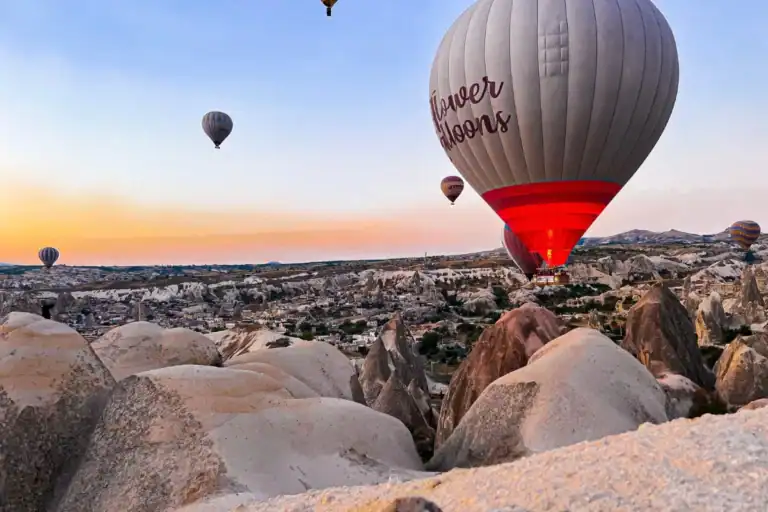
2-Day All-Inclusive Cappadocia Tour with Optional Hot Air Balloon Ride
A 2 days Cultural & Heritage Tour route covering Cappadocia.
View tour details →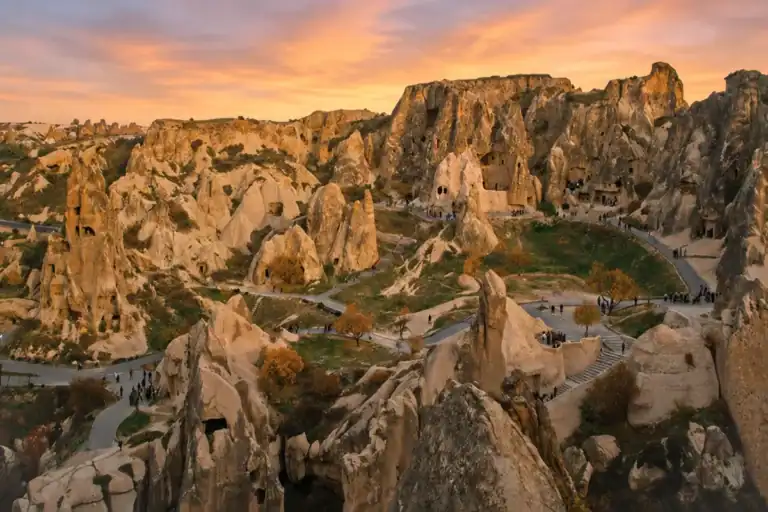
2-Day Cappadocia Tour with Göreme Open-Air Museum
A 2 days Cultural & Heritage Tour route covering Cappadocia.
View tour details →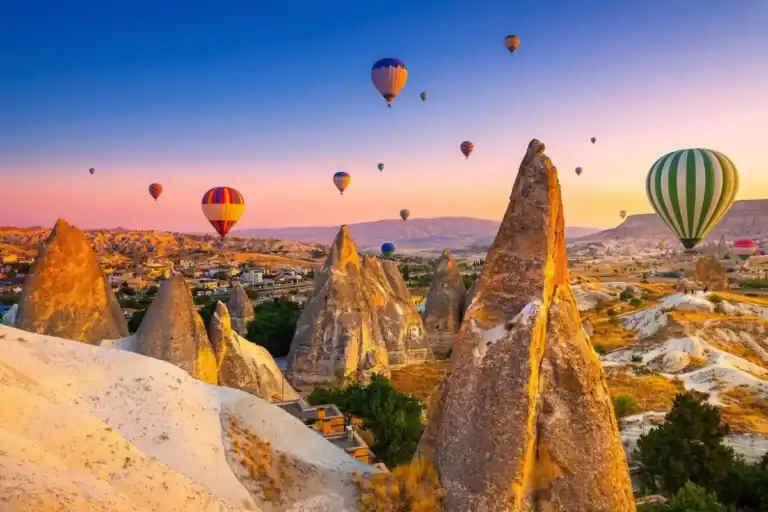
2-Day Cappadocia Tour from Kayseri or Nevşehir
A 2 days Cultural & Heritage Tour route covering Cappadocia.
View tour details →February Questions Travelers Often Ask
Are hot air balloons cheaper in Cappadocia in February?
Prices can be lower than peak-season levels, but they vary by date, operator, basket size, and demand. Treat any advertised amount as a starting point and confirm the exact flight, inclusions, and weather-cancellation arrangements before paying.
How many days should I stay in Cappadocia in February?
Three nights is the most sensible choice if a balloon ride matters. It gives you several possible flight mornings and enough time for key sights without rushing through winter conditions.
Are Cappadocia cave hotels warm in winter?
Many are comfortable in winter, but room heating, insulation, fireplaces, and bathroom warmth vary by property and room category. Confirm the heating setup directly, especially if you are booking a lower-priced cave room.
Can I hike in Cappadocia in February?
Yes, on dry days and suitable trails, but conditions can be icy, snowy, or muddy. Wear waterproof boots with grip, keep routes short, and choose viewpoints or guided driving routes when paths are unsafe.
Plan a Winter Cappadocia Trip That Leaves Room for Weather
February offers a memorable version of Cappadocia: snow on the fairy chimneys, quieter historic sites, crisp winter light, and cozy evenings after a day outdoors. The trade-off is weather uncertainty, particularly for balloon flights. Give yourself several mornings, pack for freezing temperatures, and avoid locking a winter itinerary to one narrow schedule.
If you would like help matching flights, transfers, hotel nights, sightseeing, and balloon timing to your available dates, share your plans through Plan My Trip. One Nation Travel can help coordinate a practical February itinerary with the flexibility winter travel requires.