
Introduction – Addressing the Big Question
If you’re planning a trip and wondering is it safe to travel to Turkey right now, you’re not alone. With its vibrant cities, ancient ruins, and stunning coastlines, Turkey is a dream destination for millions. But like any international destination, travelers want to understand the current safety landscape before booking flights and packing bags.
The good news? For the vast majority of tourists, Turkey is considered a safe country to visit, with millions enjoying trouble-free holidays each year. Still, being informed and prepared is the smartest way to make your trip both safe and memorable.
The Current Safety Situation in Turkey
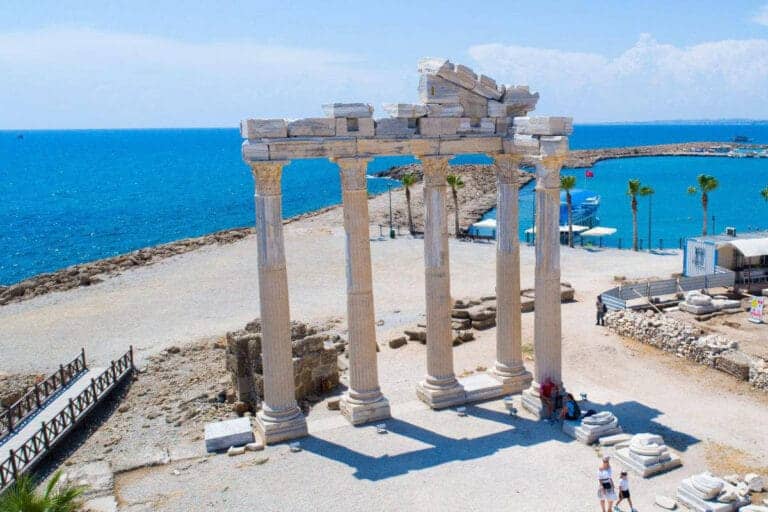
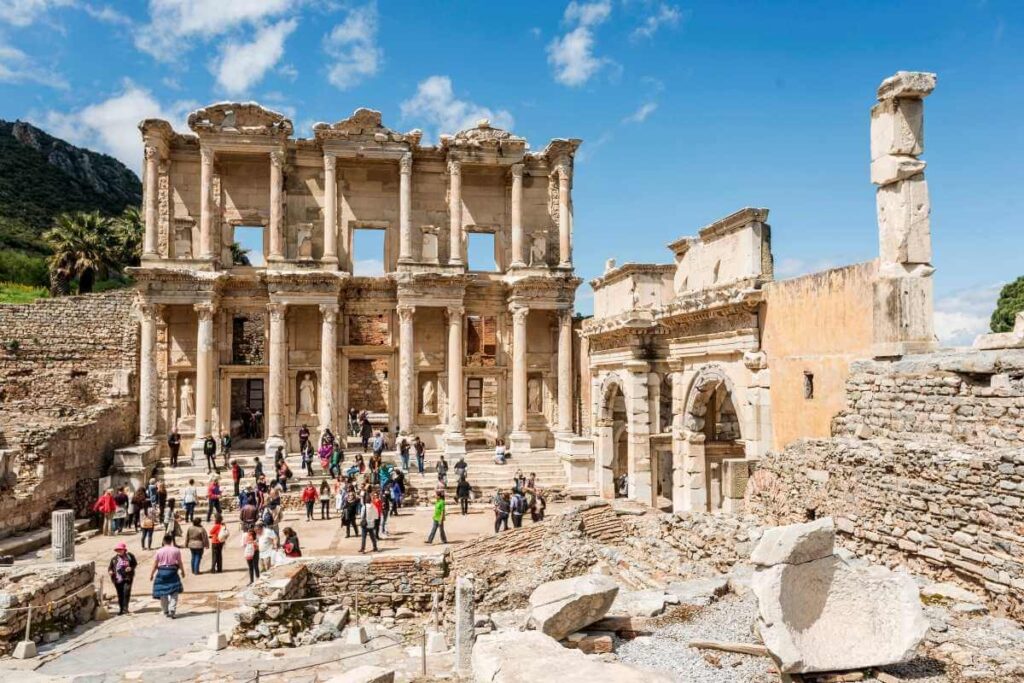
Turkey’s tourism industry is one of the largest in the world, welcoming more than 50 million visitors annually. The majority of popular tourist destinations — such as Istanbul, Cappadocia, Antalya, Pamukkale, Bodrum, and Ephesus — are considered safe for international visitors.
However, like any country, Turkey has regions and situations where extra caution is advised. While the political climate can occasionally bring protests or changes in security measures, these rarely impact major tourist zones. Government authorities maintain a strong security presence in high-traffic areas to ensure visitors’ safety.
Government Travel Advisories
Before traveling, check your country’s official travel advisory:
- US Department of State – Turkey Travel Advisory: https://travel.state.gov
- UK Foreign, Commonwealth & Development Office (FCDO): https://www.gov.uk/foreign-travel-advice/turkey
- Government of Canada Travel Advice: https://travel.gc.ca/destinations/turkey
Common Concerns for Travelers in Turkey
Crime
Petty theft, such as pickpocketing and bag snatching, can occur in busy tourist areas like Istanbul’s Grand Bazaar or crowded public transport. Violent crime against tourists is rare. The key is to stay alert and use common sense — much like you would in Paris, Rome, or Barcelona.
Scams
Common scams include overpriced taxis without meters, fake tour guides, and overly friendly strangers inviting you to expensive carpet shops or bars. Always agree on prices in advance and book tours through reputable companies.
Terrorism
While isolated incidents have occurred in the past, security forces maintain a visible presence, especially in high-profile tourist areas. The likelihood of being directly affected as a visitor is extremely low, but staying informed through reliable sources is wise.
Health and Medical
Turkey has modern hospitals in all major cities, with many doctors speaking English. Pharmacies are widespread and well-stocked. For remote areas, carry any necessary medication. Tap water is generally safe for locals, but bottled water is recommended for visitors.
Natural Events
Turkey is in a seismic zone, so earthquakes are possible, although large ones are rare. Coastal areas can have strong sun exposure — always wear sunscreen and stay hydrated.
Regional Safety Breakdown
Istanbul
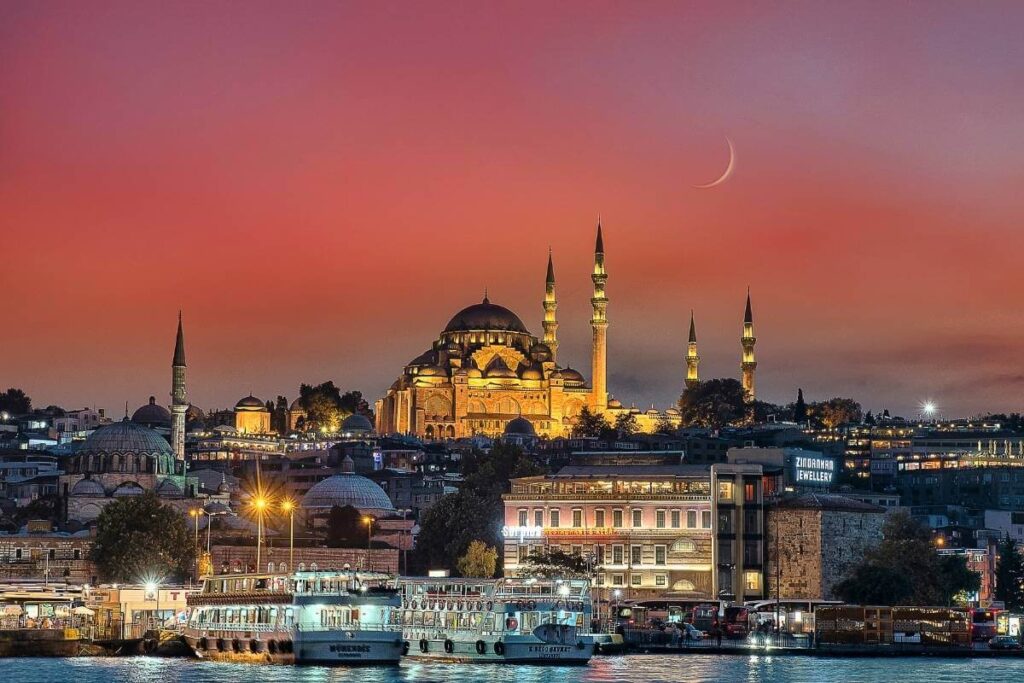
Istanbul is vibrant, historic, and bustling. The main tourist areas — Sultanahmet, Galata, Taksim, Kadıköy — are generally safe, especially during the day. Pickpocketing can occur in crowded spots like trams or bazaars, so keep valuables secure. Avoid poorly lit side streets late at night.
Cappadocia
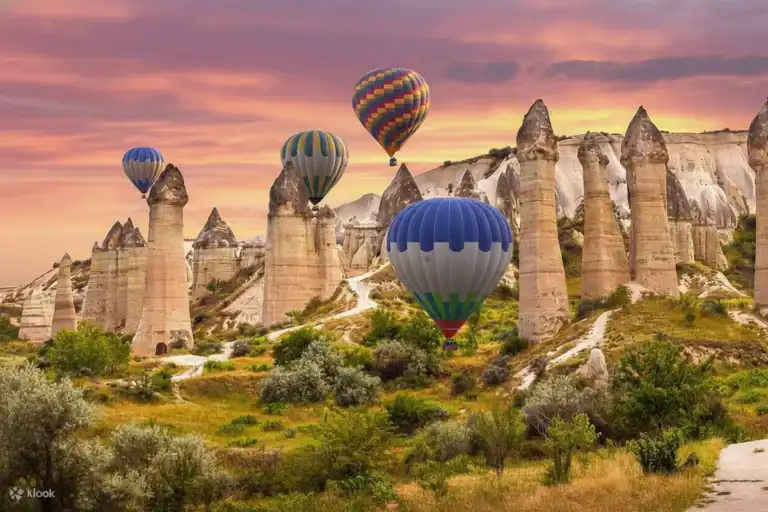
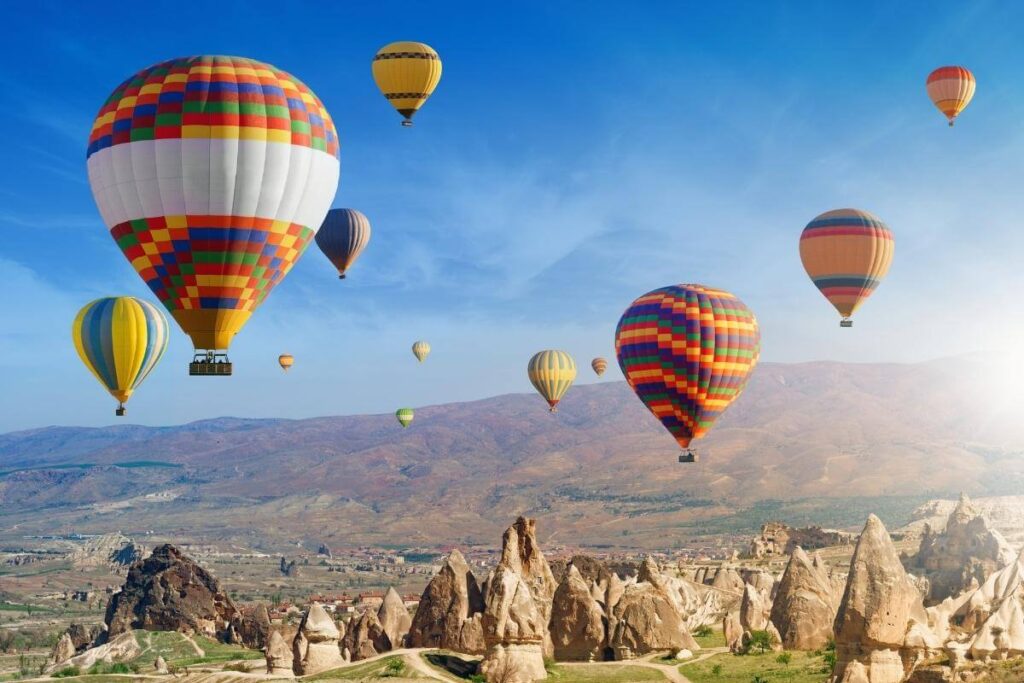
Cappadocia is one of Turkey’s safest regions for travelers. Towns like Göreme, Ürgüp, and Uçhisar are peaceful and welcoming. Most visits are centered on outdoor activities such as hot air balloon rides, hiking valleys, and visiting open-air museums — all in low-crime areas.
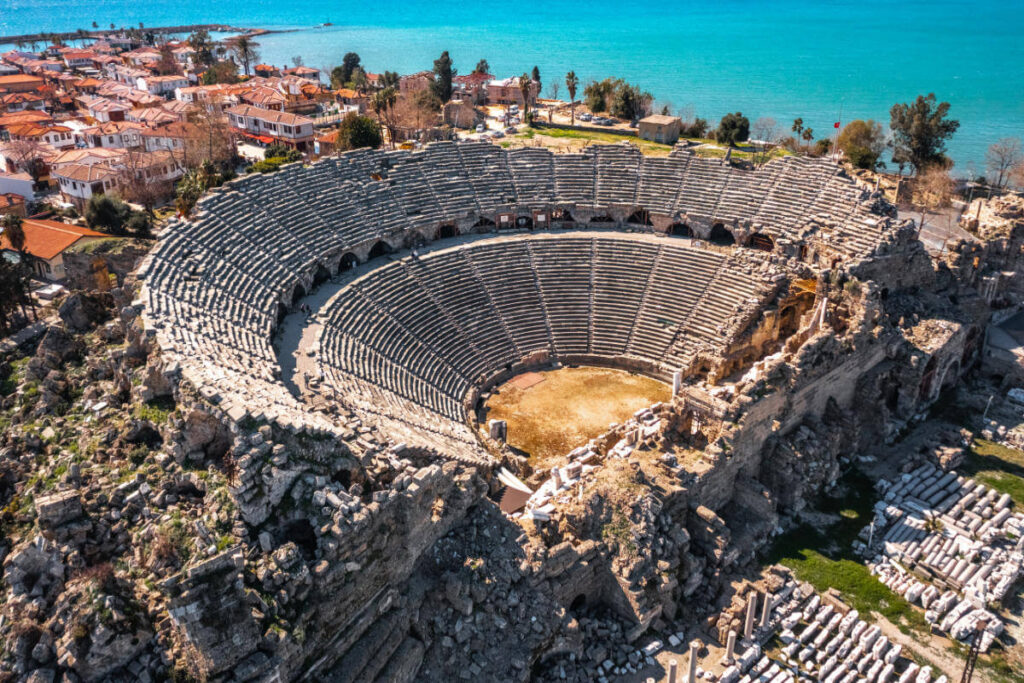
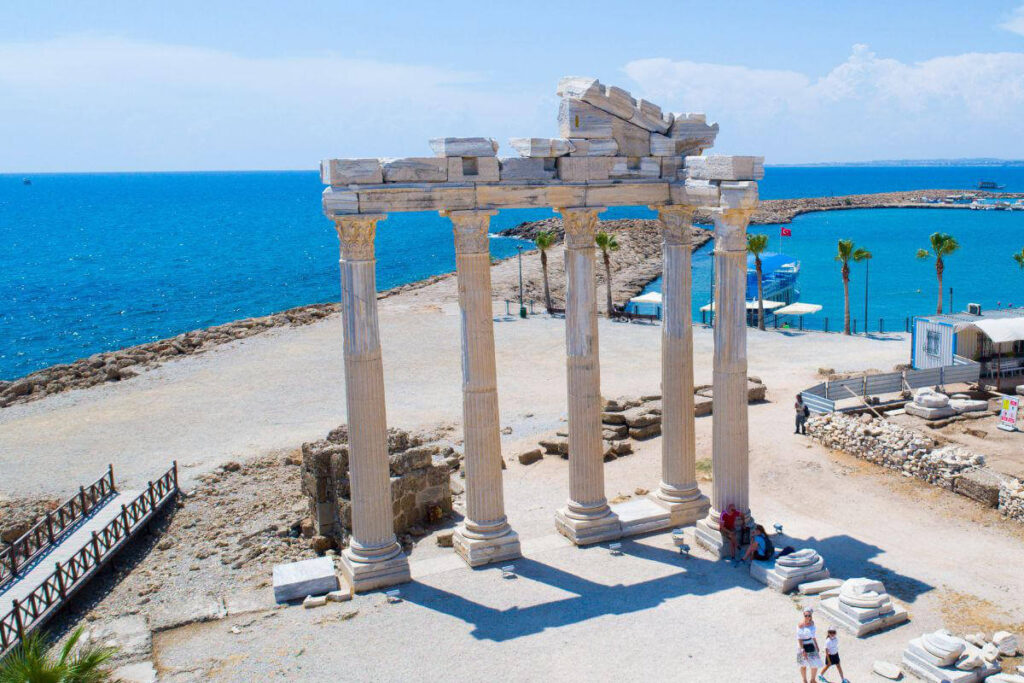
Mediterranean and Aegean Coast (Antalya, Bodrum, Fethiye)
These resort regions are designed for tourism and have excellent safety records. Minor theft can happen on beaches, so never leave belongings unattended. Swimming in designated areas is recommended.
Eastern Turkey
While there are breathtaking landscapes and cultural treasures, some areas near the Syrian and Iraqi borders have travel advisories due to political instability. Unless you are with an experienced guide or on an organized tour, it’s best to avoid these zones.
Practical Safety Tips for Tourists
Transportation Safety
Use official yellow taxis or ride-hailing apps like BiTaksi. Insist on using the meter.
Istanbul’s metro and tram systems are safe and efficient. Avoid rush-hour crowds if you can.
Turkey’s domestic airlines are reliable and affordable, making them ideal for longer distances.
Money Safety
Use ATMs inside banks or shopping centers to reduce the risk of card skimming.
Keep a small amount of cash for small purchases; credit cards are widely accepted.
Store your passport and extra cash in a hotel safe.
Cultural Etiquette
Dress modestly when visiting mosques — women should bring a scarf to cover their head, and both men and women should cover shoulders and knees.
Remove shoes before entering mosques or some private homes.
A friendly “Merhaba” (hello) goes a long way in creating positive interactions.
Avoiding Scams
Book tours, balloon rides, and excursions through reputable companies like One Nation Travel.
Politely decline unsolicited offers for “special deals” in markets or tourist zones.
Always confirm prices before accepting services.
Solo Female Traveler Advice
Turkey is generally safe for solo female travelers, particularly in tourist hubs. Modest dress, especially in rural areas, can help avoid unwanted attention. Women may experience occasional curiosity or friendliness, but harassment is uncommon in tourist zones. Night travel should be limited to well-lit and busy areas.
Travel Insurance and Emergency Information
Travel insurance is strongly recommended. It should cover medical emergencies, trip cancellations, and personal belongings.
Emergency Numbers in Turkey
Police: 155
Ambulance: 112
Fire: 110
Tourist Police (Istanbul): +90 212 527 45 03
Major Embassies in Ankara
US Embassy: +90 312 455 55 00
UK Embassy: +90 312 455 33 44
Canadian Embassy: +90 312 409 27 00
Australian Embassy: +90 312 459 95 00
Best Practices for a Safe and Enjoyable Trip
Stay in reputable hotels or guesthouses with good reviews.
Avoid political demonstrations or large gatherings.
Keep a digital copy of your passport and travel documents.
Learn a few basic Turkish phrases — it’s appreciated and can help in emergencies.
Trust your instincts; if a situation feels uncomfortable, remove yourself.
Adventurer’s FAQ
Is Turkey safe for American and European tourists?
Yes, most tourist destinations are very safe, with millions visiting annually without incident.
Is it safe to travel to Turkey alone?
Yes, especially in popular tourist cities like Istanbul and Cappadocia. Common sense safety applies.
Can I drink tap water in Turkey?
While it’s safe in many places, bottled water is recommended for visitors.
Is it safe to travel to Eastern Turkey?
Some areas near the borders are best avoided unless with a reputable guide due to ongoing regional tensions.
Do I need vaccines to visit Turkey?
No special vaccines are required, but standard travel immunizations are recommended.
Conclusion
So, is it safe to travel to Turkey right now? For the overwhelming majority of visitors, the answer is yes. By staying informed, taking common-sense precautions, and respecting local customs, you can enjoy a safe, rewarding journey through one of the most fascinating countries in the world. From Istanbul’s architectural marvels to Cappadocia’s dreamlike landscapes, Turkey promises an unforgettable travel experience.