
The quick answer: For most first-time visitors, the best places to visit in Turkey are Istanbul, Cappadocia, Ephesus, Pamukkale, and Antalya. Together, they offer major imperial landmarks, dramatic volcanic scenery, Roman archaeology, thermal landscapes, and Mediterranean coast time. A seven- to ten-day trip can cover the highlights, but your route should prioritize a few regions rather than trying to cross the entire country.
Turkey is a large country with long distances between its headline attractions. The most important planning decision is not which famous place to add next; it is choosing a route that leaves enough time to enjoy each stop without spending every other day in airports, on highways, or checking into a new hotel. Our 7 day turkey tour packages are built around exactly that balance.
What to Know Before Choosing Your Turkey Route
- Istanbul, Cappadocia, and Ephesus are the strongest core itinerary for a first visit focused on culture, landscapes, and archaeology.
- Allow at least three full days in Istanbul and two nights in Cappadocia; three Cappadocia nights are better if a hot-air balloon flight matters to you.
- Add Pamukkale for its travertines and Hierapolis, or Antalya for beaches and a relaxed coastal base. Trying to do both on a short trip usually creates too much transit time.
- Domestic flights are most useful for Istanbul–Cappadocia and Istanbul–İzmir or Denizli connections. Use road travel for logical Aegean sequences such as Pamukkale, Ephesus, Pergamon, Troy, and Gallipoli.
- April through June and September through October are generally the easiest months for a multi-stop itinerary. Summer works best when beach time is a priority.
Best Places to Visit in Turkey for a First Trip

Istanbul: The Essential Starting Point
Istanbul is the natural opening stop for most international travelers because it has the country’s broadest flight network and enough major sights for at least three full days. The historic core is walkable, but the leading landmarks deserve more than a rushed half-day.
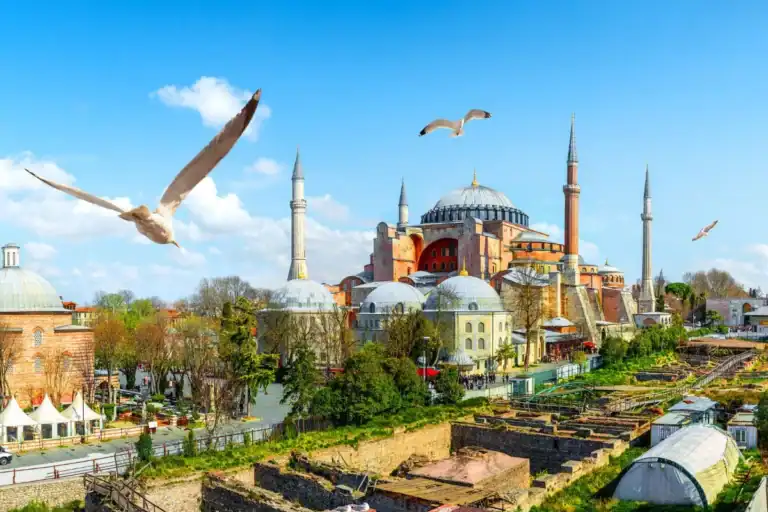
Start around Sultanahmet with the Hagia Sophia Grand Mosque, the Blue Mosque, and the Topkapi Palace Museum. Plan a separate visit for the Grand Bazaar and Spice Bazaar, then reserve an afternoon or evening for a Bosphorus cruise.
Don’t schedule too much on arrival day. Istanbul Airport and Sabiha Gökçen Airport are both outside the old city, and traffic can materially affect transfer times. Travelers with only one Istanbul night often miss the city’s best part: having enough time to wander neighborhoods such as Karaköy, cross the Galata Bridge, or sit down for an unhurried meal after the museums close. Our 8 day turkey tour from Washington DC keeps the Istanbul arrival day free to settle in.
Cappadocia: Volcanic Landscapes, Valleys, and Balloon Flights
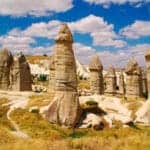
Cappadocia is a broad region rather than one single town. Göreme, Uçhisar, Ürgüp, Avanos, and Ortahisar are all possible bases, with different hotel styles, views, and driving times. The region earns its place on nearly every first Turkey itinerary because of its fairy chimneys, rock-cut churches, cave dwellings, valleys, and underground settlements.
Two nights is the minimum practical stay, but three nights is the better choice if you hope to fly in a hot-air balloon. Flights operate around sunrise and depend on weather and aviation approval, so book your balloon for the first available morning rather than your final day. If it is canceled, your remaining mornings give you another chance.
Even without ballooning, Cappadocia has plenty to justify the journey. Visit Göreme National Park, see the rock formations of Pasabag Monks Valley, and consider a guided visit to a Cappadocia underground city. Underground complexes can involve low ceilings, tight passages, and uneven surfaces, so they are not suitable for every traveler.
Practical note: Cave-style hotels vary considerably. Before booking, ask about stairs, room access, natural light, heating or air-conditioning, and whether a terrace is private or shared.
Ephesus: Turkey’s Most Accessible Major Roman City
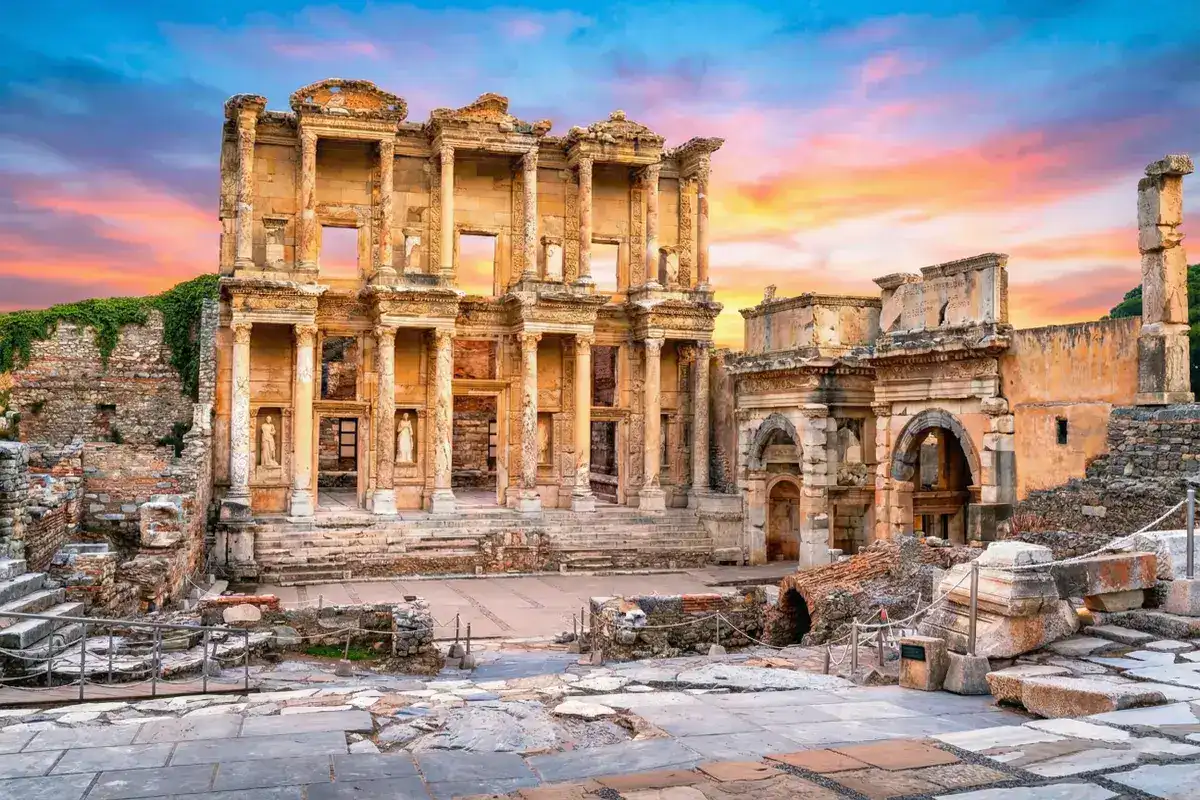
Near Selçuk on the Aegean coast, Ephesus is one of the country’s most rewarding archaeological sites. The marble streets, public buildings, baths, fountains, and theaters make it easier to understand than many ancient ruins, even for travelers who are not usually archaeology-focused.
The key sights include the Library of Celsus, Curetes Street, and the Great Theatre of Ephesus. Travelers with extra time can add the House of the Virgin Mary, the Basilica of Saint John, and the Terrace Houses, which require a separate admission and include stairs.
Visit close to opening time in late spring or summer. Shade is limited, marble reflects heat, and the site becomes much less comfortable by midday. For more first-trip planning help, see our Turkey travel tips for 2026.
Turkey’s Best Natural and Coastal Stops
Pamukkale: Travertines and the Ancient City of Hierapolis
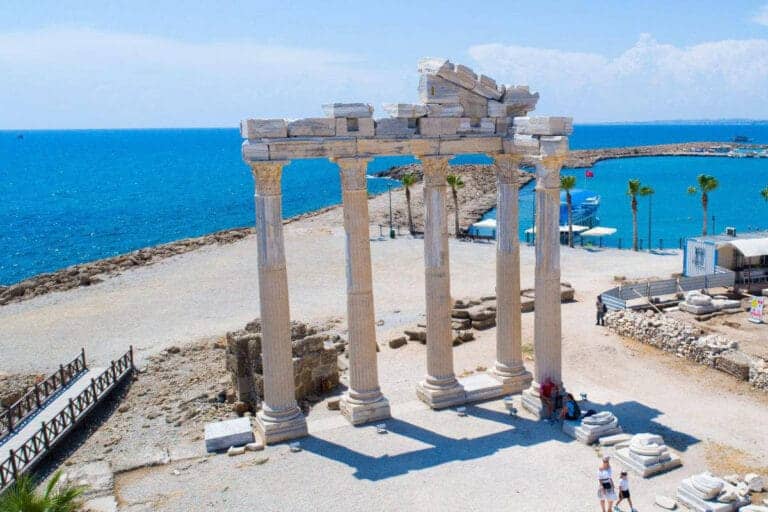
Pamukkale is famous for white calcium terraces created by mineral-rich thermal water, but it is best visited as a combined natural and historical destination. The ancient spa city of Hierapolis stands above the terraces, with a theater, extensive necropolis, and Roman-era remains.
Wear footwear that is easy to remove and carry. Visitors must go barefoot on designated sections of the travertines, and wet limestone can be slippery. Water levels vary according to season and conservation management, so travelers should not expect every pool to be full.
The Cleopatra Pool at Pamukkale is a separate paid experience rather than part of standard site admission. It can be appealing after a hot sightseeing day, though the pool is often busiest in the middle of the day. Read our practical guide on what to see in Turkey in five days if you are deciding whether Pamukkale fits a shorter route.
Antalya: Best for a Beach-and-History Combination
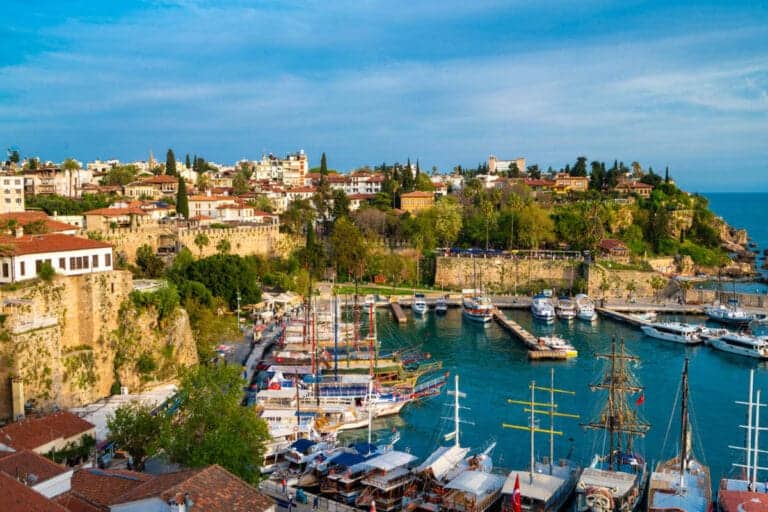
Antalya suits travelers who want Roman ruins, Mediterranean swimming, and a comfortable city base. Its old quarter, Kaleiçi, has narrow streets, restored historic houses, restaurants, and a harbor area that works well for an evening walk.
For archaeology, allow a full day for Perge Ancient City and the Aspendos Theater. Perge has a broad colonnaded avenue, stadium remains, and substantial city ruins, while Aspendos is known for its exceptionally preserved Roman theater.
Antalya is particularly attractive from late spring through early fall. July and August are excellent for swimming but can be demanding for ruins and outdoor walking. If you are planning a summer trip, our guide to the best beaches in Antalya can help you decide whether to add more coastal time.
Best Additions for History-Focused Travelers
Gallipoli and Troy
Gallipoli is an important stop for visitors interested in First World War history, particularly travelers from Australia, New Zealand, Turkey, Britain, and Ireland. Sites including Anzac Cove, Chunuk Bair, cemeteries, and the Lone Pine Monument benefit from thoughtful guiding and adequate time.
Troy is nearby but offers a very different experience. It is an archaeological site with multiple settlement layers rather than a fully preserved ancient city. A guide helps distinguish the evidence on site from the Homeric stories most visitors know.
Pergamon and Göbeklitepe
Pergamon is a logical addition on a north-to-south Aegean route between Troy and Ephesus. Its hilltop acropolis has sweeping views and a steep ancient theater, while the Asclepieion was an important healing sanctuary located separately from the acropolis.
For travelers deeply interested in early human history, Göbeklitepe near Şanlıurfa is one of Turkey’s most important archaeological destinations. It requires a separate southeastern extension and should not be treated as a quick side trip from Cappadocia. Plan at least one overnight stay in the region.
Which Turkey Route Fits Your Available Time?
| Trip length | Best route | Who it suits |
|---|---|---|
| 4–6 days | Istanbul and Cappadocia | First-time visitors who want iconic city sights and landscapes without constant packing. |
| 7–8 days | Istanbul, Cappadocia, Ephesus, and Pamukkale | Travelers comfortable with one or two domestic flights and a quicker pace. |
| 9–11 days | Istanbul, Cappadocia, Pamukkale, Ephesus, plus Antalya or Pergamon | Visitors who want more archaeological depth or beach time. |
| 12–15 days | Grand route with Gallipoli, Troy, Pergamon, Konya, Antalya, or southeastern Turkey | Travelers who prefer fewer rushed transfers and broader regional context. |
Before confirming a route, verify which airports are being used, whether intercity travel is by flight or road, hotel locations, entrance fees, and optional activity costs. Cappadocia balloon flights, the Cleopatra Pool, Bosphorus cruises, and some museum sections may be separate from a standard sightseeing program.
For a first multi-stop trip, April through June and September through October are usually the most balanced periods. Summer is the better choice for Antalya and the Aegean coast, while winter can offer lower demand but colder Cappadocia mornings and a higher chance of weather-related balloon or flight disruption. Our best month for a first Turkey trip guide explains the seasonal trade-offs in more detail.
Choose your next step
Recommended Turkey tours
These verified options are the closest available matches for this article’s destination, route intent, and trip length.
15-Day Grand Turkey Tour
A 15 days Cultural & Heritage Tour route covering Turkey.
View tour details →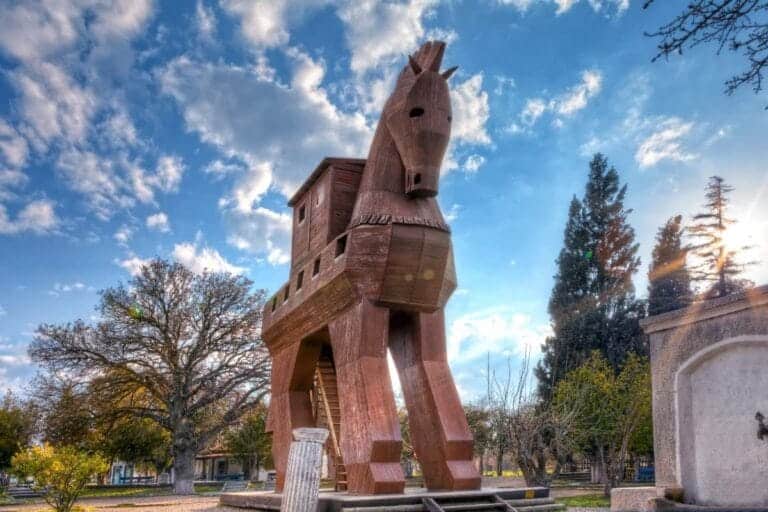
13-Day Turkey Highlights Tour
A 13 days Cultural & Heritage Tour route covering Turkey.
View tour details →
6-Day Best of Turkey Tour from Istanbul
A 6 days Cultural & Heritage Tour route covering Turkey, Istanbul.
View tour details →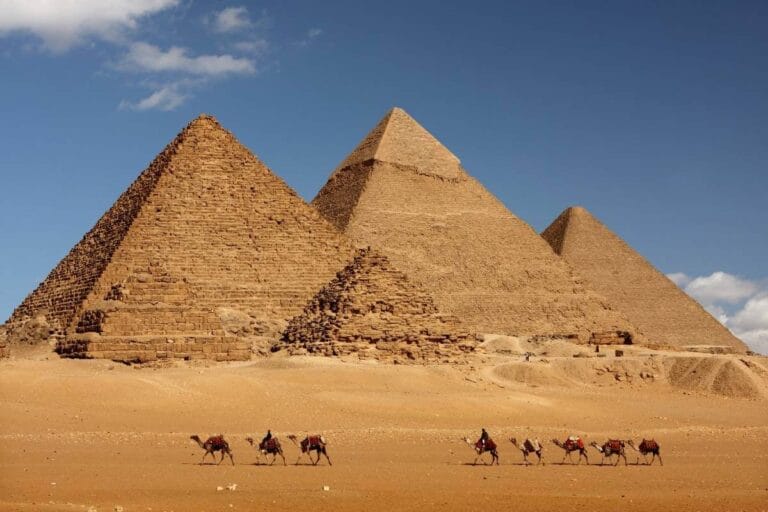
10-Day Turkey & Egypt Tour Package
A 10 days Cultural & Heritage Tour route covering Turkey, Egypt.
View tour details →Common Questions About Visiting Turkey
How many days do you need in Turkey?
Seven days can cover Istanbul, Cappadocia, Ephesus, and Pamukkale at a fairly quick pace. Ten days is more comfortable, while 12 to 15 days allows you to add Antalya, Gallipoli, Troy, Pergamon, or Konya without turning the trip into a series of transfers.
Is Cappadocia worth visiting without a hot-air balloon flight?
Yes. Ballooning is memorable, but Cappadocia’s valleys, rock-cut churches, underground cities, scenic viewpoints, and cave-style architecture make it worthwhile even if you decide not to fly or weather prevents departures.
Should you choose Pamukkale or Antalya on a short trip?
Choose Pamukkale for natural formations and ancient ruins. Choose Antalya for beaches, coastal scenery, and a slower Mediterranean stay. On a short itinerary, trying to add both usually means sacrificing time in Istanbul, Cappadocia, or Ephesus.
What is the most efficient route for Istanbul, Cappadocia, Ephesus, and Pamukkale?
A practical sequence is Istanbul to Cappadocia by domestic flight, followed by a connection toward Denizli or İzmir, then Pamukkale and Ephesus by road. The best order can change with flight schedules, hotel availability, and whether Antalya is included afterward.
Choose Fewer Stops and See Them Properly
The best Turkey itinerary is not the one with the longest list of destinations. Give Istanbul time beyond its headline monuments, build flexibility into Cappadocia if ballooning matters, visit Ephesus early, and avoid forcing Antalya, Pamukkale, Gallipoli, and Troy into a one-week trip. If you have closer to two weeks, our 12 day wonders of turkey and jordan tour extends the journey beyond Turkey.
If you would like help matching your travel dates, preferred pace, hotel style, domestic connections, and optional activities to the right route, plan your Turkey trip with One Nation Travel.