
The short version: Turkish cuisine is best experienced through a mix of grilled dishes, shared meze, bakery staples, regional specialties, and syrupy desserts. Start with kebab, manti, börek, lahmacun, pide, and a proper Turkish breakfast, then make room for künefe, Gaziantep-style baklava, tea, and coffee. The best choices depend on where you travel, how much spice you enjoy, and whether you prefer street food, casual local restaurants, or longer sit-down meals.
For travelers visiting Türkiye, food is not a side activity between landmarks. It is often one of the most memorable parts of the trip. A quick lunch near a historic site, a breakfast spread at a neighborhood café, or a late-night bowl of soup can reveal as much about a region as a museum visit.
The most useful approach is not trying to order everything at once. Choose a few dishes that fit your route, appetite, and dining style, then leave room for regional variations. A kebab in southeastern Türkiye, a fish sandwich in Istanbul, and a handmade manti meal in central Anatolia are very different experiences.
What to Know Before Ordering
- Turkish food varies widely by region: southeastern cities are known for kebabs, pistachios, and bold spices, while the Aegean coast leans toward olive oil dishes, herbs, seafood, and meze.
- Many of the most satisfying meals are designed for sharing. Order a few meze plates, one or two mains, and bread rather than treating every dish as an individual appetizer.
- Restaurant prices vary substantially by neighborhood, setting, ingredients, and whether a menu is geared toward visitors. Ask to see the menu and confirm prices before ordering extras.
- Vegetarian travelers have many choices, including meze, mercimek soup, gözleme, dolma, pide with cheese, and olive-oil vegetable dishes, but should ask whether meat broth is used.
- Plan for desserts separately. Künefe is rich and best shared, while baklava is easy to sample in small portions or purchase as a gift.
Why Turkish Cuisine Feels So Varied

Turkish cuisine reflects the country’s geography and long food traditions. Coastal areas offer fish, vegetables, olive oil, and herbs. Central Anatolia is associated with breads, dumplings, and slow-cooked dishes. Southeastern Türkiye brings pistachios, pepper pastes, grilled meat, and desserts with deeper spice and nut flavors.
That variety is why travelers should be careful with broad labels such as “Turkish food.” A restaurant in Istanbul may serve dishes from across the country, but regional restaurants are often the best place to try a particular specialty. When in doubt, ask what the kitchen is known for and whether a dish is made fresh to order.
Practical tip: Turkish menus can be extensive. Instead of choosing at random, ask for one house specialty, one shared starter, and one regional dessert. It is a more manageable way to try local food without over-ordering.
15 Turkish Dishes Every Traveler Should Try
1. Kebab (Kebap)
Kebab is a broad category rather than one single dish. Adana kebab is typically more peppery and spicy, while Urfa kebab is generally milder. Şiş kebab consists of grilled cubes of meat on skewers, often served with rice, grilled vegetables, flatbread, and salad. For a charcoal-grilled meal, look for an ocakbaşı-style restaurant, where grilled dishes are the focus.
2. Meze
Meze are small shared dishes that can begin a meal or become the meal itself. Common choices include haydari, a thick yogurt dip; ezme, a finely chopped spicy tomato and pepper salad; hummus; eggplant salads; and stuffed grape leaves. They are particularly enjoyable in coastal areas, where fish restaurants often pair them with seasonal seafood.
3. Lahmacun
Lahmacun is a thin baked flatbread topped with finely minced meat, tomato, onion, herbs, and spices. It is often served with parsley, lemon, and sometimes a fresh salad. Roll it up and eat it by hand. It makes a quick lunch, but two lahmacun may be more realistic than one for a hungry traveler.
4. Pide
Pide is a boat-shaped flatbread baked in a hot oven. Fillings may include cheese, ground meat, diced meat, sucuk, vegetables, or an egg cracked over the top near the end of baking. It is best eaten immediately, when the crust is crisp and the filling is hot. Black Sea-style pide is especially well known for generous butter, cheese, and egg.
5. Dolma and Sarma
Dolma means “stuffed,” usually referring to peppers, zucchini, eggplant, or other vegetables filled with rice or meat. Sarma refers to grape leaves wrapped around a filling. Olive-oil versions are usually served cool and can be vegetarian, while meat-filled versions are commonly served warm. Ask which style you are ordering if it matters to your diet.
6. Manti
Manti are small dumplings, often filled with seasoned meat and served with garlic yogurt and a warm butter sauce flavored with pepper. The best-known version comes from Kayseri, where the dumplings are famously small. This is a filling, comforting dish and a strong choice on a cool evening or after a long day of sightseeing.
7. Köfte
Köfte are Turkish meatballs or patties, usually made from ground beef, lamb, or a mixture of meats. Regional recipes differ in seasoning, texture, and cooking method. They may be grilled, served with tomato sauce, or paired with rice and grilled peppers. A simple köfte-and-piyaz meal is often a reliable choice when you want something familiar but distinctly local.
8. Menemen
Menemen is a breakfast dish of eggs gently cooked with tomatoes, green peppers, olive oil, and sometimes cheese or sucuk. It is served in a pan and eaten with fresh bread. It is ideal for travelers who want a savory breakfast before a full day out, especially if a hotel buffet feels too generic.
9. Börek
Börek is made with thin yufka pastry and may be filled with cheese, potatoes, spinach, or minced meat. It can be baked in layers, rolled into coils, or fried in slim cigar-shaped pieces. A bakery börek breakfast with tea is inexpensive by restaurant standards in many places, but portions and prices should always be checked locally.
10. Çorba (Soup)
Soup has a central place in Turkish daily eating. Mercimek çorbası, or lentil soup, is the most widely available and is usually served with lemon and bread. Tarhana soup has a tangier fermented flavor, while yayla çorbası combines yogurt, rice, and mint. A bowl of soup is also a practical late arrival meal when restaurants have stopped serving more elaborate dishes.
11. Gözleme
Gözleme is a thin hand-rolled flatbread cooked on a griddle and filled with cheese, spinach, potato, herbs, or ground meat. It is common at markets, roadside stops, and casual family-run cafés. Ask whether it is made to order; fresh gözleme is much better than a pre-cooked piece reheated for service.
12. Balık Ekmek
Balık ekmek is a fish sandwich usually made with grilled fish, onions, lettuce, and lemon in bread. It is one of Istanbul’s best-known casual foods, especially around the waterfront near Galata Bridge. Choose a vendor with visible turnover, fresh preparation, and clearly displayed prices.
13. Künefe
Künefe is a hot dessert made with crisp shredded pastry, melted unsalted cheese, syrup, and pistachios. Its appeal is the contrast between crunchy pastry, soft cheese, and warm syrup. It is rich enough to share and should arrive hot. Southeastern and Mediterranean-style restaurants are often good places to seek it out.
14. Baklava
Baklava layers thin pastry with nuts and syrup. Pistachio baklava associated with Gaziantep is especially sought after, while walnut versions are also common. Quality baklava should be crisp rather than soggy, fragrant with butter and nuts, and sweet without tasting heavy. Buy a small mixed selection if you want to compare types.
15. Turkish Tea and Coffee
Turkish tea, served in small tulip-shaped glasses, is part of daily life and often accompanies breakfast, conversation, or a sweet snack. Turkish coffee is thicker, stronger, and served unfiltered, so do not drink the grounds at the bottom of the cup. If you prefer a less intense finish after dinner, tea is often the easier choice.
Which Turkish Foods Should You Prioritize on Your Route?

Choose food experiences according to your itinerary rather than chasing every famous dish in one city. Istanbul is the easiest place to sample a broad range of Turkish cooking, from street food to regional restaurants. It suits first-time visitors, short stays, and travelers who want flexibility. Central Anatolia is a stronger fit for manti, hearty breads, and home-style cooking, particularly when paired with time in Cappadocia.
Travelers continuing to the Aegean region can prioritize olive-oil dishes, meze, seafood, and local produce. Near Ephesus, a stop in Selçuk or a nearby town can be more rewarding for a relaxed lunch than eating directly at the archaeological site. Southeastern routes are best for travelers who actively enjoy kebabs, pistachios, spicy dishes, and more intense flavors.
Before booking a food-focused excursion, cooking class, or restaurant reservation, verify the meeting point, transportation, dietary accommodation, languages offered, exact inclusions, and whether drinks, tasting portions, or gratuities are extra. Travelers with limited mobility should also confirm whether markets, old-town streets, or restaurant access involve stairs or uneven pavement.
How to Eat Well Without Overplanning
The common mistake is treating every meal as a major event. Türkiye rewards a mixed approach: plan one or two destination meals, then leave space for bakery breakfasts, market snacks, tea breaks, and local lunch spots. This is especially important on days with early departures, long drives, or full sightseeing programs.
- For breakfast: Try menemen, simit, cheese, olives, tomatoes, honey, and tea rather than relying only on a hotel buffet.
- For lunch: Choose lahmacun, pide, soup, gözleme, or köfte when you need a quick, satisfying meal.
- For dinner: Share meze before ordering kebab, fish, manti, or a regional specialty.
- For dessert: Share künefe after a lighter dinner, or choose baklava with tea during the afternoon.
- For dietary needs: Explain restrictions clearly and ask direct questions about meat stock, yogurt, butter, and nuts.
At casual restaurants, bread and water may appear at the table automatically, but do not assume they are always complimentary. Review the menu, ask before accepting unfamiliar items, and check the bill before paying. This is sensible travel practice in any popular visitor area.
Food Stops That Work Well With a Turkey Itinerary
Food planning works best when it supports your sightseeing rhythm. In Istanbul, start with breakfast before visits to the Hagia Sophia Grand Mosque and the Blue Mosque, then save a relaxed dinner for a neighborhood away from the most crowded tourist corridors. A stop at the Spice Bazaar is useful for seeing teas, spices, dried fruit, and sweets, but compare quality and prices before purchasing packaged gifts.
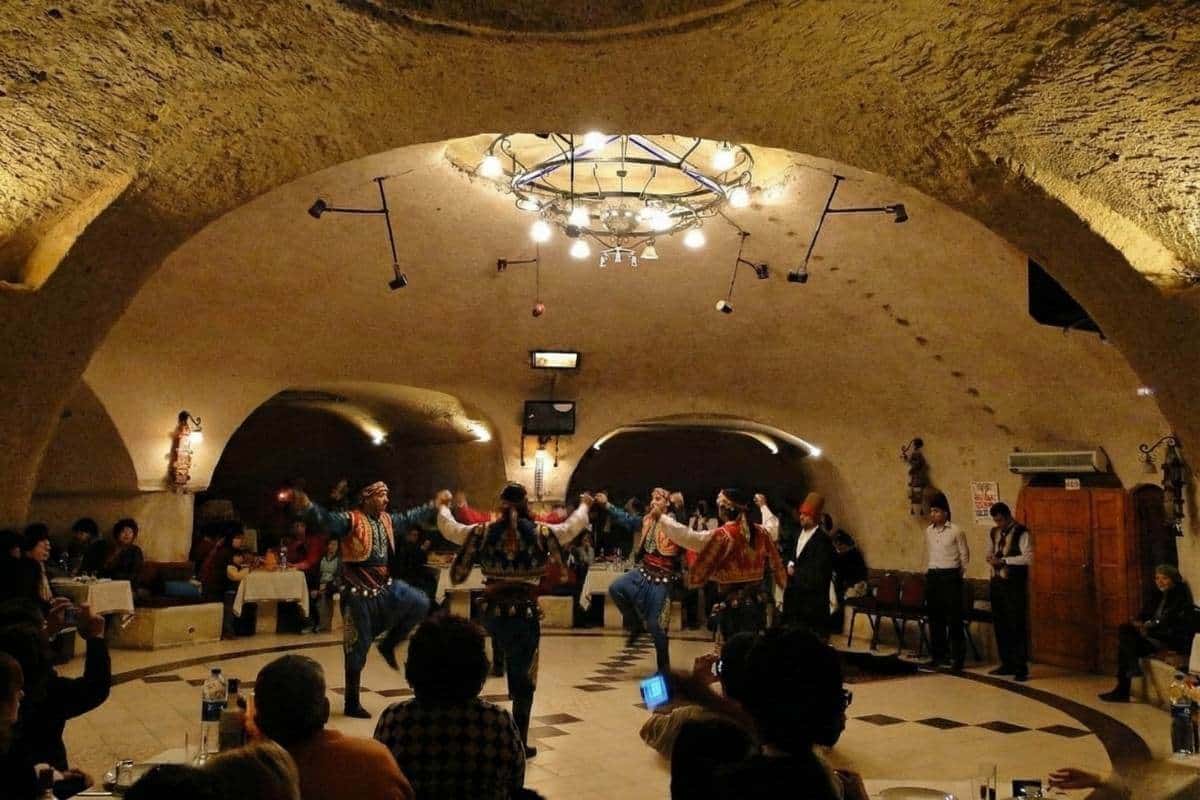
In Cappadocia, build in time for a slower breakfast or a traditional oven-baked dinner after touring valleys and underground sites. If your route includes Pamukkale, Antalya, or Ephesus, avoid scheduling a long, heavy lunch immediately before a major walking visit. The Travertines of Pamukkale, ancient ruins, and old-town streets are more enjoyable when you are comfortable and hydrated.
For more destination planning, pair this article with the practical advice in Turkey Travel Tips 2026: 20 Things to Know Before You Go, the route ideas in Best Turkey Itinerary for 7 Days, and the detailed Ephesus travel guide.
Pair Turkish Food With the Right Type of Tour
If food is an important part of your trip, choose an itinerary with enough free evenings and realistic travel days rather than one that rushes between destinations. A broader route gives you more chances to compare regional cooking, while a shorter trip works best when you focus on Istanbul and one additional region.
The 5-Day Istanbul Tour Package with Hagia Sophia and Bosphorus Cruise is a practical option for travelers who want time to explore the city’s markets, restaurants, and classic sights without changing hotels frequently. For a wider look at Türkiye’s regional highlights, consider the 7-Day Turkey Group Tour: Istanbul, Antalya, Pamukkale & Ephesus or the 12-Day Turkey Tour Package covering Istanbul, Gallipoli, Troy, Pergamon, Ephesus, Pamukkale, Antalya, and Cappadocia.
When comparing tours, look beyond the headline itinerary. Check the pace of travel days, included meals, hotel locations, time for independent dinners, and whether optional experiences fit your budget and interests. A tour that includes breakfast may still leave you free to choose lunch and dinner, which is often ideal for travelers who want to explore Turkish cuisine on their own terms.
Common Questions About Turkish Food
Is Turkish food very spicy?
Not necessarily. Many dishes are flavorful rather than hot. Adana kebab, ezme, and some southeastern specialties can be spicy, while manti, pide, börek, lentil soup, and most meze can be mild. Ask for “acı” if you want spicy food or “acısız” if you prefer it without heat.
What are the best Turkish dishes for vegetarians?
Meze, olive-oil dolma, sarma, mercimek soup, cheese pide, spinach gözleme, börek, menemen, and vegetable dishes are common choices. Confirm whether soup or rice dishes contain meat broth and whether pastry fillings include meat.
Should travelers tip at Turkish restaurants?
Tipping practices vary by restaurant type and service level. Review the bill for any included service charge, then use your judgment based on service and local customs. Carrying small denominations of Turkish lira can be useful for cafés, casual meals, and small purchases.
Can I drink tap water in Türkiye?
Many travelers choose bottled water for drinking, particularly while moving between destinations. Sealed bottled water is widely available. Use common sense with ice, fresh produce, and food stalls, and prioritize places with good hygiene and steady customer turnover.
Make Food Part of the Trip, Not an Afterthought
Turkey’s most rewarding meals are often simple: fresh bread with breakfast, a bowl of lentil soup after a late arrival, grilled meat shared with salad and meze, or tea with baklava after a long day of exploring. Start with the 15 dishes above, follow regional specialties when your route allows, and leave room for the meals you did not plan.
For help matching a Turkey itinerary to your preferred pace, destinations, dietary needs, and food interests, plan your Turkey trip with One Nation Travel.