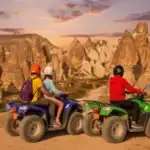

The quick answer: Cappadocia is famous for its otherworldly fairy chimneys, rock-cut churches, underground cities, cave-style hotels, and sunrise hot air balloons floating over volcanic valleys. Its appeal is more than a photo opportunity: the region combines unusual geology with early Christian history and practical experiences that work well in two to three nights. Spring and fall are generally the easiest seasons for mild weather and sightseeing.
Cappadocia is a strong choice for first-time visitors to Turkey who want a destination that feels completely different from Istanbul’s mosques, bazaars, and waterfront neighborhoods. The biggest planning decision is not whether it is worth visiting—it is how much time to allow. A rushed overnight stop can work for a quick look, but two nights gives you a realistic chance to see the valleys, churches, and underground sites while protecting your balloon plans against weather.
What Travelers Should Know First
- Fairy chimneys are the foundation of Cappadocia’s fame. Soft volcanic rock was shaped by erosion into valleys, cones, and pillars unlike anywhere else in Turkey.
- A balloon ride is memorable but not the only reason to go. Rock-cut churches, underground cities, valley walks, and village viewpoints make the region worthwhile even if weather cancels flights.
- Plan at least two nights. This gives you one full sightseeing day and more than one possible balloon morning.
- April through June and September through October are usually the most comfortable periods. Summer is hotter and busier; winter can be beautiful but brings a greater chance of weather disruption.
- Kayseri and Nevşehir are the two practical airports. Nevşehir is closer to Göreme, while Kayseri often offers more flight choices.
What Makes Cappadocia So Famous?
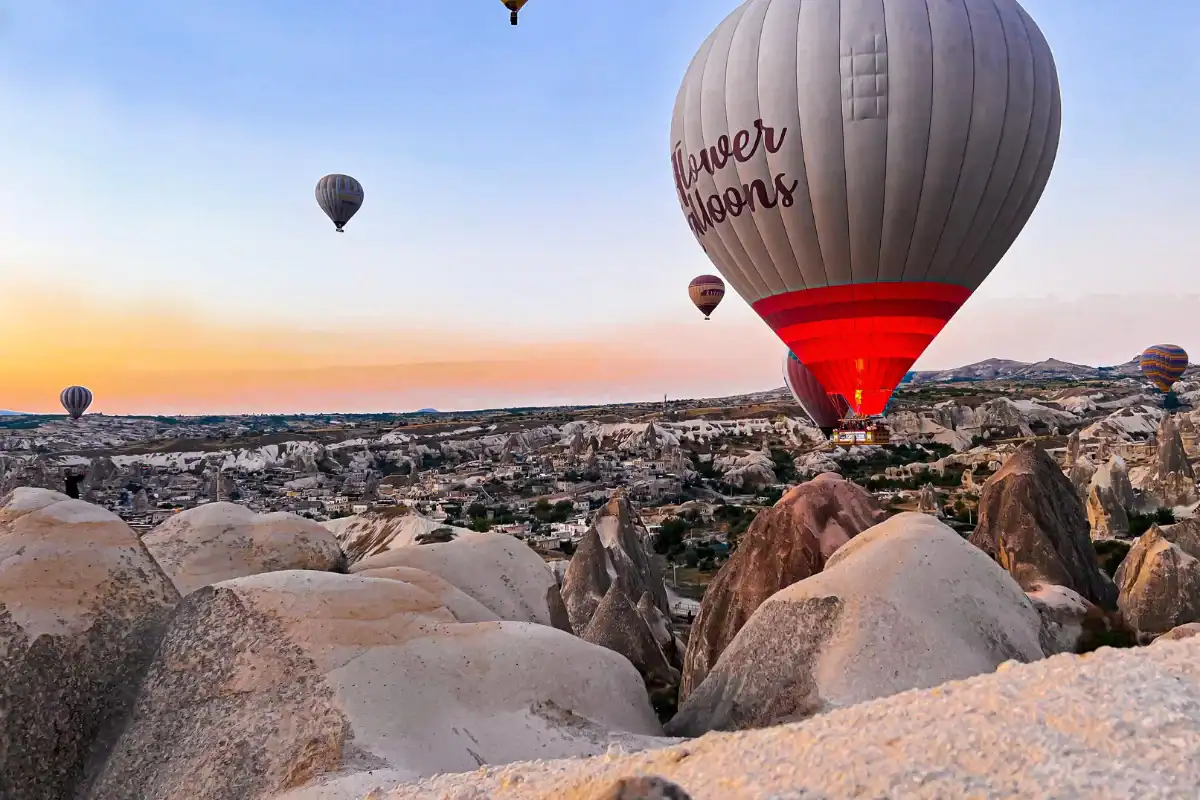
Cappadocia is a broad historical region in central Anatolia rather than a single town. Most visitors stay around Göreme, Uçhisar, Ürgüp, Avanos, and Ortahisar. The landscape was formed after ancient volcanic eruptions covered the area in layers of ash that hardened into soft tuff. Over time, rain, wind, and temperature changes cut valleys into that rock and left harder stone caps sitting atop tall cones.
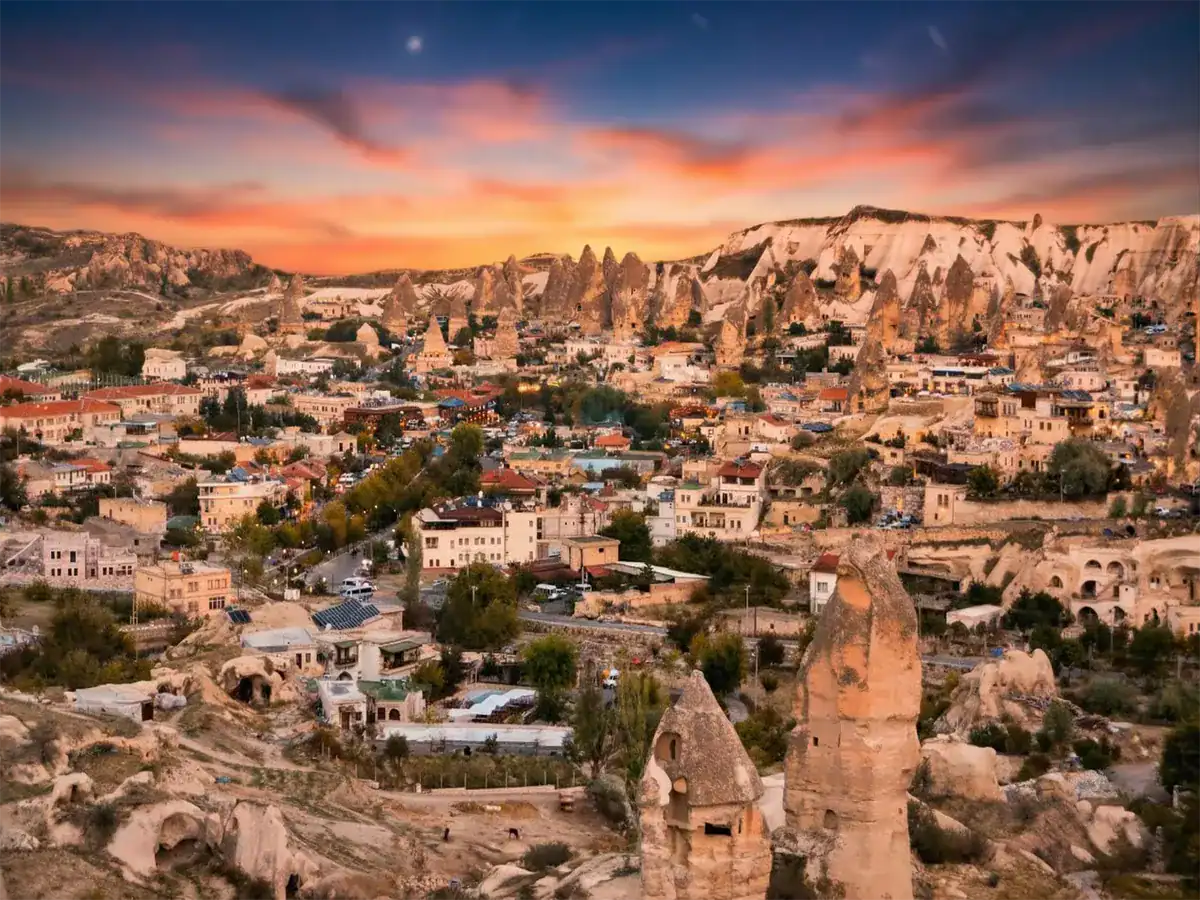
Those cone-shaped formations are known as fairy chimneys. They are especially easy to see at Pasabag Monks Valley, where several have the familiar mushroom-like shape, and across the valleys around Göreme. The same workable rock that created the scenery also made it possible for people to carve homes, storage rooms, chapels, monasteries, and shelters directly into the hillsides.
It is a landscape shaped by people as well as nature
Many destinations have dramatic viewpoints. Cappadocia is different because its human history is built into the scenery. Early Christian communities carved worship spaces and living quarters into the rock, and the region became an important monastic center during the Byzantine period. The frescoed churches of Göreme National Park are among the clearest places to see that history.
At the Göreme Open-Air Museum, visitors can walk between rock-cut churches, chapels, and monastic rooms. The Dark Church is often worth the additional entry charge because its frescoes are better preserved than those in more exposed spaces. Arrive early if it is a priority; it is one of the region’s most visited stops and feels more rewarding before large tour groups arrive.
Cappadocia also appears by name in the New Testament. Acts 2:9 lists Cappadocians among those present in Jerusalem at Pentecost, while 1 Peter 1:1 addresses Christian communities in Cappadocia and neighboring provinces. Travelers interested in this religious history should allow time beyond the balloon and main viewpoints. The rock churches, the Ihlara Valley area, and quieter sites such as Keslik Monastery add important context.
Why Are Cappadocia’s Underground Cities So Remarkable?
Below the valleys, Cappadocia has another side that surprises many travelers: underground settlements carved into the same soft tuff. These complexes were expanded and adapted over centuries as places of refuge, storage, worship, and temporary shelter.
The best-known underground cities include Derinkuyu and Kaymaklı. Their passages lead through rooms that could include kitchens, storage areas, ventilation shafts, stables, and communal spaces. Large circular stone doors could be rolled into place to close narrow passages. The Cappadocia Underground City experience is one of the strongest reasons not to treat the destination as a one-morning balloon stop.
Choose the underground city with your comfort level in mind
These sites are fascinating, but they are not ideal for everyone. Some corridors are low, narrow, uneven, and dimly lit. Travelers with claustrophobia, balance concerns, or significant knee problems should ask in advance which underground city is planned and how demanding the route will be. It is entirely reasonable to wait at the entrance area or choose a surface itinerary instead.
Practical tip: Wear closed-toe shoes with grip. The same footwear that works for a valley walk is useful in underground passages, where the floors can be worn smooth and uneven.
Why Do Hot Air Balloons Fly in Cappadocia?
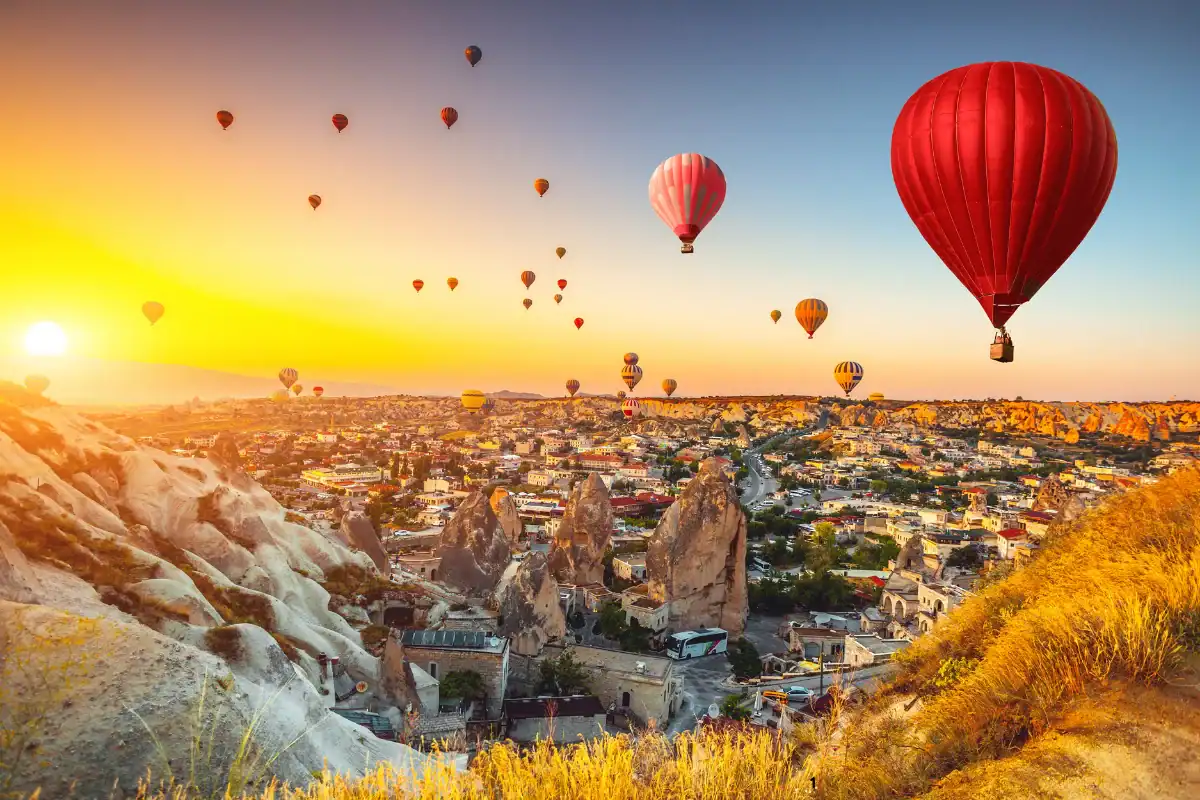
Cappadocia’s balloon flights became iconic because the terrain looks extraordinary from the air. At sunrise, balloons rise over ridges, vineyards, carved valleys, and clusters of fairy chimneys around Göreme and Uçhisar. From the basket, the scale of the landscape becomes clearer; from the ground, the sight of balloons in the early light is an experience in its own right.
Flights take place around dawn because weather conditions are often calmer then. Turkish civil aviation authorities assess conditions before flights are permitted, and departures can be canceled when wind or visibility does not meet operational requirements. That is a safety decision, not a sign that anything has gone wrong with your reservation.
The key mistake is booking a balloon for the only morning you have in Cappadocia. If the flight matters to you, stay at least two nights and schedule it for the first available morning. That gives your local coordinator or balloon provider another possible morning if weather intervenes. Before booking, confirm the planned flight duration, basket size, pickup time, cancellation handling, and whether a canceled flight can be rebooked or refunded under the provider’s terms.
Is a balloon ride worth the cost?
For many visitors, yes—but it is a premium experience, and prices vary substantially by season, demand, basket configuration, and flight length. A standard shared basket is usually the most accessible format. Smaller baskets and longer flight options generally cost more. It is sensible to decide whether flying is a must-have before choosing your hotel and overall itinerary, rather than treating it as a last-minute add-on.
Travelers who do not fly can still get memorable balloon photographs from viewpoints and hotel terraces before sunrise. The experience is different from being in the air, but it is not a poor substitute for anyone who dislikes heights, has a limited budget, or would rather put the expense toward an additional night, a private guide, or a more comfortable cave-style stay. For a focused planning breakdown, see Cappadocia in 48 Hours from Istanbul and this practical guide to common Cappadocia sunrise tour mistakes.
When Is the Best Time to Visit Cappadocia?
The easiest overall seasons are generally spring and fall. From mid-April through June, and again from September through late October, daytime sightseeing is usually more comfortable than in peak summer. These periods are popular, so travelers hoping for a cave room, a balloon ride, or a specific flight schedule should not wait until the final week to arrange plans.
| Season | What Works Well | What to Plan For |
|---|---|---|
| Spring | Comfortable hiking weather, greener valleys, good conditions for full-day touring | High demand for balloons and well-located cave hotels |
| Summer | Long daylight hours and dependable access to attractions | Hot afternoons, more visitors, and a need for early starts |
| Fall | Warm days, cooler evenings, attractive light for photography | Popular dates can still sell quickly, especially in September and October |
| Winter | Snowy landscapes, lower hotel demand, quieter museums and valleys | Cold mornings and a greater chance that balloons will not fly |
July and August can be very hot by midday, particularly on exposed valley trails. If summer is your only option, put outdoor walks, Göreme Open-Air Museum, and balloon viewing early in the day. Save the underground city, a long lunch, or a Turkish bath for the hottest hours. Winter can be strikingly beautiful, especially after snowfall, but it is better suited to travelers who can accept weather-related itinerary changes.
Also check Turkish public and religious holiday dates before committing to flights and hotels. Domestic travel demand can rise sharply during holiday periods, affecting room availability, road traffic, and attraction crowds.
How Do You Get to Cappadocia, and How Long Should You Stay?
There is no airport named Cappadocia. Most visitors arrive through one of two airports:
- Nevşehir Kapadokya Airport (NAV): Usually the closer arrival point for Göreme, with a transfer of roughly 40 minutes depending on the final hotel and traffic.
- Kayseri Erkilet Airport (ASR): Usually farther from Göreme, often around 60 to 75 minutes by road, but it can offer more flight options from Istanbul.
Flights from Istanbul are short, but the airport transfer is not something to leave vague. Confirm whether your accommodation, tour, or package includes arrival and departure transfers; if not, arrange a shared shuttle or private transfer in advance. Your driver normally needs the flight number, arrival time, passenger names, and hotel details. This is particularly important for late arrivals, early departures, and travelers landing at Kayseri after a flight delay.
Two nights is the practical minimum
With two nights, a sensible outline is a balloon attempt on the first morning, a northern route of viewpoints and churches, then a southern route with an underground city and valley scenery the next day. Three nights is better for travelers who want a slower pace, a second balloon backup morning, hiking time, pottery in Avanos, or quieter villages such as Mustafapasha.
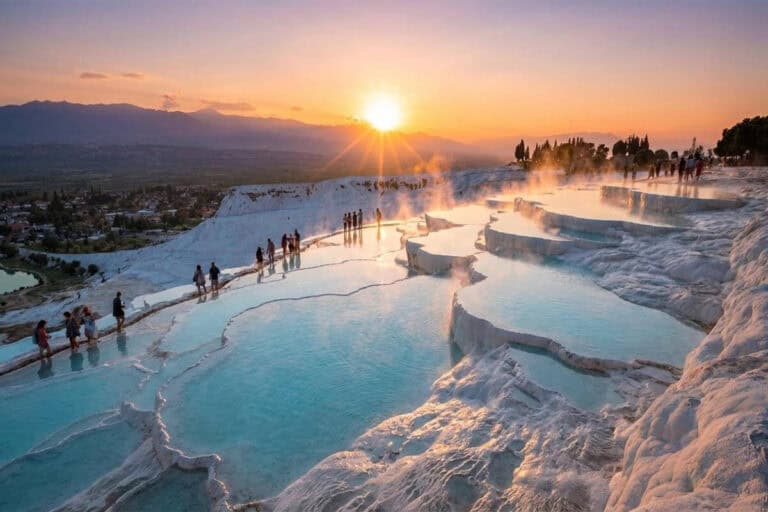
A one-night visit is best reserved for travelers with no flexibility who understand that a delayed domestic flight or canceled balloon can remove much of the experience. For a fuller route that combines Cappadocia with Istanbul and western Turkey, this 7-day Turkey itinerary helps show how Cappadocia can fit alongside Ephesus and Pamukkale without excessive backtracking.
Choosing the Right Cappadocia Trip Format
The right format depends less on your travel style label and more on how much coordination you want to handle after arriving in Turkey.
Choose a flight-based package from Istanbul if time is limited
A two-day package is often the most practical option for travelers staying in Istanbul who want Cappadocia without managing domestic flights, airport transfers, hotel logistics, and sightseeing routes separately. It suits first-time visitors, couples on a tight schedule, and travelers who prefer a defined plan. Review the day-by-day itinerary carefully: “all-inclusive” can mean different things across providers, so confirm domestic flights, hotel nights, airport transfers, guide service, entrance fees, meals, and balloon arrangements rather than assuming they are included.
Choose an airport-start tour if you already have your own flights
If you are arriving independently at Kayseri or Nevşehir, an airport-start itinerary can be a better value and gives you control over your flight schedule. This works well for travelers continuing from another Turkish city or building a longer self-planned itinerary. Verify the meeting point, transfer coverage, hotel requirement, and the time you need to land before the first activity begins.
Choose a custom-paced visit if comfort or flexibility matters most
Families, photographers, travelers with mobility considerations, and visitors focused on religious history may benefit from a more tailored schedule. A custom plan can allow later starts, extra time at the Open-Air Museum, a gentler underground-city alternative, or a longer valley walk. It can also make sense if you want to combine Cappadocia with other regions rather than return directly to Istanbul.
Before you book: Check which airport is used, whether the hotel is in Göreme, Uçhisar, Ürgüp, or another town, and whether the balloon ride is included, optional, or separately arranged. A lower starting price may suit you perfectly, but only if it matches the level of coordination and inclusions you actually need.
Choose your next step
Recommended Cappadocia tours
These verified options are the closest available matches for this article’s destination, route intent, and trip length.
2-Day Cappadocia Adventure with Sunrise Hot Air Balloon Ride
A 2 days Historical & Cultural Tour route covering Cappadocia.
View tour details →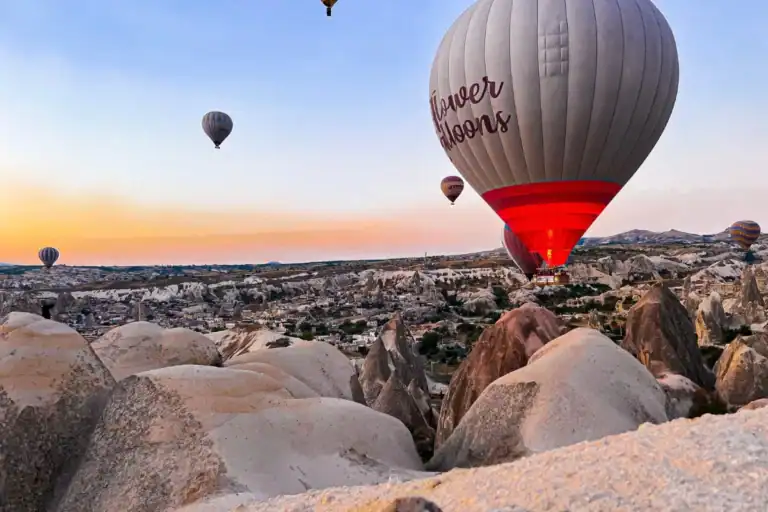
2-Day All-Inclusive Cappadocia Tour with Optional Hot Air Balloon Ride
A 2 days Cultural & Heritage Tour route covering Cappadocia.
View tour details →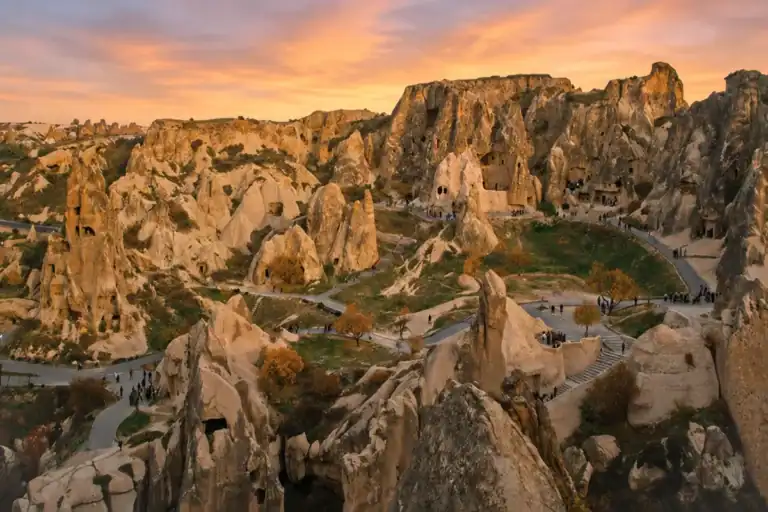
2-Day Cappadocia Tour with Göreme Open-Air Museum
A 2 days Cultural & Heritage Tour route covering Cappadocia.
View tour details →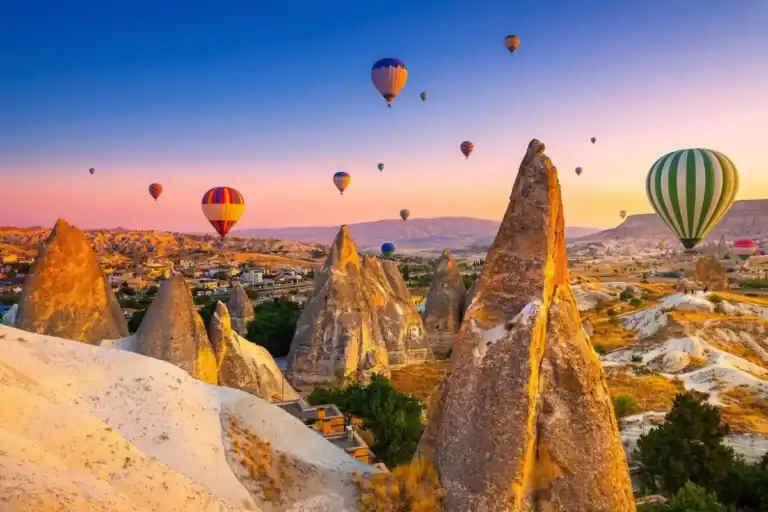
2-Day Cappadocia Tour from Kayseri or Nevşehir
A 2 days Cultural & Heritage Tour route covering Cappadocia.
View tour details →Common Cappadocia Questions
Is Cappadocia worth visiting if I do not take a balloon ride?
Yes. The fairy chimneys, cave churches, underground cities, hiking valleys, and cave-style accommodations make the region worthwhile on their own. Watching balloons lift off from a viewpoint or terrace can also be memorable without flying.
Which town is best for staying in Cappadocia?
Göreme is usually the most convenient base for first-time visitors because it is close to major sights, tour pickup points, restaurants, and balloon activity. Uçhisar is quieter and more panoramic, while Ürgüp often suits travelers looking for a larger town and more upscale accommodation choices.
What should I pack for a Cappadocia balloon morning?
Bring warm layers even in summer, since pre-dawn temperatures can feel much colder than the afternoon. Closed-toe shoes are useful for uneven ground at launch areas and sightseeing stops. Keep your camera or phone accessible, but secure loose items before boarding.
Is Cappadocia suitable for travelers with children?
It can be, particularly with a balanced itinerary and realistic pacing. Balloon age and height requirements vary by operator, and underground cities may not suit very young children or anyone uncomfortable in confined spaces. This Cappadocia family guide covers practical considerations in more detail.
Why Cappadocia Lives Up to Its Reputation
Cappadocia earns its fame because the famous balloon image is only the beginning. Few places combine volcanic landscapes, carved religious sites, underground architecture, and practical short-stay travel so effectively. Give the region two nights if you can, book the balloon early if it is important to you, and leave room for weather changes rather than planning every hour too tightly.
If you would like help matching flights, transfers, hotel location, sightseeing pace, and balloon timing to your dates, share your travel plans through the Plan My Trip page. One Nation Travel can coordinate the booking details with selected local providers so you can focus on the experience rather than the connections.