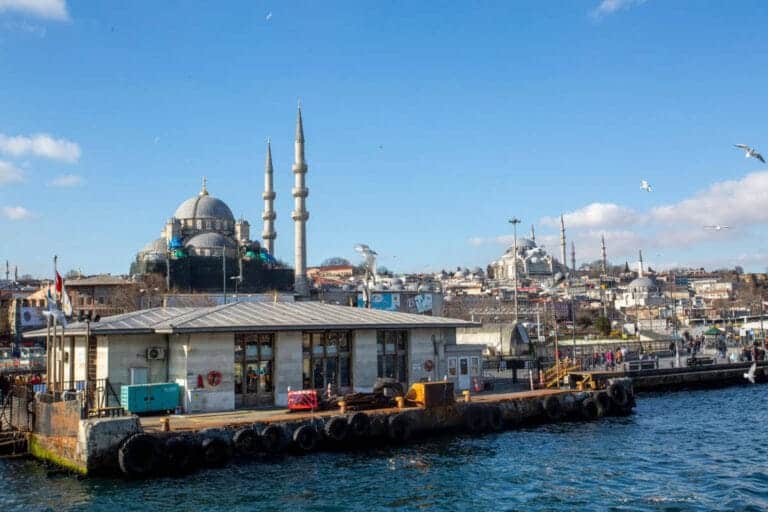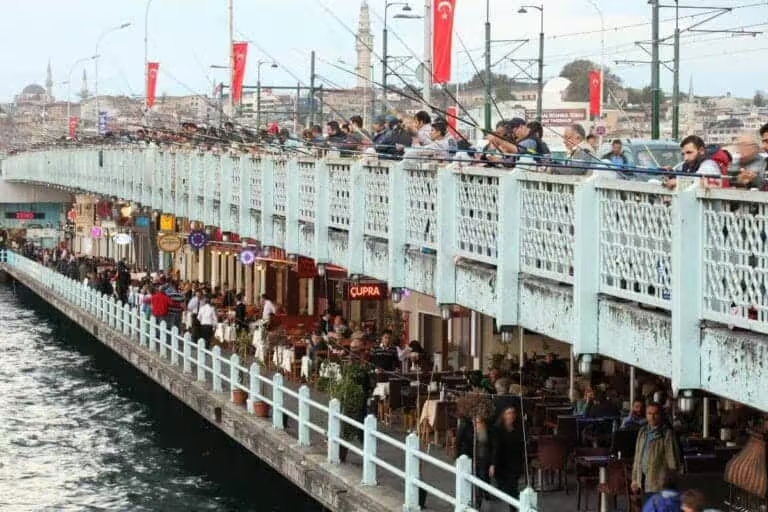

Beneath the busy streets of Istanbul, where tram bells ring and crowds drift between mosques and palaces, an ancient world waits in cool, shadowy silence. The Basilica Cistern draws you underground into a forest of marble columns, rippling reflections, and amber light—a place where water, stone, and empire still whisper beneath modern Turkey.
Historical and Cultural Context
The Basilica Cistern was built in 532 AD during the reign of Byzantine Emperor Justinian I, the same ruler behind the magnificent Hagia Sophia. Its purpose was practical but grand: to store and supply water for the Great Palace of Constantinople and nearby buildings through an impressive network of aqueducts.
This vast underground reservoir measures roughly 453 feet long and 212 feet wide, with the capacity to hold around 80,000 cubic meters of water. Its ceiling is supported by 336 marble columns, many repurposed from earlier Roman structures. After the Ottoman conquest of Constantinople in 1453, the cistern was largely forgotten by the outside world until the 16th century, when French scholar Petrus Gyllius rediscovered it while researching Byzantine antiquities.
What to See and Experience
Walking through the Basilica Cistern feels theatrical from the first step. Wooden walkways guide visitors over shallow water as soft lights illuminate rows of columns disappearing into the distance. The air is cool and damp, and the quiet drip of water adds to the atmosphere.
The most famous features are the two Medusa head column bases near the far end of the cistern. One lies sideways, the other upside down, their origins still debated. Were they placed this way for structural reasons, or to neutralize the mythical gaze of Medusa? No one knows for certain, and that mystery is part of their power.
Also look for the “Weeping Column,” carved with tear-like patterns and associated with the many workers who labored on the cistern’s construction. After visiting, you are only a short walk from the Blue Mosque and Topkapi Palace, making it easy to combine several landmarks in one day.
Practical Visitor Tips
The best time to visit the Basilica Cistern is early in the morning or later in the afternoon, when crowds are lighter and the lighting feels especially atmospheric. Plan to spend 30 to 45 minutes inside, though photography lovers may want longer.
The floor can be slightly damp, so wear comfortable shoes with good grip. Since the cistern is underground, it offers a refreshing break during Istanbul’s warmer months and a moody retreat on rainy days.
Explore Istanbul with One Nation Travel
In a city famous for domes and minarets, the Basilica Cistern reminds travelers that some of Istanbul’s most powerful stories are found below the surface.
Plan the next step
Recommended Tours for Your Istanbul Visit
Compare tours for Basilica Cistern by starting point, duration and itinerary. A listed stop can change with local access conditions; check the current program before booking.

Best of Istanbul Private Guided Tour
Istanbul day itinerary — check pickup details
Discover Istanbul on the Best of Istanbul Private Guided Tour with comfortable logistics, expert planning, and memorable sightseeing. Book your…
View Tour Details
Full-Day Historic Istanbul Tour: Explore the Wonders of the Old City
Istanbul day itinerary — check pickup details
Discover the historic gems of Istanbul's Old City with expert guides, exploring famous landmarks and hidden treasures in a day.
View Tour Details
5-Day Istanbul & Cappadocia Tour with Domestic Flights
Discover Istanbul's landmarks and Cappadocia's unique landscapes in a 5-day tour with flights. A seamless, guided experience awaits.
View Tour Details