Roman Baths of Hierapolis: Where Stone, Steam, and Empire Still Speak
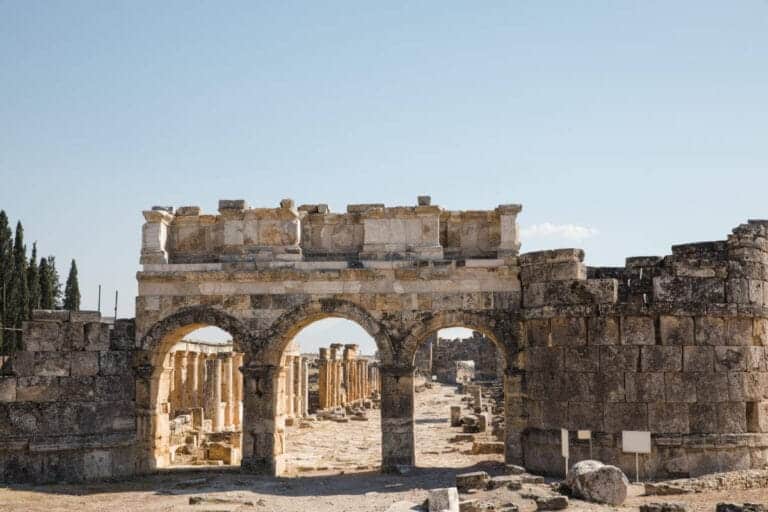
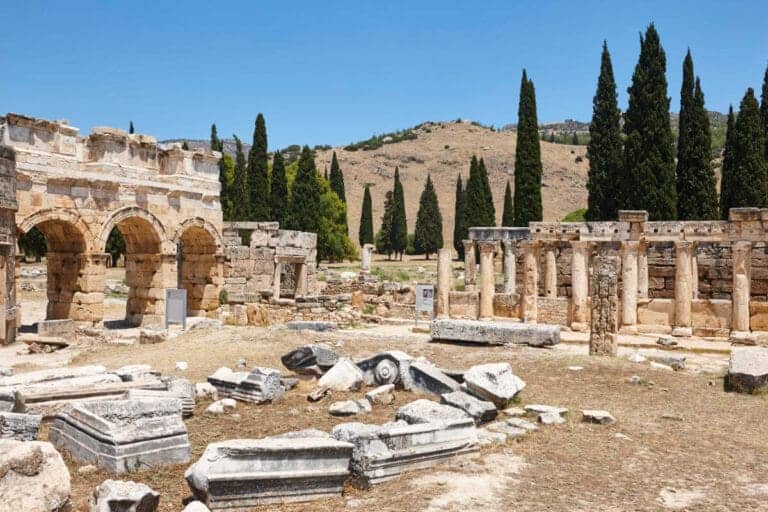
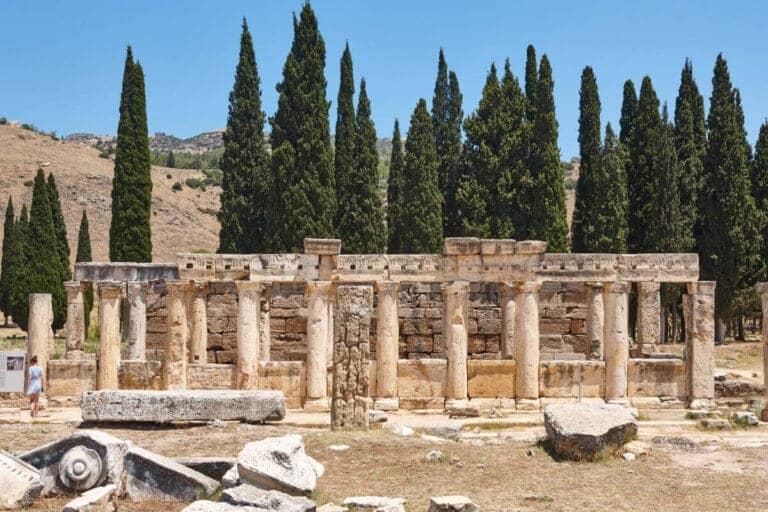
At the edge of the white terraces of Pamukkale in southwestern Turkey, the Roman Baths of Hierapolis rise in weathered blocks of honey-colored stone. Imagine the air warm with mineral steam, the sound of sandals on marble, and travelers from across the Roman world arriving to bathe, heal, gossip, and rest. This was not just a bath complex—it was a social stage, a wellness center, and a symbol of Roman sophistication.
Historical and Cultural Context
The ancient city of Hierapolis-Pamukkale was founded in the 2nd century BC, likely by the Attalid kings of Pergamon, and later flourished under Roman rule. By the 2nd and 3rd centuries AD, Hierapolis had become famous for its thermal waters, believed to have healing properties due to their rich mineral content.
The Roman Baths of Hierapolis were built during this prosperous Roman period, when bathing was deeply woven into daily life. Citizens came here not only to cleanse the body, but also to conduct business, meet friends, exercise, and relax. After centuries of earthquakes and rebuilding, parts of the bath complex were later adapted into a Byzantine church, reflecting the city’s transition from pagan Roman traditions to early Christianity.
What to See and Experience
Massive Stone Halls and Ancient Bathing Rooms
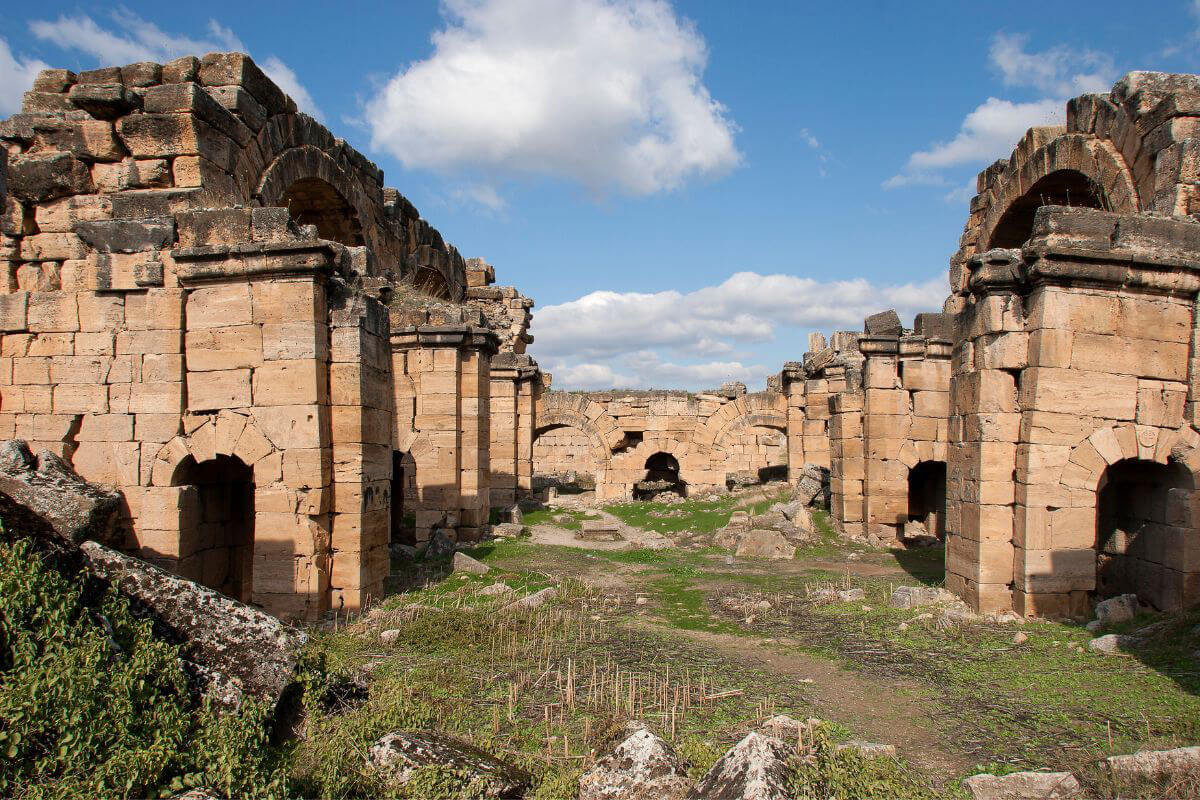
Walk among the remains of vaulted chambers, thick limestone walls, and broad stone spaces that once held hot, warm, and cold bathing rooms. The scale is impressive. Even in ruin, the Roman Baths of Hierapolis reveal the engineering confidence of the empire—water channels, heating systems, and carefully planned rooms designed for comfort and ritual.
Thermal Waters and the Landscape of Pamukkale
Just beyond the baths, the dazzling white terraces of Pamukkale spill down the hillside in rippling layers of calcium. Nearby, visitors can also explore the Cleopatra Antique Pools, where warm mineral water flows over fallen ancient columns. Together, these sites help you understand why Hierapolis became one of the great spa cities of the ancient world.
Practical Visitor Tips
The best time to visit the Roman Baths of Hierapolis is in spring or fall, when temperatures are milder and the light is especially beautiful across the ruins. Early morning offers quieter paths and softer colors, while late afternoon brings golden tones to the stone walls.
Plan to spend at least 2 to 3 hours exploring Hierapolis and Pamukkale together. Wear comfortable walking shoes, bring water, and expect uneven ancient paving. If you want time for photos, the museum area, and the thermal pools, allow half a day.
Plan Your Visit
Plan the next step
Recommended Tours for Your Pamukkale Visit
Compare tours for Roman Baths of Hierapolis by starting point, duration and itinerary. A listed stop can change with local access conditions; check the current program before booking.

Full-Day Pamukkale & Hierapolis Tour from Kuşadası
Pamukkale day itinerary — check pickup details
This full-day tour from Kuşadası takes you to the natural wonder of Pamukkale and the ancient city of Hierapolis. Walk…
View Tour Details
Pamukkale Day Trip from Izmir
Starts from Izmir
Experience a Pamukkale day trip from Izmir, exploring its iconic white terraces, ancient Hierapolis ruins, and rejuvenating thermal waters.
View Tour Details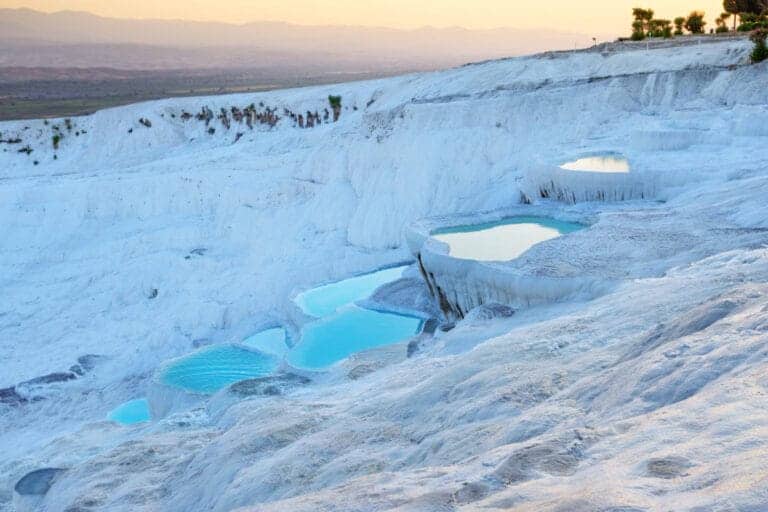
Pamukkale Tour from Istanbul – 1 Night & 1 Day
Starts from Istanbul
See Pamukkale on a 1-night, 1-day tour from Istanbul with travertine terraces, thermal waters, Hierapolis, and a professional guide.
View Tour Details