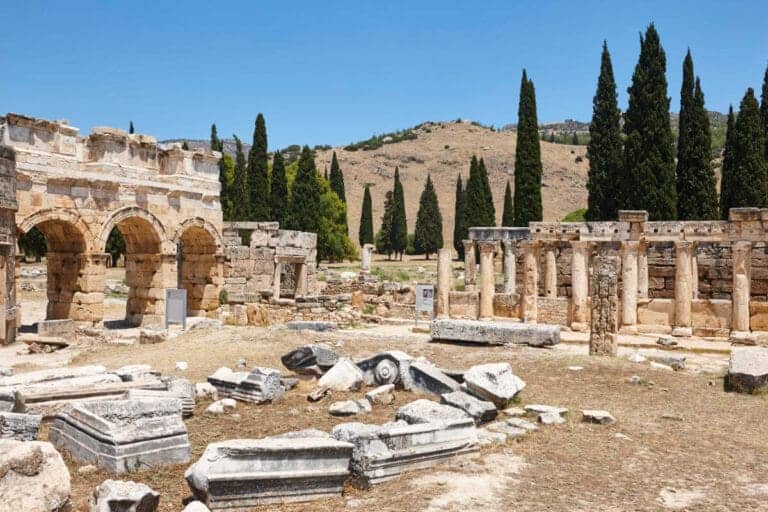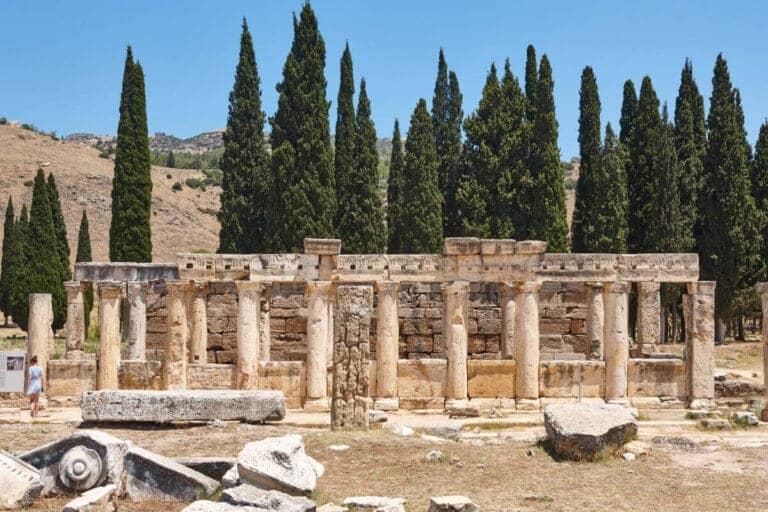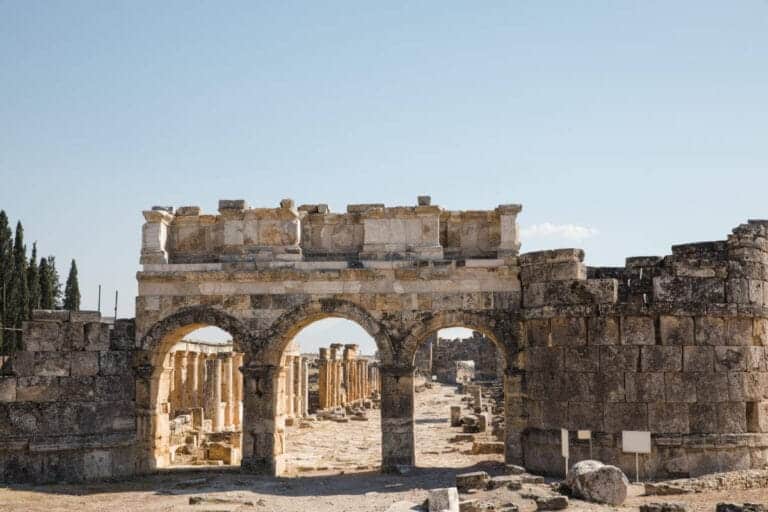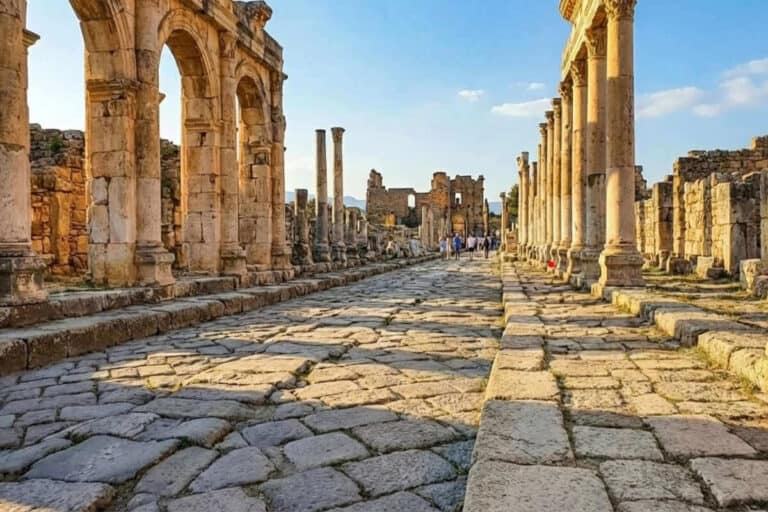
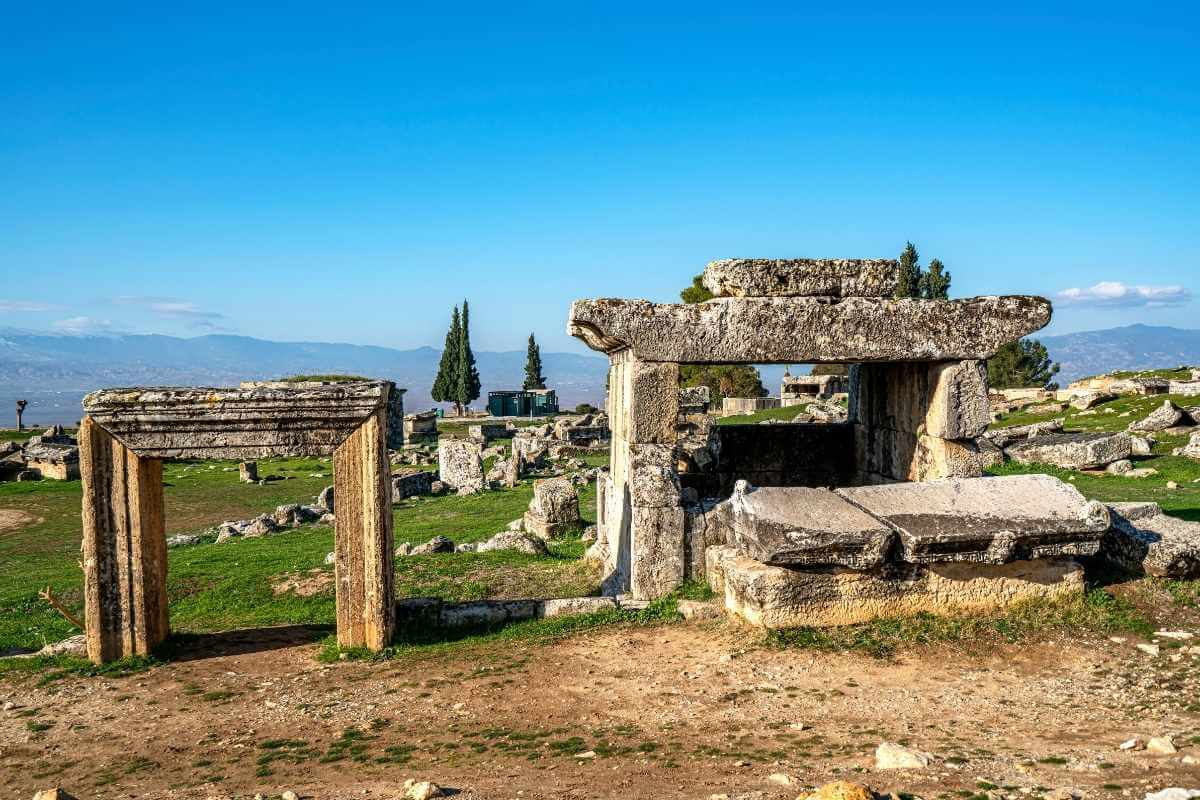
The sun drops low over Pamukkale, and the pale limestone terraces begin to glow as if lit from within. Just beyond the famous white travertines lies a quieter, deeply moving world of stone sarcophagi, monumental tombs, and ancient roads: the Necropolis of Hierapolis. Stretching across the landscape of western Turkey, this vast burial ground reveals how the people of the Greco-Roman city honored death, memory, and the hope of healing.
Historical and Cultural Context
The Necropolis of Hierapolis belonged to the ancient city of Hierapolis-Pamukkale, founded in the 2nd century BC by the Attalid kings of Pergamon and later absorbed into the Roman Empire in 133 BC. The city became famous for its thermal waters, which attracted visitors seeking relief from illness and pain.
Because many came to Hierapolis for treatment, and some never left, its cemetery grew into one of the largest and best-preserved ancient necropolises in Anatolia. More than 1,200 tombs have been identified, ranging from simple stone graves to elaborate family mausoleums. The variety of burial styles reflects centuries of changing beliefs, wealth, and Roman funerary customs.
What to See and Experience
Walking through the Necropolis of Hierapolis, you follow the old northern road where tombs line the path in solemn rows. Some sarcophagi sit cracked open under the bright Turkish sun; others still carry carved inscriptions, faded but powerful. You may notice barrel-vaulted tombs, house-shaped graves, and large stone chambers built for entire families.
The atmosphere is striking. Wind moves through dry grass, swallows dart above the ruins, and the pale stones seem to hold the silence of centuries. From certain points, you can see the brilliant white slopes of the Travertines of Pamukkale in the distance, creating a dramatic contrast between the world of the living and the city of the dead.
Practical Visitor Tips
Best Time to Visit
The best time to explore the Necropolis of Hierapolis is in spring or fall, when temperatures are comfortable and the light is ideal for photography. Summer visits are best early in the morning or late afternoon, as shade is limited and the marble paths can feel intensely hot.
How Long to Spend
Plan to allocate 45 minutes to 1 hour for the necropolis, more if you enjoy photography or ancient inscriptions. Wear comfortable walking shoes, bring water, and combine your visit with nearby highlights such as the ancient theater, Roman baths, and thermal terraces.
Plan Your Visit
Plan the next step
Recommended Tours for Your Pamukkale Visit
Compare tours for Necropolis of Hierapolis by starting point, duration and itinerary. A listed stop can change with local access conditions; check the current program before booking.

Full-Day Pamukkale & Hierapolis Tour from Kuşadası
Pamukkale day itinerary — check pickup details
This full-day tour from Kuşadası takes you to the natural wonder of Pamukkale and the ancient city of Hierapolis. Walk…
View Tour Details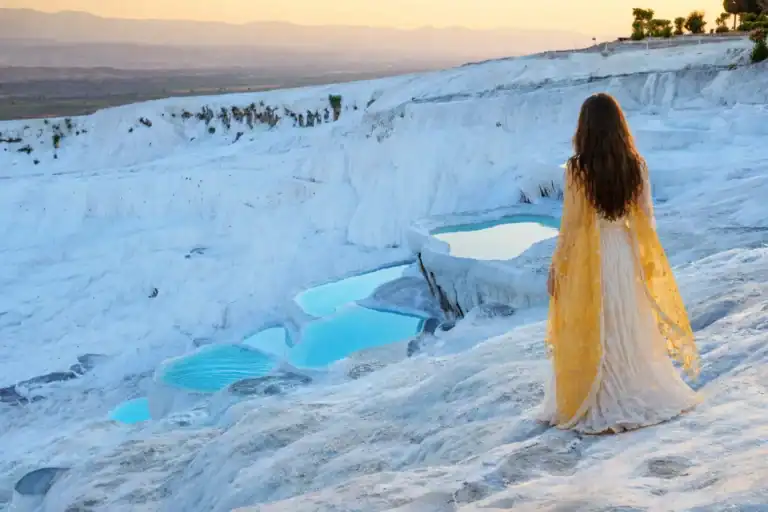
Pamukkale & Hierapolis Full-Day Tour from Izmir
Starts from Izmir
Book the Pamukkale and Hierapolis Full-Day Tour from Izmir to see travertines, ancient ruins and hot springs at a great…
View Tour Details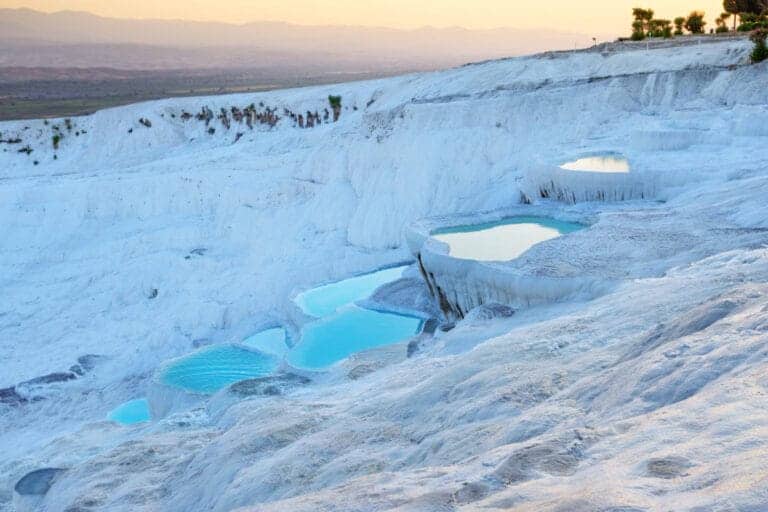
Pamukkale Tour from Istanbul – 1 Night & 1 Day
Starts from Istanbul
See Pamukkale on a 1-night, 1-day tour from Istanbul with travertine terraces, thermal waters, Hierapolis, and a professional guide.
View Tour Details