
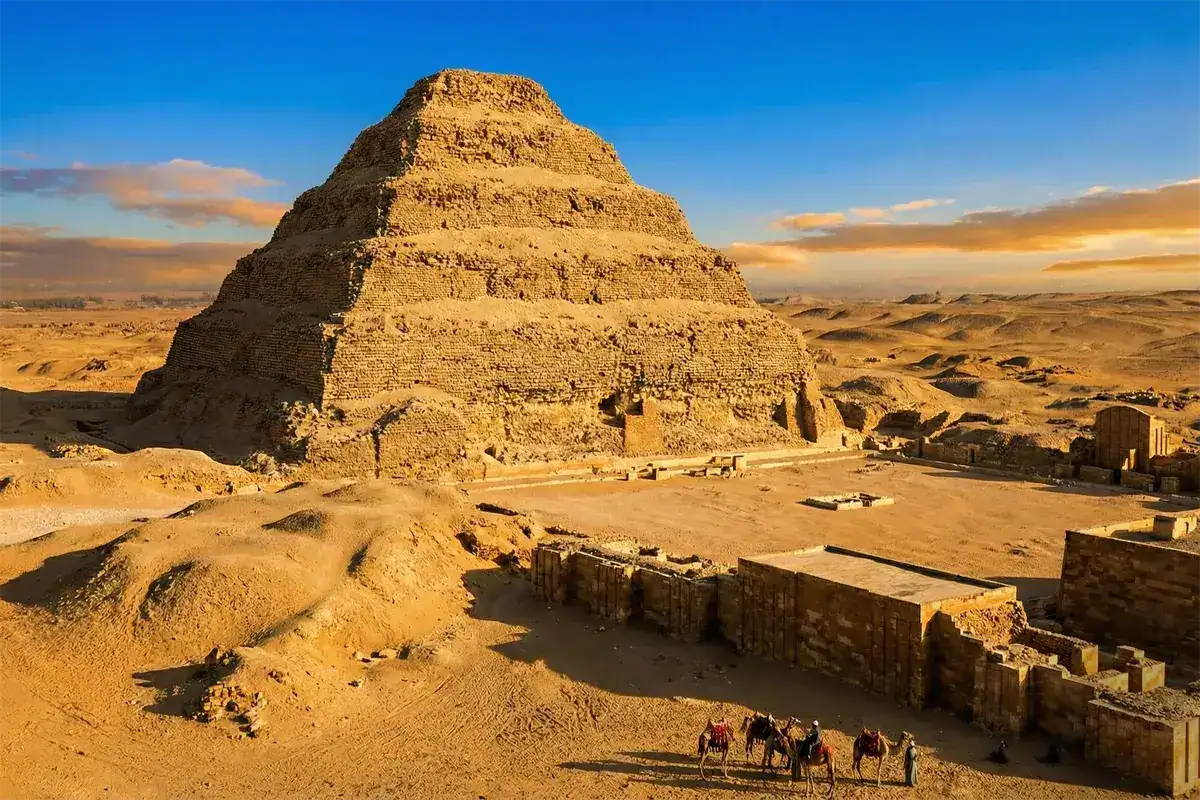
At the edge of Egypt’s desert plateau, where warm limestone glows under the Saqqara sun, the Step Pyramid of Djoser rises in six massive tiers—bold, angular, and astonishingly ancient. Before the smooth-sided pyramids of Giza changed the skyline of Egypt forever, this revolutionary monument near Cairo marked a turning point in human imagination: the moment Egyptians began building toward eternity in stone.
Historical and Cultural Context
Built around 2630–2611 BC during Egypt’s Third Dynasty, the Step Pyramid of Djoser was designed for Pharaoh Djoser by his brilliant architect and advisor, Imhotep. Today, Imhotep is remembered as one of history’s earliest known architects, engineers, and physicians—a figure so admired that later generations honored him almost as a god.
The pyramid stands within the vast Saqqara Necropolis, the burial ground of ancient Memphis. Rising approximately 197 feet high, it began as a traditional mastaba tomb before being expanded into the world’s first large-scale stone pyramid. Its success paved the way for later royal monuments, including the famous Pyramids of Giza.
What to See and Experience
Approaching the complex, you first pass through a monumental colonnaded entrance, where tall stone columns imitate bundles of reeds—an elegant reminder that early Egyptian stone architecture borrowed from older building traditions in wood and mudbrick. The desert air is dry and bright, and the pale stone seems to shift in color from honey to silver as the sun moves overhead.
The pyramid itself dominates the site. Walk around its base and you’ll notice the precision of its layered form, each step climbing toward the sky. Nearby, courtyards, ceremonial structures, and ancient boundary walls reveal that this was not simply a tomb, but a complete royal complex built for rituals connected to kingship and the afterlife.
If time allows, pair your visit with nearby Memphis, once the powerful capital of ancient Egypt. Together, the sites give travelers a deeper sense of how early pharaohs shaped both politics and sacred architecture.
Practical Visitor Tips
Best Time to Visit
The best time to visit the Step Pyramid of Djoser is from October to April, when temperatures are cooler and walking through the open desert site is more comfortable. Arrive early in the morning for softer light, fewer crowds, and a calmer atmosphere.
How Long to Spend
Plan to spend about 1.5 to 2 hours exploring the pyramid complex. If you are combining Saqqara with Memphis and Giza, allow a full day with a knowledgeable guide to fully appreciate the chronology and significance of each site.
Experience Egypt’s First Pyramid
The Step Pyramid of Djoser is more than an ancient monument—it is the beginning of Egypt’s pyramid age, where ambition, belief, and engineering first rose from the desert floor in stone. To see it in person is to stand at the starting point of one of civilization’s greatest architectural journeys.
Plan the next step
Recommended Tours for Your Egypt Visit
Compare tours for Step Pyramid of Djoser by starting point, duration and itinerary. A listed stop can change with local access conditions; check the current program before booking.
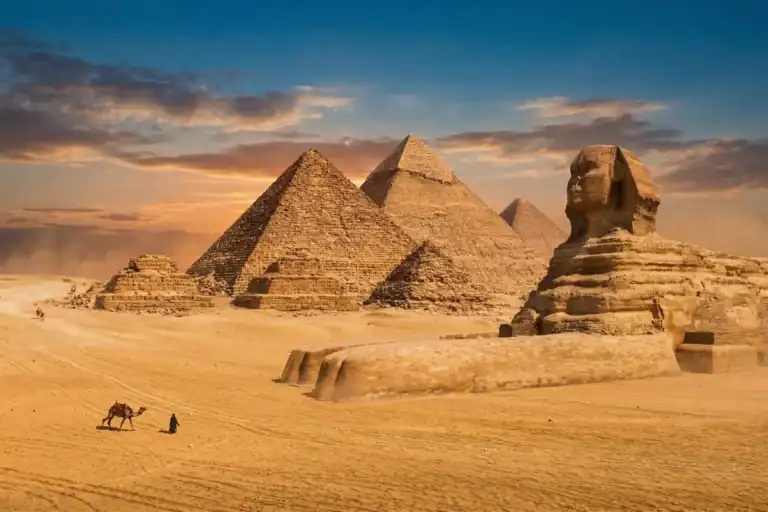
Private Full-Day Tour to Giza Pyramids, Sphinx, Saqqara & Memphis
Experience a private full-day journey through the Giza Pyramids, Sphinx, Saqqara and Memphis, Egypt’s enduring ancient landmarks in a single…
View Tour Details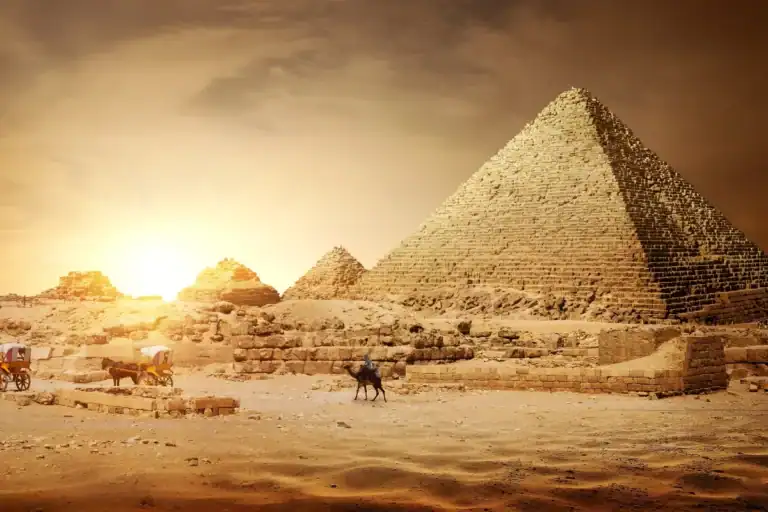
4-Day Best of Cairo Tour
Discover Cairo on the 4-Day Best of Cairo Tour with comfortable logistics, expert planning, and memorable sightseeing. Book your tour…
View Tour Details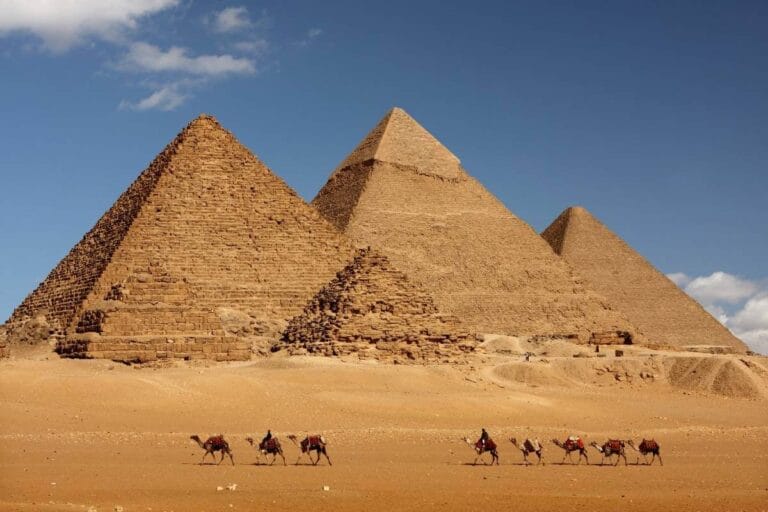
10-Day Egypt Tour: Cairo, Nile Cruise & Ancient Wonders
Embark on a comprehensive 10-day journey through Egypt's rich history, featuring the Great Pyramids of Giza and a relaxing cruise…
View Tour Details