
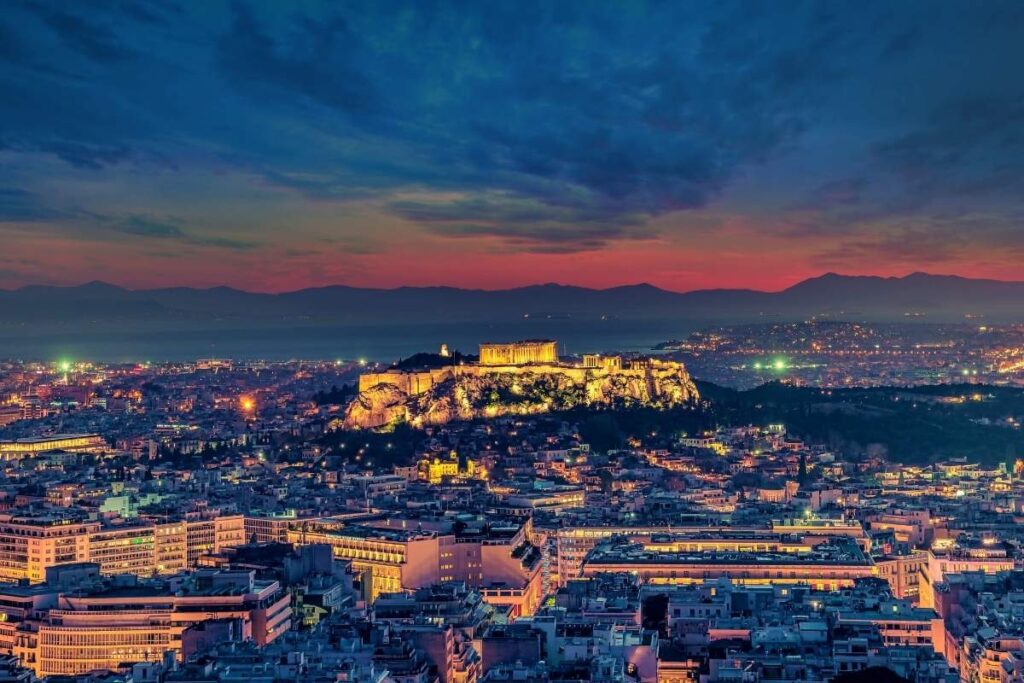
Best Time to Visit Greece
Compare Athens, the Cyclades, Crete, the Ionian islands and mainland Greece by weather and trip style.
The best time to visit Greece is generally May to June and September to October. These months suit a trip combining Athens, archaeological sites and islands, while June to September is the core beach and ferry season. July and August bring the strongest heat and high seasonal demand; winter is better for Athens and mainland culture than for a full island-hopping itinerary.
🌎 Greece Weather by Region
Greece varies between the mainland, mountain interior and several island groups. Summer heat, wind and seasonal transport can matter as much as the national temperature average.
| Region | Best window | Typical winter high | Typical summer high | Planning advice |
|---|---|---|---|---|
| Athens & Attica | April–May & October–November | 13–16°C | 32–35°C | Ancient sites are exposed; in summer, use early visits and check official heat guidance. |
| Cyclades: Santorini & Mykonos | May–June & September | 14–17°C | 28–31°C | Meltemi winds can affect comfort and ferry operations, especially in summer. |
| Crete & Dodecanese | April–June & September–October | 15–18°C | 29–32°C | A long warm season supports later trips, but mountain and gorge conditions need separate checks. |
| Ionian Islands | May–June & September | 13–16°C | 30–33°C | The west is generally wetter than the Cyclades, particularly outside summer. |
| Thessaloniki & Northern Mainland | April–June & September–October | 8–12°C | 30–33°C | Winters are colder than Athens and summer can still be hot and humid. |
| Peloponnese | April–June & September–October | 12–16°C | 31–35°C | Shoulder months work well for road trips, ruins and coastal stops. |
| Mountain Greece | June–September for hiking | 2–8°C | 20–27°C | Elevation changes conditions quickly; snow, storms and trail status require local checks. |
Planning rule: For an Athens-and-islands trip, plan around Athens heat and island ferry or wind conditions rather than relying on one Greece-wide average.
🧭 Best Time to Visit Greece by Travel Style
Start with what you want to do, then choose the month. Regional weather and operating seasons can vary significantly.
| Travel style | Best time | Why it works |
|---|---|---|
| First-time Athens & islands trip | May–June or September | Balances city sightseeing, ferry service and beach time without depending on midsummer dates. |
| Athens & ancient sites | April–May or October–November | Milder conditions suit exposed ruins and long walking days. |
| Cyclades island hopping | Late May–June or September | Core services operate, with warm weather and a need to monitor wind. |
| Beach holiday | June–September | The main swimming season; September is useful for warm sea and a mixed itinerary. |
| Crete road trip | April–June or September–October | Supports beaches, villages and archaeological sites with less intense heat. |
| Mainland road trip | April–June or September–October | Comfortable for Delphi, Meteora and the Peloponnese, with fewer seasonal closures than winter. |
| Hiking & gorges | May–June or September–October | Avoids the hottest period, but each trail and gorge has its own operating and weather limits. |
| Sailing | May–June or September | Warm conditions with less reliance on peak summer, while wind and marine forecasts remain decisive. |
| Museums, food & city breaks | Year-round | Athens and Thessaloniki remain viable when island services are reduced. |
Our pick: Choose June for the fullest early-summer island experience or September for warm seas. Choose April, May or October when ruins and walking matter more than swimming.
📅 Month-by-Month Guide to Greece
January
February
March
April
May
June
July
August
September
October
November
December
The monthly temperature and rainfall figures use Athens as a consistent reference. Northern Greece, mountain areas and each island group differ; crowd and rate labels show broad patterns rather than guaranteed conditions.
☀ Seasons in Greece
Spring
- Wildflowers across the islands
- Greek Easter celebrations (April)
- Perfect sightseeing temperatures
- Lower prices than summer
- Warm enough for swimming from May
- Some rain in April
- Sea still cool until late May
- Not all island services open in early April
Summer
- Perfect beach weather
- Warm sea for swimming (25°C)
- Longest daylight hours
- All islands and services fully open
- Vibrant nightlife
- Extreme heat on mainland (40°C+)
- Peak prices and crowds
- Meltemi winds can disrupt ferries
- Popular islands very crowded
Autumn
- Sea at its warmest in September
- Fewer tourists
- Great value for tours
- Golden light for photography
- Athens Marathon (November)
- Rain increases from November
- Shorter days
- Some island businesses close from late October
Winter
- Lowest prices of the year
- No crowds at the Acropolis
- Carnival season (February-March)
- Mild weather on Crete
- Authentic local atmosphere
- Many islands largely shut down
- Rain and wind
- Shorter daylight hours
- Limited ferry services
🎆 Events & Festivals in Greece
Greek Orthodox Easter
Religious services and local celebrations are significant, while ferry demand and business hours can change around the holiday. Confirm the date and local program for your travel year.
Official tourism guidance →Epidaurus Festival 2026
Official 2026 festival dates. Check the current performance calendar, ticket rules and late-night transport before building an itinerary around a show.
Official 2026 listing →Dormition of the Virgin Mary
A major fixed holiday and celebration period. Island transport and accommodation demand may rise; verify schedules and book preferred routes early.
Ohi Day
A national holiday marked by ceremonies and parades. Public services, site hours and city traffic can differ from a normal weekday.
🎫 Recommended Greece Tours
Explore current Greece tours and check each itinerary's written inclusions, exclusions and available dates.


💡 Travel Tips for Greece
Routes and frequency change by season, and wind can disrupt sailings. Leave margin around international flights and time-sensitive connections.
In hot weather, visit exposed archaeological sites near opening and reserve midday for shade, lunch or museums.
Meltemi winds can affect beaches, small boats and ferries. Follow operators and official port decisions rather than a seasonal rule.
Heat, wildfire and severe-weather restrictions can change outdoor access. Check official alerts and comply with closures.
Smaller-island hotels, restaurants and excursions may reduce schedules outside late spring to early autumn. Confirm before booking.
Island wind, mainland heat and cool mountain evenings can occur in one trip, so bring adaptable layers and sun protection.
❓ Frequently Asked Questions
June and September are strong all-round choices for Athens plus islands. Choose May or October if archaeological sites and walking matter more than guaranteed beach conditions.
Late May through June and September usually offer the best balance of services and warm weather. Ferry disruption remains possible in any month, especially during strong winds.
April to May and October to November are generally comfortable for walking and open-air sites. Winter is viable for museums and food, with more rain and shorter days.
Not necessarily, but mainland sites and cities can be very hot. Plan early sightseeing, follow heat alerts and use midday for shaded or indoor activities. Islands may be breezier but can also experience strong winds.
Many travelers swim in late May and October, especially in southern Greece, but water and air comfort vary by year, island and personal preference. September is more reliable for warm sea conditions.
Yes for Athens, Thessaloniki, mainland culture, food and mountain trips. Winter is less suitable for a classic island-hopping holiday because many seasonal businesses and routes reduce service.
The seasonal northerly wind is most associated with the Aegean summer, but exact strength and timing vary. Check marine forecasts and ferry notices for the day you travel.
May–June or September–early October works well for viewpoints, walking and operating services. Summer has the fullest schedule but also strong heat and demand.
City trips can cost less in winter and islands may price lower at the edges of their season, but no month guarantees lower rates or quiet sites. Compare live transport and lodging for exact dates.
Book earlier for July–August, Easter, the 15 August holiday, limited ferry cabins and popular island hotels. Shoulder-season availability varies by island and route.
Risk can rise during hot, dry and windy periods. Monitor Greek Civil Protection alerts, follow local instructions and closures, and keep transport and hiking plans flexible.
One Nation Travel
Reviewed by our travel planning team using Greek climate, tourism, event and civil-protection sources current on 22 July 2026.
How we researched this guide
Regional ranges are rounded long-term planning values based on official Greek tourism climate guidance and meteorological sources; they are not forecasts. Ferry, crowd and rate observations describe common seasonal patterns without guaranteeing schedules, prices or demand. Event dates were checked against official listings available on 22 July 2026. Review weather, port and Civil Protection notices before travel.
Ready to Plan Your Greece Trip?
Ask One Nation Travel to plan, book and coordinate a Greece itinerary. The selected tour page and written quote state every included transfer, hotel and guided service.