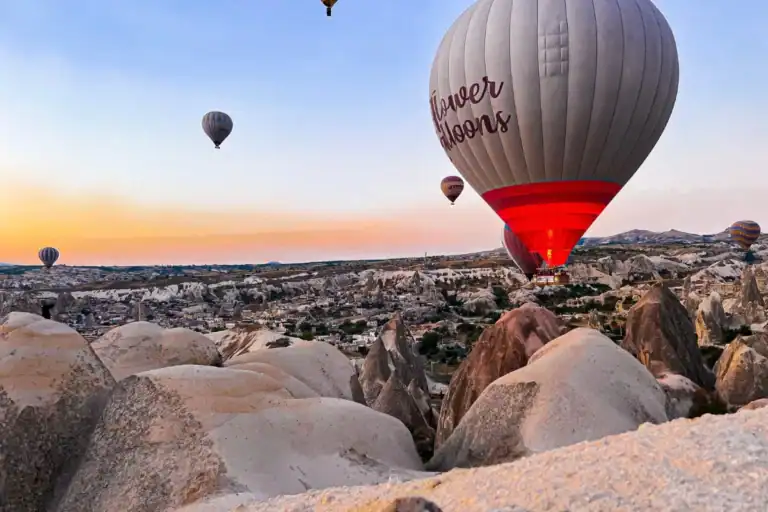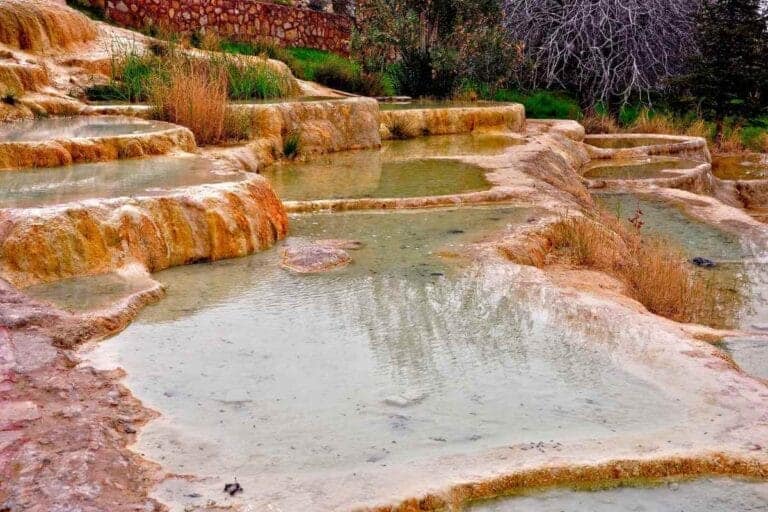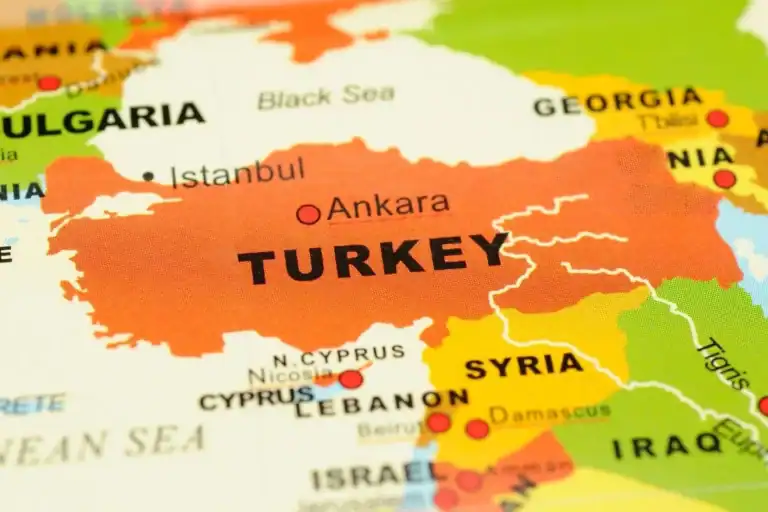

The quick answer: Cappadocia’s fairy chimneys are natural volcanic-rock formations shaped by wind, rain, and frost over millions of years. The best areas to see them are around Cappadocia, especially Göreme, Paşabağ, Love Valley, and Devrent Valley. Allow at least two full days for the valleys, cave churches, and an underground city; stay three nights if a sunrise balloon flight is a priority and you want a weather buffer.
Cappadocia suits travelers who want more than a quick photo stop. The landscape is extraordinary, but the better experience comes from connecting the views with the region’s rock-cut homes, Byzantine churches, village life, and underground shelters. The central planning decision is simple: whether to fit Cappadocia into a fast two-day visit or give it enough time for a balloon attempt, guided sightseeing, and a slower valley walk.
What to Know Before You Go
- Two full days is the practical minimum. This allows time for one major sightseeing route, an underground city or longer valley walk, and a sunrise balloon attempt.
- Book the balloon early, but do not schedule it for your final morning. Flights depend on weather and aviation approval, so an earlier flight gives you a chance to reschedule.
- Göreme is the easiest base for most first-time visitors. It is convenient for tour pickups, restaurants, valley access, and early-morning balloon logistics.
- The northern and southern touring routes serve different interests. Choose the north for classic fairy chimneys and photography; choose the south for underground cities, wider landscapes, and more walking.
- Low airfare or hotel rates can be misleading. Check airport transfer time, room type, entrance fees, meals, domestic flights, and balloon inclusion before comparing packages.
What Are Cappadocia’s Fairy Chimneys?
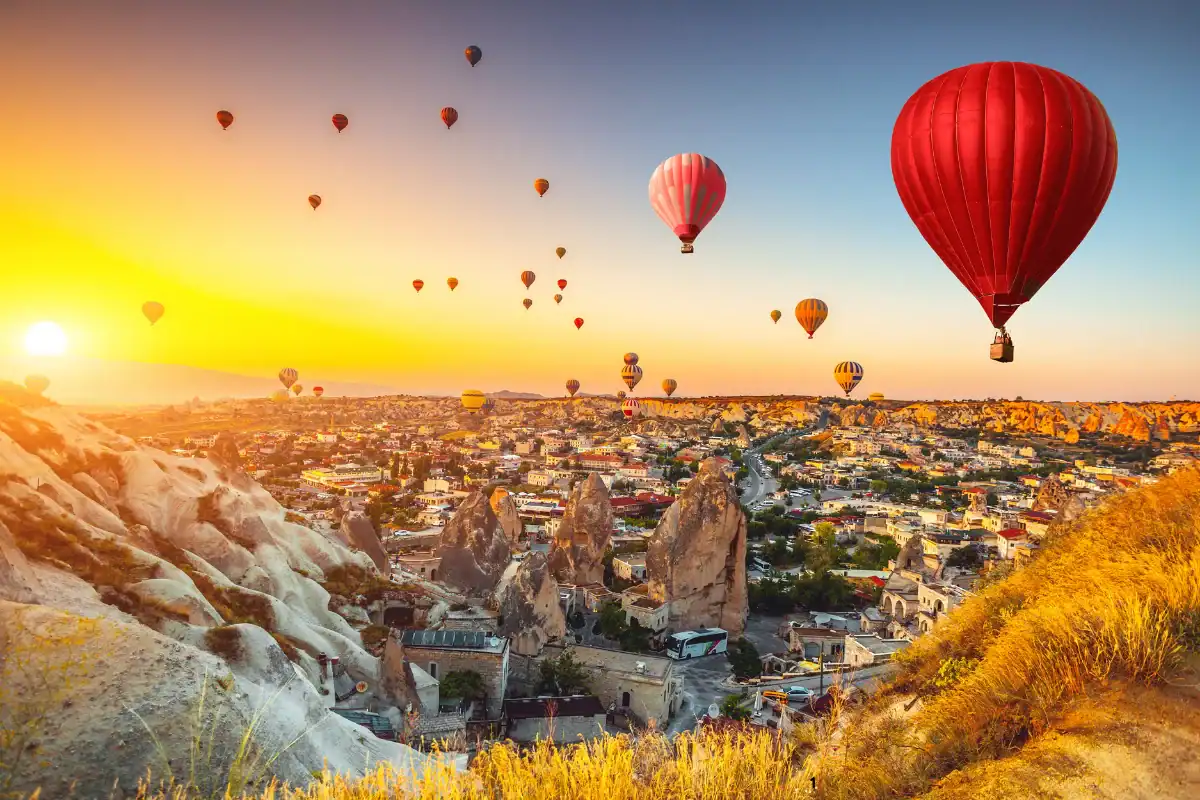
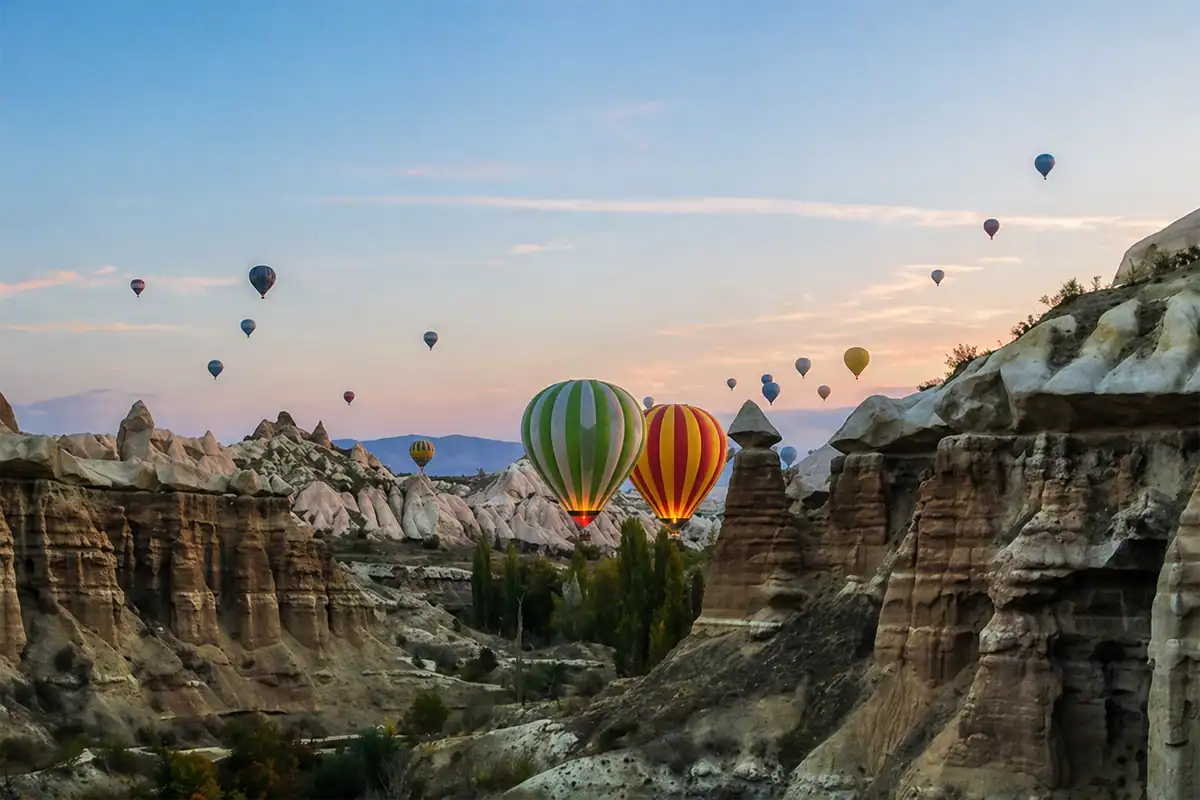
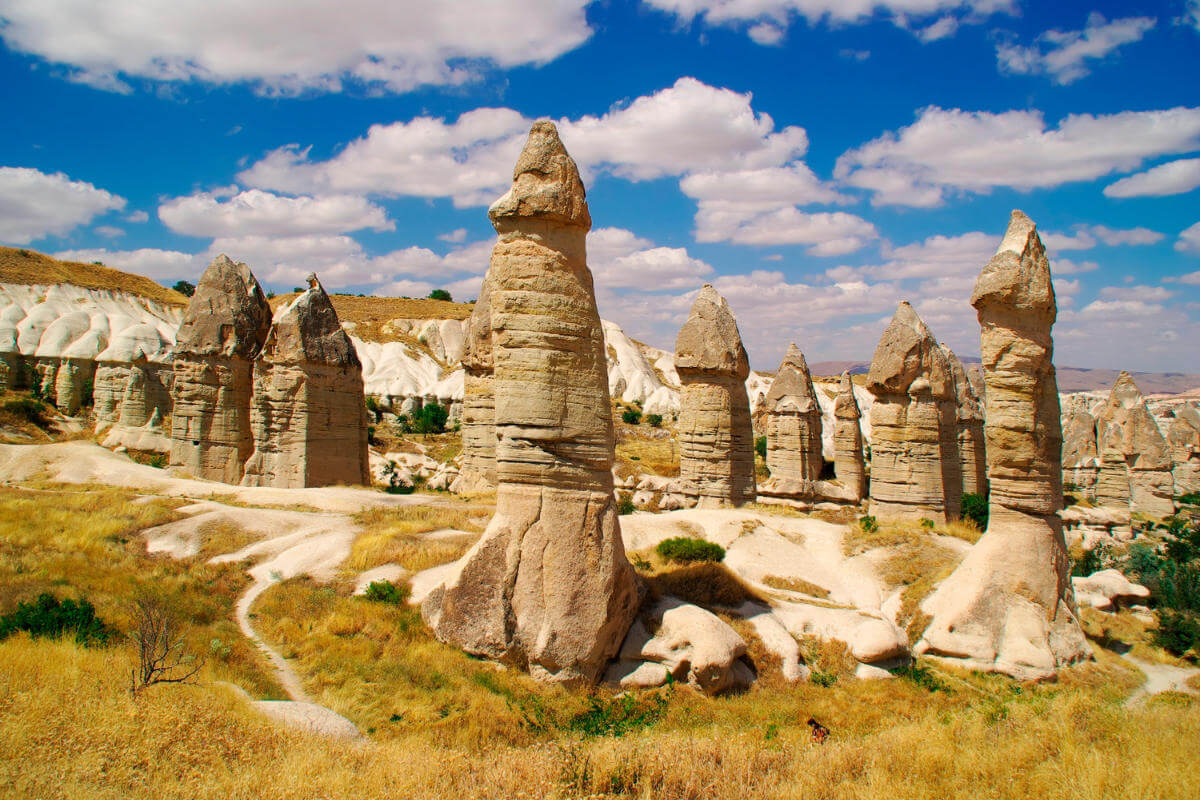
The fairy chimneys are tall cones and columns formed from soft volcanic tuff, often topped by a harder cap of basalt or andesite. Ancient volcanic activity covered central Anatolia with layers of ash and lava. Over time, water, wind, frost, and changing temperatures eroded the softer layers faster than the harder rock, leaving the distinctive towers seen today.
Some formations look like mushrooms, others like pointed spires, and many have several caps rising from one base. The dramatic examples at Paşabağ Monks Valley are especially recognizable. What sets Cappadocia apart from a purely geological destination is that people adapted the soft rock for daily life. Across the region, rooms, stores, stables, chapels, monasteries, and shelters were carved into the landscape.
That combination makes the region more rewarding when you do not rush it. A viewpoint may show the scale of the valleys, but a visit to a rock-cut church or underground settlement explains why this unusual terrain mattered to the communities that lived here.
Where Should You Go to See the Best Fairy Chimneys?
Göreme and Göreme National Park
Göreme National Park is the most convenient starting point for many visitors. Its dense concentration of valleys, carved rooms, viewpoints, restaurants, and tour departure points makes it a sensible base when time is limited. It also offers easy access to the Göreme Open-Air Museum, where rock-cut churches preserve frescoes from Cappadocia’s Byzantine Christian communities.
Paşabağ and Devrent Valley
Paşabağ is a classic stop for close-up fairy chimney views, with paths that make the formations accessible without a strenuous hike. It is often paired with Devrent Valley, also called Imagination Valley. Devrent has fewer carved dwellings but a remarkable variety of naturally shaped rocks. It is a good choice for travelers who want to see how different erosion patterns can be within a short drive.
Love Valley, Pigeon Valley, and Esentepe
Love Valley is known for exceptionally tall stone pillars and broad views across the valley floor. Pigeon Valley has walking routes between Göreme and Uçhisar, along with pigeon houses carved into the cliffs. For a quick panoramic introduction, Esentepe provides a wide overlook across Göreme’s ridges, cave dwellings, and fairy chimneys.
Practical tip: Visit Paşabağ and popular viewpoints early in the day if photographs matter to you. By late morning, the most accessible stops can become busy with day tours.
How Much Time Do You Need in Cappadocia?
For most first-time visitors, two full days is the right minimum. One night can work for a tightly scheduled itinerary, but it leaves little room for flight delays, weather cancellations, or a relaxed visit. Three nights is a stronger choice if the balloon flight is a major reason for coming.
| Time available | What is realistic | Best for |
|---|---|---|
| One day or one night | A few viewpoints, one compact route, and perhaps the open-air museum or an underground city | Travelers with no flexibility who accept a rushed visit |
| Two full days | A balloon attempt, one northern route, and one southern route or longer valley walk | Most first-time visitors |
| Three nights | More flexible balloon timing, village stops, hiking, and downtime at the hotel | Couples, photographers, families, and travelers visiting in unsettled weather |
| Four days or more | Quieter villages, multiple hikes, cultural sites, and a slower pace | Travelers who prefer depth over a checklist |
If you are linking Cappadocia with Istanbul, Ephesus, or Pamukkale, it helps to plan the domestic flights and overnight locations before choosing individual sightseeing activities. The seven-day Turkey itinerary offers a useful overview of how these major stops can fit together without turning the trip into a sequence of airport transfers.
When Is the Best Time to Visit Cappadocia?
April through June and September through October are usually the most comfortable periods for first-time visitors. Days are generally pleasant for walks, while mornings and evenings can still be cool. These are also popular months for balloon flights and cave hotels, so earlier booking is sensible when your dates are fixed.
July and August bring hotter midday conditions, especially on exposed valley paths. Summer visitors should plan walks early, keep water with them, and use the warmest hours for lunch, museums, or rest. Winter can be striking when snow covers the valleys, but you should pack proper layers and allow more flexibility around weather.
Hot air balloon operations run when conditions permit rather than according to a guaranteed daily schedule. Clear skies alone are not enough; wind conditions and civil aviation approval matter. A traveler who wants the best chance of flying should arrive early enough to have at least two possible mornings.
How Does a Cappadocia Hot Air Balloon Flight Work?
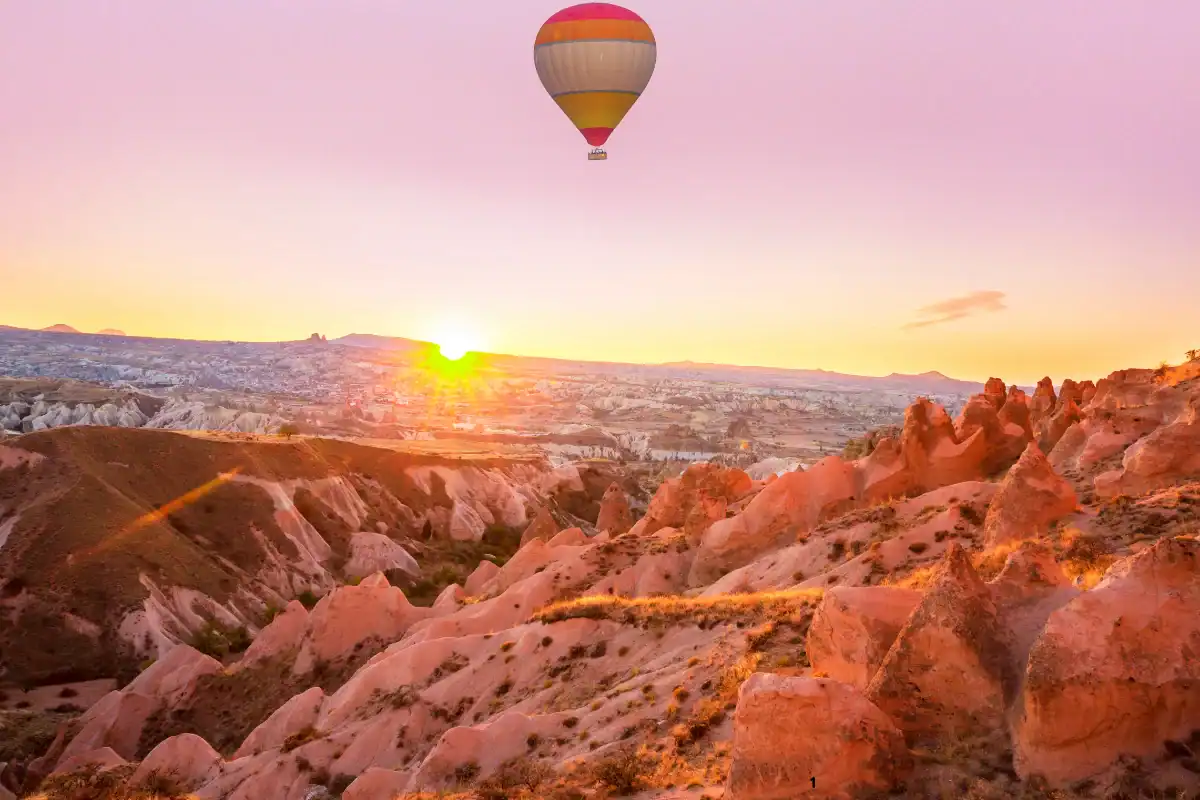
Balloon flights generally begin before sunrise. Pickup time is confirmed the evening before because it changes with the season and operational conditions. Travelers are transferred to a launch area after preflight preparations, then return to their hotel after the flight and post-landing procedures. The flight itself is commonly around one hour, while the full early-morning experience takes several hours.
Balloon prices vary considerably with date, demand, basket size, flight category, and availability. Do not assume that a balloon is included simply because a Cappadocia itinerary includes a hotel, a guided tour, or domestic flights. Check the inclusions line by line before payment, especially during spring, fall, holidays, and other high-demand dates.
- Dress in layers: Pre-dawn temperatures can feel cold, even on warm summer days.
- Consider mobility: Passengers need to climb into and out of the basket and stand for the duration of the flight.
- Prioritize your first or second morning: This is more practical than leaving the flight for departure day.
- Confirm the weather-cancellation process: Ask whether rebooking is possible and what happens if no later flight can be arranged during your stay.
Travelers coming from Istanbul should also read the practical Istanbul to Cappadocia travel guide before locking in flight times. A short itinerary can lose valuable sightseeing time if the airport, transfer, and hotel check-in sequence is poorly matched.
Which Sightseeing Route Is Right for You?
Northern Cappadocia: best for classic scenery
The northern route is usually the better first choice for travelers focused on fairy chimneys, broad valley views, photography, and relatively easy stops. It commonly combines Göreme viewpoints with Paşabağ, Devrent Valley, Avanos, and Çavuşin. This route is a good fit if you have one full sightseeing day and want the landscapes that define most first impressions of Cappadocia.
Southern Cappadocia: best for underground history and walking
The southern route often includes a Cappadocia Underground City, valley viewpoints, and, depending on the itinerary, a longer walk around Ihlara Valley. It provides stronger context for how communities used the terrain for refuge, food storage, and daily life. It is a better fit for travelers who value history as much as scenery.
A third day: choose villages, monasteries, or a private pace
With more time, consider quieter stops such as Mustafapaşa, Keşlik Monastery, or Ortahisar Castle. These work well for travelers who want fewer crowds, more village character, or a route adjusted around walking ability and photo stops.
What to verify before booking
- Whether domestic flights, airport transfers, museum entry fees, lunch, and the balloon flight are included or optional.
- Which airport is used: Kayseri Erkilet Airport (ASR) generally has more flight options, while Nevşehir Kapadokya Airport (NAV) is often closer to Göreme.
- Whether the hotel is in Göreme, Uçhisar, Ürgüp, Ortahisar, or another town; each changes restaurant access, views, and pickup convenience.
- How much walking, stair climbing, and time in confined underground passages the route involves.
- Whether a group schedule gives you enough time at the stops that matter most to you, or whether private touring would be a better match.
Choose your next step
Recommended Cappadocia tours
These verified options are the closest available matches for this article’s destination, route intent, and trip length.
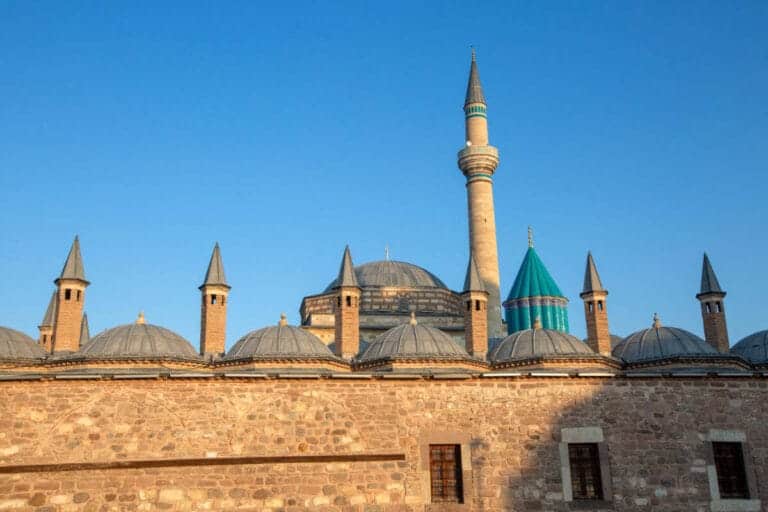
3-Day Cappadocia & Konya Tour from Istanbul
A 3 days Historical & Cultural Tour route covering Cappadocia, Konya and 1 more destination.
View tour details →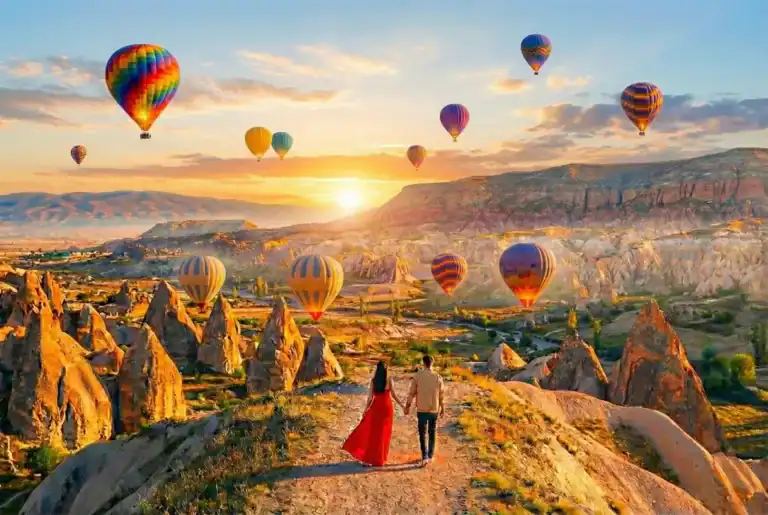
2-Day Cappadocia Adventure with Sunrise Hot Air Balloon Ride
A 2 days Historical & Cultural Tour route covering Cappadocia.
View tour details →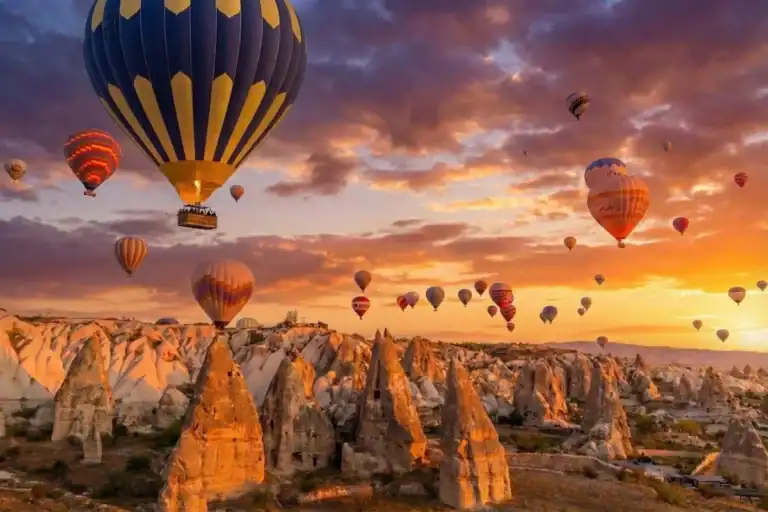
2-Day Cappadocia Tour from Istanbul by Plane with Hot Air Balloon
A 2 days Historical & Cultural Tour route covering Cappadocia, Istanbul.
View tour details →
Small Group 4 Day Cappadocia & Ephesus Tour with Flights
A 4 days Historical & Cultural Tour route covering Cappadocia, Ephesus.
View tour details →Where Should You Stay in Cappadocia?
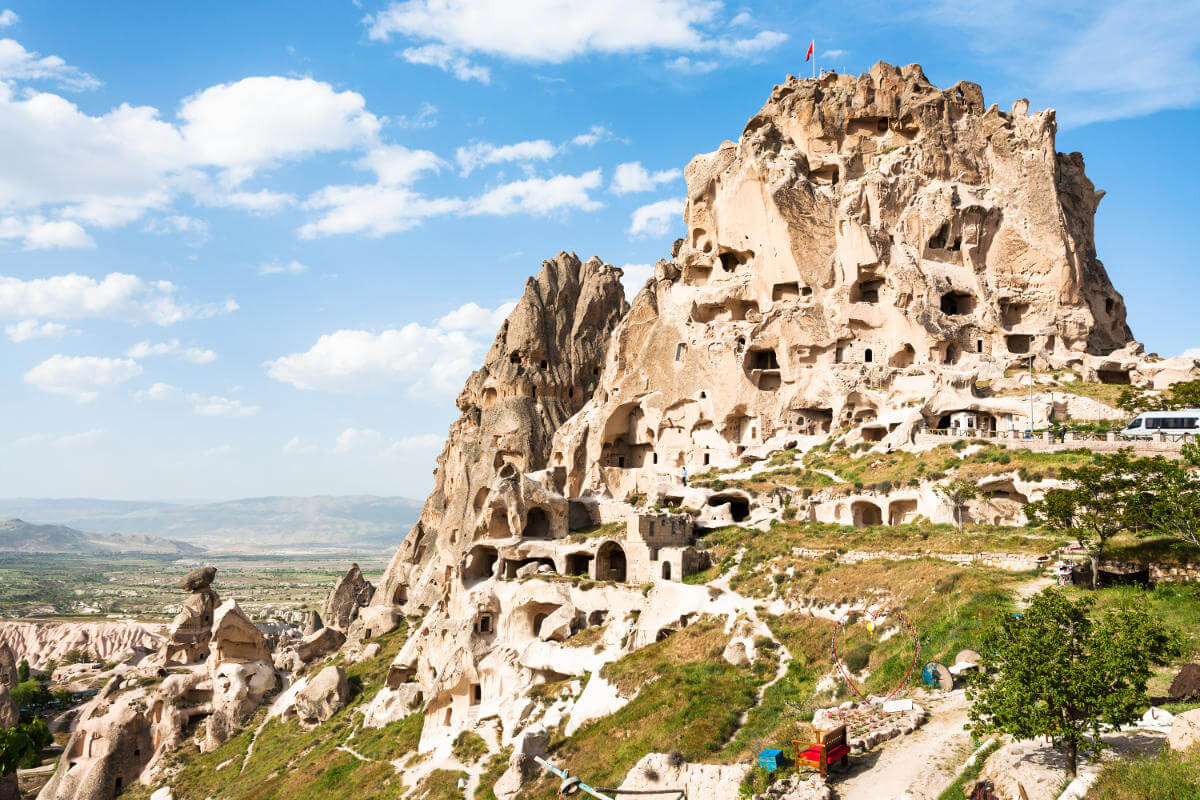
For many first-time visitors, Göreme is the most practical base. It has the widest range of dining, tour pickups, valley access, and early-morning balloon logistics. Uçhisar tends to suit travelers looking for panoramic views and a quieter setting, while Ürgüp offers a more town-like atmosphere with restaurants and boutique properties. Ortahisar is a calmer alternative with local character.
Cave hotels range from genuine rock-cut rooms to stone-built properties with cave-style design, and the distinction matters. Before reserving, ask about heating or cooling, natural light, ventilation, stairs, luggage access, bathroom layout, and whether the room has windows. A scenic room may be less suitable for anyone with mobility concerns or heavy luggage.
For a more detailed first-trip planning checklist, see the Cappadocia travel guide for first-time visitors. Travelers choosing between independent arrangements and coordinated services may also find the comparison of group versus private tours in Turkey useful.
Practical Planning Tips and Common Mistakes
- Do not book the cheapest flight without checking the full route. A late arrival or early departure can turn a two-night stay into only one useful touring day.
- Use proper walking shoes. Valley paths can be dusty, uneven, rocky, or slippery after rain.
- Carry water and sun protection. Facilities are limited once you leave the main road stops.
- Tell your guide about claustrophobia or mobility limitations. Underground-city corridors can be narrow, dim, and low.
- Respect fragile rock sites. Do not climb formations, enter restricted rooms, or touch painted frescoes.
- Build in flexibility. Balloon rescheduling, changing weather, and road timing are easier to manage when the itinerary is not packed too tightly.
Common Questions About Cappadocia’s Fairy Chimneys
Are Cappadocia’s fairy chimneys natural or man-made?
The formations are natural, created by erosion of volcanic rock. People later carved many of them and the surrounding cliffs into homes, chapels, storage rooms, and shelters.
Can you visit Cappadocia without joining a tour?
Yes. Visitors can independently reach several viewpoints and hiking trails, particularly near Göreme. A guided route can be helpful for coordinating transport and understanding cave churches, underground cities, and the history behind the sites.
Are underground cities suitable for everyone?
Not always. They involve stairs, narrow corridors, low ceilings, and dim spaces. Travelers with claustrophobia, balance concerns, knee issues, or limited mobility should discuss the route before entering.
Is Cappadocia suitable for families and older travelers?
Yes, provided the itinerary is matched to the group. Choose shorter walks, accessible viewpoints, a hotel with manageable stairs, and a pace that allows breaks between sightseeing stops.
Is Cappadocia Worth Visiting for the Fairy Chimneys?
Absolutely. The fairy chimneys are the visual highlight, but the best Cappadocia trips also include cave churches, valleys, village viewpoints, and the chance to understand how people shaped life around this volcanic landscape. Give the region at least two full days, place your balloon attempt early in the stay, and choose your sightseeing route based on whether you care most about iconic scenery, underground history, or a slower private pace.
If you would like help matching flights, transfers, accommodation location, balloon timing, and sightseeing to your travel dates, plan your Cappadocia trip with One Nation Travel. The team can coordinate a route that fits your available time and travel style.