
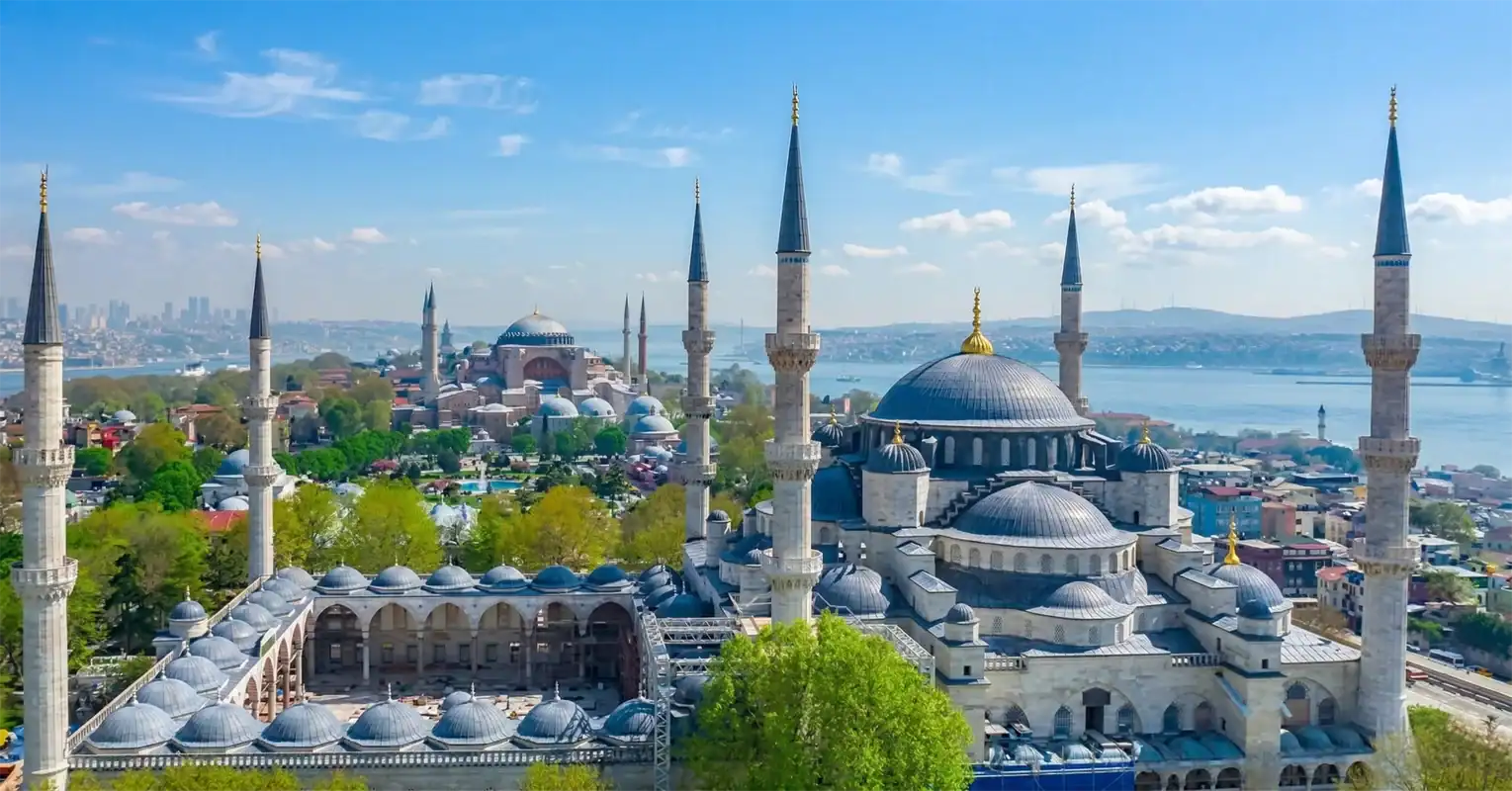
The practical answer: Visit both if you can. Hagia Sophia is the stronger choice for Byzantine history, monumental architecture, and surviving mosaics, while the Blue Mosque offers a more intimate experience of an active Ottoman mosque, exceptional İznik tiles, and generally free visitor entry. They face one another across Sultanahmet Square — about a five-minute walk apart — so most travelers can see both in one well-timed morning. Hagia Sophia was completed in AD 537; the Blue Mosque followed almost eleven centuries later, in 1616.
For first-time visitors to Istanbul, the real decision is less about choosing a winner and more about planning around prayer times, crowds, clothing requirements, and the kind of history that interests you most. These two landmarks look like a matched pair from Sultanahmet Square, but their interiors, visitor routes, and atmosphere are quite different.
What Matters Most Before You Go
- Hagia Sophia was completed in 537 and combines Byzantine structure, Christian mosaics, and Ottoman-era additions; foreign visitors typically use a paid upper-gallery route.
- The Blue Mosque, completed in 1616, is an active mosque known for its six minarets, cascading domes, and extensive blue-and-white İznik tilework.
- The Blue Mosque is generally free to enter, but visitors must work around daily prayer closures; Friday midday is the least flexible time to visit.
- Allow roughly 45 to 75 minutes for Hagia Sophia and 30 to 60 minutes for the Blue Mosque, plus time for security lines and possible prayer closures.
- Both require modest clothing. Bring a scarf if needed, wear clothing that covers shoulders and knees, and choose shoes that are easy to remove.
- If your schedule is tight, prioritize Hagia Sophia for historical depth or the Blue Mosque for Ottoman design and a working-mosque atmosphere.
Hagia Sophia vs. Blue Mosque at a Glance
| Detail | Hagia Sophia | Blue Mosque |
|---|---|---|
| Completed | 537 | 1616 |
| Original purpose | Byzantine cathedral | Imperial Ottoman mosque |
| Style | Byzantine engineering with Ottoman additions | Classical Ottoman architecture |
| What stands out | Vast dome, marble, mosaics, layered religious history | İznik tiles, stained glass, six minarets, prayer-hall atmosphere |
| Visitor access | Foreign visitors generally use the upper gallery and pay an entry fee | Generally free outside prayer periods |
| Best for | History, architecture, Byzantine art, first-time landmark visits | Ottoman art, religious architecture, travelers on a tighter budget |
The two buildings are only a short walk apart, across the gardens and fountains of Sultanahmet Square. Their proximity makes comparison easy: Hagia Sophia feels older, heavier, and more layered; the Blue Mosque feels more symmetrical, decorative, and tied to daily worship.
Why Hagia Sophia Feels Different
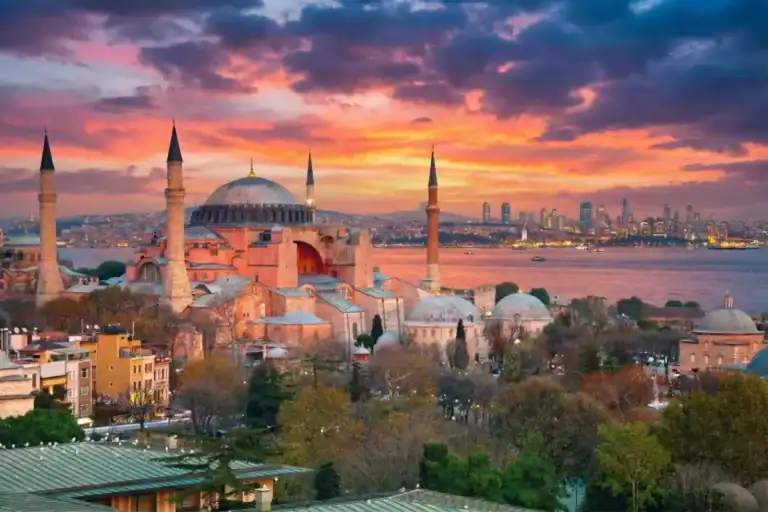
The Hagia Sophia Grand Mosque is one of the defining buildings of the former Byzantine capital. Emperor Justinian I commissioned it after the earlier church on the site was destroyed, and its enormous central dome transformed architectural thinking for centuries.
After the Ottoman conquest of Constantinople in 1453, Hagia Sophia became a mosque. Minarets, calligraphy panels, a mihrab, and other Islamic features were added without erasing the building’s Byzantine fabric. It later operated as a museum for much of the 20th century and now functions again as a mosque.
What foreign visitors should expect inside
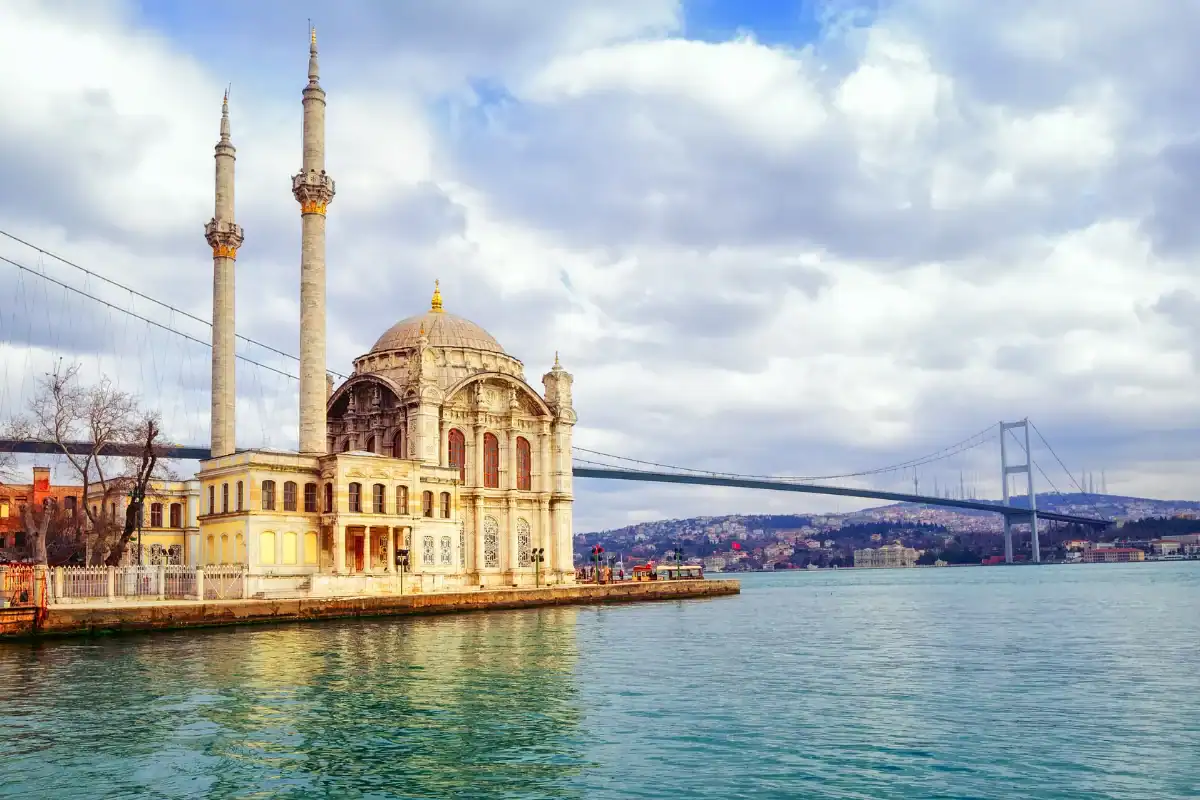
Visitor arrangements have changed in recent years, so it is important to confirm current access rules shortly before your visit. Foreign tourists have generally entered through a dedicated route leading to the upper gallery, while the main prayer hall is reserved for worshippers. There is a visitor fee for this tourist route, and the exact amount can change.
That gallery route is still worthwhile, especially for travelers interested in art and architecture. It gives you the dramatic overhead view of the nave and a closer look at several important mosaics.
- The Deësis Mosaic: A celebrated late Byzantine image of Christ with the Virgin Mary and John the Baptist.
- The imperial mosaics: Look for figures of emperors and empresses set against gold backgrounds.
- The dome: The scale is the point here. Pause beneath it or view it from the gallery rather than rushing through for a single photograph.
- The marble panels and columns: Their colors and mirrored patterns are easy to miss if you only look upward.
- The Ottoman calligraphy roundels: These giant discs create one of Istanbul’s most striking visual contrasts with the Byzantine mosaics.
Planning tip: Treat Hagia Sophia as a timed cultural visit, not a quick photo stop. Build in time for security, ticket procedures, the gallery stairs or ramps, and a slow look at the mosaics. Confirm the current visitor price, opening arrangements, and any worship-related restrictions before setting your day’s schedule.
Why the Blue Mosque Is More Than a Free Stop
The Blue Mosque, formally Sultan Ahmed Mosque, was built under Sultan Ahmed I between 1609 and 1616. Its architect, Sedefkâr Mehmed Ağa, created a deliberate visual response to Hagia Sophia across the square: a central dome, supporting half-domes, and six minarets that give the exterior its unmistakable profile.
Its nickname comes from the interior’s İznik tilework, though the mosque is not uniformly blue. The walls and upper spaces combine cobalt blue, turquoise, white, green, floral motifs, Arabic inscriptions, and filtered daylight. It is a place of worship first, so the mood can be quieter and more personal than travelers expect.
What to notice inside
- İznik tiles: Look closely at the tulip, carnation, cypress, and floral patterns rather than only photographing the central dome.
- The prayer hall: Its proportions are designed to draw your eye upward while keeping the space open for worshippers.
- The courtyard: The large outer courtyard is a rewarding place to pause before entering, particularly when the interior is temporarily closed.
- The exterior view: The clearest classic perspective is from the Byzantine Hippodrome side of Sultanahmet.
The practical limitation is timing. The Blue Mosque closes to non-worshipping visitors around daily prayers, often for a period before and after each prayer. Friday midday can involve a longer closure. Exact prayer times move through the year, so check the entrance notice on the day rather than relying on a fixed schedule from an older travel article.
How to See Both Without Wasting Your Morning
The most reliable approach is to keep your order flexible. Start with whichever building is open to visitors when you arrive, then cross the square to the other one. Trying to force a rigid sequence is how travelers end up waiting through a prayer closure or joining a long midmorning ticket line.
A sensible Sultanahmet route
- Arrive early: Aim for the first practical visitor window of the day, after checking prayer times for the Blue Mosque.
- Visit the Blue Mosque first if it is open: Early morning usually feels calmer before larger group tours arrive.
- Move to Hagia Sophia next: This gives you time to handle the visitor entrance and explore the upper gallery without compressing the visit.
- Continue to Topkapı or the Hippodrome: The Topkapı Palace Museum is a natural next stop if you want a history-focused day. The Hippodrome works better if you prefer a shorter outdoor walk before lunch.
- Leave the Grand Bazaar for later: The Grand Bazaar makes more sense after the monument visits, when you are no longer watching opening windows and prayer times.
Do not schedule this area immediately after a long-haul arrival unless you have no alternative. Sultanahmet rewards attention, and travelers often enjoy it more on their first full, rested day in the city. For a broader city plan, the four-day Istanbul route helps place Sultanahmet alongside the Bosphorus, ferry neighborhoods, markets, and museums.
Dress code and visitor etiquette
Both landmarks are functioning mosques. Dress and behavior matter as much as your ticket or route.
- Cover shoulders and knees; shorts and sleeveless tops are not appropriate inside.
- Women should carry a headscarf. Scarves may be available at entrances, but bringing your own is easier and more comfortable.
- Remove shoes where directed. Slip-on shoes make this simpler, especially at the Blue Mosque.
- Keep your voice low and avoid walking in front of people who are praying.
- Photography rules may change by area or during worship. Avoid flash and do not photograph worshippers.
For travelers watching expenses, the Blue Mosque’s free admission can make a real difference, while Hagia Sophia should be treated as a paid cultural attraction. The Istanbul daily budget guide is useful for putting monument fees, transit, meals, and sightseeing choices into a broader day-by-day budget.
Which One Should You Prioritize?
If you only have time for one, choose based on what you want from the visit rather than on which landmark looks more famous in photos.
Choose Hagia Sophia if you care most about history
Hagia Sophia is the better choice for travelers drawn to empires, religious history, structural innovation, and art that reflects more than one era. It is especially rewarding if you want to understand why Constantinople mattered to both the Byzantine and Ottoman worlds. The paid visitor route and gallery-only experience may feel less spontaneous, but the building’s historical range is hard to match.
Choose the Blue Mosque if you want Ottoman design and a working-mosque experience
The Blue Mosque is often the better fit for travelers who want to see Ottoman religious architecture in active use, admire decorative tilework, and keep costs down. It can also be the easier choice for a short stop, provided you arrive outside prayer periods. Its main trade-off is unpredictability: visitor access depends on worship schedules and may be limited when the mosque is busy.
Choose both if this is your first time in Istanbul
For most first-time travelers, seeing only one leaves the comparison unfinished. The experience is in the contrast: Hagia Sophia’s ancient dome and mosaics on one side of the square, the Blue Mosque’s Ottoman tilework and active prayer hall on the other. Allow a half-day rather than trying to squeeze both between airport transfers, a cruise departure, or a late lunch reservation.
What to verify before committing to a guided day
- Current Hagia Sophia tourist entry price and visitor route.
- Blue Mosque prayer times and any Friday access limitations.
- Whether your guide service includes entrance arrangements, museum fees, or only guiding and transportation.
- Whether the itinerary allows enough time for security lines and worship-related closures.
- Your preferred tour style: a private guide offers more flexibility around closures, while a group itinerary may follow a fixed sequence.
If you are deciding between tour formats, review the practical differences in private versus group tours in Istanbul before booking. It is particularly relevant in Sultanahmet, where a flexible guide can reorder stops when mosque access changes.
Choose your next step
Recommended Istanbul tours
These verified options are the closest available matches for this article’s destination, route intent, and trip length.
Best of Istanbul Private Guided Tour
A 8 hours Cultural & Heritage Tour route covering Istanbul.
View tour details →
Full-Day Historic Istanbul Tour: Explore the Wonders of the Old City
A 8 hours Day Trips from Istanbul route covering Istanbul.
View tour details →
7-Day Istanbul, Cappadocia & Pamukkale Tour
A 7 days Cultural & Heritage Tour route covering Istanbul, Cappadocia and 1 more destination.
View tour details →
7-Day Turkey Highlights Tour from Izmir to Istanbul
A 7 days Cultural & Heritage Tour route covering Turkey, Izmir and 1 more destination.
View tour details →Common Questions Before Visiting
Is Hagia Sophia free to enter?
Access rules differ for worshippers and foreign visitors. Foreign tourists have generally used a paid visitor route to the upper gallery, while worship access is handled separately. Confirm the current fee and entry procedure shortly before your visit because arrangements can change.
Is the Blue Mosque free to enter?
The Blue Mosque is generally free for visitors, but it is an active mosque and closes to sightseeing visitors around prayer times. Entry may also be restricted during particularly busy worship periods.
Can you visit Hagia Sophia and the Blue Mosque in one day?
Yes. They are across Sultanahmet Square from one another, and a morning or early afternoon is normally enough for both if you plan around prayer times and allow for security or ticket lines.
Do women need a headscarf at both mosques?
Women should cover their hair inside both sites, and all visitors should cover shoulders and knees. Carrying a light scarf in your day bag is the most dependable option.
What is the best time of year to visit Sultanahmet?
Spring and fall are often easier for walking and sightseeing than peak summer, when the square and monument entrances can be especially crowded. For seasonal trade-offs, see advice on choosing the best month for a first Turkey trip.
See the Contrast, Not Just the Landmarks
Hagia Sophia and the Blue Mosque are best treated as one essential Sultanahmet experience. Start early, dress respectfully, check the day’s prayer schedule, and give each building enough time to make its own impression. Hagia Sophia provides the deeper historical arc; the Blue Mosque provides the stronger sense of Ottoman religious life continuing in the present.
If you would like Sultanahmet arranged around your dates, interests, hotel location, and the rest of your Turkey itinerary, share your plans through the Plan My Trip form. One Nation Travel can coordinate a practical itinerary with selected local guides and services based on the pace and level of support you prefer.
Which one should you visit first?
If you only have time for one landmark, choose Hagia Sophia for its layered Byzantine and Ottoman history. Choose the Blue Mosque if your priority is an active mosque experience, Ottoman tile work and a calmer architectural visit when prayer times are avoided.
For most first-time Istanbul travelers, the best answer is to see both in the same half day. They stand across Sultanahmet Square from each other, but the visit works better with timing: start early, check prayer closures, dress modestly, and leave room for the Basilica Cistern or Topkapi Palace nearby.
Key differences at a glance
Hagia Sophia is the stronger choice for layered history: Byzantine church, imperial monument, Ottoman mosque and modern visitor landmark in one building. The Blue Mosque is the stronger choice for classic Ottoman mosque architecture, blue Iznik tiles, courtyard symmetry and an active worship setting.
- Hagia Sophia: older, more complex historically and usually more crowded.
- Blue Mosque: active mosque, free to enter, but visitor access pauses around prayer times.
- Both: modest dress is expected, and women should carry a scarf for mosque areas.
- Best plan: visit both with the Hippodrome, then add Topkapi Palace or the Basilica Cistern.
Practical timing from our Istanbul route planning
Hagia Sophia usually needs more buffer because entry flow, security and crowd density can change during the day. The Blue Mosque is still an active place of worship, so non-worship visitor access pauses around prayers. A licensed guide is useful when you want the religious context without losing time in queues or walking back and forth across the square.
- Best short visit: Hagia Sophia, Blue Mosque and the Hippodrome in one guided old city walk.
- Best deeper visit: add Topkapi Palace and the Basilica Cistern on the same day.
- Avoid: arriving late morning in peak season with no plan for prayer-time closures.
Best half-day route in Sultanahmet
Start with Hagia Sophia while the day is still young, then cross Sultanahmet Square to the Blue Mosque when visitor access is open. From there, continue to the Hippodrome, Basilica Cistern, Topkapi Palace or the Grand Bazaar depending on how much time you have.
If this is your first Istanbul visit, a guided old city tour is usually more useful than reading facts on your phone while standing in the square. The value is context, pacing and avoiding avoidable backtracking.
Frequently asked questions
Can I visit Hagia Sophia and the Blue Mosque on the same day?
Yes. They are next to each other in Sultanahmet, and most visitors see both in the same morning or afternoon.
Do I need a guide for Hagia Sophia and the Blue Mosque?
You can visit independently, but a licensed guide helps explain the Byzantine, Ottoman and Islamic context and keeps the route efficient when time is limited.
Which is better for first-time visitors?
Hagia Sophia is usually the higher-priority landmark for history, while the Blue Mosque is essential for understanding Ottoman mosque architecture. If possible, visit both.
What should I wear to Hagia Sophia and the Blue Mosque?
Dress modestly. Shoulders and knees should be covered, and women should carry a scarf for mosque areas.
Recommended Istanbul tours for Sultanahmet
These tours help turn the Hagia Sophia and Blue Mosque comparison into a clean Istanbul sightseeing route.