
Bottom line: Turkey’s top experiences combine Istanbul’s imperial monuments, Cappadocia’s balloon-filled valleys and underground cities, Ephesus’ Roman streets, Pamukkale’s thermal terraces, Antalya’s coast, and the moving history of Gallipoli and Troy. For a first trip, prioritize Istanbul, Cappadocia, Ephesus, and Pamukkale; add Antalya or the Gallipoli–Troy loop only when you have enough time to avoid a rushed route.
Turkey suits travelers who want major historical sites, distinctive landscapes, excellent food, and varied regional experiences in one trip. The key planning decision is not simply what to see—it’s how many stops your available days can realistically support. Istanbul, Cappadocia, the Aegean ruins, and the Mediterranean coast are separated by long road journeys, so a sensible route matters as much as the attractions themselves.
What Matters Most When Planning Turkey
- Allow at least seven days for Istanbul, Cappadocia, Ephesus, and Pamukkale without spending most of the trip in transit.
- Schedule a Cappadocia balloon flight on your first available morning, not your last, because weather can ground flights.
- Visit exposed ruins such as Ephesus and Hierapolis early or late in the day, especially from June through September.
- Use domestic flights strategically between Istanbul, Cappadocia, Izmir, and Antalya; long overland transfers can consume a full day.
- Keep some room in the budget for site admissions, optional experiences, meals, and local transfers, as package inclusions vary.
- For a broader first trip, choose either Antalya’s coast or Gallipoli and Troy rather than trying to force both into a short itinerary.
The 10 Best Things to Do in Turkey

1. Explore Istanbul’s Imperial Landmarks
Istanbul is the natural starting point for many first-time visitors because it offers Ottoman, Byzantine, and modern Turkish life in one city. In Sultanahmet, begin with Hagia Sophia Grand Mosque, then walk across the square to the Blue Mosque. Both are active religious sites, so visitors should dress modestly and plan around prayer times.
Set aside another half day for Topkapi Palace Museum, particularly if the Harem interests you, then continue to the Grand Bazaar and Spice Bazaar. A Bosphorus cruise is worth adding for the city’s waterfront perspective. Three nights is a practical minimum if you want to see the essentials without treating Istanbul as a transfer stop.
2. Take a Sunrise Balloon Flight in Cappadocia
Cappadocia is known for volcanic valleys, rock-cut churches, cave dwellings, and sunrise balloon flights. A flight is optional rather than essential to enjoying the region, but it remains the experience many travelers plan their trip around. Departures are normally before sunrise, and weather conditions determine whether flights operate.
The practical rule is simple: book the balloon for the first morning of your Cappadocia stay and allow at least one backup morning. A cancellation on the final day can leave no opportunity to reschedule. Travelers who are uneasy about heights can still enjoy the balloon-filled sky from a viewpoint around Göreme or a valley trail.
3. See Göreme’s Valleys, Cave Churches, and Fairy Chimneys
Beyond the balloon, spend a full day exploring Göreme National Park. The open-air museum’s painted cave churches provide important context for the region’s Christian heritage, while Pasabag Monks Valley is one of the best places to see Cappadocia’s tall, mushroom-shaped rock formations.
This is a region where a guided day can be particularly useful: the landscape is easy to admire independently, but the historical function of the churches, monasteries, valleys, and former settlements is not always obvious from signage alone. Wear shoes with grip, carry water, and expect uneven paths and steps.

4. Descend Into Cappadocia’s Underground Cities
The Cappadocia Underground City is a striking counterpoint to the open valleys above ground. These subterranean complexes include ventilation shafts, storage areas, stables, places of worship, and defensive stone doors. Kaymaklı and Derinkuyu are the best-known examples, and visiting one gives travelers a clearer sense of how communities used the soft volcanic rock for protection and daily life.
Consider your comfort level before committing. Some passages are low, narrow, and crowded during busy periods. Travelers with serious claustrophobia, limited mobility, or respiratory concerns may prefer to focus on the valleys and open-air sites instead.
5. Walk the Marble Streets of Ancient Ephesus
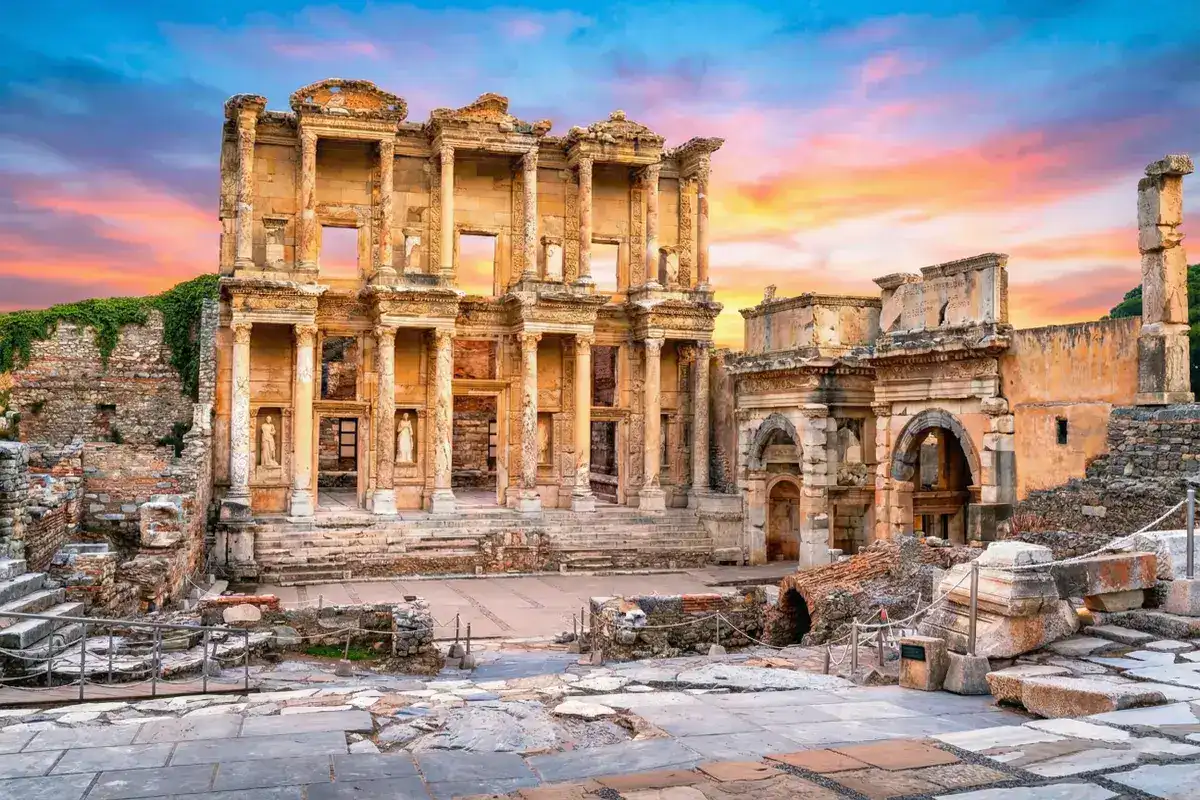
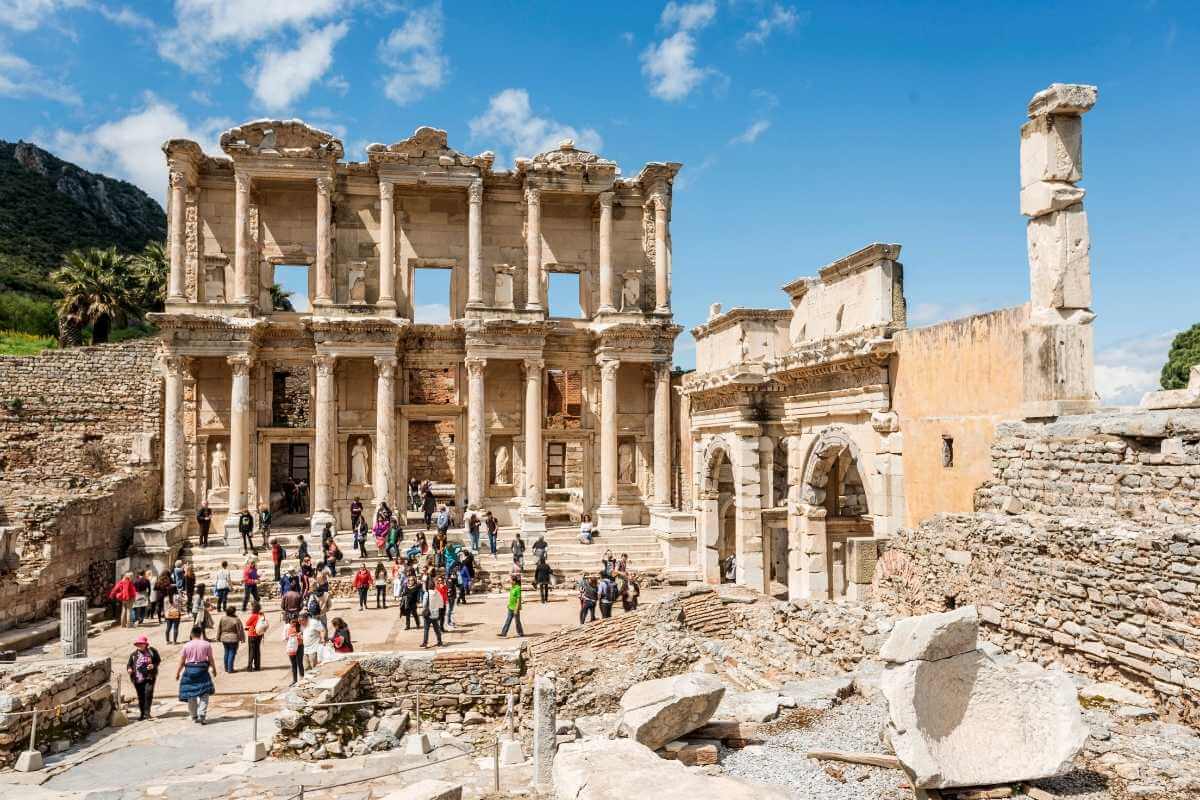
Ephesus, near Selçuk on Turkey’s Aegean side, is one of the country’s most rewarding archaeological visits. The Library of Celsus, colonnaded streets, bath complexes, and the Great Theatre of Ephesus make the scale of this former Roman port city easy to understand.
Arrive close to opening time or visit later in the afternoon. Summer heat reflects strongly from the marble, shade is limited, and large groups often arrive in the middle of the day. If your budget allows, the Terrace Houses in Ephesus are a worthwhile add-on for travelers interested in Roman domestic life, mosaics, and frescoes. Nearby, the House of the Virgin Mary is an important pilgrimage stop for many Christian visitors.
6. Walk Pamukkale’s White Thermal Terraces
The white calcium slopes of Pamukkale are among Turkey’s most recognizable landscapes. Visitors walk designated areas barefoot, so bring a small bag for shoes and choose footwear that is easy to remove. Water levels and accessible pools can vary with site management and seasonal conditions, so it is best to arrive with flexible expectations rather than assuming every terrace will be full.
At the top of the terraces lies Hierapolis-Pamukkale, an ancient spa city with a theater, broad necropolis, and Roman remains. The Cleopatra Antique Pool is a separate optional experience. It is a good choice for travelers who enjoy thermal bathing, but those short on time may prefer to prioritize the terraces and archaeological site.
7. Combine Roman Ruins and the Coast in Antalya
Antalya is the best addition for travelers who want a slower Mediterranean stop after several history-heavy days. Start in Kaleiçi, the old town, where narrow streets, restored Ottoman-era buildings, harbor views, and cafés make for an easy unstructured afternoon.
For archaeology, the Antalya Museum gives useful context before visiting nearby sites. The Aspendos Theater is a standout for Roman engineering, while Side pairs ancient ruins with a seaside setting. Antalya works particularly well from late spring through early fall, though beach conditions and swimming comfort vary by month. Travelers focused on ruins may prefer the Aegean; those wanting downtime should give Antalya two nights.
8. Pay Respects at Gallipoli
The Gallipoli Peninsula is one of Turkey’s most meaningful historical landscapes. The 1915 campaign remains deeply significant in Turkey, Australia, New Zealand, the United Kingdom, and other countries connected to the conflict. Stops can include ANZAC Cove, cemeteries, memorials, and the Lone Pine Monument.
Gallipoli is best approached as a reflective historical visit, not a quick photo stop. A knowledgeable guide can help explain the terrain, the sequence of events, and why locations that appear close on a map were so difficult during the campaign. Combine it with Troy over two days when possible rather than attempting a long round trip from Istanbul in one day.
9. Stand at the Ancient City of Troy
Ancient City of Troy, near Çanakkale, appeals most to travelers interested in archaeology, Homeric tradition, and the long sequence of settlements uncovered at the site. The ruins are less visually intact than Ephesus, so expectations matter: this is a place to understand layers of history rather than a reconstructed classical city.
Pairing Troy with Gallipoli makes good geographical and thematic sense. Travelers who have only a week in Turkey should usually choose Istanbul, Cappadocia, Ephesus, and Pamukkale first. Troy becomes more rewarding when you have enough time to see it without sacrificing a needed night elsewhere.
10. Make Turkish Food Part of the Itinerary
Food is one of the most enjoyable reasons to travel through Turkey, and it changes noticeably by region. Start with a traditional breakfast of cheeses, olives, eggs, breads, preserves, honey, and tea. In Istanbul, try fish sandwiches near the waterfront, meze dishes, and regional desserts. In Cappadocia, testi kebab is a popular local specialty, cooked in a sealed clay pot. Along the Aegean and Mediterranean, look for olive-oil dishes, grilled fish, and seasonal vegetables.
Rather than seeking one “best” restaurant, use meals to explore neighborhoods and regional cooking. Ask about ingredients if you have dietary requirements, particularly around meat broths, dairy, nuts, and shared meze dishes. For more practical planning, see the Turkey travel tips for first-time visitors.
How Should You Route Turkey’s Highlights?
For most first trips, an efficient route follows the country’s transport network rather than trying to drive every segment. Domestic flights can save considerable time, while a driver-guided route is often more practical for the Aegean and Mediterranean sections where sights are spread out.
| Available Time | Best Route Focus | What to Leave for Another Trip |
|---|---|---|
| 4–5 days | Istanbul and Cappadocia, or Cappadocia with Ephesus/Pamukkale | Antalya, Gallipoli, Troy, and southeastern Turkey |
| 7 days | Istanbul, Cappadocia, Ephesus, and Pamukkale | Usually Antalya or the Gallipoli–Troy loop |
| 9–10 days | Add Antalya for coast and Roman sites | Mount Nemrut unless the itinerary is specifically built around it |
| 12+ days | Add Gallipoli and Troy, or extend toward southeastern Turkey | Nothing essential, but avoid adding stops solely to fill days |
A common route is Istanbul, Cappadocia, Pamukkale, Ephesus, and then Antalya. Another sensible approach is to begin in Cappadocia, schedule the balloon early, and finish in Istanbul near your international departure airport. That order can reduce the disappointment of a weather cancellation and leaves the city portion for the end of the trip. For more route ideas, compare the seven-day Turkey itinerary with this 10-day Turkey itinerary.
Which Turkey Experiences Fit Your Travel Style?
Choose Istanbul and Cappadocia if this is your first visit, you have less than a week, or you want the strongest mix of city life and dramatic landscapes. This pairing is also the simplest to manage with domestic flights.
Add Ephesus and Pamukkale if Roman history and major archaeological sites are priorities. These stops work well together, but they require careful transfer planning and early starts during hot weather.
Add Antalya if you want beaches, a relaxed evening atmosphere, and Roman sites without making every day an archaeological marathon. It is a better fit for couples, families, and travelers who want downtime between sightseeing days.
Add Gallipoli and Troy if military history, ANZAC heritage, archaeology, or Homeric history is personally meaningful. They are rewarding, but not the best use of limited time for travelers who have never seen Istanbul or Cappadocia.
Before booking any itinerary, verify the number of nights in each destination, internal flight timing, whether entrance fees are included, the balloon flight’s status as an optional or included activity, hotel locations, and the amount of free time. A route can look comprehensive on paper while still being too transfer-heavy for the pace you want.
Planning tip: Avoid treating Turkey as a checklist. Four well-paced destinations usually provide a better trip than seven destinations connected by early alarms, long drives, and one-night hotel stays.
Choose your next step
Recommended Turkey tours
These verified options are the closest available matches for this article’s destination, route intent, and trip length.
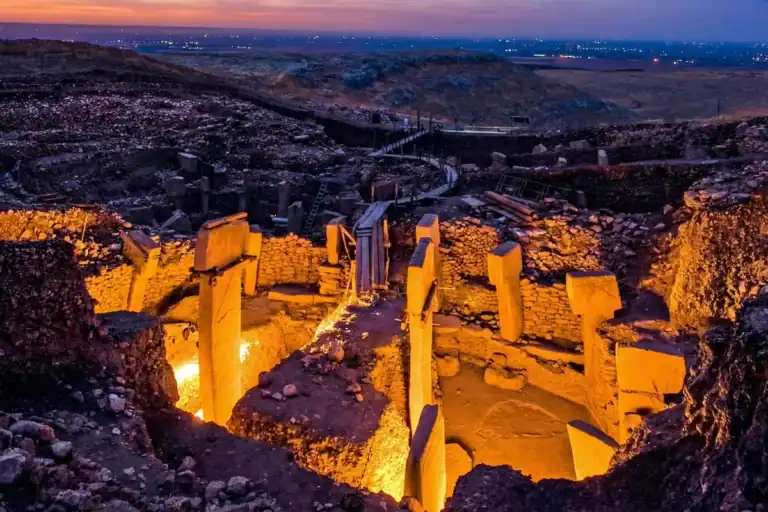
18-Day Grand Turkey Tour: Land of Civilizations & Wonders
A 18 days Cultural & Heritage Tour route covering Turkey.
View tour details →
6-Day Best of Turkey Tour from Istanbul
A 6 days Cultural & Heritage Tour route covering Turkey, Istanbul.
View tour details →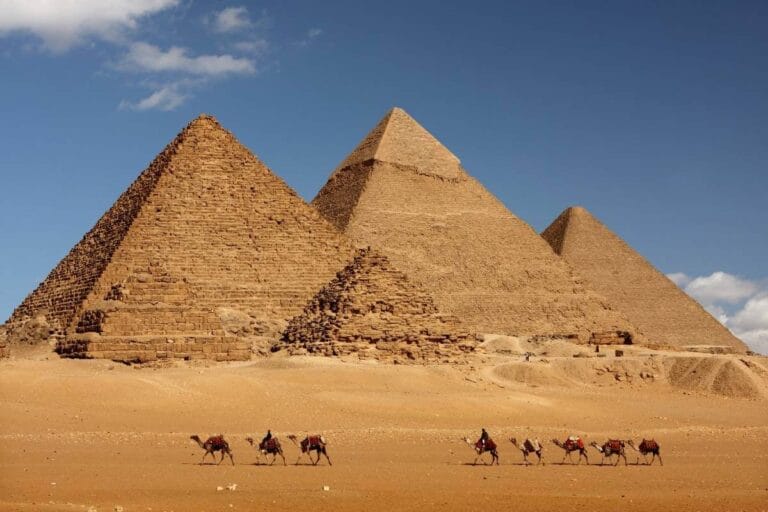
10-Day Turkey & Egypt Tour Package
A 10 days Cultural & Heritage Tour route covering Turkey, Egypt.
View tour details →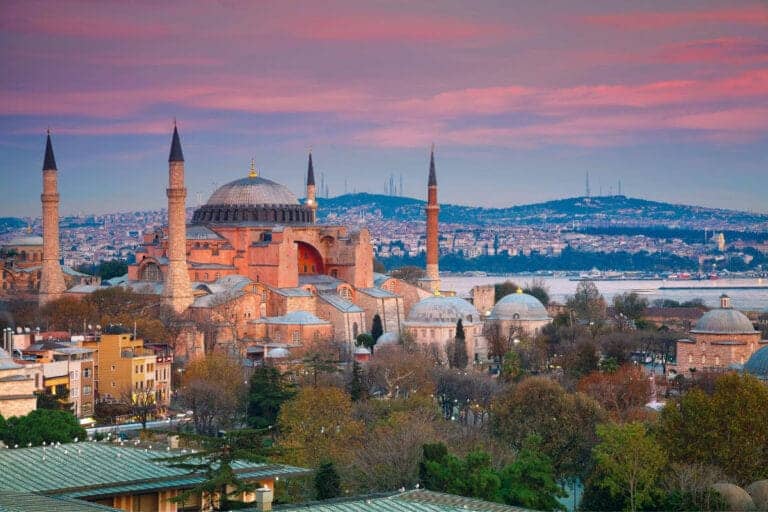
12-Day Wonders of Turkey and Jordan Tour
A 12 days route covering Turkey, Jordan.
View tour details →Turkey Travel Questions, Answered
What is the number one thing to do in Turkey?
For many first-time visitors, a sunrise balloon flight in Cappadocia is the signature experience. Istanbul’s Hagia Sophia, Blue Mosque, and Bosphorus are equally essential for travelers more interested in city history and culture.
How many days do you need for Turkey’s main attractions?
Seven days is a realistic minimum for Istanbul, Cappadocia, Ephesus, and Pamukkale. Plan nine to 10 days if you also want Antalya, and 12 or more days for Gallipoli, Troy, or a broader regional route.
When is the best time to visit Turkey?
Spring and fall are generally the most comfortable seasons for a multi-stop trip, with milder temperatures for ruins and cities. Summer is best for beach time but can be very hot inland. Read more about seasonal choices in the best month for a first Turkey trip.
Can you visit Cappadocia, Ephesus, and Pamukkale on one trip?
Yes. These are frequently combined on a seven- to 10-day route, usually using domestic flights for the Istanbul–Cappadocia portion and organized road transfers through Pamukkale and the Aegean region.
Plan a Turkey Trip That Matches Your Pace
Turkey’s best experiences are varied enough that no single itinerary suits everyone. If your priority is a first-trip overview, focus on Istanbul, Cappadocia, Ephesus, and Pamukkale. Add Antalya for coast time, or Gallipoli and Troy for deeper history, when your schedule allows. Share your travel dates, preferred pace, and must-see places through the Plan My Trip form, and One Nation Travel can help coordinate a route with the right balance of sightseeing, transfers, and free time.