
The practical answer: Istanbul can still work for very different budgets, but your hotel choice and paid attractions determine the final number. A careful backpacker may manage on about $50–$70 a day, while most travelers wanting a private room, good meals, transit, and one or two major sights should allow roughly $120–$180 per person per day. The $8 Bosphorus ferry outing and $2.50 kebab remain useful budget benchmarks, but check current lira prices locally.
Istanbul rewards travelers who make a few smart choices early: where to sleep, how many ticketed landmarks to visit, and whether to use public ferries or paid sightseeing experiences. Food and local transport can be excellent value; a last-minute Sultanahmet hotel, frequent taxis, and several high-priced museum entries can change the math quickly.
What Matters Most for Your Istanbul Budget
- Plan $120–$180 per person per day for a comfortable independent stay with a private room, mixed dining, public transit, and selected paid sights.
- Accommodation is the largest variable. Staying near Sultanahmet saves walking time but can cost more than Sirkeci, Beyoğlu, Karaköy, or Kadıköy.
- Use an Istanbulkart for daily travel. It is usually more practical than relying on taxis for trams, metro lines, buses, and public ferries.
- Build in museum costs before you arrive. International visitor admission prices and access rules can change, so confirm them directly before finalizing a daily spend.
- Public ferries offer the lowest-cost Bosphorus views, while a guided or dinner cruise makes sense when commentary, structured timing, or an evening experience matters more than the lowest fare.

What Does a Day in Istanbul Actually Cost?
For budgeting, it is more useful to separate unavoidable costs from choices. Your room, meals, local transportation, sightseeing, and incidental spending all move independently. A traveler who stays in a dorm and focuses on mosques, neighborhoods, and ferries will spend very differently from someone booking a boutique hotel and visiting multiple paid monuments.
| Travel style | Typical daily planning range | What that usually allows |
|---|---|---|
| Budget | $50–$70 | Dorm bed, street food and local restaurants, public transit, mostly free sights |
| Comfortable mid-range | $120–$180 | Private room, varied meals, transit plus occasional taxi, one significant paid attraction |
| Higher-end | $300+ | Luxury hotel, restaurant dining, private transport, guides, spa or cruise experiences |
These are planning ranges, not fixed rates. Istanbul prices are set in Turkish lira, while hotel rates can fluctuate sharply by season, events, room type, and booking lead time. If you are traveling in the popular late-spring through early-fall period, lock in lodging earlier than you would for a winter visit.
Accommodation: The Choice That Changes Your Daily Spend
Choosing the right neighborhood can save both money and time. A lower room rate is not necessarily a bargain if it creates long taxi rides or tiring connections after a full day of sightseeing.
Sultanahmet: Best for first-time convenience
Sultanahmet puts you close to the Hagia Sophia Grand Mosque, Blue Mosque, and Topkapi Palace Museum. It suits short stays, travelers with limited mobility, and anyone who wants early access to the historic peninsula without a commute. The trade-off is that rooms can carry a location premium, especially in high season.
Sirkeci, Karaköy, and Beyoğlu: Better balance for many travelers
Sirkeci is convenient for trams and ferries. Karaköy offers easy access to the waterfront, cafés, and the walk toward Galata Tower. Beyoğlu works well for dining and evening energy near Istiklal Avenue. These areas often provide more choice across budget and boutique categories, though you should check the exact walk to the nearest transit stop rather than relying on a neighborhood label alone.
Kadıköy: Good value if you enjoy ferry travel
On the Asian side, Kadıköy can suit travelers looking for a more residential feel, local restaurants, and potentially better value. The ferry ride is part of the appeal, but it adds time. It is a good choice for a longer stay, not always the easiest base for a two-night first visit focused entirely on Sultanahmet.
Booking judgment: Compare the final room rate, breakfast, taxes, cancellation conditions, and the property’s actual transit access. A hotel with breakfast and a short tram or ferry walk can be better value than the lowest advertised room rate.
Food and Drink: Where Istanbul Delivers the Best Value
Eating well does not require an expensive restaurant reservation. A realistic food budget depends on whether you are happy with quick meals, want alcohol with dinner, or prefer a sit-down meal every evening.
- Simple breakfast: A simit, tea, pastry, or breakfast plate can keep the morning spend low. Hotel breakfast can also be worthwhile when included in the room rate.
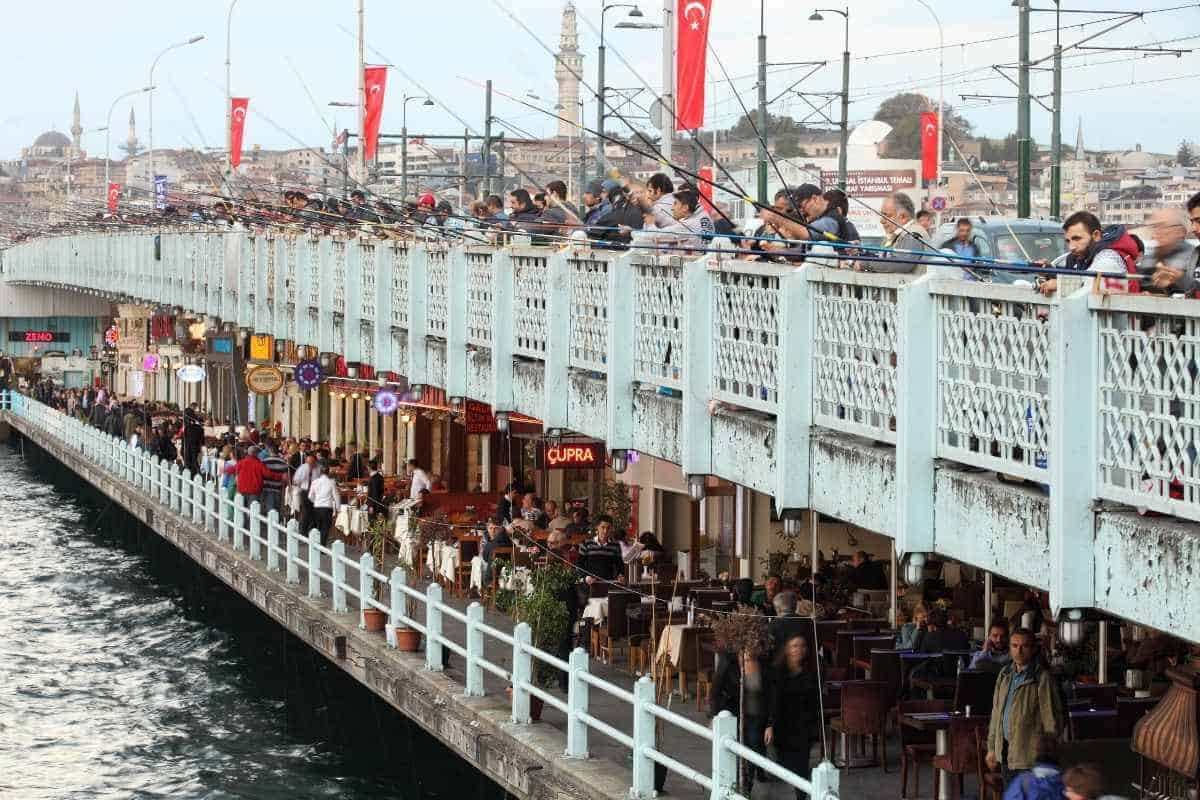
- Street-food lunch: Simit, döner, soup, stuffed mussels, gözleme, and fish sandwiches are practical choices when bought from established, busy vendors. A basic kebab around $2.50 is a useful low-cost benchmark, but portions and current lira pricing vary considerably.
- Lokanta meal: Traditional self-service restaurants are often the most dependable middle ground: choose from prepared soups, vegetables, rice, stews, and grilled dishes, then pay according to the plate.
- Sit-down dinner: A mid-range meal becomes notably more expensive with alcohol, waterfront views, imported drinks, or a tourist-center address. Check whether bread, water, service, or cover charges appear on the bill.
The Spice Bazaar and Grand Bazaar Istanbul are enjoyable places to browse, but they are not automatically the cheapest places to buy snacks, tea, or souvenirs. For a more reliable daily budget, eat one meal in a neighborhood away from the most concentrated visitor areas.
For a useful contrast between the city’s two sides and how ferries fit into a day, see Breakfast in Europe, Lunch in Asia: The Magic of Istanbul.
Getting Around: Budget for an Istanbulkart, Not Constant Taxis
Istanbul’s size can be deceptive on a map. The historic core is walkable, but the city’s best days usually combine walking with trams, metro lines, and ferries. An Istanbulkart is the practical default for local transportation and can be topped up as needed. Confirm the card price, fare structure, and any current usage rules at an official machine or transit point when you arrive.
How much should you allow for transportation?
For a sightseeing day based around the old city, a few transit rides plus a ferry can keep transport spending modest. Allow more if your plan includes airports, late-night taxi rides, crossing between distant neighborhoods, or a hotel outside the central districts. Taxis can be useful with luggage or when public transport is limited, but ask for the meter to be used and keep your route visible on a map.
The $8 Bosphorus ferry benchmark
A public-ferry excursion on the Bosphorus is one of Istanbul’s best low-cost experiences. Around $8 is a reasonable planning benchmark for a longer scenic public-ferry outing, not a guaranteed fare. Standard commuter crossings may cost less, and exact routes, fares, and operating times can change.
For a simple route, take a daytime ferry between Eminönü, Karaköy, Kadıköy, Üsküdar, or another convenient waterfront stop, then return after a walk and a meal. You will see the waterway, city skyline, and changing European and Asian shorelines without treating the ferry as a substitute for every organized cruise experience.

Paid Sights: Set Aside a Separate Attraction Fund
Istanbul has many rewarding free experiences: admiring mosque exteriors, walking through historic neighborhoods, crossing Galata Bridge, and exploring the city’s markets. But the major ticketed landmarks should be a separate line in your budget, not an afterthought.
International visitor prices, ticket combinations, opening arrangements, and religious-site visiting access can change. Before you travel, verify the official entry process for the sites that matter most to you, particularly Topkapi Palace and the interiors or visitor areas of major monuments. Do not assume that a location’s role as an active mosque means all visitor access is free or available at all times.
A practical sightseeing rhythm
Most first-time visitors should not plan more than one major ticketed landmark plus one neighborhood or ferry experience in the same day. Long queues, security checks, prayer-time access restrictions, heat, and Istanbul’s hills can make an ambitious checklist feel rushed. Pair the historic peninsula with the Byzantine Hippodrome and markets, or reserve another day for Galata, Karaköy, and the waterfront.
If you have four days, this detailed Istanbul Travel Guide 2026: The Exact 4-Day Route Locals Use can help you organize neighborhoods and ferry time more efficiently. Travelers deciding whether expert guiding is worth the cost may also find Private Tour vs Group Tour in Istanbul: Is It Worth the Money? useful.
Sample Daily Spending Plans
Budget day: approximately $50–$70
- Dorm accommodation or a very low-cost private-room share
- Breakfast from a bakery or included at the hostel
- Street food and one local-restaurant meal
- Public transportation with an Istanbulkart
- Free or low-cost activities, such as markets, mosques where visitor access permits, and a neighborhood walk
Comfortable day: approximately $120–$180
- Private hotel room, with the cost shared where applicable
- A mix of casual food, coffee stops, and one sit-down dinner
- Public transit plus a short taxi if genuinely useful
- One major paid attraction or a structured sightseeing activity
- Allowance for small purchases, tips, and changing entry fees
Higher-end day: $300 and above
- High-end boutique or luxury accommodation
- Restaurant dining, cocktails, and rooftop or waterfront venues
- Private transfers, guided touring, and more than one paid experience
- Optional additions such as a hammam, private guide, or evening cruise
Should You Use Public Ferries or Book a Guided Istanbul Experience?
Choose the public ferry if your priority is cost, flexibility, and seeing Istanbul at your own pace. It is especially good for independent travelers who are comfortable checking routes, navigating terminals, and building time for an unhurried waterfront stop. Keep the weather, ferry schedule, and your hotel location in mind.
Choose a guided outing when you want a fixed plan, historical context, coordinated sightseeing, or help fitting several landmarks into limited time. A private guide can be particularly worthwhile for families, first-time visitors with only one full day, travelers with mobility considerations, or anyone who prefers not to negotiate museum access, meeting points, and local route choices alone.
Before booking any excursion, verify the meeting location, exact itinerary, entrance-fee treatment, transport, meal arrangements, group size where relevant, and what happens if weather or religious access affects the schedule. For travelers who need to change or cancel a booked tour, notice must be given at least 5 days before the tour starts; non-refundable flight and bus ticket costs are deducted from the paid balance. With less than 5 days notice, or for a no-show, the full payment is non-refundable.
For multi-day visitors who want the major landmarks arranged in advance, compare the pace and inclusions of a 4-Day Best of Istanbul Tour with the 5-Day Istanbul Tour Package with Hagia Sophia and Bosphorus Cruise. If you only have a single day, a private guided Istanbul tour may be the more efficient fit.
Choose your next step
Recommended Istanbul tours
These verified options are the closest available matches for this article’s destination, route intent, and trip length.

4-Day Best of Istanbul Tour
A 4 days Cultural & Heritage Tour route covering Istanbul.
View tour details →
5-Day Istanbul Tour Package with Hagia Sophia and Bosphorus Cruise
A 5 days Cultural & Heritage Tour route covering Istanbul.
View tour details →
Best of Istanbul Private Guided Tour
A 8 hours Cultural & Heritage Tour route covering Istanbul.
View tour details →
Istanbul Bosphorus Cruise & Two Continents Tour
A 8 hours Day Trips from Istanbul route covering Istanbul.
View tour details →Common Istanbul Budget Questions
How much cash should I carry in Istanbul?
Cards are widely accepted at hotels, many restaurants, and larger shops, but cash remains useful for small purchases, market stalls, local cafés, and tips. Withdraw or exchange a manageable amount of Turkish lira first, then replenish as needed rather than carrying your entire trip budget.
Should I exchange money before arriving in Turkey?
Compare the rate and fees offered by your bank, card provider, ATMs, and exchange offices. Airport exchange counters are often less favorable than city options. When using an ATM or card terminal, review the currency-conversion choice carefully before accepting it.
Is tipping expected in Istanbul?
Tipping is appreciated for good service but is not handled exactly like it is in the United States. In restaurants, a modest tip is common when service has been good. Small cash tips are also useful for service staff and guides where appropriate; check whether a service charge is already included.
Is a Museum Pass worth buying?
It depends entirely on the specific sites you plan to visit, the pass’s current coverage, and how many paid attractions you can realistically fit into your schedule. Add up the confirmed individual admissions first, then compare them with the current pass price and access conditions.
Plan a Budget That Leaves Room to Enjoy the City
Istanbul does not require a luxury budget, but it benefits from a realistic one. Book the location that suits your trip length, use public transit for routine journeys, set aside funds for the paid sights you truly care about, and leave room for a long meal or ferry ride that was not on the original schedule. If you would like help matching an Istanbul itinerary to your pace and budget, plan your trip with One Nation Travel.