
Short answer: Istanbul in February is cold, damp, and quiet, with daytime highs around 6–11°C (43–52°F), lows near 2–6°C (36–43°F), and 11–13 rainy days. Occasional snow is possible early in the month. Expect low-season prices, thin crowds at major sights, and short daylight, so plan indoor-heavy days with a few sheltered outdoor highlights.
This guide is for travelers weighing a winter trip to Istanbul and wondering whether February is worth it. The short version: it can be a genuinely good value if you accept the weather and build a flexible plan. The most important decision isn’t what to pack—it’s how you sequence your days so a rainy afternoon doesn’t derail you.
Key Takeaways
- February is off-season, so hotel and tour prices are usually at their lowest and lines are short at major sites.
- Weather is chilly and wet, not brutal—layers and a waterproof coat matter more than heavy winter gear.
- Daylight is limited (roughly 7 a.m. to 5:30–6 p.m.), so start early and front-load outdoor sights.
- Snow happens but rarely sticks; the bigger planning factor is rain and grey skies.
- Build days around indoor anchors—mosques, museums, bazaars, hamams—with ferry rides and walks as fair-weather bonuses.
What Is the Weather Like in Istanbul in February?
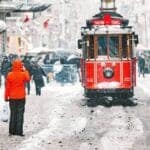
February is still winter, but it leans toward the end of it. Days are slightly longer than January, and the deep cold eases a little as the month progresses. Snow is possible, mostly in early February, though it usually melts within a day or two.
Typical daytime highs run 6–11°C (43–52°F), with nighttime lows around 2–6°C (36–43°F). Rain is the defining feature: count on 11–13 wet days spread across the month, often as drizzle or short showers rather than all-day downpours. Humidity sits around 70–75%, and mornings frequently start grey and misty before clearing later. Wind off the Bosphorus makes it feel colder than the thermometer suggests, especially on ferries and open waterfronts.
Planning tip: treat the forecast as a rough guide, not a promise. Istanbul weather shifts hour to hour in winter, so keep one indoor option in your back pocket for every day.
Why Visit Istanbul in February?
The weather is the trade-off; everything else is the reward. February falls firmly in the low season, which changes the texture of a visit in ways summer travelers never see.
Lower prices and shorter lines
Hotels drop their rates, and popular sights like Topkapi Palace and the Hagia Sophia have far fewer people at the doors. You can actually linger, photograph, and read the placards without a crowd pressing behind you.
Atmosphere you can’t get in July
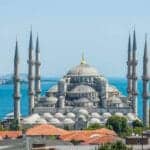
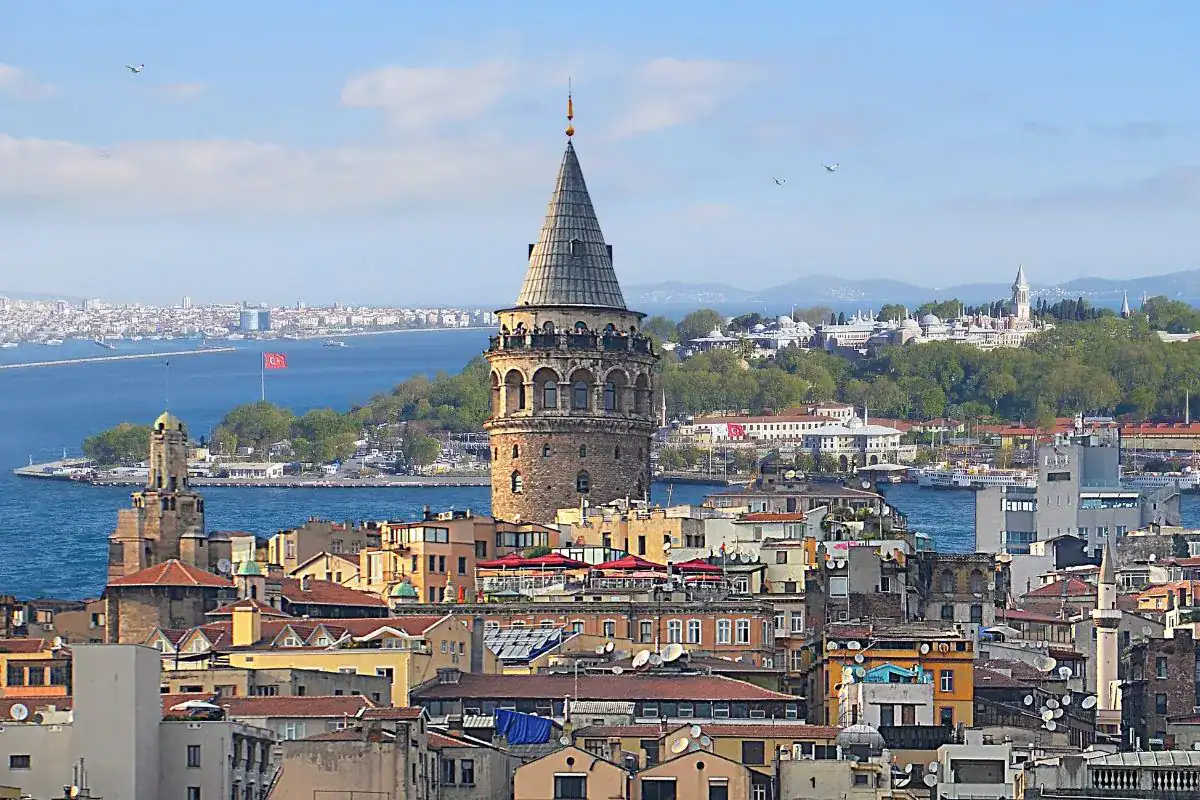
Winter light gives the skyline a soft, muted quality. The Blue Mosque, Galata Tower, and the domes of Sultanahmet look their most cinematic under grey skies or a light dusting of snow.
Time for the culture, not just the checklist
With fewer distractions, February suits travelers who want to sit in a tea house, browse a bazaar slowly, or spend a full afternoon in a museum. Locals are less rushed in winter, and that comes through in the pace of everyday exchanges.
What to Wear and Pack for Istanbul in February
Smart layering beats bulk. You’ll move between cold streets and warm interiors constantly, so the goal is clothing you can add and shed easily, plus reliable rain protection.
Clothing:
- A warm, waterproof coat—this is the single most useful item
- Thermal or long-sleeve base layers, sweaters, and a mid-layer fleece
- Thick or lined trousers
- Gloves, a scarf, and a warm hat
Footwear:
- Waterproof walking shoes or boots with decent grip—cobbles get slick when wet
- Wool or thermal socks
Extras:
- A compact umbrella
- A crossbody bag or small daypack
- Lip balm and hand cream for dry indoor heating
- A refillable thermos for tea or coffee on the go
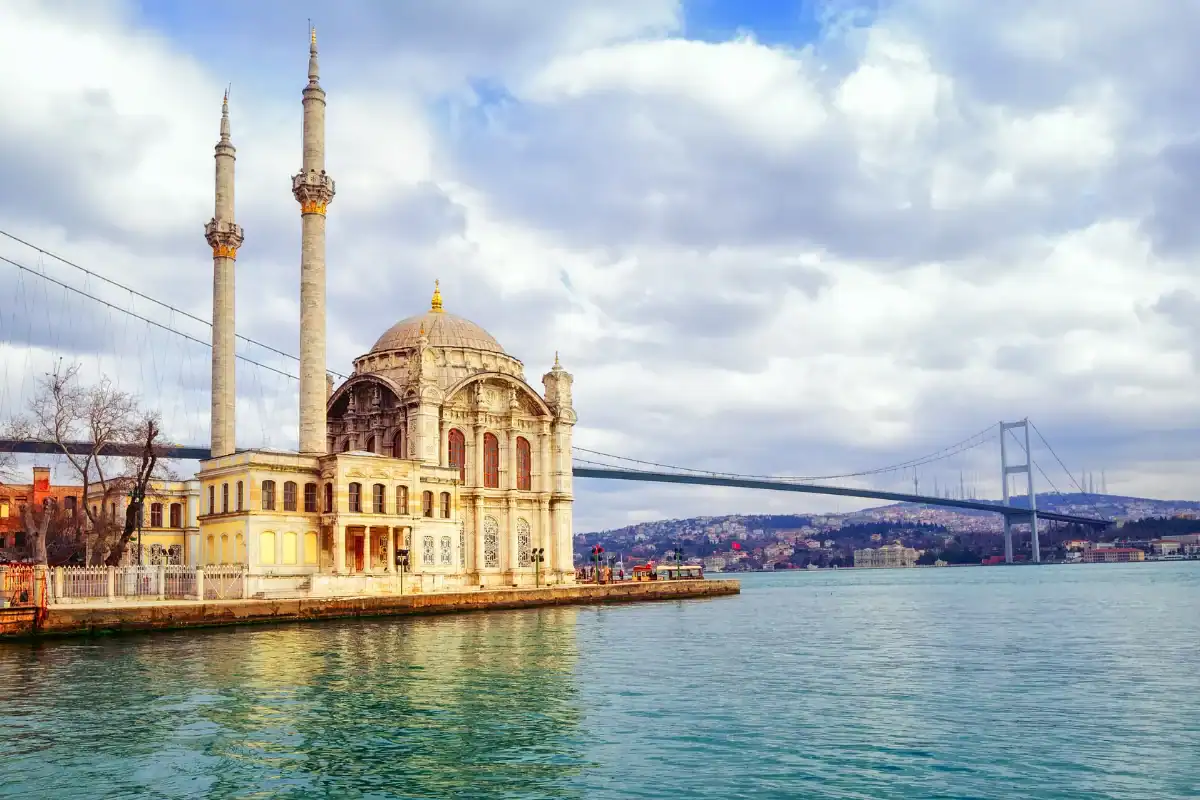
For mosque visits, women should carry a scarf for head covering, and everyone should be ready to remove shoes. In winter, easy-off footwear saves time at the door.
Top Things to Do in Istanbul in February
The winning strategy is to lean indoors and treat clear-weather windows as chances to get outside. Here’s how the best options break down.
Warm, covered, weather-proof
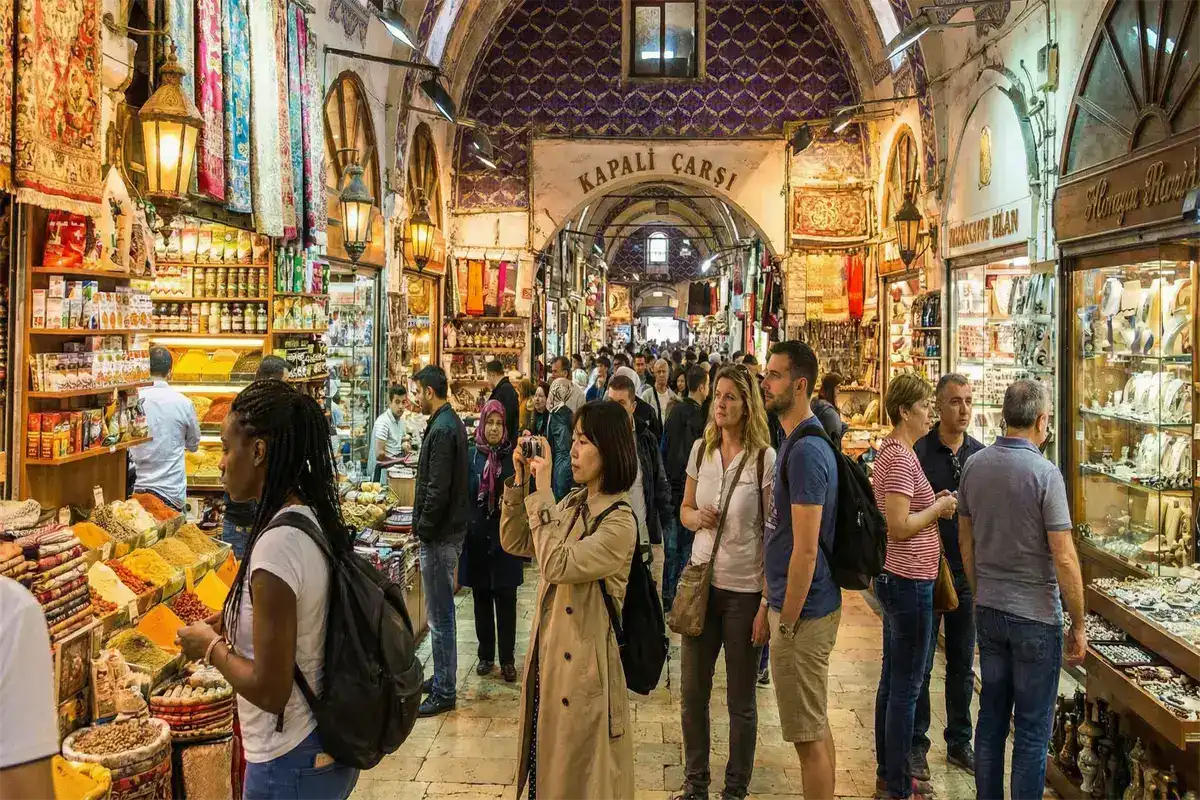
The Grand Bazaar and Spice Bazaar are ideal on a rainy day—hours of browsing rugs, ceramics, spices, and sweets without stepping outside. A traditional Turkish bath (hamam) is another cold-weather classic; historic options near Süleymaniye Mosque and Karaköy are open year-round.
Mosques, palaces, and museums
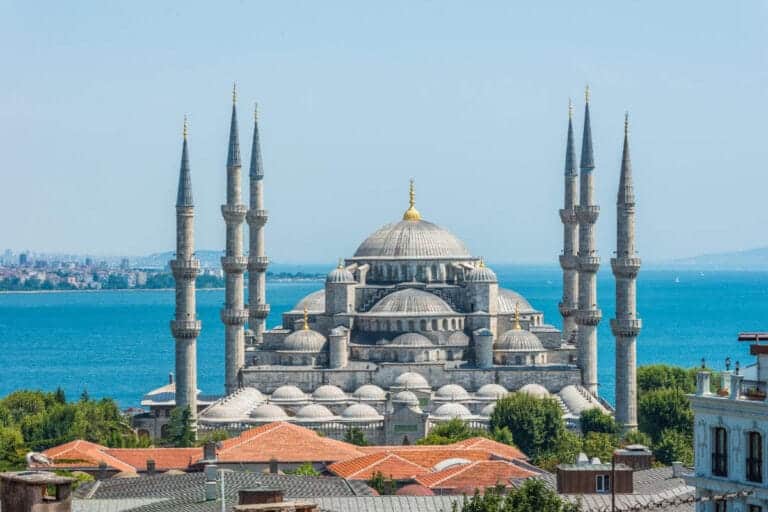
Sultanahmet’s monuments are mostly indoor or sheltered, which makes them perfect for February. Pair Hagia Sophia and the Blue Mosque with Topkapi Palace and the Basilica Cistern in one area to cut walking time in the cold. Istanbul’s museum scene—including the Archaeological Museums and Istanbul Modern—gives you rich, dry days when rain sets in.
Fair-weather highlights
A Bosphorus cruise is spectacular in winter when passenger numbers drop, with views of Rumeli Fortress and the Maiden’s Tower. Save it for a clearer day and dress for wind on deck. Neighborhood walks in Balat, Galata, and Moda are also best when it isn’t pouring.
Seasonal food and drink
Winter is soup and stew season. Warm up with kelle paça, mantı (Turkish dumplings), and slow-roasted lamb, then try sahlep or boza—two hot, comforting drinks you’ll mostly find in the cold months.
Where to Stay in Istanbul in February
In cold weather, minimizing transit between your hotel and the sights matters more than usual. Choose a base that keeps you close to what you’ll actually do.
- Sultanahmet: Best for first-timers who want to walk to the historic core and avoid long cold commutes.
- Galata and Karaköy: Central and lively, with easy ferry and tram access and a strong café and dining scene.
- Kadıköy (Asian side): More local and relaxed, great for markets, bookshops, and food—though a bit farther from the main sights.
February vs. Waiting for Spring: Which Should You Choose?
The core question most travelers face is whether to visit now or hold out for milder weather. Here’s the honest trade-off.
| Factor | February | April–May |
|---|---|---|
| Weather | Cold, wet, grey; occasional snow | Mild, more reliable, longer days |
| Crowds | Very light | Moderate and rising |
| Prices | Typically lowest | Higher as season ramps up |
| Outdoor comfort | Limited; plan around rain | Comfortable for long walks |
| Best for | Budget, atmosphere, indoor culture | First-timers who want everything open and pleasant |
Choose February if you’re price-sensitive, enjoy quiet museums and bazaars, and don’t mind trading beach-weather comfort for a moodier, cheaper trip. Wait for spring if outdoor walking, day trips, and dependable weather are your priority.
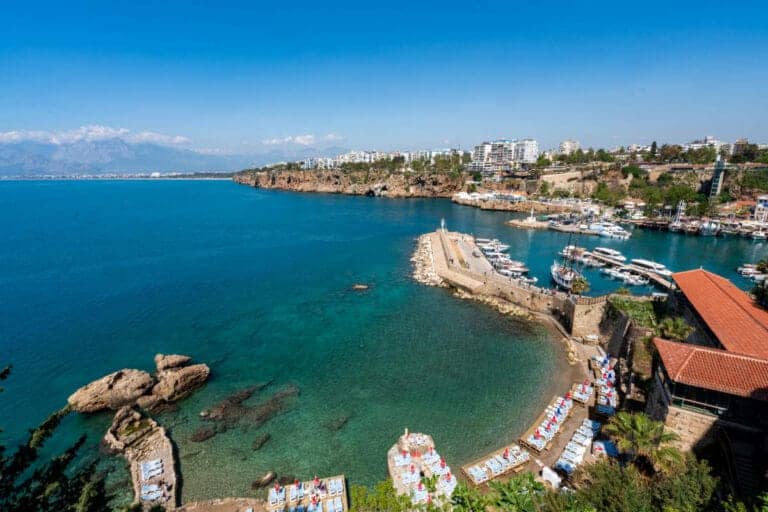
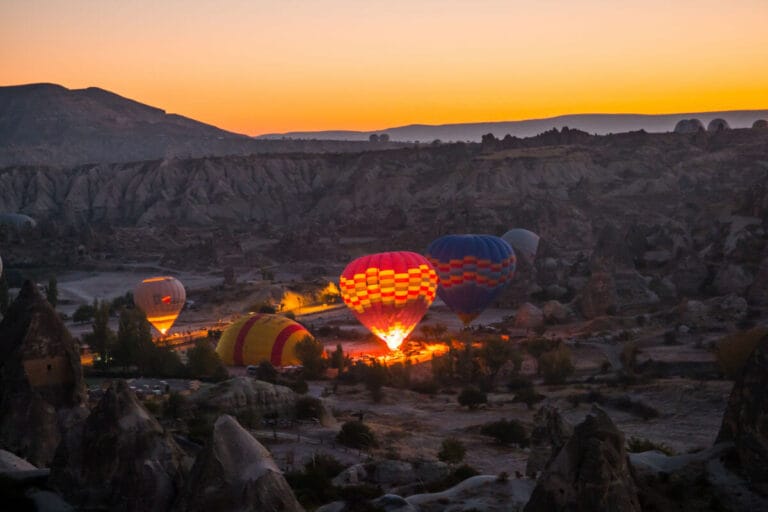
If you’re combining Istanbul with Cappadocia, note that winter adds a real caveat: hot air balloon flights are weather-dependent and cancel more often in winter due to wind and snow. Build buffer days and confirm the operator’s cancellation and rebooking policy before you commit. Our Istanbul to Cappadocia guide and Cappadocia tours overview cover the timing details.
Before booking anything, verify: exact winter opening hours (some sites shorten them), whether flights are included in a package, and the cancellation terms. For One Nation Travel tours, changes or cancellations need at least 5 days’ notice before the tour starts; non-refundable flight and bus ticket costs are deducted from the paid balance, and with less than 5 days’ notice or a no-show, the payment is non-refundable.

Choose your next step
Recommended Istanbul tours
These verified options are the closest available matches for this article’s destination, route intent, and trip length.
4-Day Best of Istanbul Tour
A 4 days Cultural & Heritage Tour route covering Istanbul.
View tour details →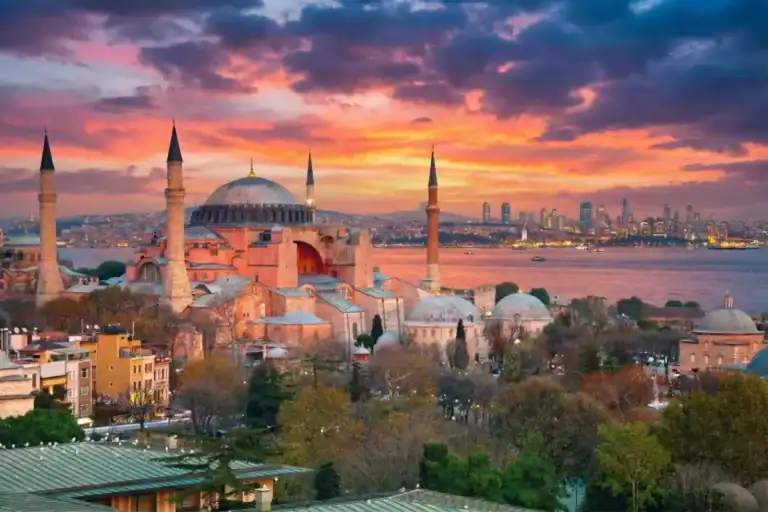
Best of Istanbul Private Guided Tour
A 8 hours Cultural & Heritage Tour route covering Istanbul.
View tour details →
Istanbul Bosphorus Cruise & Two Continents Tour
A 8 hours Day Trips from Istanbul route covering Istanbul.
View tour details →
Full-Day Historic Istanbul Tour: Explore the Wonders of the Old City
A 8 hours Day Trips from Istanbul route covering Istanbul.
View tour details →Istanbul in February: Common Questions
Is February a good time to visit Istanbul?
Yes, if you value low prices, thin crowds, and atmosphere over warm weather. It’s a strong choice for indoor culture—mosques, museums, bazaars, and hamams—paired with a few clear-day outings.
Does it snow in Istanbul in February?
It can, most often in early February, but snow rarely stays on the ground long. Rain and grey skies are far more common than heavy snowfall.
Are the main attractions open in February?
Nearly all major landmarks and museums stay open year-round. Winter hours can be slightly shorter, so check closing times the day before, especially for palaces and museums.
How long is daylight in February?
Roughly 10 to 11 hours, with light from about 7 a.m. to 5:30–6 p.m. Start early to make the most of outdoor sights before the light fades.
Can I still do a Bosphorus cruise in winter?
Yes. Cruises run year-round and are far less crowded in February. Pick a clearer day, dress for wind on deck, and you’ll get open views most summer visitors never enjoy.
Making the Most of February in Istanbul
February rewards travelers who plan around the weather instead of fighting it. Anchor each day with indoor sights, keep a ferry ride or neighborhood walk ready for clear skies, start early to beat the short daylight, and use an Istanbulkart for cheap, easy transport on trams, ferries, buses, and the metro. Done right, you get the same landmarks the summer crowds see—quieter, cheaper, and with a winter mood that’s hard to match.
If you’d like help shaping an itinerary around the weather, connecting Istanbul with Cappadocia or the coast, and confirming what’s included before you pay, our team can put a plan together for your dates. Start with our Plan My Trip page and tell us how you like to travel.