

Short answer: January in Istanbul is cold, damp, and changeable, with daytime temperatures commonly around 4–9°C (39–48°F) and colder nights. Rain is more likely than lasting snow, though occasional snow can affect travel. Pack waterproof layers and shoes with good grip, plan indoor stops between outdoor walks, and keep your itinerary flexible around weather and winter opening hours.
January suits travelers who value quieter sightseeing and don’t mind bundling up. The main choice is how much time to spend outdoors: the historic peninsula is rewarding on foot, but wet paving, wind, and short daylight hours make a tightly packed walking day less comfortable than it might be in spring. A flexible plan—with museums, covered markets, cafés, and a ferry or cruise when conditions allow—usually works best.
Key Takeaways
- Expect cold, often damp weather; wind near the water can make it feel colder than the thermometer suggests.
- Snow is possible but not dependable. Don’t build your itinerary around seeing a snowy city.
- Choose waterproof footwear, a warm outer layer, and clothes you can adjust indoors.
- Visit outdoor landmarks during the brighter part of the day and keep indoor alternatives ready.
- Check current opening hours, prayer-time visitor arrangements, and cruise conditions close to your travel date.
What is Istanbul weather like in January?
January is generally one of Istanbul’s coldest months. Typical daytime temperatures are roughly 4–9°C (39–48°F), while nights often sit near 1–4°C (34–39°F). These are broad seasonal ranges, not a forecast for a particular week: cold snaps, milder spells, rain, and occasional snow can all occur.
Rain is common enough that you should expect some wet days, but it doesn’t usually mean it will rain all day. The city’s weather can shift between showers and brighter intervals. Damp air and wind can make time outdoors feel colder, especially on exposed waterfronts and ferry decks.
Daylight is limited compared with summer, so use the middle of the day for open-air sightseeing. Start early when you have a specific landmark in mind, but avoid scheduling every outdoor stop back-to-back. A slower pace gives you room to warm up, dry off, and change plans if conditions turn.
For a broader look at neighborhoods, landmarks, and transport, see our Istanbul sights and experiences guide.
Is January a good time to visit?
It can be a good month if you prefer a quieter city and are comfortable with winter conditions. Major sights remain appealing without the intense summer heat, and indoor attractions become a natural part of the day. January may also bring more choice in accommodation than peak travel periods, but don’t assume every hotel or tour is discounted; compare the actual dates and terms before booking.
The trade-off is less reliable weather for long walks, viewpoints, and time on the water. Some days may feel crisp and clear; others can be gray, rainy, or windy. If warm weather and long outdoor days are central to your trip, another season may suit you better. If you’re happy to alternate between historic sites and sheltered breaks, January can be a comfortable time to explore.
Keep holiday dates in mind when planning. New Year’s celebrations can affect traffic, opening arrangements, and restaurant demand around the turn of the year. Hours also vary by attraction and day, so verify details for your exact dates rather than relying on a generic winter schedule.
What should you pack for Istanbul in January?

Think in layers rather than one very heavy outfit. You’ll move between chilly streets, public transport, shops, and heated indoor spaces, and being able to remove a layer makes the day more comfortable.
- Outerwear: A warm, water-resistant jacket with a hood is more useful than a coat that only handles dry cold.
- Layers: Bring long-sleeve base layers, sweaters, and trousers that work in both cool outdoor weather and heated interiors.
- Shoes: Waterproof walking shoes or boots with a dependable sole help on wet, uneven pavement and steps.
- Accessories: A scarf, gloves, and a warm hat make windy waterfront stops more pleasant.
- Rain protection: Pack a compact umbrella or rain shell. An umbrella is handy in town, while a hood can be easier in wind.
- Day bag: Bring space for an extra layer, water, and small essentials; a spare pair of socks can be useful on a wet day.
Practical tip: Don’t pack only for the coldest forecast you can imagine. Check the forecast shortly before departure, then bring layers that cover a range of conditions without making every walking day cumbersome.
How to plan sightseeing around winter weather
Group nearby sights, but leave breathing room
Historic Sultanahmet is a sensible base for a first sightseeing day because several major landmarks are close enough to combine. Start with Hagia Sophia Grand Mosque and the Blue Mosque, then add another indoor or sheltered stop rather than trying to cross the city repeatedly. Visitor access and hours at active religious sites can vary; check current guidance and dress respectfully.
The Topkapi Palace Museum makes a useful longer visit, but confirm its current opening day and hours before building your route around it. If the weather is wet, museums and historic interiors can anchor the day while you save open-air views for a clearer interval.
Use covered markets as a weather-friendly stop
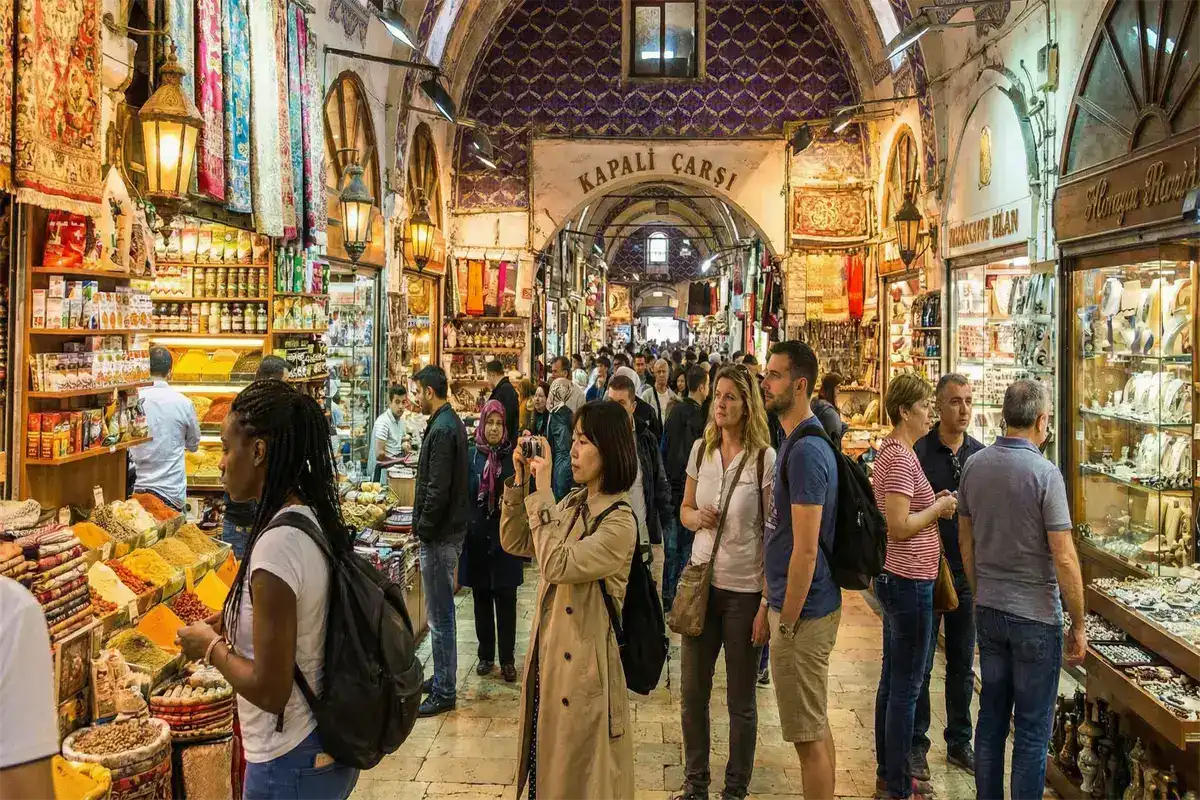
The Grand Bazaar and Spice Bazaar offer sheltered browsing, but they’re working markets, not guaranteed all-day refuges: opening hours and weekly closures matter. Check before setting out, and allow time for the journey between them rather than assuming they’re next door.
Choose a Bosphorus outing according to conditions
A Bosphorus cruise can be atmospheric in winter, but the exposed deck may feel cold and service can be affected by weather. Dress more warmly than you would for the same temperature on a sheltered city street, and confirm the operator’s departure details and cancellation arrangements. If the forecast is poor, keep the cruise flexible instead of making it the centerpiece of a tightly timed day.
For more practical route ideas, our four-day Istanbul itinerary can help you organize visits by area. If you’re weighing guided sightseeing against exploring independently, read our comparison of private and group tours in Istanbul.
Winter experiences worth making time for

Warm up with Turkish food and a hammam
January is a natural season for hot soup, baked pastries, and long café stops. Try mercimek çorbası (lentil soup) or börek, and look for sahlep, a warm milk drink commonly served with cinnamon. You may also see boza, a traditional fermented wheat drink. Menus and seasonal availability vary, so treat these as ideas rather than guaranteed offerings.
A Turkish bath can be a welcome indoor break after a cold day. Book directly with the hammam you choose and confirm what the experience includes, what to bring, and whether advance reservations are needed. Services and prices vary by venue.
Explore neighborhoods between showers
Galata, Balat, and Kadıköy each reward unhurried wandering, but January is not the month to rely on a long outdoor stroll going exactly to plan. Pick one neighborhood, leave time for a café, and use transit rather than forcing a full-city walk in wet weather. A clear spell can be an opportunity to see waterfront streets or viewpoints; have an indoor stop ready if the rain returns.
Where to stay for a January visit
Sultanahmet is convenient for travelers focused on the historic peninsula, especially when shorter daylight makes minimizing transfers attractive. The area can be quieter in the evening than neighborhoods with more nightlife, so check restaurant and transport options around your accommodation.
Beyoğlu works well for travelers who want restaurants, shopping, and evening activity alongside access to historic districts. Its slopes and hills can feel tiring in wet weather, so consider the exact location and nearby transit rather than choosing by neighborhood name alone.
Kadıköy offers a different pace on the Asian side, with markets and cafés. It can be a good fit if you want to spend time in that part of the city, but factor ferry or other transit connections into plans centered on Sultanahmet. In any neighborhood, check heating, cancellation terms, and the walk from transit to the entrance before booking.
January planning choices: independent days or a guided visit?

Match the sightseeing plan to your pace
Independent sightseeing suits travelers who like to change plans on the fly, linger over meals, or move indoors when rain starts. It gives you the most flexibility, but you’ll need to check opening hours, plan transport, and allow extra time for wet-weather walking.
A guided visit can be helpful if you have limited time, want context at the historic sites, or would rather not coordinate each stop yourself. A shorter guided outing leaves the rest of the day open; a multi-day arrangement can simplify planning across several sightseeing days. One Nation Travel handles planning, booking, customer support, and coordination. Local guides, drivers, and selected providers deliver the listed services, and assignments may vary by destination, day, or tour segment.
Before booking any tour, check the exact itinerary, start and finish points, what’s included, entrance arrangements, transport, and the cancellation terms on the booking page. Don’t assume a tour includes admission, meals, or hotel pickup unless those details are stated. For January, also ask how weather-related changes are handled and whether outdoor portions can be adjusted.
Choose your next step
Recommended Istanbul tours
These verified options are the closest available matches for this article’s destination, route intent, and trip length.

4-Day Best of Istanbul Tour
A 4 days Cultural & Heritage Tour route covering Istanbul.
View tour details →
4-Day Private Istanbul Highlights Tour
A 4 days Cultural & Heritage Tour route covering Istanbul.
View tour details →
Best of Istanbul Private Guided Tour
A 8 hours Cultural & Heritage Tour route covering Istanbul.
View tour details →
5-Day Istanbul Tour Package with Hagia Sophia and Bosphorus Cruise
A 5 days Cultural & Heritage Tour route covering Istanbul.
View tour details →Frequently Asked Questions
Does it snow in Istanbul in January?
It can, but snowfall varies from year to year and may be brief. Plan for cold rain and damp conditions first, and treat snow as a possibility rather than a reason to choose January.
Is Istanbul walkable in January?
Yes, with sensible shoes and a flexible pace. Wet pavement, hills, wind, and short daylight can make long walking days tiring, so group sights by area and use transit when needed.
Are Istanbul attractions open in January?
Many major sights welcome visitors year-round, but hours, weekly closures, and visitor arrangements can differ. Check each attraction’s current information for your travel date.
Should I book a Bosphorus cruise in advance?
Check the operator’s schedule and booking terms for your dates. Winter conditions can affect the experience, so understand the change or cancellation policy and avoid treating a cruise as a weather-proof plan.
Make January work for your trip
January is a strong choice if you want a quieter Istanbul and are prepared for cold, changeable weather. Pack for rain, keep outdoor plans adjustable, and balance major landmarks with warm indoor stops. For help coordinating a schedule around your dates, interests, and preferred pace, plan your Istanbul trip with One Nation Travel.