
Short answer: The best places to visit in Thailand for first-timers are Bangkok for temples and food, Ayutthaya for ancient ruins, Chiang Mai and Chiang Rai for northern culture, and Phuket, Krabi, or Koh Samui for beaches. A well-paced first trip usually needs 7 to 10 days, with Bangkok first, the north second, and the islands last.
Thailand is one of the easiest countries in Asia to enjoy on a first visit, but it’s also one of the easiest to plan poorly. The distances look manageable on a map, yet a Bangkok-to-Chiang Mai flight, an island transfer, and one badly timed hotel change can eat half a day before you’ve even unpacked.
For most travelers, the right Thailand itinerary isn’t about seeing the most places. It’s about choosing the right mix: one major city, one cultural region, one beach base, and enough breathing room between transfers. This guide is written with that practical route logic in mind, especially for travelers comparing independent travel with a privately arranged Thailand tour package.
Where should first-time travelers go in Thailand?
For a first Thailand trip, focus on destinations that are well connected, rewarding without heavy logistics, and different enough from each other to justify the travel time. The strongest first-timer route is usually:
- Bangkok: 2 to 3 nights for temples, river life, markets, food, and arrival recovery.
- Ayutthaya: half-day or full-day trip from Bangkok for UNESCO-listed ruins.
- Chiang Mai and Chiang Rai: 3 to 5 nights for northern temples, mountain scenery, local crafts, and slower pacing.
- Phuket, Krabi, or Koh Samui: 3 to 5 nights for beaches, boat trips, and a softer finish.
Our team generally advises first-time visitors not to combine too many islands. Phuket and Krabi are close enough to pair if you have time, but adding Koh Samui on the same short trip often creates unnecessary airport and ferry transfers. If you have only one week, choose one beach region and do it properly.
Operator tip: The most common first-timer mistake is booking the beach first and Bangkok last. It sounds relaxing, but international departures from Bangkok often force an awkward final travel day. Unless your long-haul flight leaves directly from Phuket, Bangkok works better at the beginning.
Why is Bangkok the best starting point for a Thailand trip?
Bangkok is the practical and cultural gateway to Thailand. Most international travelers arrive at Suvarnabhumi Airport (BKK), while many domestic and regional low-cost flights operate from Don Mueang Airport (DMK). If your itinerary includes an internal flight, always check which airport you’re using; crossing between BKK and DMK can take 60 to 90 minutes in normal traffic and longer during rush hour.
For sightseeing, plan at least two full days. On day one, visit the Grand Palace, Wat Phra Kaew, Wat Pho, and the Chao Phraya River area. On day two, add Wat Arun, Chinatown, a canal experience, or a market depending on your travel style. Bangkok rewards early starts. Major temples are far more pleasant before the midday heat and before large group arrivals.
How many nights do you need in Bangkok?
Two nights is the minimum if you’re continuing elsewhere in Thailand. Three nights is better if you arrive after a long-haul flight from the United States, Canada, or Europe. Jet lag, humidity, and traffic make Bangkok feel more demanding than many travelers expect on the first day.
If you prefer a guided introduction, the 4-Day Bangkok Cultural Discovery Tour, from $694, is a strong option because it keeps the focus on the city’s essential temples, neighborhoods, and cultural landmarks without rushing you into another region too quickly.
What should first-timers not miss in Bangkok?
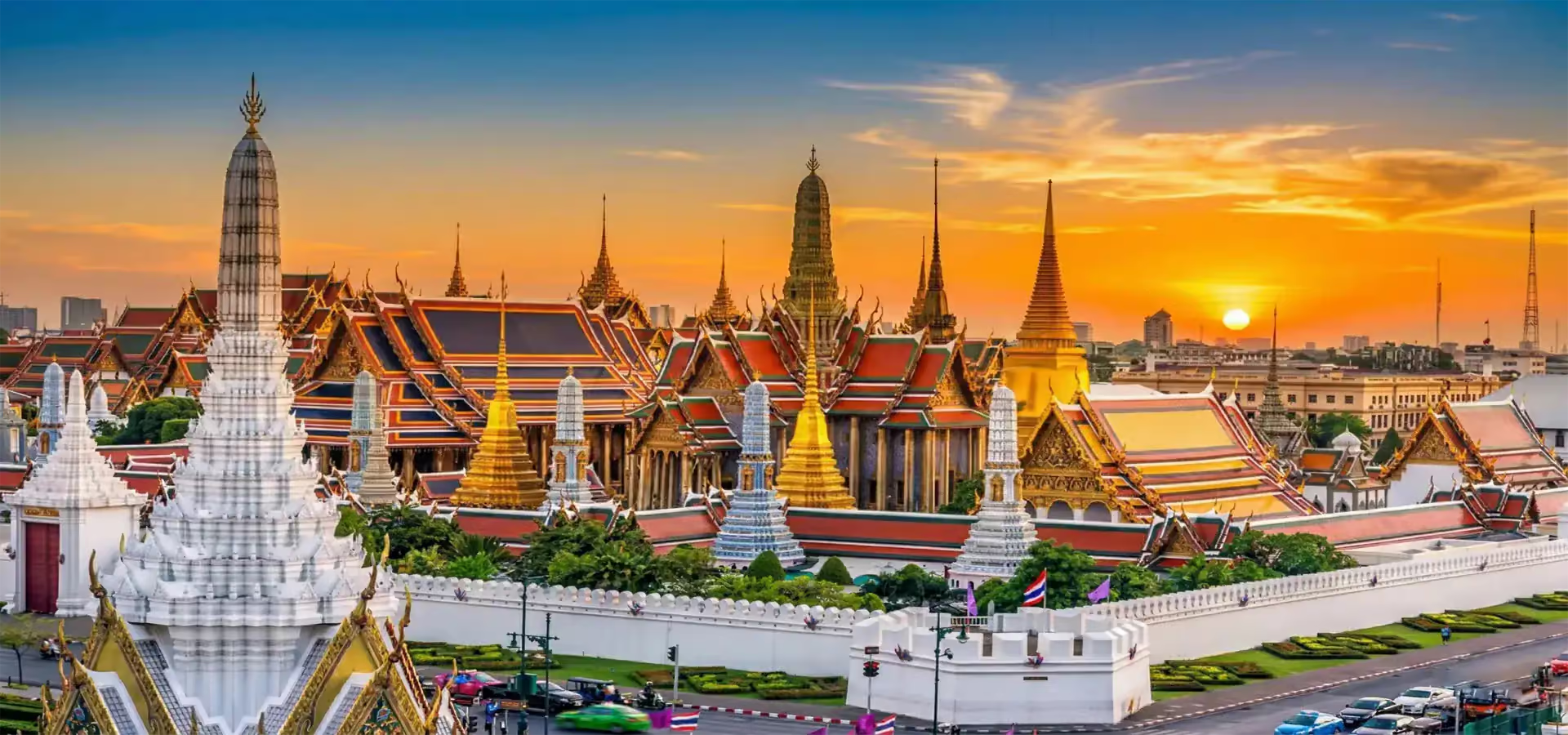
- Grand Palace and Wat Phra Kaew: the classic introduction to Thai royal and Buddhist traditions.
- Wat Pho: known for the Reclining Buddha and traditional Thai massage heritage.
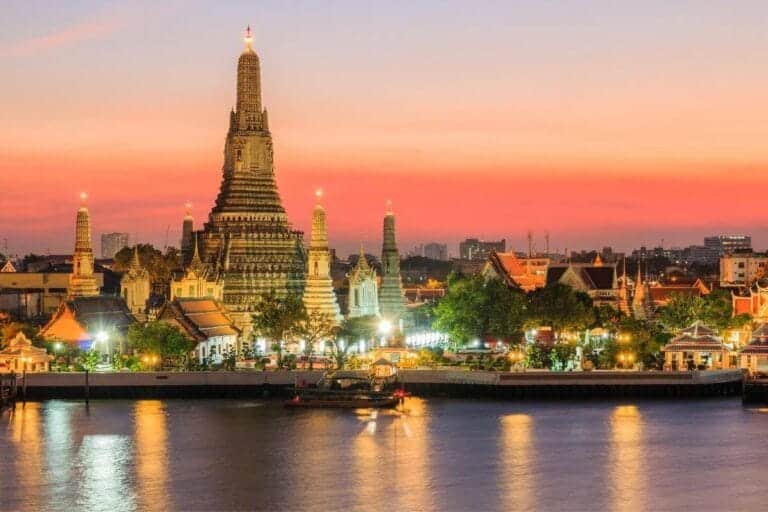
- Wat Arun: best photographed from across the river in late afternoon light.
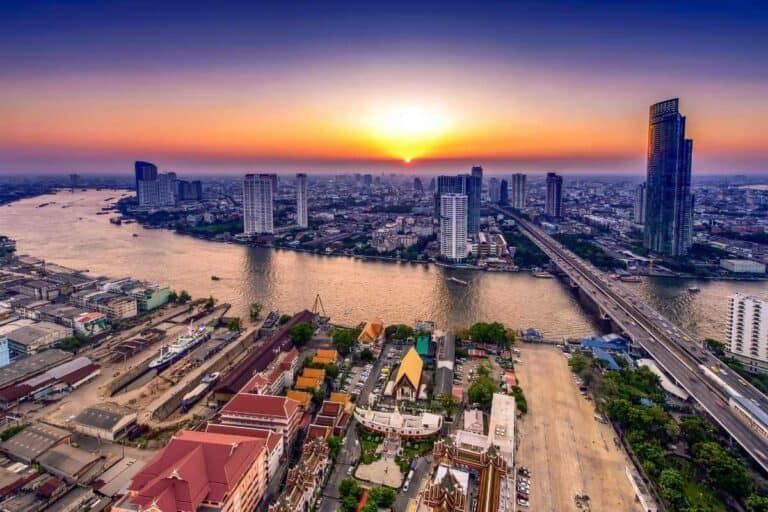
- Chao Phraya River: use it as both transport and sightseeing, especially between the old city and riverside hotels.
- Chinatown: one of the best evening food areas, especially along Yaowarat Road.
Is Ayutthaya worth visiting on a first trip?
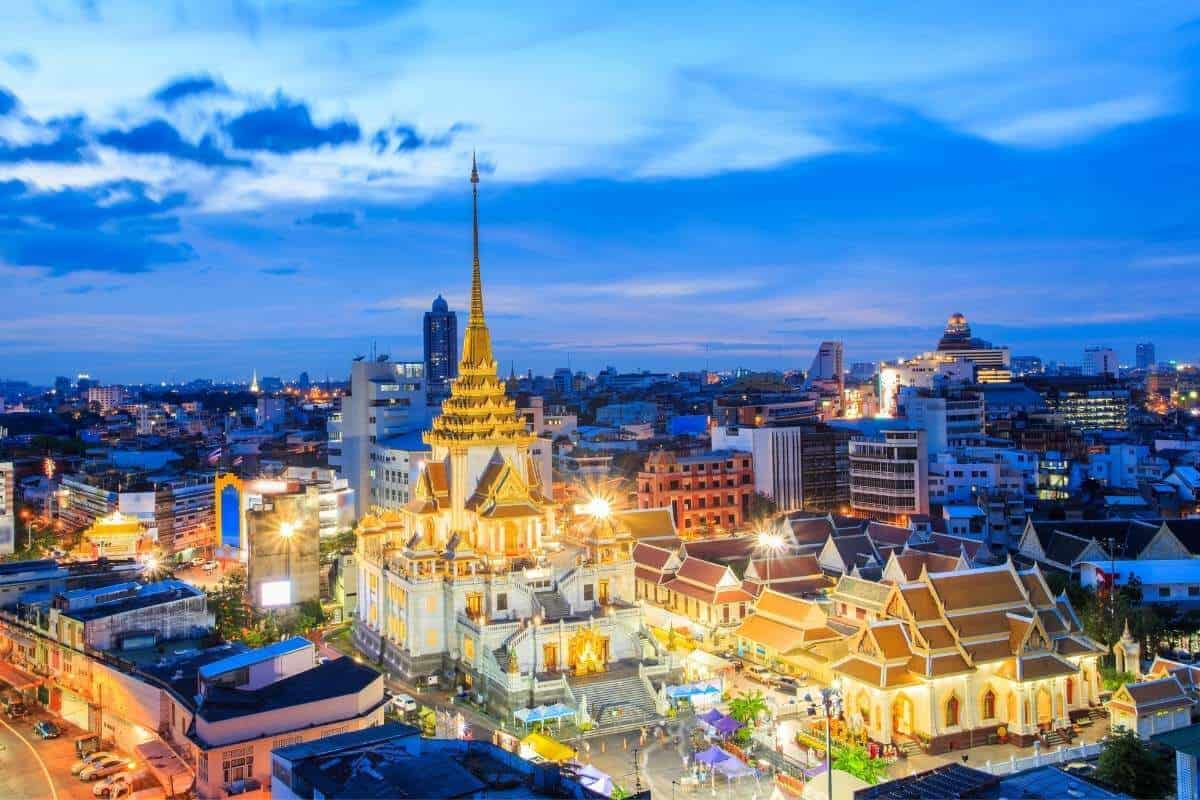
Ayutthaya is absolutely worth visiting if you’re interested in history, photography, or a break from Bangkok’s intensity. The former Siamese capital sits about 50 miles north of Bangkok, and most travelers visit as a day trip. By private vehicle, the drive usually takes 1.5 to 2 hours each way, depending on traffic.
The appeal of Ayutthaya is not one single monument; it’s the scale of the old capital. You’ll see brick prang towers, Buddha images, monastery ruins, and the famous Buddha head wrapped in tree roots at Wat Mahathat. It gives first-time visitors a better sense of Thailand before modern Bangkok, and it pairs well with a guided explanation because many ruins are visually impressive but not heavily signed.
If you want Bangkok, the coast, and Ayutthaya in one short itinerary, the 5-Day Bangkok, Pattaya and Ayutthaya Tour, from $820, is designed for travelers who want more variety than Bangkok alone but don’t have time for northern Thailand.
Should you choose Chiang Mai or Chiang Rai?
Chiang Mai and Chiang Rai are often grouped together, but they don’t feel the same. Chiang Mai is the easier first-timer base: more hotels, more restaurants, more night markets, more flight options, and a wider range of day trips. Chiang Rai is quieter, more spread out, and best known for highly visual temples and countryside routes.
From Bangkok, the flight to Chiang Mai takes about 1 hour and 15 minutes. Chiang Rai also has an airport, but many travelers visit it by road from Chiang Mai. The drive between the two cities is roughly 3 to 3.5 hours one way, so a day trip is possible but long. If you want to enjoy Chiang Rai properly, an overnight works better.
What makes Chiang Mai a good first-time destination?
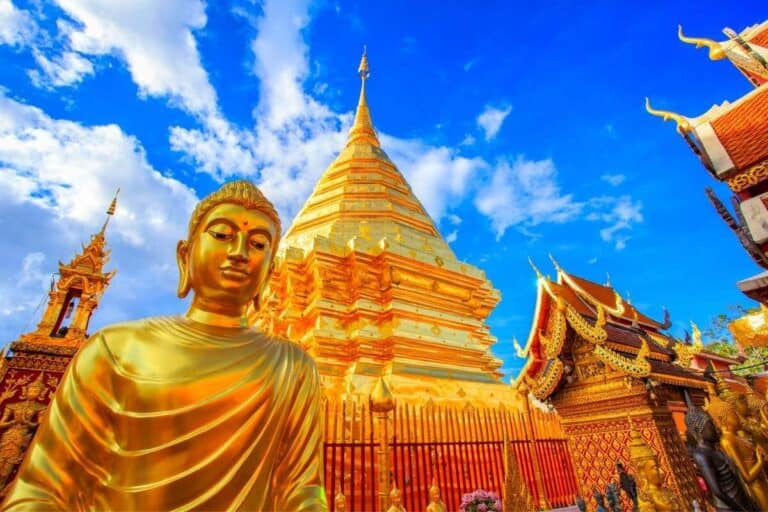
Chiang Mai gives you a softer pace after Bangkok. The Old City is compact enough for temple visits, coffee stops, local markets, and evening walks. Wat Phra Singh and Wat Chedi Luang are the classic temple stops, while Doi Suthep offers mountain views and one of northern Thailand’s most important religious sites.
Many travelers also come for cooking classes, ethical elephant experiences, craft villages, and the Sunday Walking Street market. The key is choosing carefully. Not every elephant venue operates to the same welfare standard, and cheaper programs can be a red flag. A good operator should be able to explain exactly what is included, what animal contact is allowed, and how the venue is managed.
When is Chiang Rai worth adding?
Chiang Rai is worth adding if you have at least four days in northern Thailand or if temples and landscape photography are a priority. The White Temple, Blue Temple, and Black House are the most visited stops, and the surrounding region has mountain roads, tea plantations, and borderland history.
For a compact northern route, consider the 3-Day Chiang Mai & Chiang Rai Tour, from $570. If you want a more comfortable pace, the 4-Day Chiang Mai and Chiang Rai Tour, from $568, gives you more room for transfers and sightseeing without making the north feel like a checklist.
Which Thai beach destination is best for first-timers?
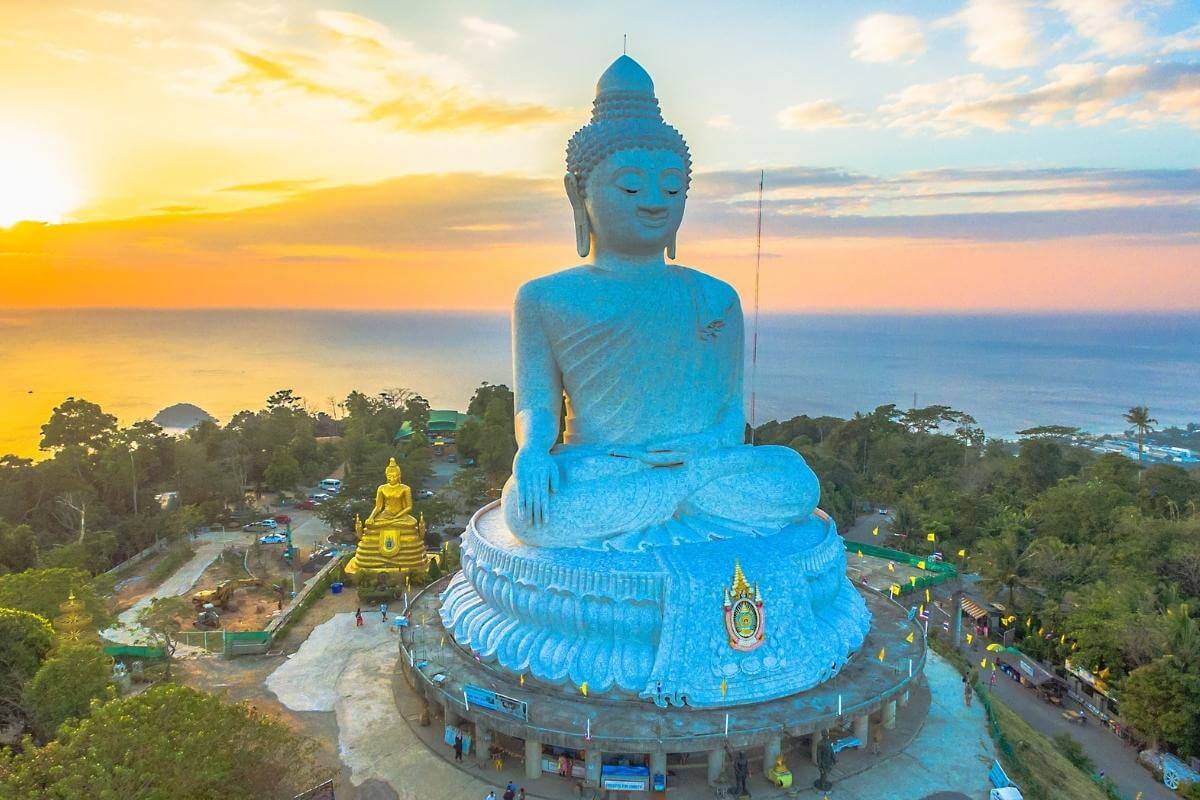
Thailand’s beaches are not all interchangeable. The best choice depends on your travel month, flight route, and what kind of beach experience you want. For first-time visitors, Phuket, Krabi, and Koh Samui are the main contenders.
Phuket: best for flights, resorts, and easy logistics
Phuket is Thailand’s largest island and the easiest beach destination logistically. Phuket International Airport (HKT) has many domestic and international connections, and the island offers everything from luxury resorts to family hotels and nightlife areas. It’s a practical choice if you want beaches without complicated transfers.
The tradeoff is crowding in popular zones. Patong is lively and convenient but not the best choice for travelers seeking quiet. Kata, Karon, Kamala, and Bang Tao are often better for couples and families. For boat trips, Phuket is a common launch point for Phang Nga Bay and Phi Phi Islands, though sea conditions and crowding vary by season.
Krabi: best for scenery and limestone cliffs
Krabi is the better choice if you care more about dramatic scenery than resort infrastructure. Railay Beach, Ao Nang, and nearby islands are famous for limestone cliffs, longtail boats, kayaking, and rock climbing. Krabi works well for active travelers and photographers, but some beach areas require boat access, so pack lighter than you would for a standard resort stay.
Krabi International Airport (KBV) has useful domestic connections, though fewer than Phuket. If you plan to connect from Chiang Mai to Krabi, flight schedules may require a Bangkok connection depending on the season.
Koh Samui: best for a softer island finish
Koh Samui is a good option for travelers who want a polished island stay, spa time, and a gentler beach rhythm. The island has its own airport (USM), but flights can be more expensive than flights into Phuket or Krabi. Koh Samui is also affected by a different monsoon pattern than Phuket and Krabi, which matters when choosing travel dates.
Season note: Phuket and Krabi are usually best from November to April. Koh Samui often performs better in parts of the summer, especially when the Andaman side is wetter. Weather is never guaranteed, but choosing the right coast improves your odds.
How many days do you need in Thailand for a first visit?
For a first trip, 7 days is enough for Bangkok plus either the north or the beach. Ten days is the sweet spot for Bangkok, northern Thailand, and one beach region. Two weeks allows a slower pace and gives you room to include both Chiang Mai/Chiang Rai and a more relaxed island stay.
- 5 days: Bangkok, Ayutthaya, and one nearby coastal stop such as Pattaya. Best for a short regional add-on.
- 7 days: Bangkok, Chiang Mai, and Phuket; or Bangkok, Ayutthaya, and Phuket.
- 10 days: Bangkok, Ayutthaya, Chiang Mai, Chiang Rai, and Phuket or Krabi.
- 14 days: Add more beach time, a slower northern route, or a second island area.
If you want a ready-made balance of city, culture, and beach, the 7-Day Bangkok, Chiang Mai & Phuket Tour, from $1,630, is a clean first-timer route. Travelers with more time can look at the 10-Day Thailand Classic Tour: Bangkok to Phuket Escape, from $3,620, which allows the trip to feel less compressed.
What is the best time to visit Thailand?

The best general time to visit Thailand is November through February. Temperatures are more comfortable, rainfall is lower in many regions, and sightseeing is easier. This is also high season, so hotel rates rise and popular beach areas need earlier booking.
March to May is hot season. Bangkok and northern Thailand can feel very intense during midday, especially for temple touring. April includes Songkran, the Thai New Year water festival, which is a memorable cultural experience but can disrupt traffic and normal sightseeing.
June to October is rainy season in much of Thailand. It doesn’t mean rain all day, every day. Many trips still work well, especially with flexible expectations, but boat tours can be affected by sea conditions. If you travel during this period, build in buffer time and avoid making a same-day international flight connection after an island transfer.
What does a first Thailand trip cost?
Thailand can be affordable or very premium depending on hotels, domestic flights, guide level, and beach choices. Street meals may cost only a few dollars, while fine dining, private transfers, resort stays, and peak-season island hotels can raise the total quickly. The biggest cost surprises are usually not food or entrance fees; they’re domestic flights, checked baggage, private speedboat transfers, and holiday-season hotel supplements.
When comparing packages, look closely at what is included:
- Airport transfers on arrival and departure
- Domestic flights or only land services
- Hotel category and room type
- Private guide versus shared group touring
- Entrance fees to temples, historical parks, and national parks
- Boat trips, island fees, and weather-related alternatives
- Meals beyond breakfast
One Nation Travel publishes starting prices where available, but final pricing can change with hotel category, season, room occupancy, flight availability, and custom requests. For example, a short Bangkok-focused tour starts from $694, while longer multi-region Thailand itineraries start higher because they include more transfers, hotel nights, and logistics.
If you’re comparing direct operator planning with large booking platforms, our article on One Nation Travel vs. Expedia explains when a specialist makes more sense than a general travel site. Travelers who like comparing booking channels may also find the One Nation Travel vs. GetYourGuide guide useful, even though the examples focus on other destinations.
What is the best first-time Thailand itinerary?
A good 10-day Thailand route should reduce backtracking and avoid unnecessary one-night stays. Here’s a practical structure that works for many first-time travelers:
Days 1–3: Bangkok
Arrive in Bangkok, settle in, and start with the Grand Palace, Wat Pho, Wat Arun, Chinatown, and the Chao Phraya River. Keep the first evening light if you’re arriving from a long-haul flight. A rooftop dinner is best saved for the second night when you’re more awake.
Day 4: Ayutthaya
Travel north for a guided visit to Ayutthaya’s main ruins. Return to Bangkok for the night or continue depending on your flight schedule. Most first-time travelers prefer returning to Bangkok because the next-day flight options are easier.
Days 5–7: Chiang Mai and Chiang Rai
Fly from Bangkok to Chiang Mai. Visit the Old City temples, Doi Suthep, a night market, and local craft or food experiences. If adding Chiang Rai, either overnight there or accept that a day trip will be long. This is where private planning helps because route timing affects comfort more than travelers expect.
Days 8–10: Phuket or Krabi
Fly south for your beach stay. Choose Phuket for convenience and resort choice, or Krabi for scenery and a more active feel. Avoid scheduling a long island boat tour the day before your international departure if you must connect through Bangkok; weather and sea delays can create stress.
For travelers who prefer to compare destination styles before committing, the top destinations planning guide can be useful for broader trip inspiration, especially if Thailand is part of a larger travel wish list. You can also browse the full One Nation Travel blog for destination planning advice.
Practical tips for first-time travelers to Thailand
- Dress correctly for temples: Shoulders and knees should be covered at major temples. Carry a light scarf or shirt, but don’t rely on being able to rent proper clothing everywhere.
- Plan around traffic: Bangkok traffic can turn a 20-minute ride into an hour. Use the river, BTS Skytrain, or MRT when practical.
- Check airport codes: Bangkok has BKK and DMK. Phuket is HKT, Chiang Mai is CNX, Chiang Rai is CEI, Krabi is KBV, and Koh Samui is USM.
- Don’t overpack the islands: Longtail boats, ferry piers, and beach landings are easier with one manageable suitcase or a soft-sided bag.
- Carry cash: Cards are common in hotels and malls, but markets, small restaurants, and local drivers may prefer Thai baht.
- Build transfer buffers: Avoid tight same-day connections between ferries, domestic flights, and international departures.
- Be careful with animal tourism: Choose venues that prioritize observation, feeding, and ethical care over riding or forced performances.
- Know the alcohol rules: Alcohol sales may be restricted during certain hours and Buddhist holidays.
Recommended Thailand tours for first-timers
If you’d rather avoid piecing together hotels, transfers, guides, and domestic timing on your own, these One Nation Travel itineraries are the most relevant for first-time visitors:
- 4-Day Bangkok Cultural Discovery Tour — from $694. Best for travelers who want a focused city introduction before or after another Asia trip.
- 5-Day Bangkok, Pattaya and Ayutthaya Tour — from $820. Best for a short Thailand stay with city, coast, and ancient ruins.
- 5-Day Chiang Mai and Chiang Rai Tour — from $1,180. Best for travelers who want northern culture at a more comfortable pace.
- 10-Day Thailand Classic Tour: Bangkok to Phuket Escape — from $3,620. Best overall choice for a first Thailand trip that includes city, culture, and beach time.
To understand the company behind the planning, you can read more about One Nation Travel or review guest feedback on the testimonials page.
FAQ: Thailand for first-time visitors
Is Thailand safe for first-time travelers?
Yes, Thailand is generally safe for tourists in major travel areas. Use normal city awareness in Bangkok, agree on taxi or tuk-tuk pricing before starting when meters aren’t used, and be cautious with nightlife, scooters, and unlicensed tours.
Do Americans need a visa for Thailand?
Visa rules can change, but many U.S. travelers have historically been allowed visa-exempt stays for short tourism visits. Always confirm current entry requirements before booking flights, especially if you plan to stay longer or enter Thailand more than once.
Should I visit Phuket or Krabi on my first trip?
Choose Phuket if you want easier flights, more resort choices, and a wider range of restaurants and nightlife. Choose Krabi if you prefer dramatic scenery, longtail boat trips, cliffs, and a more outdoors-focused beach stay.
Is Chiang Mai worth it if I only have one week?
Yes, if culture matters more than beach time. With one week, you can do Bangkok and Chiang Mai comfortably, or Bangkok and Phuket comfortably. Trying to include Bangkok, Chiang Mai, and a beach in only seven days is possible but rushed.
What is the best month to visit Thailand?
January is one of the best months overall because weather is usually dry and comfortable in many major regions. November, December, and February are also excellent, though December holiday dates can be more expensive and book up early.
Final advice: choose fewer places and enjoy them properly
The best first trip to Thailand is not the one with the longest list of stops. It’s the one where your route makes sense: Bangkok first, Ayutthaya as an easy historical add-on, northern Thailand if you want culture, and one beach region at the end. That structure keeps the trip varied without turning it into a chain of airports and hotel lobbies.
If you’re unsure whether your dates are better for Phuket, Krabi, Koh Samui, Chiang Mai, or a Bangkok-only short stay, One Nation Travel can help shape the route around your flights, season, budget, and preferred pace. Start with the Plan My Trip form, and our team will help you build a Thailand itinerary that works in real life, not just on paper.