
The quick answer: February is a good time to visit Turkey if you value lower visitor numbers, winter scenery, and cultural sightseeing over beach weather. Expect cool, wet conditions in Istanbul and the Aegean, real snow and freezing mornings in Cappadocia and central Anatolia, and milder but rainy days around Antalya. Flexible plans and proper layers make a major difference.
February suits travelers who would rather explore museums, ancient sites, food neighborhoods, and snow-dusted landscapes without peak-season crowds. The key decision is whether to build a winter city-and-culture trip around Istanbul and western Turkey, or add Cappadocia for dramatic winter scenery while accepting that weather can affect domestic travel and balloon flights.
What matters most for February travel
- Istanbul is usually cold, damp, and occasionally snowy, but it is excellent for indoor landmarks, markets, and neighborhood dining.
- Cappadocia can be below freezing, especially in the morning. Snow makes the valleys striking, but hot-air-balloon departures depend entirely on aviation conditions.
- The Aegean coast, including Ephesus and Pamukkale, is quieter than spring and summer, though rain and cool winds are common.
- Antalya is comparatively mild, but February is not beach season; plan for historic sites, old-town walks, and museum time rather than swimming.
- Winter itineraries work best with a little schedule flexibility, particularly when domestic flights, mountain roads, or outdoor excursions are involved.
- Prices and availability vary by departure date, hotel standard, room type, and included transport. Confirm the exact inclusions before booking.

What is the weather like in Turkey in February?
Turkey is large enough that February weather changes significantly from one region to another. A traveler can encounter rain beside the Bosphorus, snow in central Anatolia, and a mild afternoon along the Mediterranean in the same trip. It is a winter month nationwide, but not every destination feels equally cold.
| Region | Typical February feel | Best for | Plan around |
|---|---|---|---|
| Istanbul | Cool, damp, windy, with occasional snow | Museums, mosques, food, shopping, ferry views | Rain, slippery streets, cold waterfront wind |
| Cappadocia | Cold mornings, possible snow and frost | Valleys, cave sites, winter photography, cozy dining | Balloon cancellations and icy walking surfaces |
| Ephesus and the Aegean | Cool, often wet, with brighter breaks between showers | Ancient ruins with fewer visitors | Open-site exposure and muddy paths after rain |
| Pamukkale | Cool to cold, sometimes rainy or misty | Thermal landscapes and Hierapolis | Wind and reduced comfort in wet weather |
| Antalya | Milder than inland Turkey, but rainy at times | Old town, archaeology, coastal scenery | Cool sea temperatures and changeable rain |
For broad planning purposes, Istanbul often feels chilly rather than severely cold, with daytime temperatures commonly in the 40s or low 50s Fahrenheit. Cappadocia can start below freezing and remain cold through much of the day. Antalya is generally more comfortable for outdoor walks, but winter rain can be persistent. These are planning ranges, not a forecast; check the local forecast shortly before departure and pack for conditions rather than averages.
Where should you go in Turkey in February?
Istanbul for culture, food, and flexible sightseeing
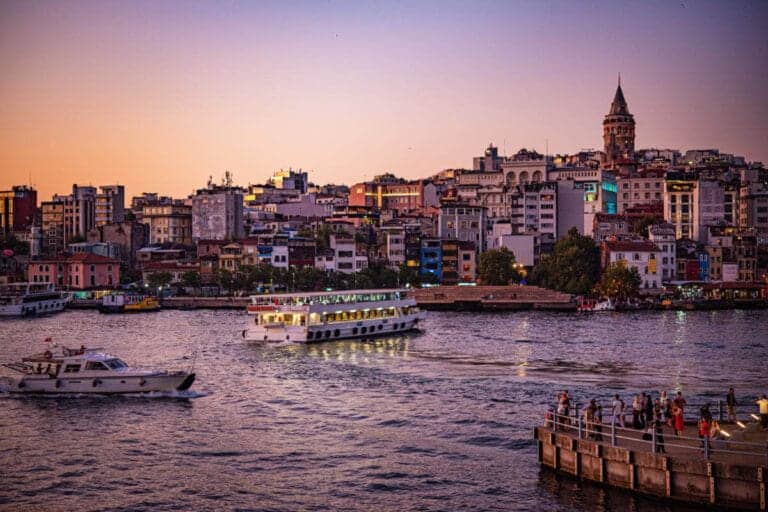
February is a sensible month for travelers who want to spend time in Istanbul without summer heat or the longest entrance lines. Build outdoor sightseeing around the driest part of the day, then use museums, cafés, bazaars, and restaurants as weather-proof alternatives. The Hagia Sophia Grand Mosque, Topkapi Palace Museum, the Spice Bazaar, and the Grand Bazaar are particularly practical choices on cold or rainy days.
A Bosphorus cruise can still be rewarding in winter, but dress more warmly than you think you need and choose an enclosed or heated option if one is offered. The wind on the water can feel much colder than the temperature shown on a weather app.
Cappadocia for snow-covered valleys and winter atmosphere
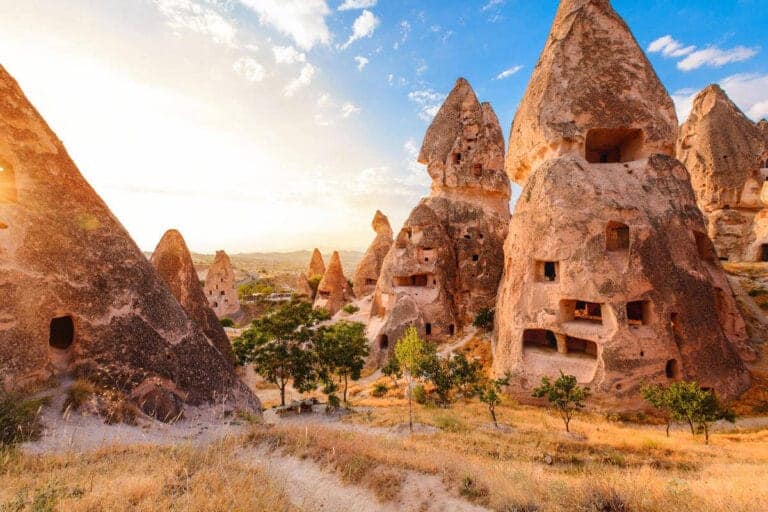
February gives Cappadocia a very different look from the dry, busy months of late spring and early fall. Snow can settle around the fairy chimneys and valleys of Göreme National Park, and the low winter light is appealing for photography. Underground sites, including the Cappadocia Underground City, are also useful cold-weather activities.
That said, travelers should not treat a balloon ride as guaranteed on any specific February morning. Flights operate only when aviation conditions permit. If ballooning is a priority, stay at least two nights in the region so that there is a possible backup morning. Booking Cappadocia for a single night and placing a balloon ride immediately before an international flight is one of the least forgiving winter plans.

Ephesus and Pamukkale for quieter archaeological days
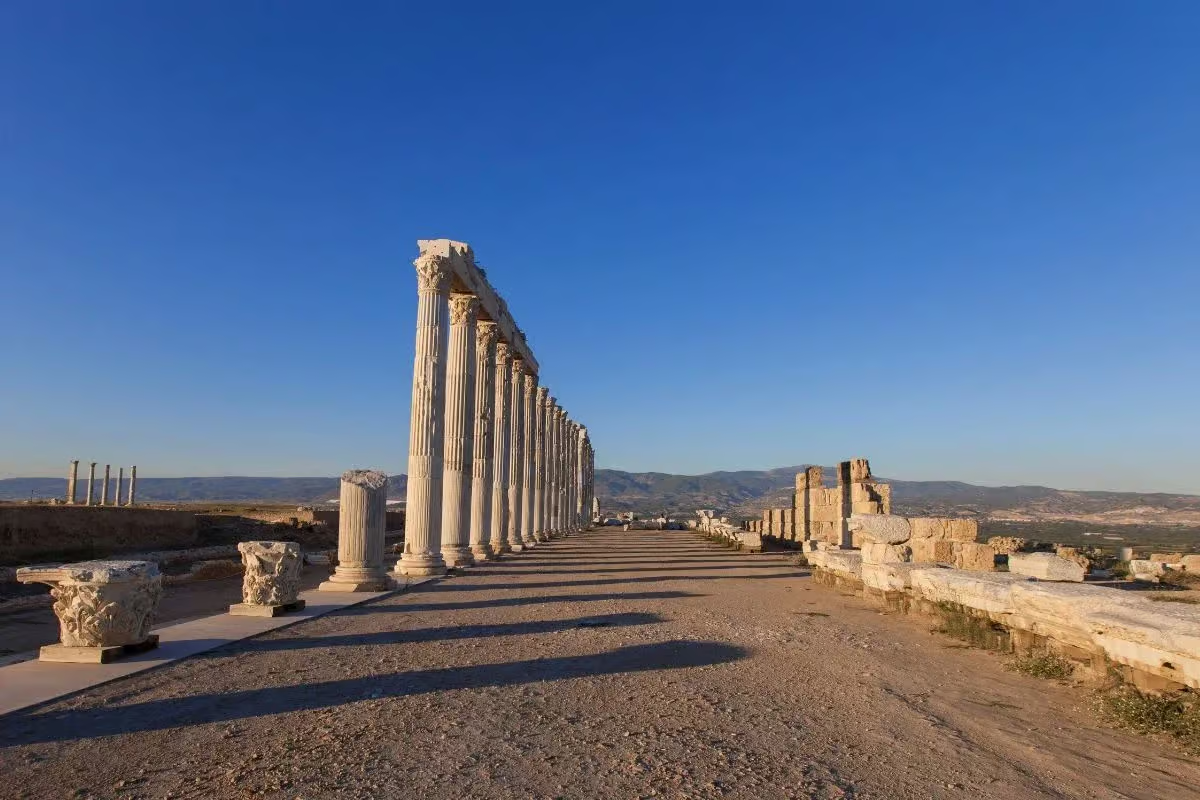
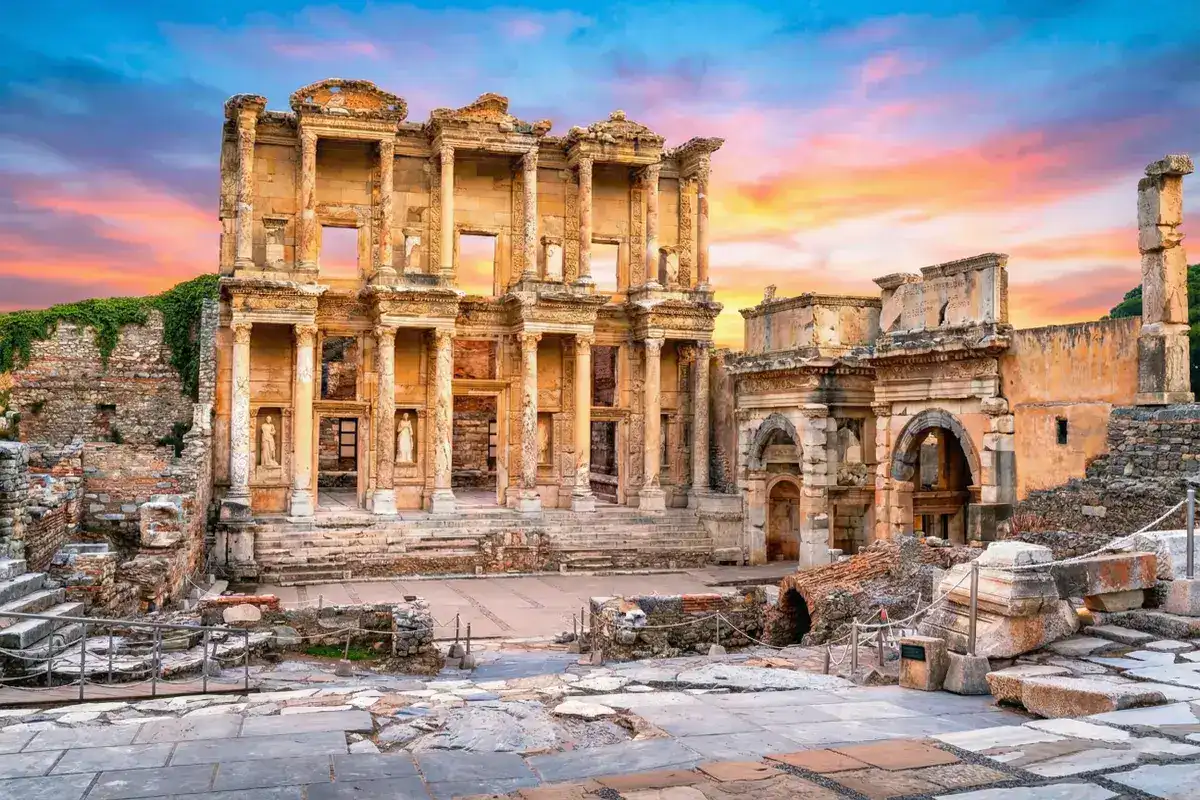
February can be a strong choice for travelers focused on ancient places rather than warm weather. At Ephesus, including the Great Theatre of Ephesus, you can often explore with more breathing room than in the hotter months. Nearby, the House of the Virgin Mary and Selçuk area make logical additions for many visitors.
Pamukkale is also open year-round, but it does not feel like a summer pool day in February. Think of it as a landscape-and-history stop: the white terraces, the remains of Hierapolis-Pamukkale, and, where available, thermal bathing options. Bring a rain layer and footwear that can handle wet, uneven ground.
Antalya for the mildest winter conditions
For the least wintry option, consider Antalya and the Mediterranean coast. February is suitable for walks through Kaleiçi, a visit to the Antalya Museum, and day trips to sites such as Perge Ancient City or the Aspendos Theater. It is not the right month for a classic sun-and-swim vacation, but it can be a pleasant cultural extension after inland Turkey.
What should you pack for Turkey in February?
The most useful packing strategy is layering. A single heavy coat helps in Cappadocia, but several adaptable layers are more practical when your itinerary includes Istanbul, the Aegean, and the Mediterranean. Indoor spaces can be comfortably heated while outdoor sightseeing is cold and wet.
- A warm insulated jacket, plus a lighter mid-layer such as fleece or wool.
- Water-resistant walking shoes with good grip; cobblestones, ruins, and snowy paths can be slippery.
- A compact waterproof jacket or rain shell, especially for Istanbul, Ephesus, Pamukkale, and Antalya.
- Thermal base layers, gloves, a hat, and a scarf for Cappadocia or central Anatolia.
- Modest clothing suitable for mosque visits, including a scarf for women who prefer to cover their hair when required.
- A small daypack for water, rain gear, sunscreen, and an extra layer. Winter sun can still be strong at open archaeological sites.
Practical tip: Do not pack only fashion boots for a February itinerary. Choose shoes you can wear for several hours on wet pavement and uneven stone. This is especially important at Ephesus, Pamukkale, and Cappadocia viewpoints.
February timing, costs, and travel logistics
February is outside Turkey’s main leisure season, which can make it an appealing time to plan around your preferred pace rather than peak-season crowd levels. However, “winter” does not automatically mean every hotel, flight, or guided departure is inexpensive. School holidays, weekend demand, room category, domestic flight timing, and the number of private services included all affect the final trip cost.
When comparing itineraries, look beyond the headline price. Confirm which nights of accommodation are included, whether domestic flights or long-distance transfers are part of the plan, what entrance fees are covered, how much free time is built in, and whether winter weather could require a route adjustment. Travelers who want a broad overview can compare options through the Turkey tours collection.
February is also a month to avoid overly tight connections. Leave a buffer after a domestic flight before an international departure, and avoid placing a one-time activity—especially ballooning—on the final possible morning. If your trip includes several regions, a professionally coordinated route can remove some of the pressure of winter transfers and schedule changes.
For broader seasonal context, see the best month for a first Turkey trip and the Complete Turkey Travel Guide 2026. Travelers comparing expenses across seasons may also find the practical advice in Turkey on a Budget useful.
Which February itinerary is the right fit?
Choose Istanbul and Cappadocia if winter scenery is the priority
This is the best fit for first-time visitors who want two very different sides of Turkey: urban culture in Istanbul and landscapes in Cappadocia. Allow enough time for weather variation, ideally with more than one morning available for a balloon attempt. It is a good route for couples, photographers, and travelers comfortable with cold mornings.
Choose Istanbul, Ephesus, and Pamukkale if you prefer history over snow
This route is better for travelers who want ancient sites, city life, and fewer weather-sensitive activities. Rain remains possible, but sightseeing can be easier to adapt because you can rearrange museums, markets, ruins, and thermal stops. A route beginning in Istanbul and moving west or south also avoids forcing Cappadocia into a trip when sub-freezing weather is not appealing.
Add Antalya if you want the mildest temperatures
Antalya makes sense for travelers who enjoy archaeology and coastal scenery but do not need beach weather. It is particularly useful as a softer-weather finish after Cappadocia or Pamukkale. Verify road plans and the amount of time allocated to outdoor sites, since rain can still influence the day’s comfort.
Consider a coordinated multi-day route if transfers feel complicated
Independent winter travel is very possible, but a multi-stop itinerary involves hotel check-ins, domestic transport, local pickups, and contingency planning. The 6-Day Best of Turkey Tour from Istanbul is worth reviewing for travelers seeking a shorter route, while the 13-Day Turkey Highlights Tour offers a longer framework covering multiple regions. Before reserving any trip, verify the departure date, exact route, winter operating details, accommodation category, activity inclusions, and what happens if weather affects a planned service.
For a deeper comparison of travel styles, read Group Tour vs Private Tour in Turkey: Which Option Is Right for You?. It is particularly helpful when deciding how much flexibility you want in February.
Choose your next step
Recommended Turkey tours
These verified options are the closest available matches for this article’s destination, route intent, and trip length.
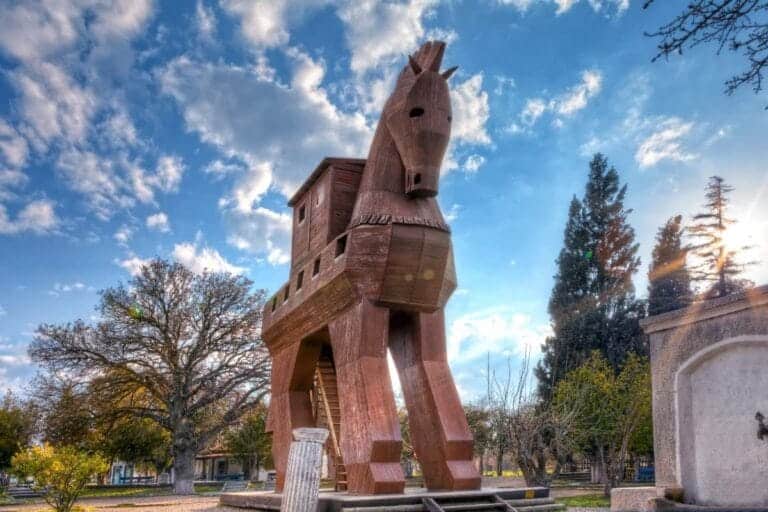
13-Day Turkey Highlights Tour
A 13 days Cultural & Heritage Tour route covering Turkey.
View tour details →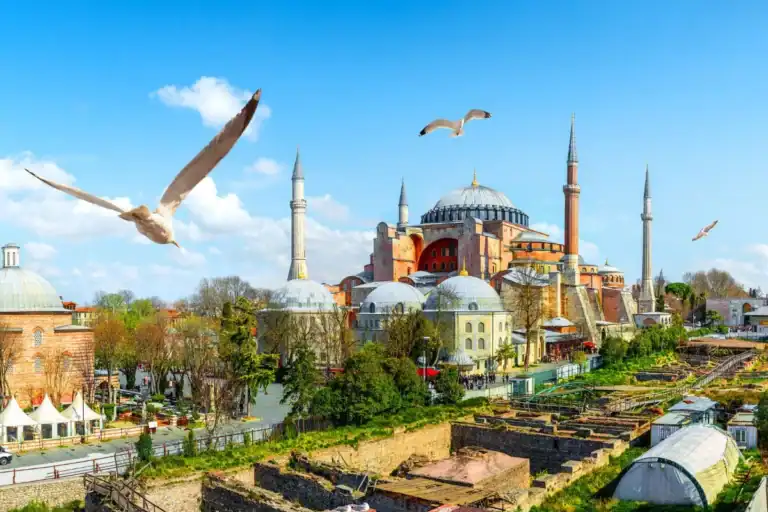
15-Day Grand Turkey Tour
A 15 days Cultural & Heritage Tour route covering Turkey.
View tour details →
6-Day Best of Turkey Tour from Istanbul
A 6 days Cultural & Heritage Tour route covering Turkey, Istanbul.
View tour details →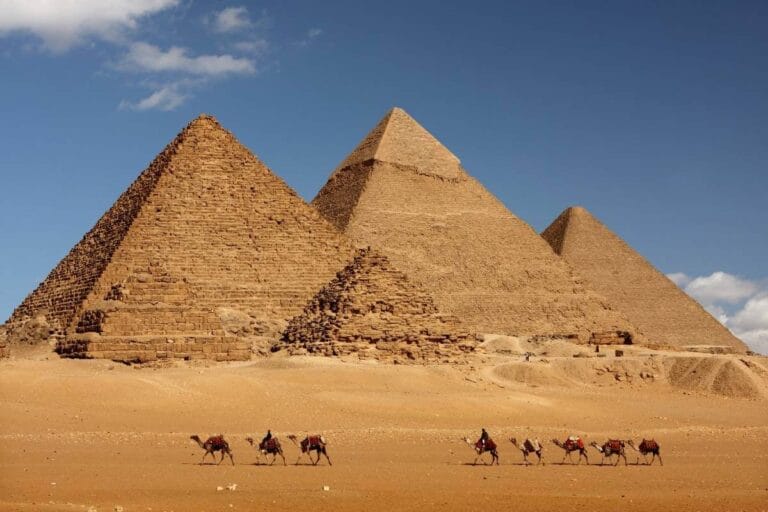
10-Day Turkey & Egypt Tour Package
A 10 days Cultural & Heritage Tour route covering Turkey, Egypt.
View tour details →February questions travelers often ask
Is February a good month for hot-air ballooning in Cappadocia?
It can be, and snowy scenery is beautiful from the air, but no February balloon flight is guaranteed. Wind, visibility, and aviation approvals determine whether flights operate. Stay multiple nights if this experience matters to you.
Does it snow in Istanbul in February?
It can snow, although the amount and timing vary from year to year. More often, travelers encounter cold rain, wind, and damp conditions. Bring waterproof shoes and plan a few indoor alternatives.
Can you visit Pamukkale and Ephesus in winter?
Yes. Both are year-round destinations and are often less crowded in February. Expect cooler temperatures, possible rain, and exposed walking conditions rather than summer-style weather.
Is Antalya warm enough for a beach vacation in February?
Usually not for a traditional swimming vacation. Antalya is milder than much of Turkey, but sea temperatures and variable rain make February better for old-town walks, museums, and archaeological day trips.
What happens if I need to change or cancel a tour?
Notice must be given at least 5 days before the tour starts. Non-refundable flight and bus ticket costs are deducted from the paid balance. With less than 5 days notice, or for a no-show, the full payment is non-refundable.
Is February the right time for your Turkey trip?
Choose February if you enjoy quieter landmarks, winter city breaks, atmospheric landscapes, and a trip built around culture rather than guaranteed sunshine. For the most reliable experience, combine adaptable city days with a realistic winter schedule, carry the right clothing, and leave room for weather changes in Cappadocia or on longer transfer days.
If you would like help matching a route to your travel dates, comfort level, and preferred pace, plan your Turkey trip with One Nation Travel. Our team can help coordinate the right itinerary and clarify the practical details before you book.