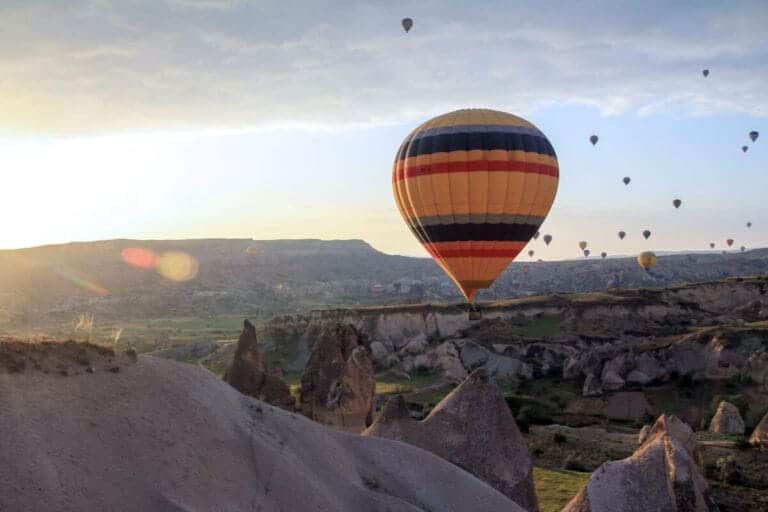

The practical answer: plan 7 to 10 days for a first Turkey trip, beginning with Istanbul, then adding Cappadocia, Ephesus, and Pamukkale if time allows. Spring and fall are usually the easiest seasons for a multi-stop itinerary. Prioritize fewer overnight bases, book key domestic connections early, and leave enough room to enjoy each place rather than treating the country as a checklist.
Turkey suits travelers who want major historical sites, memorable food, varied landscapes, and a trip that can feel very different from one region to the next. The biggest planning decision is not whether there is enough to see—there is—but how much ground to cover without spending too much of the vacation in transit.
What Matters Most When Planning Turkey
- For a first visit, spend at least two full days in Istanbul and two nights in Cappadocia.
- Seven to eight days is enough for Istanbul, Cappadocia, Ephesus, and Pamukkale with a sensible route; 10 to 14 days allows a more relaxed pace or adds the coast, Gallipoli, Troy, or Konya.
- April through May and September through October are often the most comfortable periods for sightseeing across several regions.
- Use domestic flights strategically for long cross-country legs; a route that looks short on a map can take most of a day by road once stops and hotel changes are included.
- Confirm what a tour price includes before booking, especially domestic flights, site admissions, airport transfers, meals, and balloon flights.
- Carry a small amount of Turkish lira for local purchases, while keeping a card available for hotels, restaurants, and larger expenses.

Choose the Right Length for Your Turkey Trip
A well-planned Turkey itinerary is usually about choosing the right version of the trip for your available time. Trying to fit Istanbul, Cappadocia, the Aegean coast, and Antalya into five days often creates early starts, rushed visits, and little margin if a flight time changes. Our 7 day turkey tour packages, for example, keep to Istanbul, Cappadocia, and Ankara rather than adding the coast.
| Time available | Best route | Who it suits |
|---|---|---|
| 5–6 days | Istanbul + Cappadocia | First-time visitors who want city life, Ottoman landmarks, and Cappadocia’s landscapes without constant hotel changes. |
| 7–8 days | Istanbul + Cappadocia + Ephesus/Pamukkale | Travelers looking for a balanced first overview of Turkey’s major highlights. |
| 9–10 days | Istanbul + Cappadocia + west Turkey, with Gallipoli, Troy, Pergamon, or extra Aegean time | Travelers who enjoy history and prefer not to skip the northwest. |
| 11–14 days | Classic highlights plus Antalya, Konya, or slower coastal time | Travelers who want a broader route with recovery time between longer travel days. |
If you have only one week, it is usually better to do four places well than add a fifth destination just because it appears on every sample itinerary. For a closer look at how a week can work, see this day-by-day 7-day Turkey itinerary.
Start in Istanbul and Give It Proper Time
Istanbul is the natural arrival point for most international travelers and deserves more than a single overnight stop. Two full days is the practical minimum; three days gives you room to explore without treating the city’s major sights as a race.
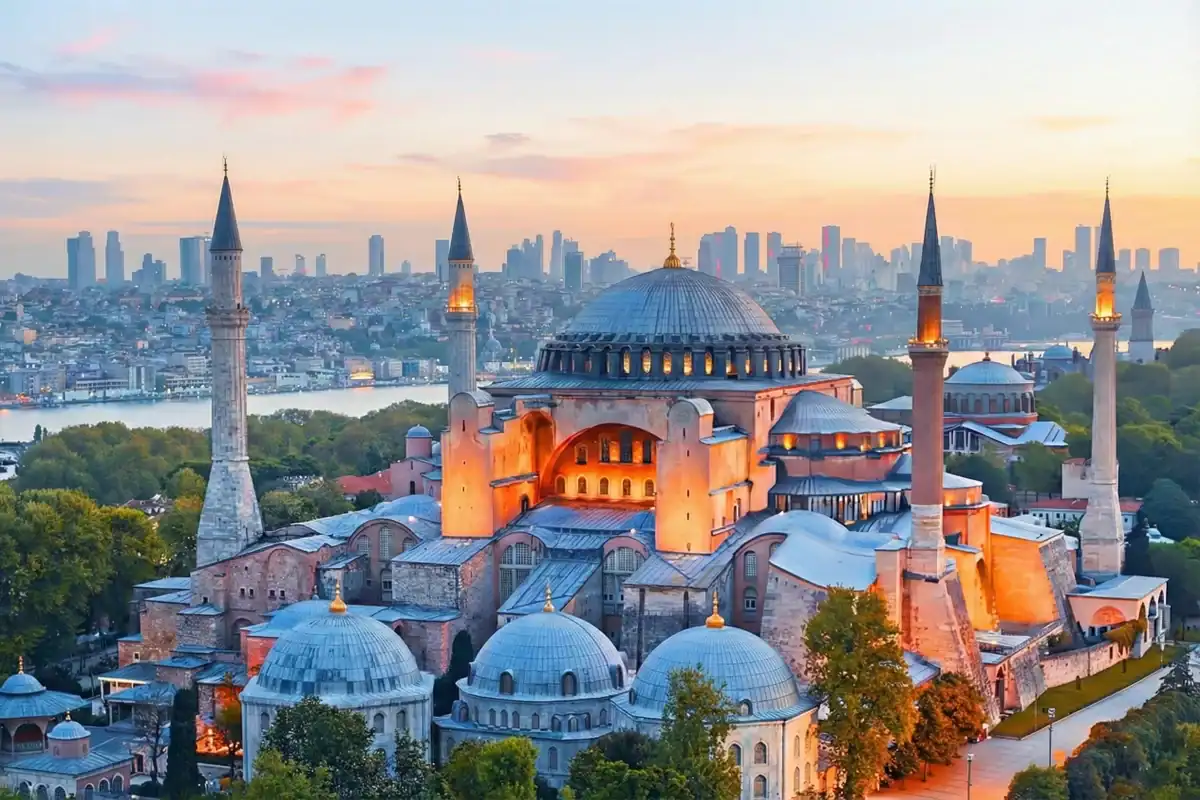
Use one day for Sultanahmet and the historic peninsula: Hagia Sophia Grand Mosque, the Blue Mosque, Topkapi Palace Museum, and the Byzantine Hippodrome. These sites are close together, but security lines, prayer times, museum hours, and the scale of Topkapi mean that an early start is worthwhile.
On another day, choose a different side of the city: browse the Spice Bazaar, walk around Karaköy, cross the Galata Bridge, or take a Bosphorus cruise. A cruise makes particular sense after a long-haul flight: it offers a broad introduction to the city without adding another demanding walking day.
Practical tip: Do not schedule every headline sight for your arrival day. Jet lag, airport formalities, and Istanbul traffic can turn an ambitious first afternoon into an expensive missed reservation. Check into your hotel, have a relaxed meal, and begin major sightseeing the next morning.
Why Cappadocia Deserves Two or Three Nights
Cappadocia is not a single compact town. Its valleys, museums, viewpoints, cave dwellings, and underground cities are spread across the region, so a two-night stay is usually the minimum that feels worthwhile. Three nights is better for travelers who want hiking time, photography, or a weather buffer for a balloon flight.
The main cultural stop is Göreme National Park, known for rock-cut churches and volcanic formations. Add the distinctive towers of Pasabag Monks Valley, the viewpoints around Ortahisar Castle, and a visit to a Cappadocia underground city if you are comfortable with enclosed spaces and stairs.
Should You Book a Hot Air Balloon Ride?
For many visitors, a sunrise balloon flight is the defining Cappadocia experience. Flights are weather dependent, and cancellations can happen for safety reasons. Book it for the first suitable morning of your stay rather than the last one, so there may be another opportunity if conditions prevent flying. You can review the dedicated Cappadocia sunrise hot air balloon ride option separately if you are building an independent itinerary.
Cappadocia has two main gateways. Nevşehir Airport is typically closer to Göreme, while Kayseri Airport is often around 75 minutes away by road. Transfer times vary with your hotel location, road conditions, and shared versus private transport, so confirm the actual pickup plan before finalizing a flight.

How to Add Ephesus and Pamukkale Without Rushing
For travelers with a full week or more, western Turkey adds a different dimension to the trip. Ephesus is one of the country’s most compelling archaeological sites, with marble streets, public buildings, and the Great Theatre of Ephesus. Nearby Selçuk also provides access to the Basilica of Saint John and the House of the Virgin Mary.
Arrive at Ephesus close to opening time when possible. The exposed site gets hot during warmer months, and the experience is much better before the busiest tour groups arrive. Comfortable shoes, water, sun protection, and a guide or reliable audio explanation make a noticeable difference here; without context, it is easy to miss what distinguishes one ruin from another. Our 8 day turkey tour from Washington DC devotes a full day to Ephesus before flying back to Istanbul.
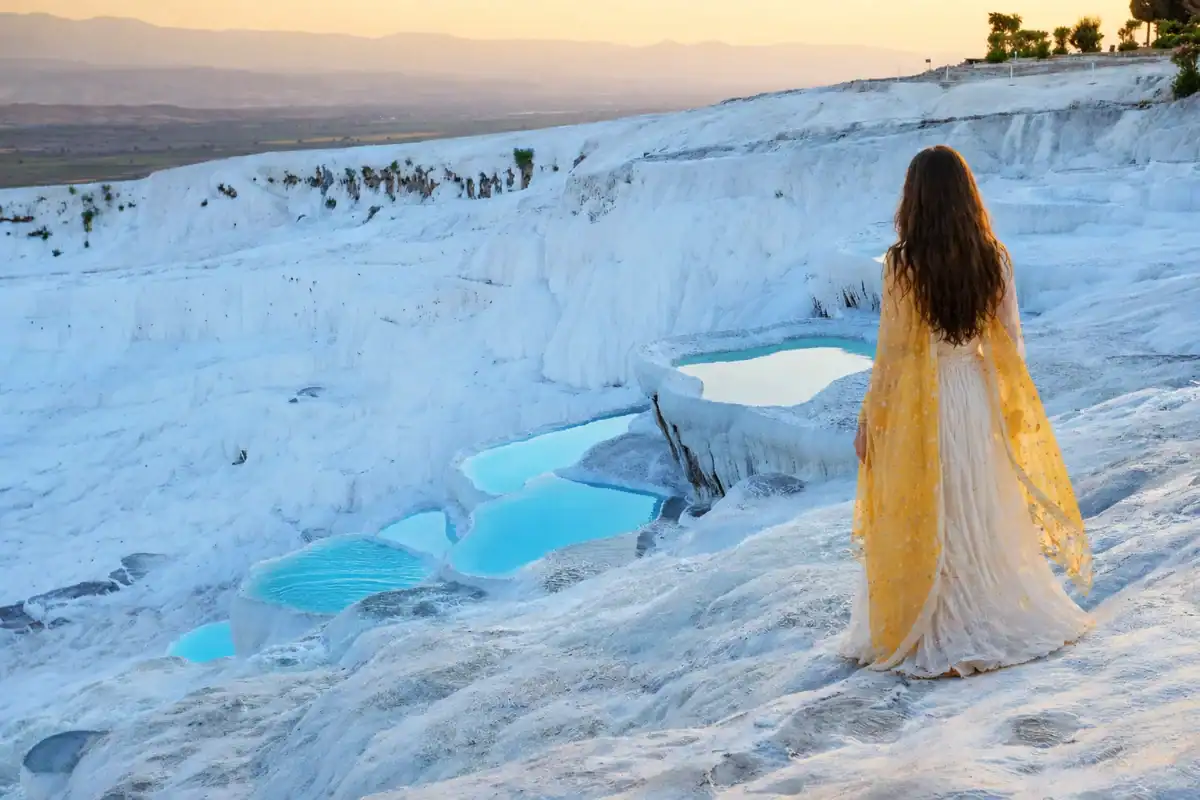
Pamukkale pairs natural scenery with ancient history. The white terraces of the Travertines of Pamukkale sit beside Hierapolis-Pamukkale, where visitors can walk through the archaeological remains above the terraces. If swimming in the Cleopatra Pool matters to you, verify its current access arrangements and any separate admission before arrival.
These stops are often linked by a road journey, but the route needs realistic timing. A private driver, small-group itinerary, or carefully coordinated flight-and-transfer plan can save a lot of energy compared with independently piecing together several local connections. Travelers deciding whether the stop is worth the detour may find this practical guide to choosing a 6-day Turkey itinerary useful.
When Is the Best Time to Visit Turkey?
Turkey’s climate changes markedly by region. Istanbul can be cool and wet when Cappadocia is snowy, while the Mediterranean coast may be warm enough for outdoor dining. For a first trip that combines several regions, spring and fall usually involve the fewest compromises.
- April and May: Comfortable sightseeing weather in many regions, green valleys in Cappadocia, and generally manageable crowds. Pack layers because mornings and evenings can still be chilly.
- June through August: Best for beach-focused trips, but inland sites and Ephesus can be very hot. Plan outdoor ruins early in the day and expect more visitors.
- September and October: A strong choice for a classic route, with warm days, pleasant evening temperatures, and good conditions for walking.
- November through March: Quieter for city museums and cultural travel, though weather can affect road travel and balloon operations in Cappadocia. Snow can be beautiful, but it requires flexible expectations.
For a more detailed seasonal comparison, see when to take your first Turkey trip. Whichever month you choose, check local forecasts shortly before departure rather than packing solely from countrywide averages.
Budget, Payments, and What to Confirm Before Booking
Turkey can offer good value compared with many European destinations, but the final cost depends heavily on travel style. Hotels, domestic flights, private transfers, guide services, restaurant choices, and the season all matter. A low headline price can become less attractive once airport transfers, flights, key admissions, and optional activities are added.
Credit and debit cards are widely usable in cities and established tourism areas. Keep some Turkish lira for small purchases, tips, markets, and places where card terminals are unreliable. Notify your bank before travel, use ATMs connected to recognized banks, and decline unfamiliar dynamic-currency-conversion offers if you prefer your card issuer’s exchange rate.
Entry, Health, and Travel Documents
Passport, visa, transit, health, and entry requirements can change. Travelers should check the official Turkish e-Visa and government travel information relevant to their own nationality before purchasing nonrefundable travel. Do not rely on a traveler’s old visa experience, social media advice, or an airline check-in agent to be your only source of information.
Travel insurance is also worth considering for a multi-stop itinerary, particularly when domestic flights, weather-sensitive activities, or pre-paid accommodations are involved. Review what it covers for delayed travel, medical care, and activity cancellations—not just the policy’s headline wording.
Guided Tour or Independent Travel: Which Is Better?
Both approaches can work well in Turkey. The right choice depends on how much time you have, how confident you are managing domestic logistics, and whether historical interpretation is important to you.
Choose an independent trip if you want flexibility
- You enjoy choosing hotels, restaurants, and daily pacing yourself.
- You are comfortable coordinating airport transfers, domestic flights, and changing regional transportation schedules.
- You can devote extra time to researching site hours, museum access, and realistic travel times.
Choose a guided or small-group route if you value coordination
- You want help connecting Istanbul, Cappadocia, Ephesus, and Pamukkale efficiently.
- You prefer guided context at large archaeological sites rather than navigating them alone.
- You have limited vacation time and want fewer decisions during the trip.
- You want a clearer view of what is arranged in advance and who to contact if plans change.
Before booking either option, verify the exact hotel standard, domestic transport method, airport transfer arrangements, admission inclusions, meal plan, activity availability, group size where relevant, and the pace of each day. A “flight included” itinerary is not automatically the best choice if its flight times reduce sightseeing or require an unnecessarily early hotel departure.
Travelers weighing these styles can also compare the practical differences in group tours versus private tours in Turkey. If you prefer a short, focused Cappadocia stay from Istanbul, consider whether a private Cappadocia tour from Istanbul better matches your pace than a fixed small-group schedule.
Choose your next step
Recommended Turkey tours
These verified options are the closest available matches for this article’s destination, route intent, and trip length.

2-Day Cappadocia Adventure with Sunrise Hot Air Balloon Ride
A 2 days Historical & Cultural Tour route covering Cappadocia.
View tour details →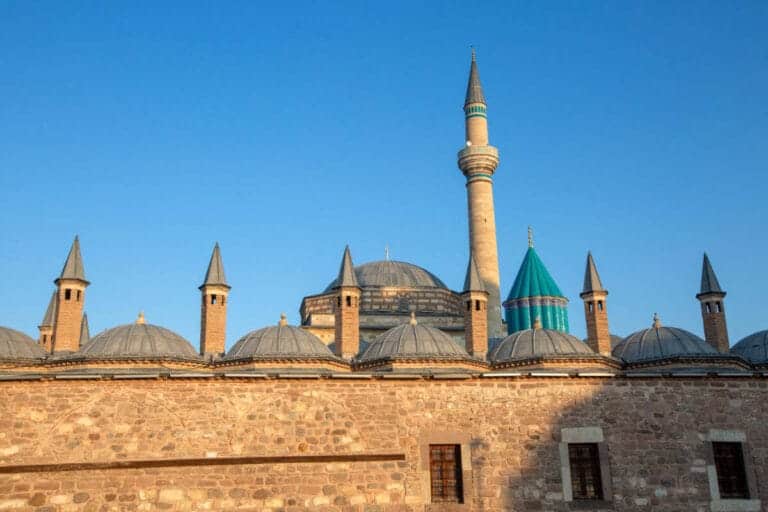
3-Day Cappadocia & Konya Tour from Istanbul
A 3 days Historical & Cultural Tour route covering Cappadocia, Konya and 1 more destination.
View tour details →
Small Group 4 Day Cappadocia & Ephesus Tour with Flights
A 4 days Historical & Cultural Tour route covering Cappadocia, Ephesus.
View tour details →
2-Day Cappadocia Tour from Istanbul by Plane with Hot Air Balloon
A 2 days Historical & Cultural Tour route covering Cappadocia, Istanbul.
View tour details →Common Turkey Trip Questions
Is seven days enough for a first trip to Turkey?
Yes, if you focus on Istanbul, Cappadocia, Ephesus, and Pamukkale and accept a fairly active pace. For more relaxed travel, use seven days for Istanbul and Cappadocia, then save western Turkey for a later visit or add two to three more days.
Is it better to fly or drive between Turkish destinations?
Use flights for long cross-country connections when they preserve meaningful sightseeing time. Driving is more rewarding on regional legs where the road itself includes worthwhile stops, but it should not be treated as a shortcut simply because the map distance looks modest.
How far ahead should I arrange Cappadocia balloon flights?
Arrange them as early as practical, especially in popular spring and fall travel periods. Schedule the flight near the beginning of your Cappadocia stay because weather can prevent departures on a given morning.
What should I wear when visiting mosques and archaeological sites?
Bring modest clothing that covers shoulders and knees for mosque visits; women should carry a scarf for head covering where required. For ruins and valleys, wear supportive walking shoes, sun protection, and layers for changing temperatures.
Build a Turkey Route That Leaves Room to Enjoy It
The best first Turkey trip is not the one with the most pins on a map. For most travelers, Istanbul and Cappadocia are essential; Ephesus and Pamukkale make an excellent addition when there is enough time to connect them properly. Choose a route that matches your energy, confirm the operational details before paying, and leave space for unplanned meals, viewpoints, and neighborhood walks. And if you have closer to two weeks, our 12 day wonders of turkey and jordan tour extends the route into Jordan.
If you would like help matching a route, pace, and travel style to your available dates, plan your Turkey trip with One Nation Travel.