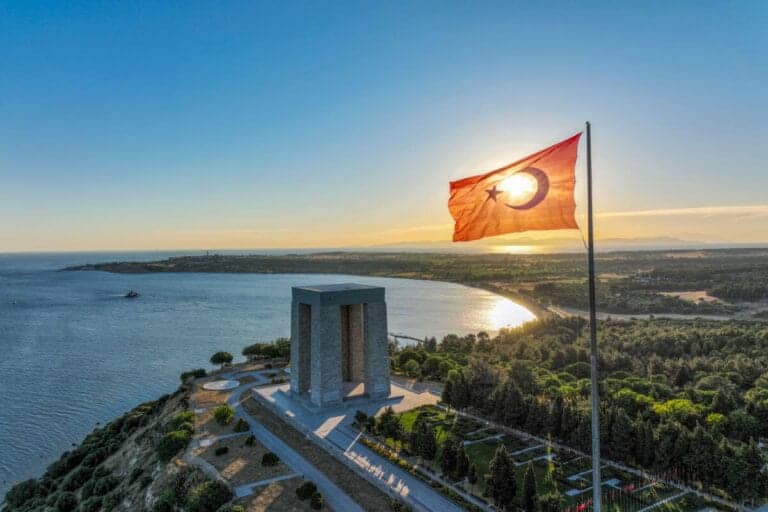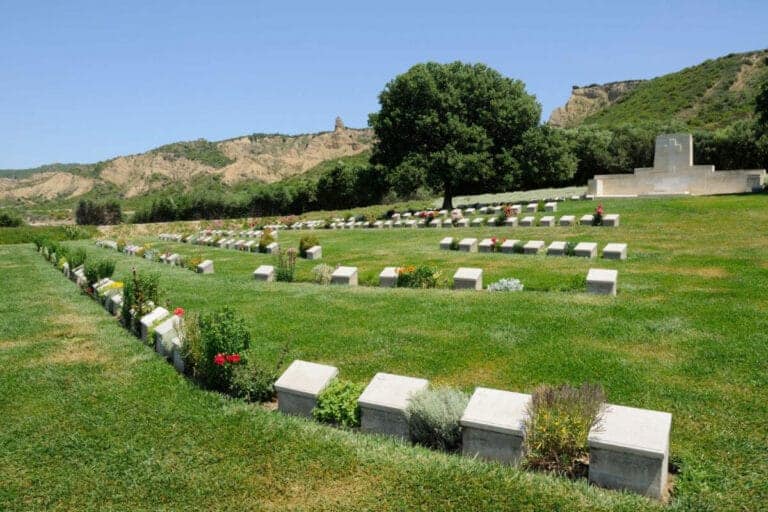
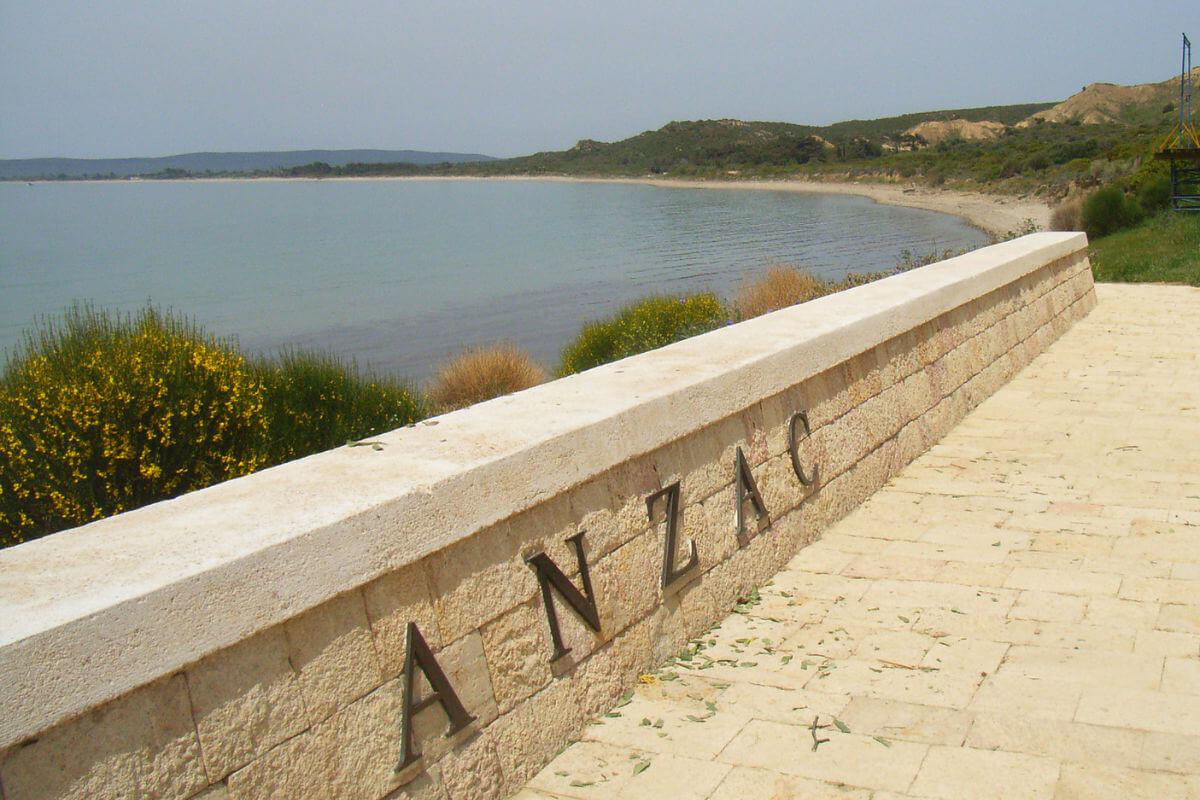
The wind off the Dardanelles carries a quiet force at Brighton Beach, where pale sand, scrub-covered ridges, and calm blue water meet one of the most solemn landscapes in Turkey. Today, the shoreline feels peaceful, but in 1915 this stretch of the Gallipoli Peninsula stood close to the opening chapter of a campaign that shaped the memory of Australia, New Zealand, Turkey, and the wider world.
Historical and Cultural Context
Brighton Beach was originally selected as the intended landing area for Allied troops during the Gallipoli Campaign of World War I. On April 25, 1915, the Australian and New Zealand Army Corps—known as ANZAC—were meant to come ashore near this relatively open section of coastline. Instead, many landed farther north at what became known as Anzac Cove, where steep gullies and rugged slopes made the advance far more difficult.
The campaign lasted from April 1915 to January 1916 and resulted in heavy losses on all sides. For Turkey, Gallipoli became closely linked with national identity and the rise of Mustafa Kemal Atatürk. For Australians and New Zealanders, the landings became central to ANZAC remembrance. Brighton Beach remains part of this broader commemorative landscape, connecting visitors to the geography, choices, and consequences of those early hours.
What to See and Experience
At Brighton Beach, the first thing many travelers notice is the contrast: soft waves roll toward the shore while inland ridges rise sharply beyond the sand. The beach itself is modest, but its setting helps visitors understand why military planners saw it as a more suitable landing place than the steeper terrain farther north.
Walk slowly along the shoreline and look toward the surrounding hills. The sound of the wind, the crunch of gravel underfoot, and the wide Dardanelles horizon create a reflective atmosphere. Nearby Gallipoli sites, including cemeteries, memorials, and former battlefield positions, add deeper context to the story of the 1915 campaign.
Practical Visitor Tips
Best Time to Visit
Spring and autumn are the most comfortable seasons to visit Brighton Beach, with mild temperatures and softer light for photography. April is especially meaningful because of ANZAC Day commemorations, though it can also be busier than other months.
How Long to Allocate
Plan around 20 to 30 minutes at the beach itself, or longer if you want time for quiet reflection. Most visitors experience Brighton Beach as part of a wider Gallipoli battlefield route, which can take a half day or full day depending on the itinerary.
Plan Your Visit
Brighton Beach is not simply a place to view; it is a place to pause. Its quiet shoreline helps travelers grasp the scale of decisions made in wartime and the human stories that still echo across Gallipoli.
Plan the next step
Recommended Tours for Your Gallipoli Visit
Compare tours for Brighton Beach by starting point, duration and itinerary. A listed stop can change with local access conditions; check the current program before booking.
Private Gallipoli Battlefield Tour from Canakkale via Eceabat
Gallipoli day itinerary — check pickup details
Explore Gallipoli’s historic battlefields on a private tour from Canakkale via Eceabat, with a meaningful focus on history and culture.
View Tour Details
Troy & Gallipoli Full-Day Tour from Canakkale
Gallipoli day itinerary — check pickup details
Book the Troy & Gallipoli Full-Day Tour from Canakkale with One Nation Travel for expert guidance, organized transfers, and a…
View Tour Details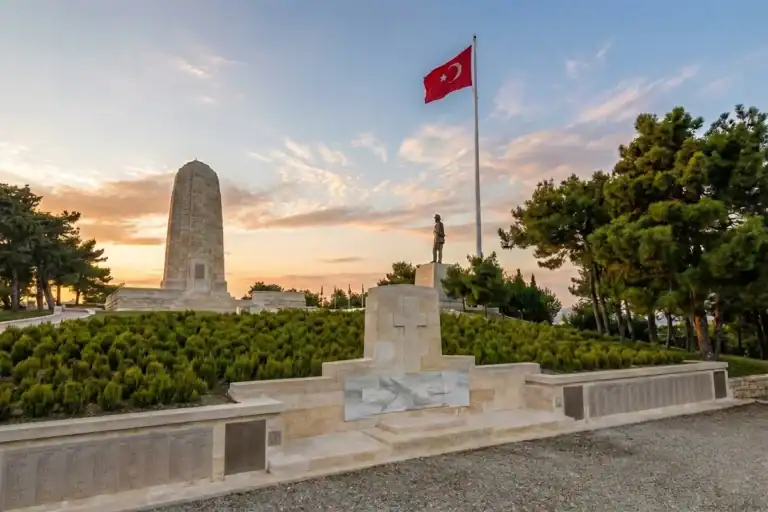
Gallipoli Tour from Canakkale / Eceabat
Gallipoli day itinerary — check pickup details
Book a Gallipoli Tour from Canakkale or Eceabat and experience a guided day trip focused on this important Gallipoli travel…
View Tour Details