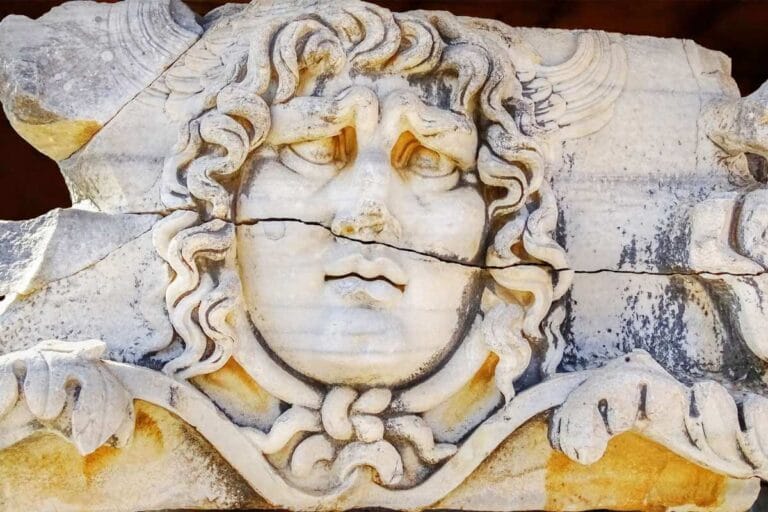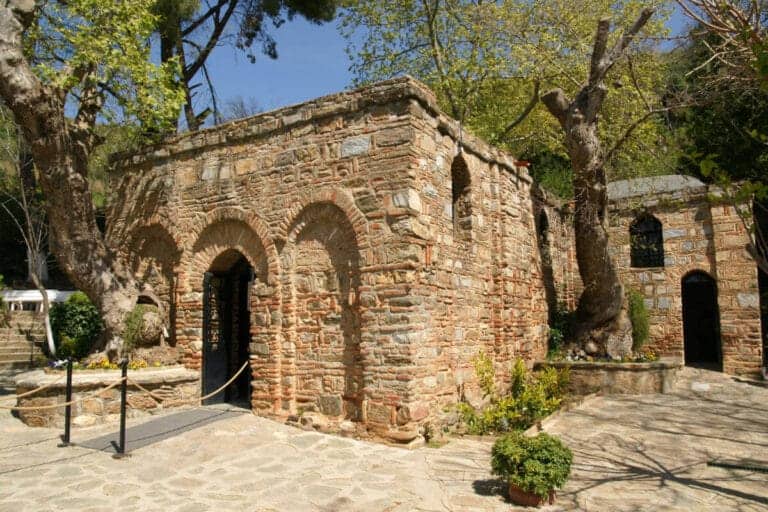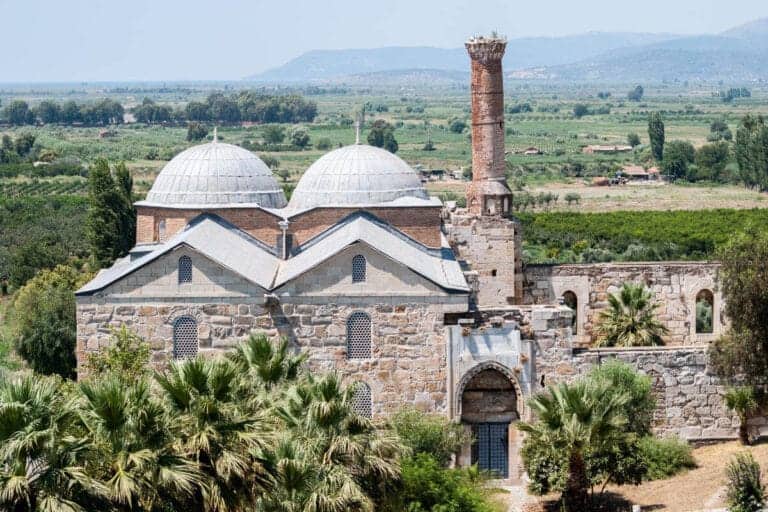
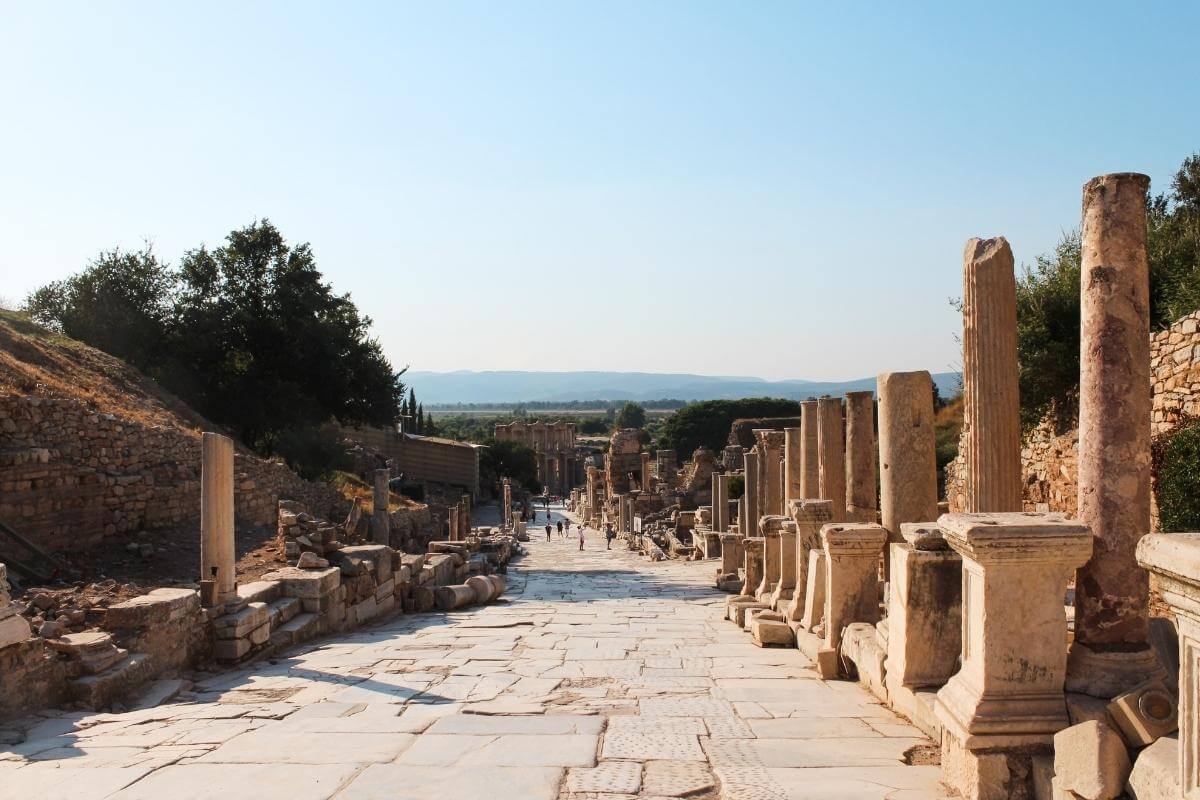
Walk the same marble streets where Mark Antony once courted Cleopatra, where the apostle Paul preached to thousands, and where Roman citizens bartered, bathed, and debated under the Mediterranean sun. The Greco-Roman City of Ephesus isn’t merely a ruin site — it’s one of the most complete classical cities still standing in the ancient world.
A City That Shaped Civilizations
Founded in the 10th century BC by Greek colonists along the Aegean coast of what is now western Turkey, Ephesus grew into one of the largest and most influential cities of antiquity. By the 1st century AD, it served as the Roman capital of Asia Minor and boasted a population of roughly 250,000 — making it the fourth largest city in the entire Roman Empire. Emperors invested lavishly in its infrastructure, philosophers debated in its schools, and traders from across three continents crowded its harbor. The city’s decline came gradually, as its harbor silted up over centuries, slowly severing its lifeline to the sea.
What to See and Experience
The Greco-Roman City of Ephesus reveals itself along a grand processional avenue that descends from the upper gate to the ancient harbor. The iconic Library of Celsus commands attention immediately — its two-story façade, reconstructed with painstaking care, still projects intellectual ambition nearly 2,000 years after its construction in 117 AD. Stand before it in the morning light and you’ll understand why it once held 12,000 scrolls.
Continue to the Great Theatre of Ephesus, a colossal amphitheater carved into Mount Pion that seated 25,000 spectators. The acoustics remain startling — a whisper from center stage carries to the highest row. Nearby, the Terrace Houses offer an intimate glimpse into elite Roman domestic life, with preserved floor mosaics and frescoed walls that still carry traces of vivid ochre and cobalt.
Don’t overlook the Temple of Hadrian, with its graceful arched entrance, or the ancient public latrines — a surprisingly social space where Romans conducted business while handling personal business.
Tips for Your Visit
Arrive early, ideally by 8:30 AM, to walk the Greco-Roman City of Ephesus before the midday crowds and heat descend. Allocate at least two to three hours — more if you want to explore the Terrace Houses, which require a separate ticket. Spring (April–May) and fall (September–October) offer the most comfortable temperatures. Wear sturdy shoes; the ancient marble paths can be uneven and slippery.
Two thousand years of silence have settled over these streets, yet every column, every carved inscription, every worn stone threshold still speaks. The Greco-Roman City of Ephesus doesn’t just preserve the past — it makes you feel the sheer scale of what humanity once built, and what time alone could not fully erase.
Plan the next step
Recommended Tours for Your Ephesus Visit
Compare tours for Greco-Roman City of Ephesus by starting point, duration and itinerary. A listed stop can change with local access conditions; check the current program before booking.

Ephesus Guided Day Tour from Kusadasi
Ephesus day itinerary — check pickup details
Explore Ephesus from Kusadasi with an expert guide. See marble streets, the Library of Celsus, Grand Theatre and Temple of…
View Tour Details
2-Day Ephesus & Pamukkale Tour from Istanbul with Flights
Starts from Istanbul
2-day Ephesus and Pamukkale tour, Pamukkale tour from Istanbul, Ephesus tour from Istanbul, Turkey short tours, Ephesus Pamukkale itinerary
View Tour Details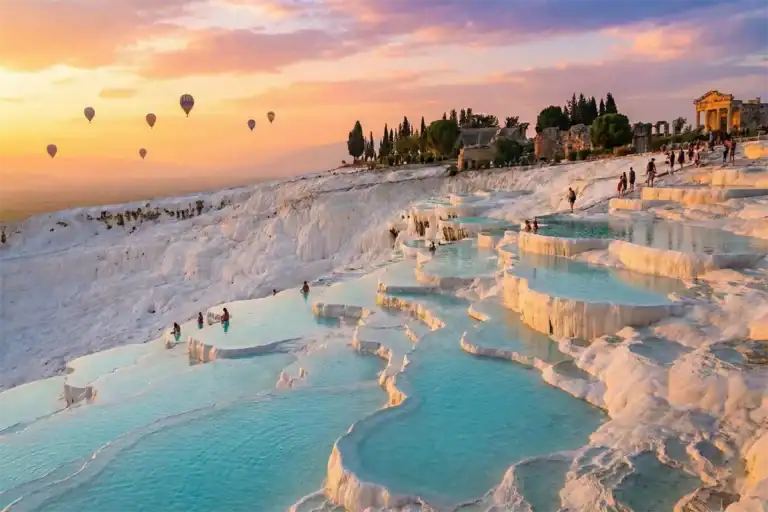
2-Day Pamukkale & Ephesus Tour from Istanbul with Flights
Starts from Istanbul
Travel from Istanbul to Pamukkale and Ephesus on a 2-day tour with flights, exploring travertine terraces, Hierapolis and ancient ruins.
View Tour Details