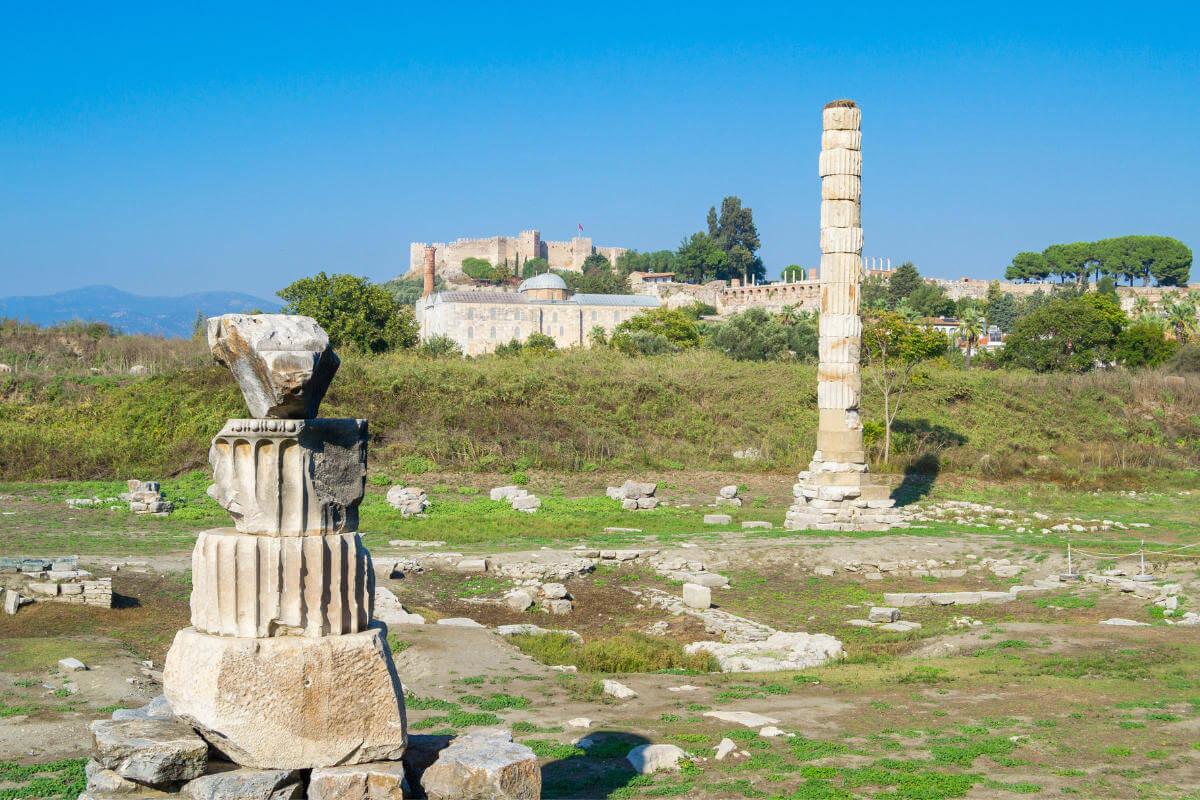
Across a quiet, reed-fringed plain near Selçuk, Türkiye, the Temple of Artemis invites visitors to imagine a building so vast and celebrated that the ancient world counted it among its Seven Wonders. Today, only a solitary reconstructed column rises above the marshy ground, yet this modest scene carries the echo of marble colonnades, processions, merchants, pilgrims, and one of antiquity’s most powerful goddesses.
A Wonder of the Ancient World
The Temple of Artemis stood near the ancient city of Ephesus, one of the great ports and religious centers of the eastern Mediterranean. Artemis, associated here with fertility, protection, and abundance, was worshipped at this location long before the famous marble temple was built.
An earlier sanctuary existed by the eighth century BC, but the grandest version began around 560 BC with support from Croesus, the wealthy king of Lydia. Ancient writers described a temple approximately 377 feet long and 180 feet wide, surrounded by more than 100 towering marble columns. In 356 BC, the building was deliberately burned by Herostratus, who sought fame through destruction. The Ephesians rebuilt it on an even grander scale, refusing to let one destructive act erase their sacred landmark.
The later Temple of Artemis remained a major pilgrimage destination for centuries before suffering damage during a Gothic raid in AD 262. As Christianity became dominant in the Roman Empire, the sanctuary gradually declined. Its stones were eventually reused in other structures, including buildings in nearby Selçuk.
What to See at the Temple of Artemis
Do not expect an intact monument. The power of the Temple of Artemis lies in its atmosphere and in the scale of what once stood here. Walk around the archaeological site, study the remaining column fragments, and look toward the distant hills. On clear days, the landscape helps explain why this low-lying sanctuary was once visible to travelers approaching Ephesus.
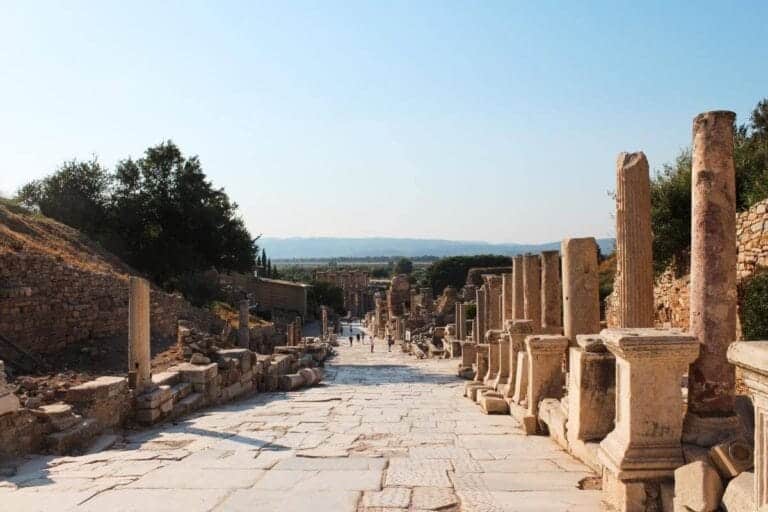
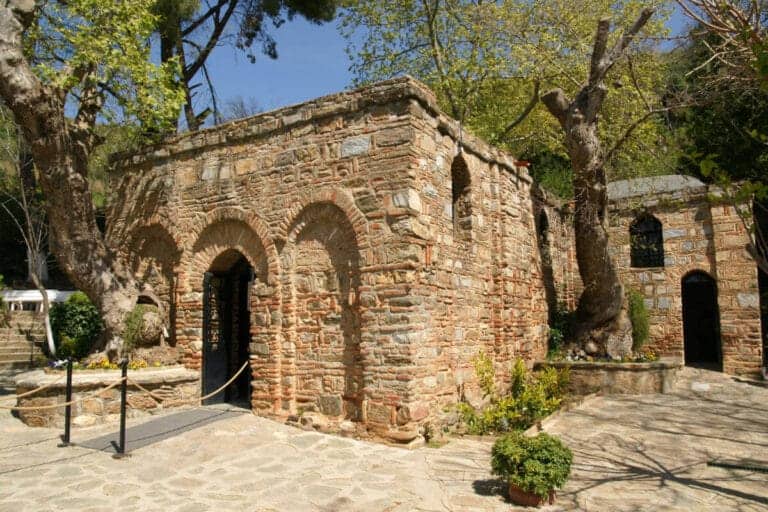
The visit pairs especially well with the ruins of Ephesus Ancient City, where grand streets, fountains, homes, and public buildings reveal the urban world that supported Artemis’s sanctuary. You can also continue to the Basilica of Saint John, another important landmark in the Selçuk area.
Practical Visitor Tips
Allow about 20 to 30 minutes for the Temple of Artemis itself, or longer if you enjoy photography and archaeological interpretation. Spring and fall offer the most comfortable temperatures for exploring the wider Ephesus region. Morning visits are especially pleasant, with softer light and fewer crowds. Wear comfortable shoes, bring water in warmer months, and approach the site with imagination: its surviving ruins are small, but its story is enormous.
The Temple of Artemis proves that even a single column can awaken the memory of a world wonder. Add it to your Ephesus route, pause beside its quiet waters, and let the vanished marble city rise again in your mind.
Related Tours
Plan the next step
Recommended Tours for Your Ephesus Visit
Compare tours for Temple of Artemis by starting point, duration and itinerary. A listed stop can change with local access conditions; check the current program before booking.

Ephesus Guided Day Tour from Kusadasi
Ephesus day itinerary — check pickup details
Explore Ephesus from Kusadasi with an expert guide. See marble streets, the Library of Celsus, Grand Theatre and Temple of…
View Tour Details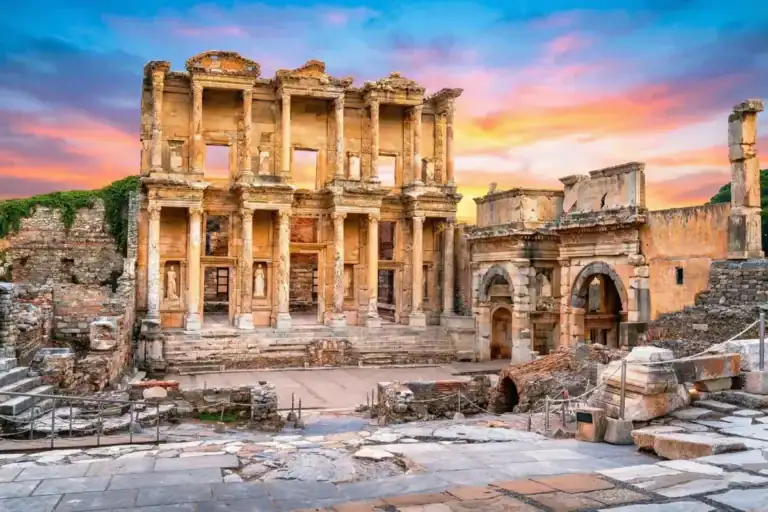
Ephesus Day Trip from Istanbul
Starts from Istanbul
Visiting Ephesus in a single day is convenient. Fly from Istanbul to Izmir, tour the Ancient City, Library of Celsus,…
View Tour DetailsEphesus Day Trip from Izmir
Starts from Izmir
Take a memorable day trip from Izmir to the ancient city of Ephesus, one of Turkey’s most iconic archaeological sites.…
View Tour Details