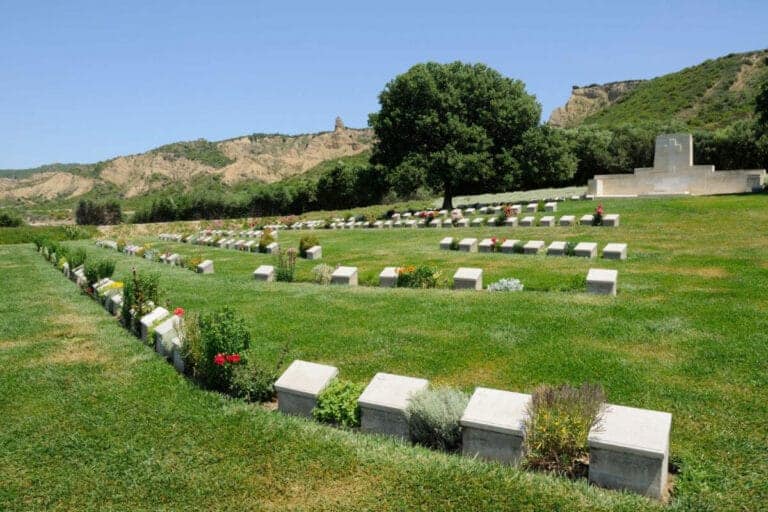
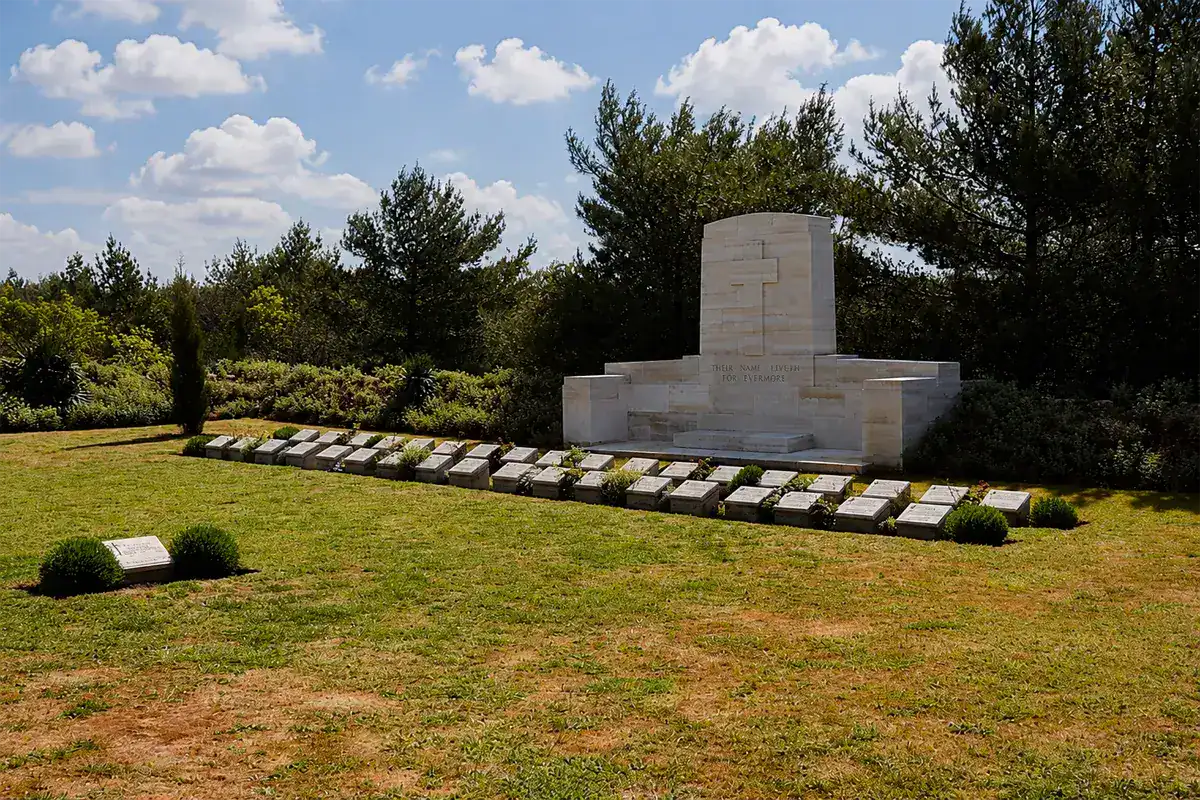
The wind moves softly across the scrub-covered ridges of Gallipoli, carrying the scent of pine, dry earth, and sea salt from the Dardanelles. At Johnston’s Jolly, the landscape feels quiet at first glance—but the silence is powerful. Trenches cut through the ground only meters apart, reminding visitors how close the opposing forces stood during one of World War I’s most intense campaigns in Turkey.
Historical Context of Johnston’s Jolly
Johnston’s Jolly was one of the key battlefield positions on the Gallipoli Peninsula during the 1915 Gallipoli Campaign. The site takes its name from Brigadier General George Johnston, an Anzac commander associated with the area. After the Allied landings on April 25, 1915, Australian and New Zealand forces pushed inland from Anzac Cove, but the rugged terrain and determined Ottoman defense quickly turned the campaign into months of trench warfare.
Here, Ottoman and Anzac trenches were often separated by as little as 10 to 20 yards. Soldiers lived under constant threat from rifle fire, grenades, snipers, and underground mines. The fighting around Johnston’s Jolly was fierce, especially during Turkish counterattacks and Anzac attempts to hold the ridge lines above the coast.
What to See and Experience
Today, visitors to Johnston’s Jolly can walk beside preserved trenches and tunnels that reveal the cramped reality of life on the front line. The earth is rough and uneven, with pine needles underfoot and low shrubs brushing the pathways. Interpretive signs help explain the battlefield layout, while the cemetery nearby honors soldiers who died in the area.
One of the most striking parts of the visit is the closeness of the opposing trench lines. Standing between them, it becomes easier to understand the fear, endurance, and human cost of the campaign. Nearby memorial sites such as the Lone Pine Australian Memorial add deeper context to the Anzac story and the scale of loss on both sides.
Practical Visitor Tips
The best time to visit Johnston’s Jolly is in spring or fall, when the weather is mild and the hills are easier to explore on foot. Summer can be hot and exposed, so bring water, sunscreen, and comfortable walking shoes. Allow around 30 to 45 minutes at the site, or longer if you are visiting with a knowledgeable guide who can explain the battlefield in detail.
For a well-paced visit, Johnston’s Jolly is best explored as part of a broader Gallipoli itinerary that includes Anzac Cove, Lone Pine, and other key memorials.
Visit Johnston’s Jolly with One Nation Travel
Plan the next step
Recommended Tours for Your Gallipoli Visit
Compare tours for Johnston’s Jolly by starting point, duration and itinerary. A listed stop can change with local access conditions; check the current program before booking.
Private Gallipoli Battlefield Tour from Canakkale via Eceabat
Gallipoli day itinerary — check pickup details
Explore Gallipoli’s historic battlefields on a private tour from Canakkale via Eceabat, with a meaningful focus on history and culture.
View Tour Details
Troy & Gallipoli Full-Day Tour from Canakkale
Gallipoli day itinerary — check pickup details
Book the Troy & Gallipoli Full-Day Tour from Canakkale with One Nation Travel for expert guidance, organized transfers, and a…
View Tour Details
Gallipoli Tour from Canakkale / Eceabat
Gallipoli day itinerary — check pickup details
Book a Gallipoli Tour from Canakkale or Eceabat and experience a guided day trip focused on this important Gallipoli travel…
View Tour Details