
Best Time to Visit Luxor
Choose your month for ancient temples, the West Bank and a Nile cruise, with practical advice for 2027 events.
The best time to visit Luxor for temple sightseeing is November to March. December to February brings the coolest average afternoons, while November and March offer warmer days. October and April can work with early starts, but their average highs are around 36°C and 35°C respectively. June–August averages around 41°C at Luxor Airport, so a summer visit needs shorter outdoor sessions and cooling breaks. For a first visit, allow two to three full days; add separate time for a Nile cruise or an Aswan–Abu Simbel extension.
🧭 Best Time to Visit Luxor by Travel Style
Choose dates for the kind of trip you want, then check the local forecast and the actual schedule before booking.
| Travel style | Best time | Why it works |
|---|---|---|
| First visit and longer temple walks | November–March | Our preferred window for outdoor sightseeing, with the coolest afternoons in December–February. |
| Nile cruise and Luxor sightseeing | November–March for cooler excursions | Balance time on board with exposed temple stops. October and April need more attention to heat. |
| A visit outside the coolest months | Compare October or April dates | Early starts can help, but these months remain hot. Compare dated quotes rather than assuming a discount. |
| The 2027 total solar eclipse | August 2, 2027 | A special-purpose summer trip requires heat planning, confirmed viewing arrangements and safe solar filters. |
Our pick: These are planning judgments, not promises of weather, availability or lower prices. Arrival and departure days may leave little usable sightseeing time.
📅 Month-by-Month Guide to Luxor
January
Weather: Average high 23°C (73°F) / low 7°C (45°F).
Plan for: Cooler temple walks and layered morning clothing
Our seasonal fit: 5/5
February
Weather: Average high 25°C (77°F) / low 9°C (48°F).
Plan for: Cooler outdoor days and a checked cruise schedule
Our seasonal fit: 5/5
March
Weather: Average high 30°C (86°F) / low 13°C (55°F).
Plan for: Earlier outdoor visits and flexible wind-sensitive plans
Our seasonal fit: 4/5
April
Weather: Average high 35°C (95°F) / low 18°C (64°F).
Plan for: Shorter temple walks and a cooling break
Our seasonal fit: 3/5
May
Weather: Average high 39°C (102°F) / low 23°C (73°F).
Plan for: Early starts and a lighter outdoor schedule
Our seasonal fit: 2/5
June
Weather: Average high 41°C (106°F) / low 25°C (77°F).
Plan for: Brief outdoor visits and reliable cooling breaks
Our seasonal fit: 1/5
July
Weather: Average high 41°C (106°F) / low 26°C (79°F).
Plan for: A carefully paced summer itinerary
Our seasonal fit: 1/5
August
Weather: Average high 41°C (106°F) / low 26°C (79°F).
Plan for: Heat planning; a separate eclipse plan for August 2, 2027
Our seasonal fit: 1/5
September
Weather: Average high 39°C (102°F) / low 24°C (75°F).
Plan for: Early visits and realistic expectations about the heat
Our seasonal fit: 2/5
October
Weather: Average high 36°C (97°F) / low 20°C (68°F).
Plan for: Early temple visits; November for cooler afternoons
Our seasonal fit: 3/5
November
Weather: Average high 29°C (84°F) / low 14°C (57°F).
Plan for: A varied East and West Bank sightseeing stay
Our seasonal fit: 5/5
December
Weather: Average high 24°C (75°F) / low 9°C (48°F).
Plan for: Cooler sightseeing days and advance holiday planning
Our seasonal fit: 5/5
Monthly highs and lows below are the rounded °C averages published by Timeanddate/CustomWeather for Luxor Airport, about 7 km from the city, based on reports from 1992–2021. Fahrenheit values are converted from those rounded figures. They are climate references, not a forecast or record extremes. Rain is very limited but possible. Seasonal-fit scores are our sightseeing recommendations; prices, crowds, visibility and flight operations depend on your actual dates.
☀ Seasons in Luxor
Cooler sightseeing season
- Our strongest window for longer temple visits
- Cooler outdoor cruise excursions
- Layers can adapt to the daily temperature change
- Early mornings and evenings can be cool
- Holiday dates can change availability
- Balloon flights remain weather-dependent
Spring: increasingly hot
- March can suit a varied sightseeing trip
- Earlier outdoor sessions offer itinerary flexibility
- April and May are already hot
- Dusty or windy conditions can change plans
- Prices depend on specific dates and services
Summer: substantial heat planning
- A visit can be planned with short outdoor sessions
- August 2, 2027 is a special eclipse date
- Long exposed visits can be difficult
- Cooling breaks and suitable accommodation matter
- Neither savings nor empty sights are guaranteed
Autumn transition
- An alternative if your dates fall outside winter
- Early starts can fit selected sightseeing visits
- Both months remain hot in the climate record
- October is not equivalent to November
- Cruise departures and prices need a dated check
Plan Your Luxor Visit
October or November: which should you choose?
For longer outdoor visits, November is our stronger choice: the airport’s historical average high is about 29°C, compared with 36°C in October. October can still suit a trip with early starts and a midday break, but it should not be described as uniformly cool. Similarly, March averages around 30°C and April around 35°C. If you dislike heat, start with December–February and bring layers for cool mornings and evenings.
How many days in Luxor: a practical two- or three-day plan
Allow two full sightseeing days as a useful starting point: one for East Bank visits such as Karnak and Luxor temples, and one for West Bank stops such as the Valley of the Kings and Hatshepsut Temple. A third day gives more room for museums, additional tombs or a separately arranged balloon flight. This is a suggested structure, not every package’s itinerary. Flights, transfers and cruise embarkation can shorten a day, so check the actual usable time.
Choose the time of day as carefully as the month
Start exposed archaeological visits near the beginning of their confirmed opening hours, especially in warmer months. Keep walking sessions manageable and leave time for shade, drinking water and an air-conditioned break. Check current hours, last-entry times and which tombs are open; a standard visit does not automatically include every special tomb or extra ticket. Do not assume a dawn balloon flight leaves enough time for a tight same-morning transfer.
Nile cruise direction, nights and flight connections
The cruise routes below have different directions: the five- and eight-day packages sail Luxor to Aswan with four cruise nights; the seven-day package sails Aswan to Luxor with three cruise nights. Package length also includes flights and, where listed, Cairo stays. Match your arrival to the named embarkation day and confirm the boat, dock, check-in and transfers. Cooler weather makes outdoor excursions more comfortable, but sailing dates and sightseeing stops come from the selected itinerary. Read our Luxor–Aswan route guide for transport alternatives.
Balloon flights: a separate, weather-dependent arrangement
Balloon operators offer early-morning flights, but wind, visibility and operating clearance can change the launch, route or whether a flight proceeds. Cooler-season mornings can feel cold: bring a suitable layer and follow the operator’s clothing and footwear advice. Confirm pickup, cancellation terms and eligibility with the provider. The three recommended packages below do not list ballooning as an included service; arrange and price it separately rather than assuming it comes with a cruise.
Cairo, Aswan and Abu Simbel need separate travel time
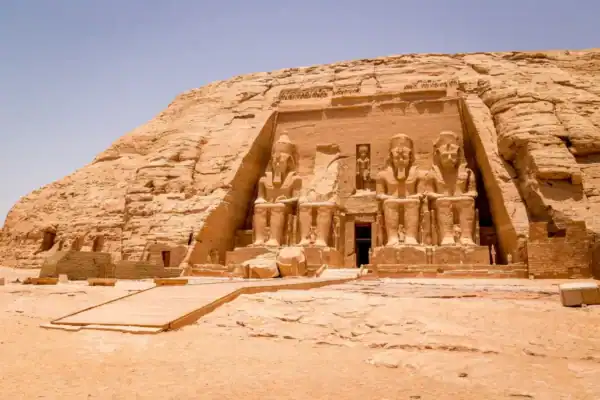
Luxor can be combined with Cairo or a Nile cruise, but do not count transport as a full temple day. Our Cairo–Luxor transport guide helps compare the options. Abu Simbel is outside Luxor: plan it with an Aswan stay or a specifically confirmed extension, rather than treating it as a short Luxor outing. It is optional and costs extra in the five-day cruise, while the eight-day package lists an included group excursion. The selected product and written quote control what you receive.
Summer travel and the August 2, 2027 eclipse
Luxor is in the path of the total solar eclipse on August 2, 2027. That is a reason for a specially planned summer visit, not a change to our general preference for cooler sightseeing months. Confirm accommodation, transport, viewing location and any permissions for your exact date; ordinary tour listings do not establish eclipse access or an eclipse package. Follow NASA’s eclipse eye-safety guidance, including proper solar viewers during the partial phases. Ordinary sunglasses are unsuitable. Keep heat and cooling arrangements central to the plan.
Pack for the daily temperature change and check dated prices
Bring breathable clothing, comfortable walking shoes, sun protection and a warmer layer for winter evenings or early pickups. Keep access to drinking water and plan indoor or cooled breaks during hot weather. Use the forecast for your dates rather than a monthly average. Christmas, New Year, festival dates and a special event such as the 2027 eclipse can change availability; compare the complete written price, cabin or hotel category, domestic flights, transfers and separately charged extras.
🎆 Events & Festivals in Luxor
Luxor African Film Festival
The organizer has announced these dates for its 16th edition. Check the final programme, screening venues and admission arrangements before booking around the festival.
Check the official festival announcement →Total solar eclipse
Luxor lies in the path of totality. Confirm your viewing location and access separately; summer heat, transport and proper eclipse eye protection require advance planning.
Check Luxor eclipse circumstances →🎫 Egypt Tours That Visit Luxor
These three published routes visit Luxor. Compare cruise direction, nights and Cairo time; balloon flights and eclipse viewing are not listed inclusions.

5-Day Nile Cruise from Cairo by Flight: Luxor to Aswan
4 cruise nights, Luxor → Aswan, with Cairo–Luxor and Aswan–Cairo flights. East and West Bank visits are listed. Abu Simbel is optional at extra cost; Cairo sightseeing and hotel nights are not included.

7-Day Egypt Tour: Explore Pyramids & Nile Cruise
3 Cairo hotel nights plus 3 cruise nights, Aswan → Luxor. The itinerary lists East and West Bank visits in Luxor. Compare the daily programme and written inclusions before booking.
8-Day Egypt Tour with Nile Cruise, Cairo & Flights
3 Cairo hotel nights plus 4 cruise nights, Luxor → Aswan. The itinerary lists East and West Bank visits and an included group Abu Simbel excursion.
💡 Travel Tips for Luxor
Historical monthly averages help compare seasons. Check current heat, wind and visibility before outdoor visits or a balloon flight.
Separate arrival, departure and cruise check-in from full city days. Confirm transfers to the exact hotel or boat dock.
Wear comfortable shoes and sun protection. Check access and extra-ticket requirements for the tombs you particularly want to see.
December–February afternoons are mild by Luxor standards, but early mornings and evenings can feel cool.
Hot, dusty khamsin conditions can affect spring plans. Check local forecasts and keep weather-sensitive activities flexible.
A balloon flight, special tomb ticket, Abu Simbel excursion or eclipse viewing arrangement is included only when the selected itinerary and quote say so.
❓ Frequently Asked Questions
December–February is our first choice for the coolest average afternoons; January has the lowest average high in this record. November and March also suit general sightseeing but are warmer. The broader recommended window is November–March, with current forecasts and your heat tolerance guiding the final choice.
October can work with early temple visits and cooling breaks, but it is still hot: the airport’s historical average high is about 36°C. November, at around 29°C, is our stronger choice for longer outdoor sightseeing. No monthly average predicts your travel week.
April’s historical average high is around 35°C. That calls for early starts, shorter exposed walks and time in shade or air conditioning. Choose December–February if cooler afternoons are a priority. April does not automatically mean fewer crowds or a cheaper trip.
Yes, but historical average highs are around 41°C, and individual days can be hotter. Keep outdoor visits short, use confirmed early opening times and plan cooling breaks. For ordinary temple sightseeing, we prefer November–March. An eclipse trip on August 2, 2027 needs its own arrangements and heat plan.
November–March is our preferred window for cooler outdoor excursions. October and April can also work with more heat planning. Choose by the entire route, sailing date, embarkation point and excursion schedule; the season does not confirm a particular boat or departure.
Either direction can fit an Egypt itinerary. The linked five- and eight-day packages have four cruise nights from Luxor to Aswan; the seven-day package has three cruise nights from Aswan to Luxor. Compare flights, hotel nights, embarkation dates and listed visits rather than assuming the packages are interchangeable.
Two full days is a useful starting point for selected East Bank and West Bank highlights. Three days allows a more relaxed pace, museums, additional tombs or a separately booked balloon flight. Arrival and departure days may not provide a full day of sightseeing.
The cooler months can be more comfortable for early-morning pickups, but flight suitability depends on the day’s wind, visibility and operating clearance. A winter booking does not guarantee a launch or a clear view. Confirm timing and cancellation terms with the provider; the recommended packages do not list ballooning as included.
Rainfall is very limited, but it is not impossible. The airport climate record reports small amounts in several months. Check the forecast before travel rather than treating a desert climate as a guarantee of no rain.
Yes, through a specifically planned Aswan or Abu Simbel extension. Abu Simbel is outside Luxor and should not be treated as a short local outing. In the linked five-day cruise it is optional at extra cost; the eight-day package lists an included group excursion. Confirm your chosen itinerary and transfers in writing.
The organizer has announced March 28–April 3, 2027 for its 16th edition. Check the official programme for current venues, screening times and admission arrangements. Festival tickets are not automatically included in an ordinary Luxor tour.
The total solar eclipse is on August 2, 2027, with Luxor in the path of totality. Exact circumstances depend on the viewing location. Confirm access, transport and summer cooling arrangements, and follow NASA’s solar-viewing guidance. The ordinary packages linked here do not establish an included eclipse experience.
One Nation Travel
Reviewed for seasonal consistency, practical travel planning and the written scope of the linked Luxor itineraries.
How we researched this guide
The monthly temperature series uses one consistent reference: Timeanddate/CustomWeather’s Luxor Airport reports for 1992–2021. Seasonal-fit scores and suggested days are our editorial planning judgments. We checked the linked tour itineraries, official festival announcement and eclipse information on October 10, 2026. Climate averages do not guarantee weather, clear views, prices or operations; event access and services require a dated confirmation.
- Timeanddate / CustomWeather: Luxor Airport climate averages, 1992–2021 ↗
- EGYPTAIR: Egypt’s seasons and cool winter nights ↗
- Luxor African Film Festival: official 2027 announcement ↗
- NRIAG: Luxor total solar eclipse, August 2, 2027 ↗
- Timeanddate: August 2, 2027 eclipse in Luxor ↗
- NASA: eclipse viewing safety ↗
- Hod-Hod Soliman: balloon operations and weather considerations ↗
- Official Valley of Kings ticket page: current visit hours ↗
- NASA Earth Observatory: spring dust and khamsin conditions ↗
Ready to Plan Your Luxor Trip?
Ask One Nation Travel to plan, book and coordinate a Luxor itinerary. The selected tour page and written quote state every included transfer, hotel and guided service.