

Best Time to Visit Pamukkale
Your complete 2026 month-by-month weather and travel guide.
The best time to visit Pamukkale is April to June and September to October for a combination of travertine terraces and Hierapolis. May and October often offer a useful balance for walking, while June and September can still be hot. Check the official gate schedule before planning an early or late visit, and confirm Cleopatra Pool access separately; a sunrise arrival or site ticket does not automatically include pool admission.
🧭 Best Time to Visit Pamukkale by Travel Style
Start with what you want to do, then choose the month. Regional weather and operating seasons can vary significantly.
| Travel style | Best time | Why it works |
|---|---|---|
| Terraces and a full Hierapolis walk | April–May or October | Milder conditions usually make the exposed site easier to explore. |
| Pamukkale within a summer itinerary | June–September with heat-aware timing | Use cooler permitted visiting hours and build in shade and rest breaks. |
| Photography | Spring or autumn, with flexible light and weather | Check which gates and areas are open at your preferred time; sunrise access is not automatic. |
| A thermal-focused stay | Cooler months, with facilities confirmed | Verify pool operation, separate admission and the facilities offered by your chosen hotel. |
📅 Month-by-Month Guide to Pamukkale
January
February
March
April
May
June
July
August
September
October
November
December
Temperatures are historical average daily highs and lows, rounded to the nearest °C; precipitation-day averages are rounded to one decimal. These are not forecasts or extreme temperatures. Denizli is a regional benchmark for Pamukkale, not a measurement of terrace or pool water. A displayed 0 does not rule out rain. Crowds, price bands and ratings are editorial planning estimates, not live availability or guaranteed savings.
☀ Seasons in Pamukkale
Spring
- Milder periods for walking Hierapolis
- Longer daylight for a varied visit
- Rain remains possible
- Visitor numbers depend on travel dates
Summer
- Fits a wider summer Turkey itinerary
- Long daylight for planning within visitor hours
- Strong heat at exposed areas
- Busy periods and limited shade on parts of the route
Autumn
- Cooler walking conditions as autumn develops
- Useful season for combining regional sites
- September can remain hot
- Rain increases later in the season
Winter
- A thermal stay can complement cultural visits
- Outdoor walks can fit suitable weather windows
- Cold evenings and wet surfaces
- Site and pool schedules need separate checks
🎫 Recommended Pamukkale Tours
Explore current Pamukkale tours and check each itinerary's written inclusions, exclusions and available dates.
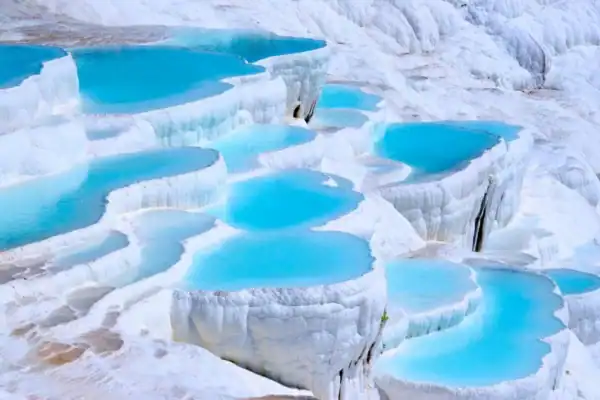
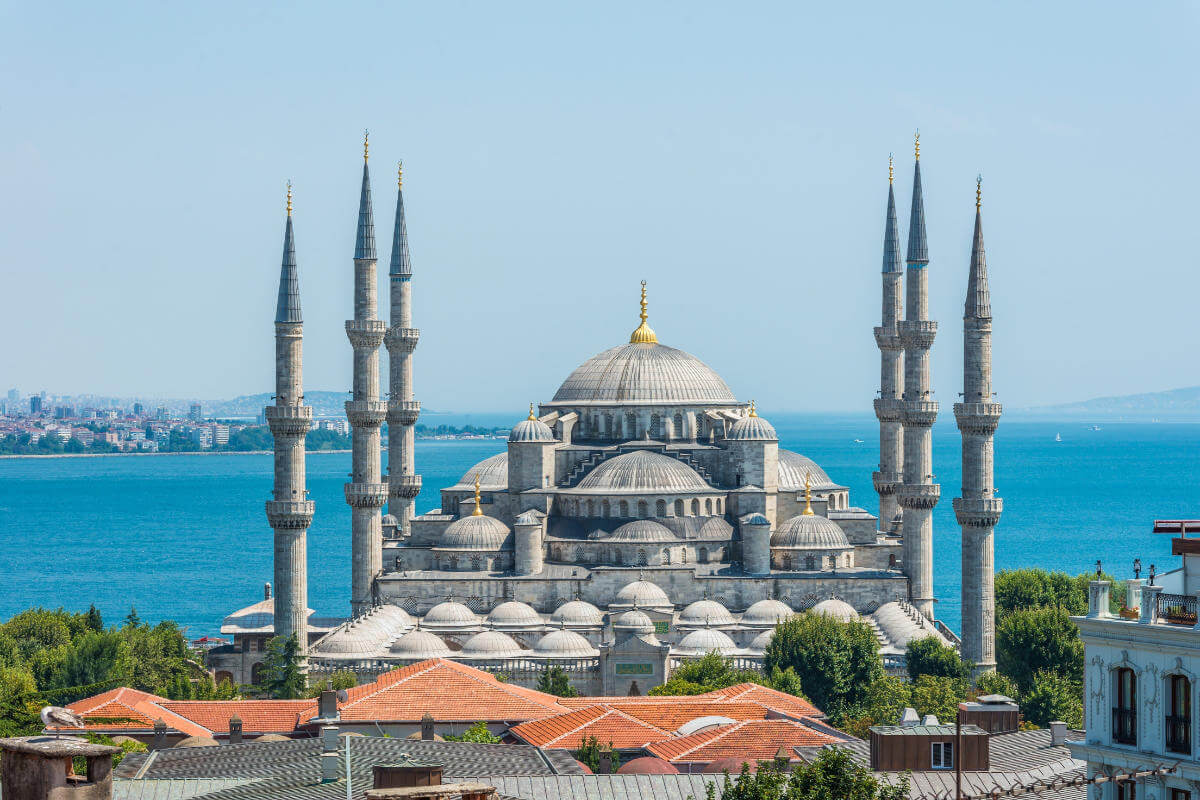
5-Day Istanbul, Pamukkale, Ephesus & Cappadocia Tour
9-Day Turkey Group Tour: Istanbul, Cappadocia, Pamukkale, Ephesus, Pergamon, Troy & Gallipoli
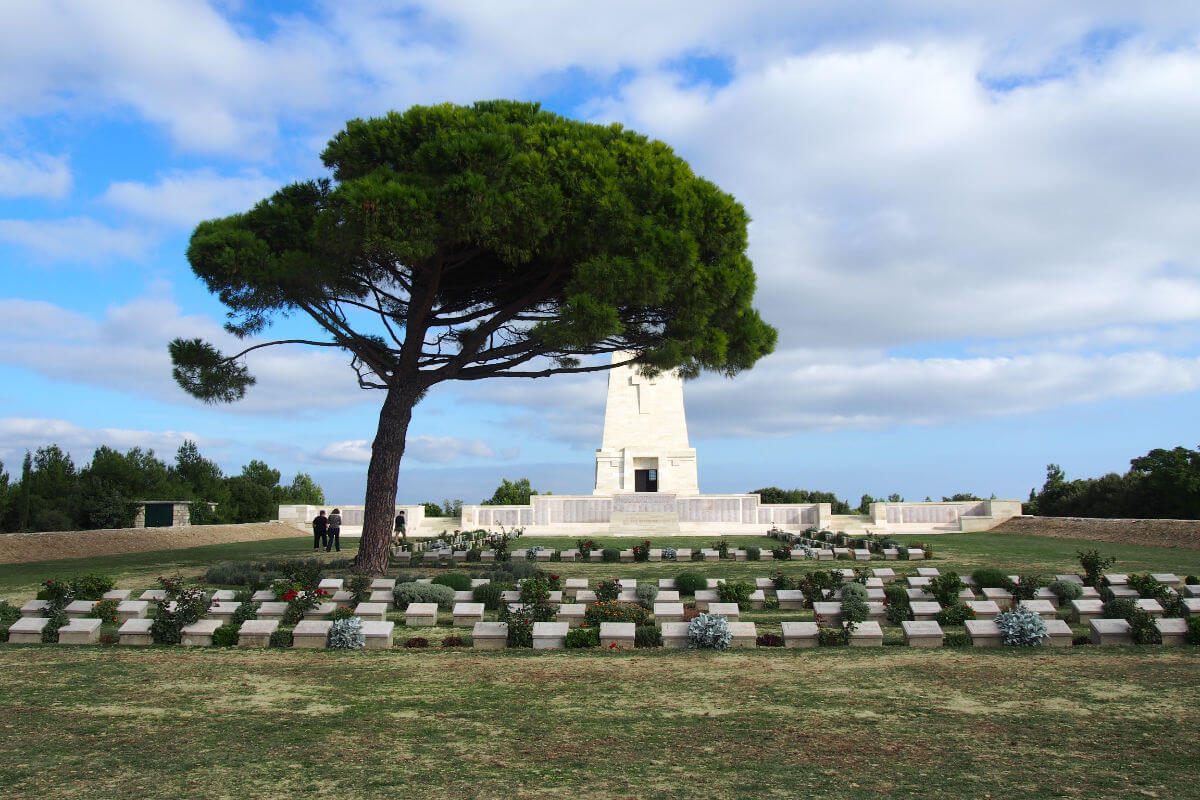
6-Day Turkey Tour from Istanbul: Gallipoli, Troy, Pergamon, Ephesus, Pamukkale & Cappadocia
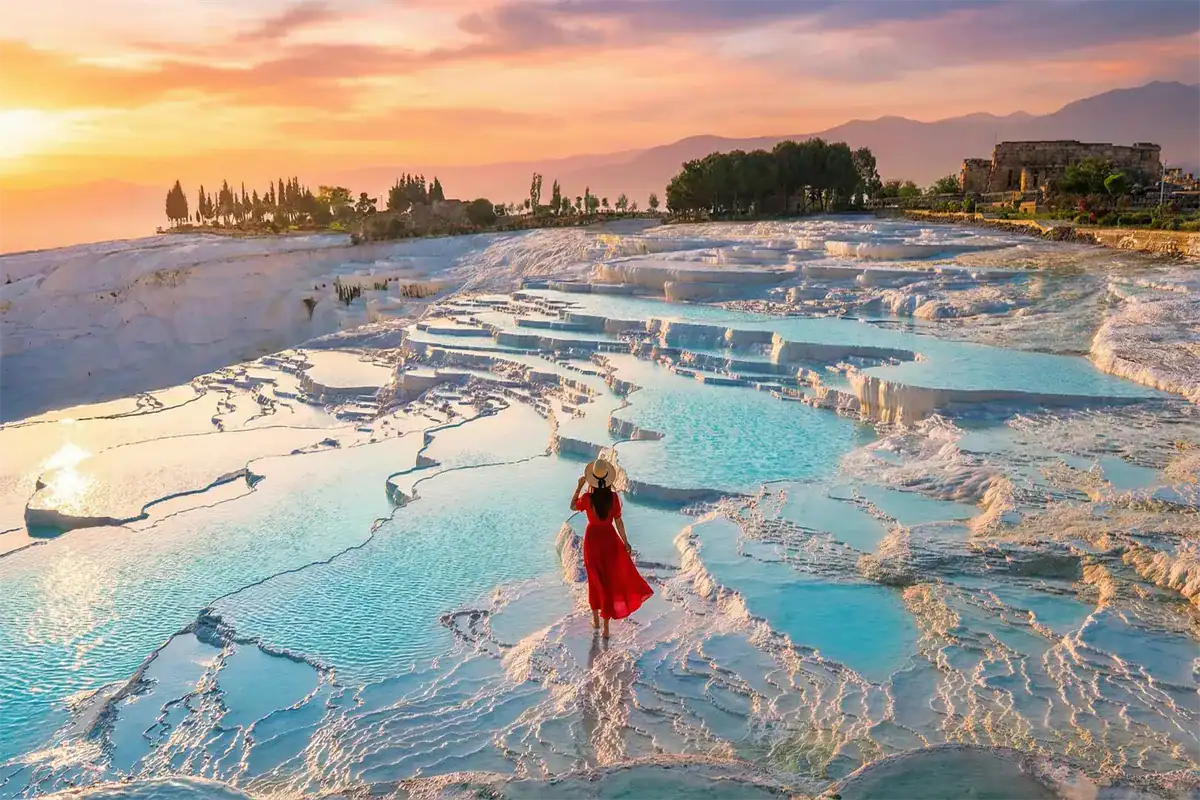
2-Day Private Ephesus & Pamukkale Tour from Istanbul by Flight
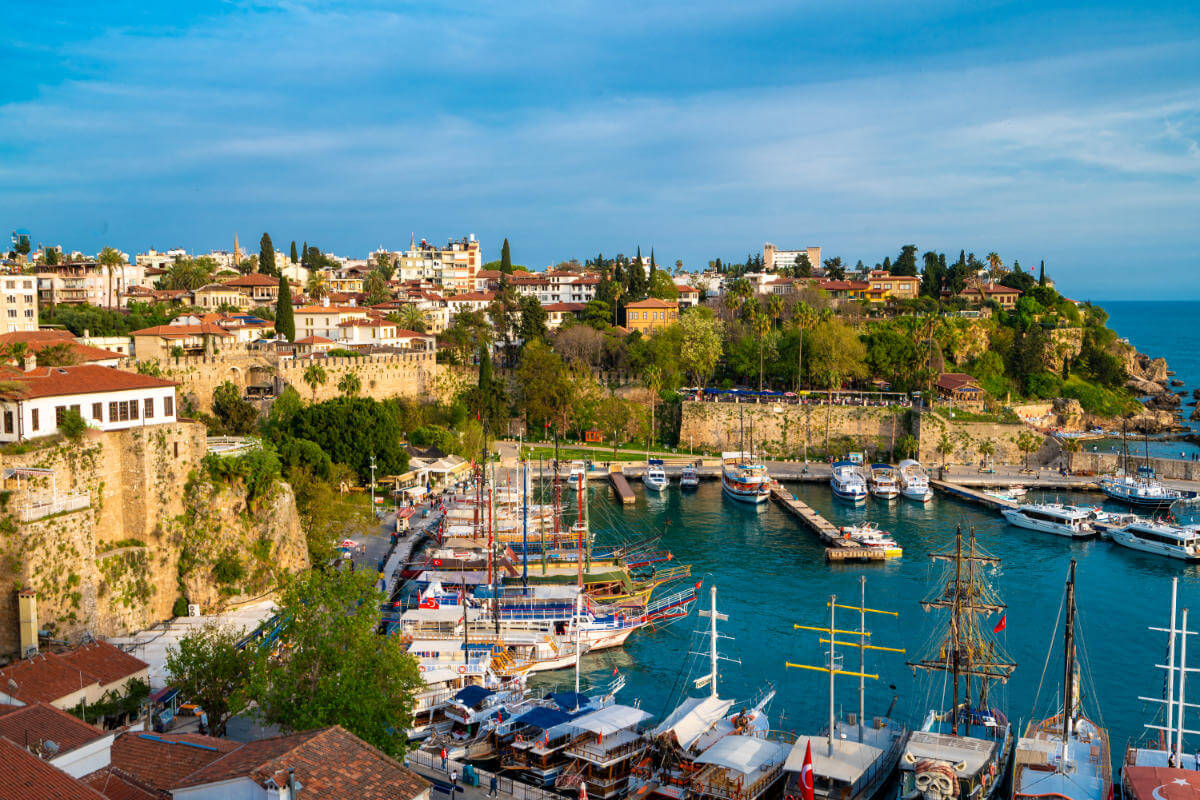
7-Day Antalya, Pamukkale, Ephesus & Cappadocia Tour with Flights
💡 Travel Tips for Pamukkale
Use the current official visitor listing for your planned entrance and date. Sunrise, night programs and pool hours are separate access questions.
Remove shoes where required and follow staff directions. Wet surfaces can be slippery, and not every terrace or pool is open for walking.
Check current operating status, admission and swimming arrangements. Site access or an evening program does not automatically include the pool.
Leave time for the archaeological site as well as terrace photographs. Distances, heat and your walking pace determine what fits comfortably.
Ask which pools and facilities are operating and included in your booking. Do not assume every room or hotel has the same thermal-water provision.
An overnight stay can reduce pressure on a long transfer day. Confirm usable visiting time before combining Pamukkale with another distant attraction.
❓ Frequently Asked Questions
Yes, a winter visit can work with warm layers and flexible plans. Rain and slippery surfaces are possible. Check the official access schedule for your date and follow the marked walking route.
The ancient pool is a thermal-water attraction, but outdoor comfort and operating arrangements need checking for your date. Confirm current opening status, swimming admission and facilities rather than assuming year-round access or a fixed experience.
Pamukkale can feel very hot in direct sun, and nearby Denizli has historical average highs around 35°C in July and August. Those are air-temperature averages, not terrace-surface measurements. Choose cooler permitted visiting hours and allow shade and rest breaks.
One well-paced day can cover the terraces and selected parts of Hierapolis, with extra time if the pool is part of your plan. Gate hours, heat, walking pace and transfers affect what fits. Staying overnight can make the visit less compressed.
Visitor numbers vary by day and group arrivals. Early or later permitted visiting periods may help, but no weekday or time guarantees quiet terraces. Check official hours before arranging an early transfer.
Thermal water feeds the travertines, but flow, depth, temperature and accessible areas vary. Do not expect every terrace to be filled or suitable for bathing; follow the designated visitor route and staff instructions.
One Nation Travel
This guide separates historical climate observations from our travel-planning recommendations. Weather, prices and operating schedules can change.
How we researched this guide
Monthly climate figures use the official historical dataset linked below (1957–2025). Suggested travel windows weigh outdoor comfort, the type of trip and seasonal access. Event dates and operating information were checked on September 17, 2026; reconfirm the current schedule before booking.
Ready to Plan Your Pamukkale Trip?
Ask One Nation Travel to plan, book and coordinate a Pamukkale itinerary. The selected tour page and written quote state every included transfer, hotel and guided service.