
The quick answer: Turkey’s top attractions combine Istanbul’s imperial landmarks, Cappadocia’s volcanic valleys, Ephesus’s Roman streets, and Pamukkale’s white thermal terraces. For most first-time visitors, these four places make the best 7–10-day route. Add Antalya for the Mediterranean coast, or Troy, Mount Nemrut, and Sumela Monastery when you have more time and a specific historical interest.
Turkey is large enough that a list of famous sights can quickly become an exhausting itinerary. The important choice is not simply what to see, but which regions fit your available days without turning every other day into an airport run, a long road transfer, or a rushed hotel change.
What Matters Most When Planning
- Istanbul, Cappadocia, Ephesus, and Pamukkale are the strongest core route for a first visit.
- Allow two nights in Cappadocia if a sunrise balloon flight matters; weather-related cancellations can happen.
- Visit open-air sites such as Ephesus and Pamukkale early, especially from June through August.
- Antalya suits travelers who want coast and downtime; Troy and Gallipoli are better for history-focused routes.
- Domestic flights can save meaningful time between Istanbul, Cappadocia, and western Turkey, but airport transfers and check-in time still take up much of a day.
What Are the Top 10 Tourist Attractions in Turkey?

1. Hagia Sophia, Istanbul
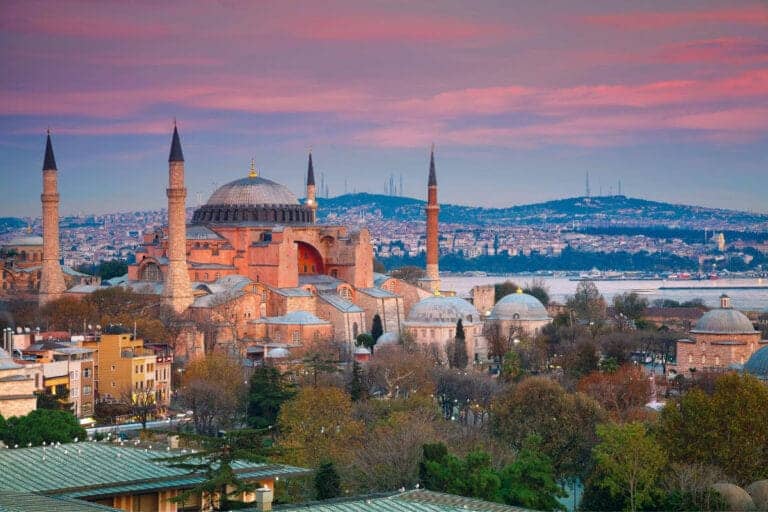
For most visitors, Hagia Sophia is Turkey’s essential landmark. Its enormous dome and layered history reflect more than 1,400 years of Byzantine and Ottoman life. It is now an active mosque, so dress respectfully and expect access arrangements to change around prayer times. Plan at least 60–90 minutes, then continue on foot through Sultanahmet Square to the nearby Blue Mosque and Hippodrome area.
2. Cappadocia, Central Anatolia
Cappadocia earns its place through the combination of fairy chimneys, valleys, cave churches, underground cities, and balloon-filled dawn skies. The region is not just one viewpoint: travelers commonly base themselves around Göreme, Uçhisar, Ürgüp, or Avanos, then explore places such as Göreme National Park, Pasabag Monks Valley, and a Cappadocia underground city.
Book two nights rather than one if you hope to fly. Balloon operations depend on weather and civil aviation approval, so a second morning gives you a more realistic backup plan.
3. Ephesus, near Selçuk
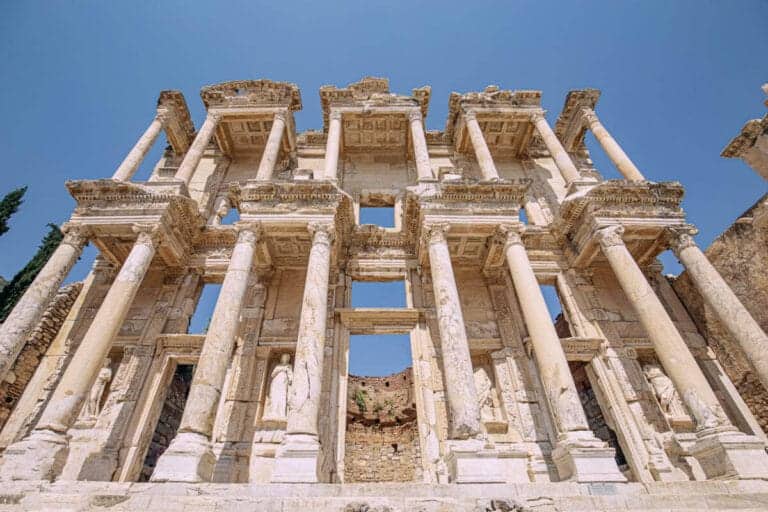
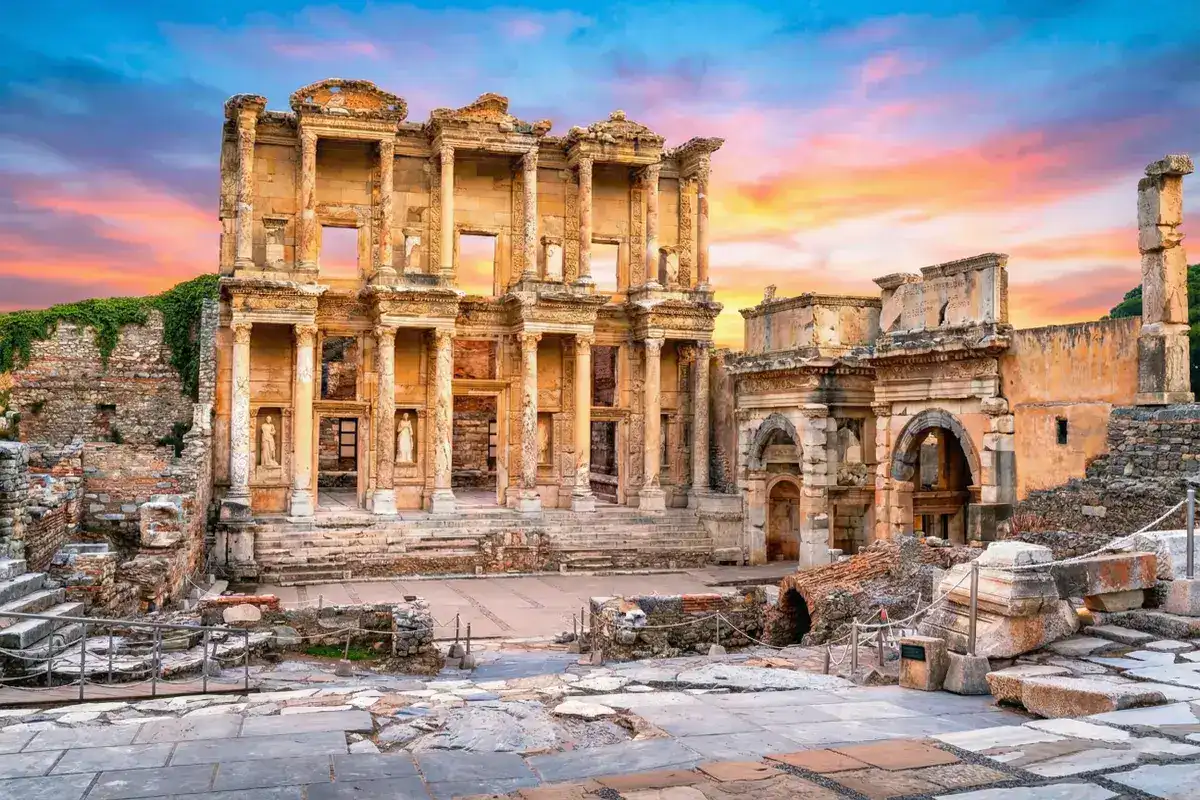
Ephesus is Turkey’s most accessible large-scale Roman city for many first-time visitors. Marble streets, the Library of Celsus, public fountains, temples, and the Great Theatre of Ephesus make the ancient city easier to appreciate than a site made up mainly of foundations.
Give it at least two hours. In summer, arrive early, wear sturdy shoes, and carry water: there is limited shade and bright marble reflects heat. Travelers with a strong interest in Roman daily life should consider the separate Terrace Houses section if it is open during their visit.
4. Pamukkale and Hierapolis
Pamukkale’s white travertine terraces are one of the country’s most recognizable landscapes. Visitors walk barefoot in designated areas to help protect the formations, and the amount of flowing water can vary with conservation management and seasonal conditions. Treat it as more than a photo stop by allowing time for Hierapolis-Pamukkale, including its theater, necropolis, and ancient baths.
5. Topkapi Palace, Istanbul
Topkapi Palace gives context to Ottoman court life in a way no single Istanbul monument can. Its courtyards, tiled rooms, treasury displays, kitchens, and Bosphorus-facing terraces require time and energy. Plan two to three hours if you want to see it properly, and check opening arrangements before setting your sightseeing order. The Harem is often treated as a separate visit and may require additional admission.
6. The Blue Mosque, Istanbul
Across Sultanahmet Square from Hagia Sophia, the Blue Mosque remains an active place of worship as well as a major landmark. Its six minarets and interior tilework make it worth seeing, but visitors should plan around prayer periods, cover shoulders and knees, and remove shoes before entering. Carrying a light scarf is practical for mosque visits throughout Istanbul.
7. Antalya and the Mediterranean Coast
Antalya is the right addition for travelers who want a break from museums and long archaeological days. Explore Kaleiçi, the old town and harbor area, then look beyond the city to sites such as Perge Ancient City and Aspendos Theater. Two nights is a sensible minimum for sightseeing; add another if beach time matters.
8. Troy, Northwest Turkey
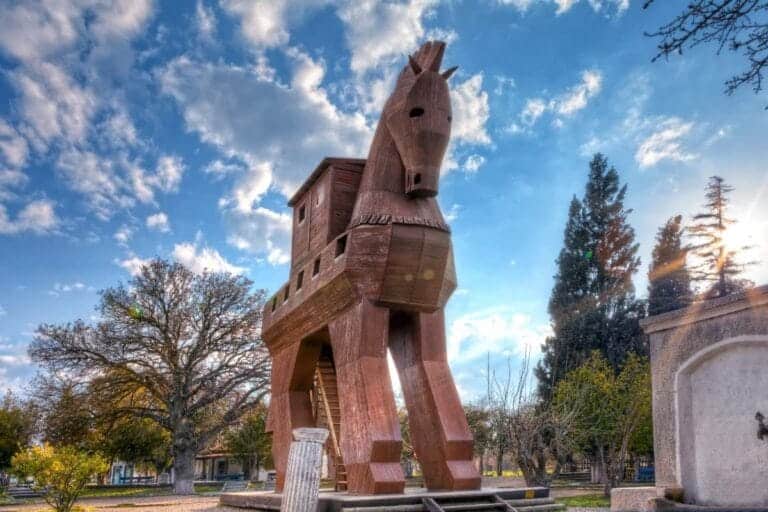
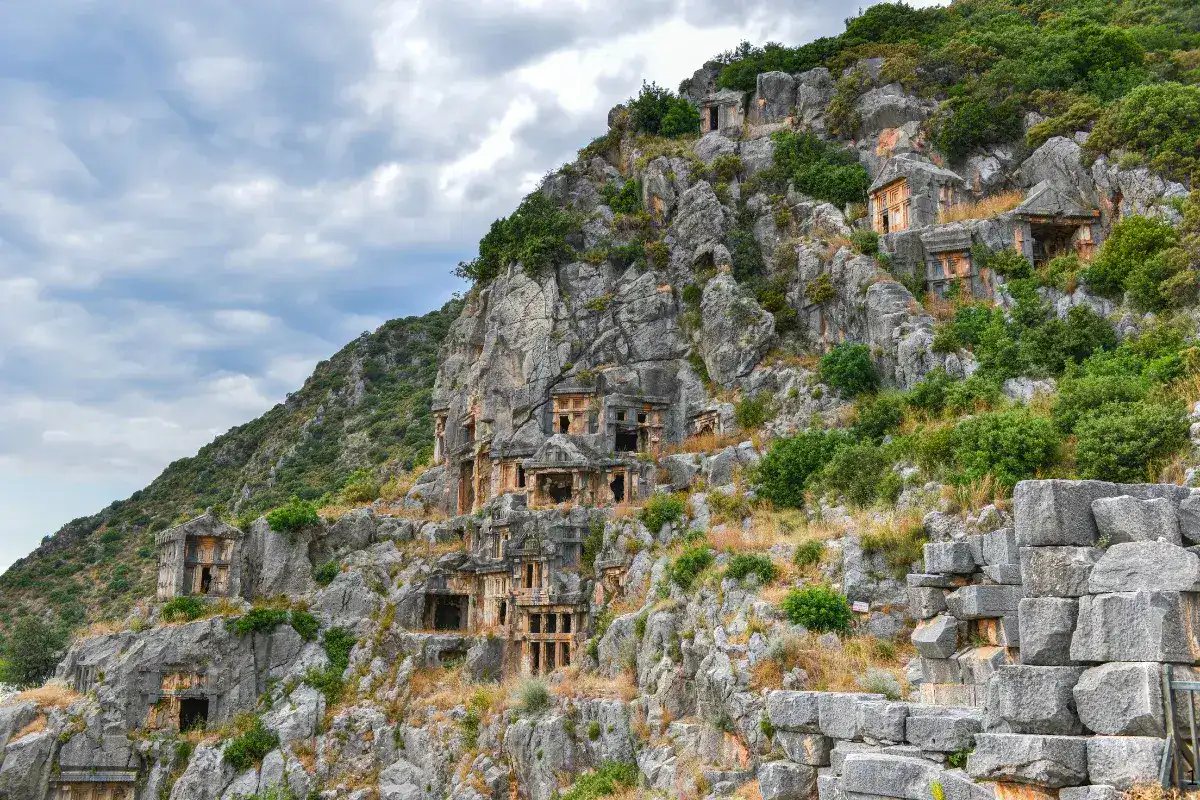
Troy is best for travelers interested in Homer, archaeology, and the relationship between myth and excavation. It is not a fully reconstructed ancient city, so expectations matter. The reward comes from understanding its many settlement layers and defensive systems, usually with a knowledgeable guide. Pair it with Gallipoli or Çanakkale rather than forcing it into a rushed day trip from Istanbul.
9. Mount Nemrut, Southeastern Turkey
Mount Nemrut’s monumental stone heads and funerary sanctuary are among Turkey’s most dramatic archaeological experiences. Sunrise and sunset are the classic visiting times, but this is a remote addition, not a quick extension of the Istanbul–Cappadocia route. Mountain weather, road conditions, and very early departures should all be considered. It makes most sense for travelers with extra days and a specific interest in ancient Commagene history.
10. Sumela Monastery, Black Sea Region
Sumela Monastery near Trabzon is striking because of its cliffside setting in the Pontic Mountains. The journey is part of the appeal: forested valleys, shifting weather, and a very different atmosphere from the Aegean and Mediterranean regions. Add it to a longer Black Sea route rather than a first 7-day Turkey itinerary, and confirm current visitor access before traveling because restoration work or weather can affect arrangements.
How Many Days Do You Need for Turkey’s Main Attractions?
Turkey’s headline attractions are spread across several regions. A route that looks straightforward on a map can become tiring once domestic flights, road transfers, hotel check-ins, and site visits are included. These timeframes are a useful reality check:
- 5–6 days: Focus on Istanbul and Cappadocia, or choose one western Turkey extension rather than trying to see everything.
- 7 days: You can cover Istanbul, Cappadocia, Ephesus, and Pamukkale with efficient connections, but the pace is active.
- 9–10 days: The most comfortable range for the classic first-time route, with room for fuller sightseeing and fewer one-night stays.
- 12–15 days: Add Antalya, Troy, Gallipoli, Pergamon, Konya, or Ankara without making every day a transfer day.
- More than 15 days: Consider Mount Nemrut, the Black Sea region, or a deeper southeastern Turkey itinerary.
For route ideas at a shorter pace, see our 7-day Turkey itinerary. Travelers deciding whether a longer trip is worthwhile may also find the practical comparison in How Many Days Do You Need in Turkey? helpful.
When Should You Visit Turkey’s Major Attractions?
April, May, September, and October are generally the most comfortable months for a multi-stop sightseeing trip. Temperatures are usually easier for walking in Istanbul, exploring Ephesus, and visiting Pamukkale, while Cappadocia mornings can still be cool enough for layers.
Summer is popular for Antalya and family travel, but open-air archaeological sites can be intensely hot by midday. Start Ephesus, Troy, Pergamon, and Pamukkale early, protect yourself from the sun, and avoid scheduling several exposed sites back-to-back. Winter can offer quieter cities and attractive hotel value, but Cappadocia balloon flights may face more weather disruption and mountain destinations can be harder to reach.
For a closer look at seasonal trade-offs, read When Is the Best Month for Your First Turkey Trip? and the guide to Turkey weather in October.
Planning tip: Don’t schedule a Cappadocia balloon ride on the only morning of your stay. A weather cancellation is a normal operational possibility, so two mornings provide much better odds than one.
Which Turkey Route Fits Your Travel Style?

| Best fit | Recommended focus | What to consider |
|---|---|---|
| First-time visitors | Istanbul, Cappadocia, Ephesus, Pamukkale | Best overall mix of city landmarks, landscapes, and ancient history; allow 7–10 days. |
| Coast and relaxed pacing | Istanbul, Cappadocia, Antalya | Skip or shorten western ruins if beach time and Mediterranean scenery matter more. |
| Ancient history enthusiasts | Istanbul, Ephesus, Pamukkale, Pergamon, Troy, Gallipoli | More road-based travel; a guide adds useful context at layered archaeological sites. |
| Landscape and photography travelers | Cappadocia, Pamukkale, Antalya, Istanbul | Build flexibility around Cappadocia balloon weather and avoid peak midday at exposed sites. |
| Travelers with 12+ days | Classic route plus Antalya, Troy, Mount Nemrut, or the Black Sea | Choose one longer extension rather than attempting every region in one trip. |
Before booking, verify the actual hotel locations, included airport transfers, domestic-flight allowance if flights are part of the trip, entrance-fee coverage, guide language, and whether optional experiences are included or paid separately. A low headline price can mean a more limited itinerary, a less convenient hotel location, or more local costs.
For travelers who want a longer route with less pressure to cut regional highlights, the 15-Day Grand Turkey Tour is worth comparing with shorter itineraries. If you are choosing between organized and independent travel, our group tour versus private tour comparison explains the practical differences.
Choose your next step
Recommended Turkey tours
These verified options are the closest available matches for this article’s destination, route intent, and trip length.
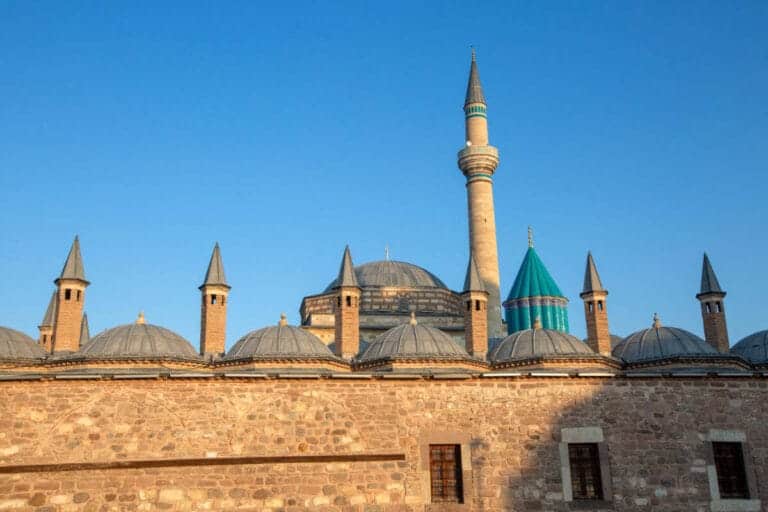
3-Day Cappadocia & Konya Tour from Istanbul
A 3 days Historical & Cultural Tour route covering Cappadocia, Konya and 1 more destination.
View tour details →
2-Day Cappadocia Adventure with Sunrise Hot Air Balloon Ride
A 2 days Historical & Cultural Tour route covering Cappadocia.
View tour details →
Small Group 4 Day Cappadocia & Ephesus Tour with Flights
A 4 days Historical & Cultural Tour route covering Cappadocia, Ephesus.
View tour details →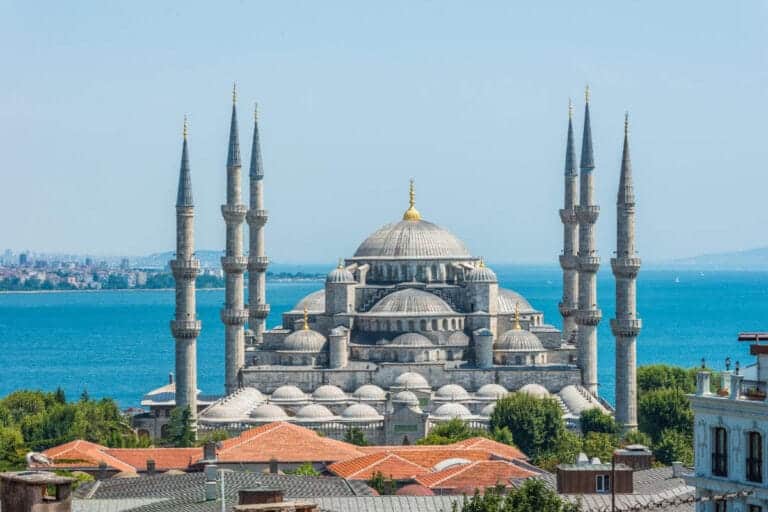
9-Day Turkey Group Tour: Istanbul, Cappadocia, Pamukkale, Ephesus, Pergamon, Troy & Gallipoli
A 9 days Cultural & Heritage Tour route covering Turkey, Istanbul and 5 more destinations.
View tour details →Common Questions About Turkey’s Top Attractions
What is the number one tourist attraction in Turkey?
For many first-time visitors, Hagia Sophia is the top single attraction because of its architecture, history, and location beside other major Istanbul landmarks. For a complete Turkey experience, though, Cappadocia is equally important.
Can you visit Ephesus and Pamukkale in one day?
It is possible, but it is a long and rushed day. Most travelers enjoy both places more when they allow an overnight stop or build them into a route with realistic transfer time.
Is Cappadocia worth visiting without a balloon ride?
Yes. Ballooning is memorable, but Cappadocia is still worthwhile for its valleys, cave churches, underground cities, viewpoints, pottery traditions, and distinctive landscapes.
Should I choose Antalya or Troy on my first Turkey trip?
Choose Antalya for coast, old-town atmosphere, beaches, and nearby Roman sites. Choose Troy if mythology, Gallipoli, and archaeological interpretation are bigger priorities. With one week, many travelers should save both for a return visit.
Final Recommendation
For a first trip, prioritize Istanbul, Cappadocia, Ephesus, and Pamukkale. These four stops show the range that makes Turkey special without requiring an overly complicated route. Add Antalya for Mediterranean time, or choose Troy and Gallipoli when history is your main reason for traveling.
If you would like help matching your dates, budget, preferred pace, hotel style, and sightseeing priorities, submit your plans through the One Nation Travel Plan My Trip form. Our team can help coordinate a route that works realistically on the ground.