
Short answer: Süleymaniye Mosque is one of Istanbul’s most rewarding historic sites: free to enter, usually less crowded than Sultanahmet’s headline monuments, and best visited in the morning or late afternoon outside prayer times. Plan 45–75 minutes for the mosque, tombs, courtyard, and terrace views over the Golden Horn.
For many first-time visitors, Istanbul starts with Hagia Sophia, the Blue Mosque, and Topkapi Palace. That’s understandable. But travelers who make the uphill walk to Süleymaniye often come away saying it felt calmer, grander, and easier to appreciate. The mosque sits high above the old city, with wide courtyards, a clean Ottoman silhouette, and one of the best natural viewpoints in historic Istanbul.
Built for Sultan Suleiman the Magnificent and designed by Mimar Sinan, the greatest architect of the Ottoman age, Süleymaniye is more than a beautiful mosque. It was planned as a full civic complex, with schools, a hospital, a library, a soup kitchen, baths, and royal tombs. If you’re trying to understand Ottoman Istanbul in one place, this is where the story becomes clear.
Why Is Süleymaniye Mosque Worth Visiting?

Süleymaniye Mosque is worth visiting because it combines three things travelers rarely get in one stop: monumental architecture, meaningful Ottoman history, and a peaceful setting that still feels connected to daily religious life. It’s also practical. Entry is free, photography is allowed with respect, and the mosque is within walking distance of the Grand Bazaar, Spice Bazaar, and Eminönü.
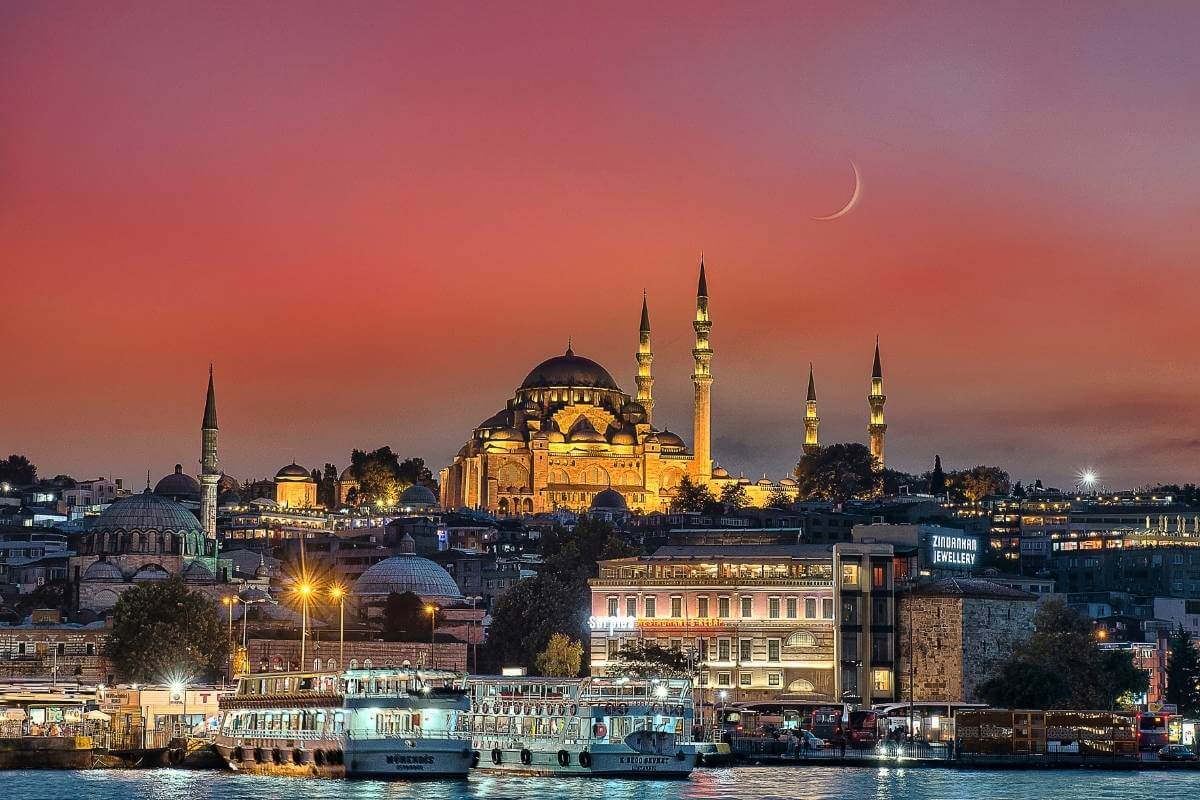
The building doesn’t try to impress with excess decoration. Its power comes from proportion. The dome, semi-domes, minarets, courtyard, and interior all feel balanced. That was Mimar Sinan’s genius: creating a space that looks massive from outside but calm once you step in. Compared with busier sites such as Hagia Sophia Grand Mosque and the Blue Mosque, Süleymaniye often gives visitors more room to slow down.
Advisor tip: If your Istanbul schedule is tight, place Süleymaniye between the Spice Bazaar and Grand Bazaar. It creates a logical walking route and avoids wasting time crossing the old city twice.
What Is the History of Süleymaniye Mosque?
Süleymaniye Mosque was commissioned by Sultan Suleiman the Magnificent in 1550 and completed in 1557. Suleiman ruled during the Ottoman Empire’s high point, and the mosque was intended to reflect both imperial power and religious devotion. The architect, Mimar Sinan, was already famous by then, but Süleymaniye became one of his defining works.
The mosque was built as the centerpiece of a külliye, or Ottoman social complex. This is important because Ottoman mosques were not only places of prayer. They were part of the city’s welfare system. Around Süleymaniye were madrasas, a hospital, a medical school, a library, a public kitchen, a caravanserai, shops, and a bathhouse. Revenue from nearby commercial buildings helped support the complex’s charitable work.
The site also has symbolic weight. It stands on one of Istanbul’s seven hills, facing the Golden Horn and the Bosphorus beyond. From a distance, its dome and four minarets shape the skyline in the same way that Suleiman shaped the empire’s political and cultural identity.
Who Was Sultan Suleiman the Magnificent?
Suleiman ruled from 1520 to 1566 and is remembered as one of the most powerful Ottoman sultans. In the West, he’s often called “the Magnificent”; in Turkish history, he’s also known as “Kanuni,” the Lawgiver. His reign brought military expansion, legal reform, artistic patronage, and major architectural projects across the empire.
His tomb is located within the Süleymaniye complex, alongside the tomb of his wife, Hurrem Sultan, also known as Roxelana. These mausoleums are among the most significant Ottoman royal burial sites in Istanbul and are usually open to visitors during daytime hours, though access can vary around prayer times, restoration work, or special religious days.
What Should You Look For Inside the Mosque?
The interior of Süleymaniye Mosque is large but not overwhelming. The central dome rises about 174 feet, with a diameter of roughly 87 feet. Instead of heavy visual clutter, the prayer hall uses light, calligraphy, stone, and proportion to create a sense of calm. That restraint is part of what makes it so memorable.
The Dome and Acoustic Design
Mimar Sinan was both an architect and an engineer. The dome appears almost weightless because of the way the structure distributes pressure through arches, semi-domes, and supporting walls. Sinan also paid attention to acoustics. Before microphones existed, the imam’s voice needed to carry naturally across a large prayer space. Travelers often notice that even quiet sounds seem to move clearly through the hall.
Calligraphy, Tiles, and Natural Light
The decoration is elegant rather than crowded. Look for Arabic calligraphy, stained-glass windows, Iznik tilework, the marble mihrab indicating the direction of Mecca, and the minbar used for sermons. The windows allow natural light to soften the interior throughout the day. Morning light is especially good for photography, while late afternoon gives the mosque a warmer tone.
The Courtyard and Minarets
The courtyard is one of the best places to understand the mosque’s symmetry. The four minarets represent Suleiman as the fourth Ottoman sultan to rule after the conquest of Constantinople. The ten balconies are often interpreted as a reference to him being the tenth Ottoman sultan overall. Even if you don’t usually study architectural symbolism, these details help explain why the mosque was designed as an imperial statement.
How Do You Get to Süleymaniye Mosque?
Süleymaniye Mosque is in the Fatih district, close to Istanbul University, Beyazıt, Vefa, Eminönü, and the bazaar area. It’s not directly beside a tram stop, so most routes involve a short uphill walk. That climb is part of the experience, but it’s worth planning for if you’re traveling with small children, older guests, or anyone with limited mobility.
Best Public Transportation Route
The most common route is the T1 tram to Beyazıt-Kapalıçarşı or Laleli-Üniversite, followed by a 10–15 minute walk. From Beyazıt, the route is relatively straightforward, though the streets can be busy around the university and bazaar entrances. From Eminönü, you can walk uphill from the Spice Bazaar in about 15–20 minutes, depending on pace and stops.
Walking from the Spice Bazaar or Grand Bazaar
A good half-day route is: start at Eminönü, visit the Spice Bazaar, walk up to Süleymaniye, then continue toward the Grand Bazaar. This makes better geographic sense than visiting the Grand Bazaar first and doubling back downhill. If you’re following a broader city plan, our Istanbul travel guide has a practical day-by-day route for the old city.
Taxi and Private Transfer Notes
Taxis can get close to the mosque, but old-city traffic and one-way streets often make the final approach slower than expected. If you’re staying in Sultanahmet, Karaköy, or Galata, a taxi may not save much time compared with walking and tram combinations. If you’re coming from Istanbul Airport, allow 60–90 minutes in normal traffic. From Sabiha Gökçen Airport, allow 75–120 minutes. We don’t recommend squeezing Süleymaniye into an airport transfer day unless you have a generous buffer.
When Is the Best Time to Visit Süleymaniye Mosque?
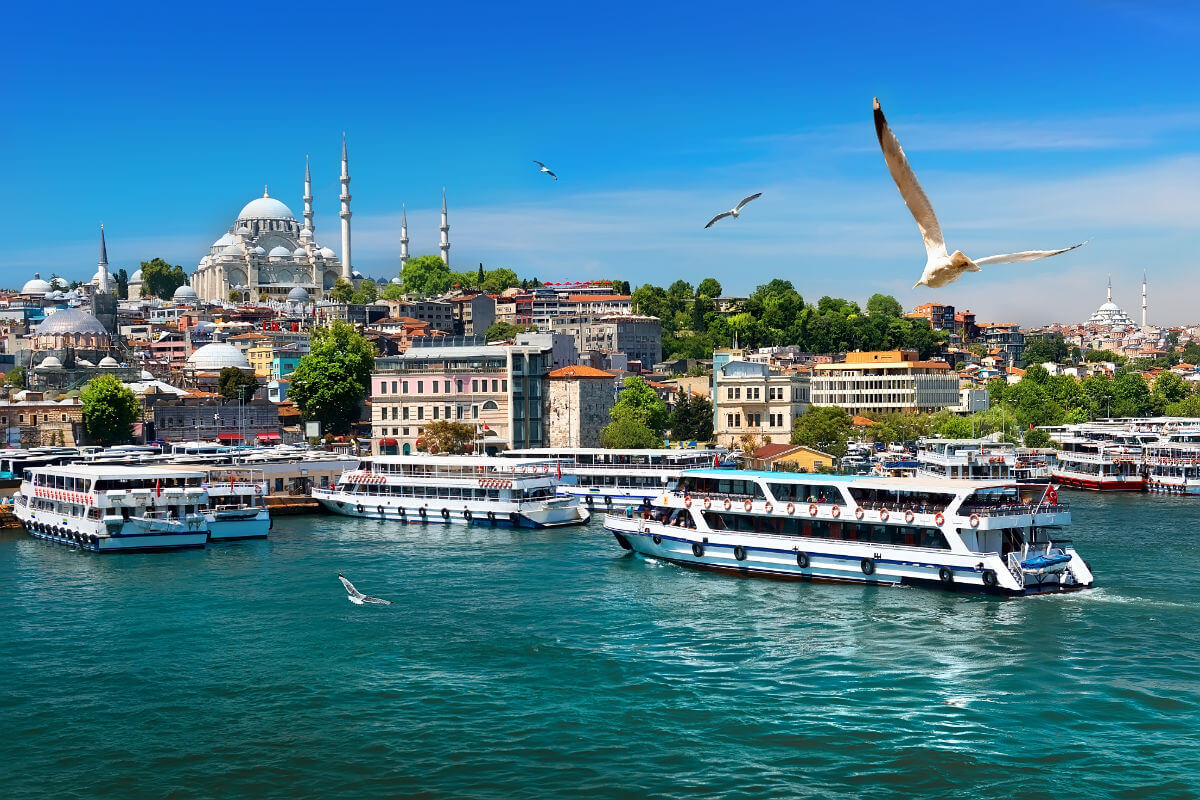
The best time to visit Süleymaniye Mosque is usually between 9:00 and 11:00 AM or in the late afternoon before sunset. Morning visits are quieter and better for travelers who want clear interior photos. Late afternoon is excellent for views from the terrace, especially when the light falls across the Golden Horn.
Because Süleymaniye is an active mosque, visitor access pauses during prayer times. Prayer times change daily throughout the year, and Friday noon prayer brings the longest closure. As a practical rule, avoid arriving right before, during, or immediately after prayers. On Fridays, plan your visit for mid-afternoon rather than late morning.
- Best quiet window: 9:00–11:00 AM on weekdays
- Best photo light: late afternoon, especially from the terrace
- Time to avoid: Friday late morning through early afternoon
- Average visit length: 45–75 minutes including tombs and viewpoints
- Fast visit: 25–30 minutes if you only see the main prayer hall and courtyard
Operator insight: Many travelers underestimate the old-city walking time. A “quick stop” at Süleymaniye can easily become 90 minutes once you include the uphill walk, shoes on and off, photos, tombs, and tea nearby.
How Much Does It Cost to Visit Süleymaniye Mosque?
Entry to Süleymaniye Mosque is free. There is no official ticket for the mosque, courtyard, or royal tombs under normal visiting conditions. Donations are welcomed for upkeep, but they are voluntary. If a person outside the mosque pressures you to pay an entrance fee, treat that as a red flag and continue to the official visitor area.
Your real costs are usually transportation, snacks, and optional guiding. A tram ride is inexpensive by Istanbul standards, but fares can change, so check current Istanbulkart pricing during your trip. A private guide increases the cost but can make a major difference if you’re interested in Ottoman history, architecture, or the Suleiman-Hurrem story beyond the surface details.
If you’re comparing city costs more broadly, our Istanbul daily budget guide explains what travelers typically spend on ferries, meals, taxis, museum entries, and neighborhood transfers.
What Are the Dress Code and Etiquette Rules?
Süleymaniye is a working mosque, not only a monument. Dress and behavior matter. The rules are simple and similar to other major mosques in Istanbul.
- Women: Cover hair, shoulders, and knees. A scarf is required inside the prayer area.
- Men: Wear long pants or clothing that covers the knees. Avoid sleeveless shirts.
- Shoes: Remove shoes before entering the carpeted prayer hall. Bags are usually available.
- Photography: Allowed, but avoid flash and never photograph worshippers at close range.
- Voices: Keep conversations low, especially if people are praying.
- Prayer areas: Respect any barriers or signs marking worship-only sections.
Scarves and cover garments are often available near the entrance, but it’s better to bring your own lightweight scarf if you plan to visit several mosques in one day. In summer, travelers sometimes arrive in shorts after walking through the bazaars. That can slow down entry, so plan your clothing before leaving the hotel.
What Can You See Near Süleymaniye Mosque?
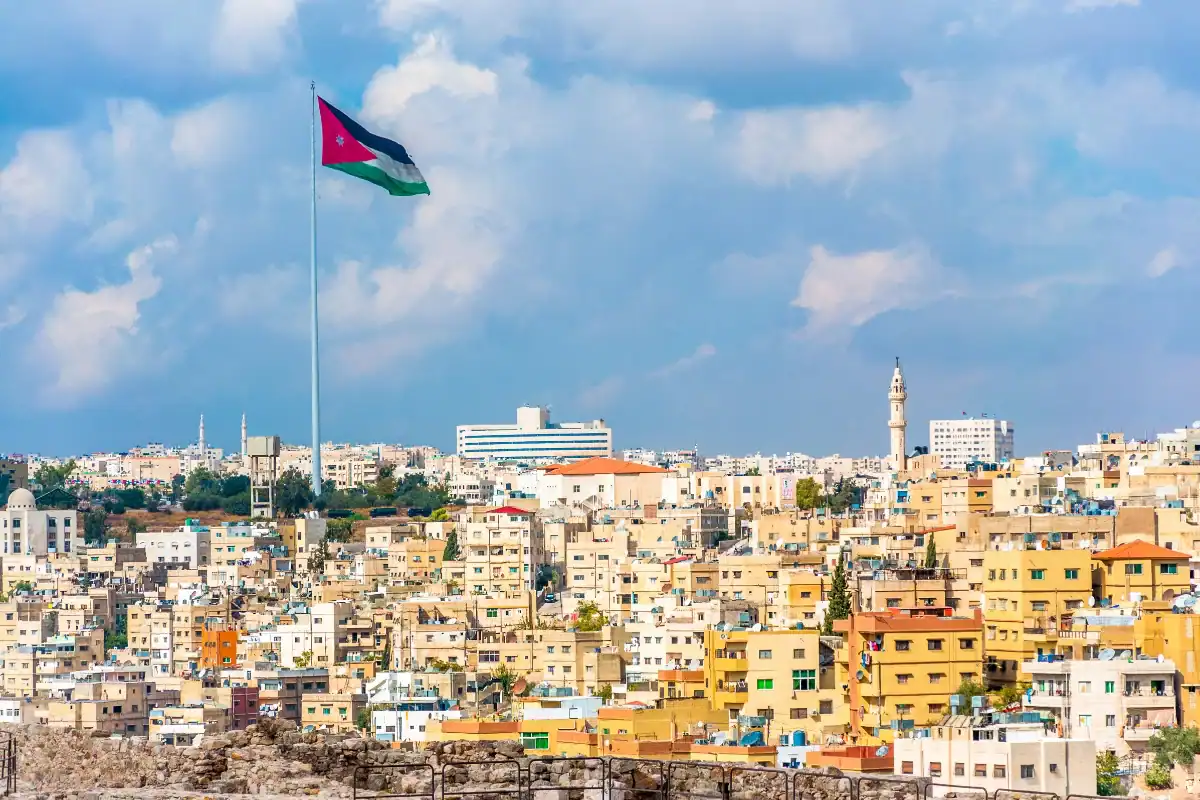
Süleymaniye’s location makes it easy to combine with several historic neighborhoods and landmarks. The key is not to overload the day. Istanbul’s old city looks compact on a map, but hills, crowds, security lines, and bazaar browsing all add time.
Spice Bazaar and Eminönü
The Spice Bazaar area is a natural starting point if you’re coming from the waterfront. You can sample Turkish delight, buy spices, and see the flow of ferries around Eminönü before walking uphill to the mosque. From the terrace near Süleymaniye, you’ll better understand how the Golden Horn shaped Istanbul’s trade routes.
Grand Bazaar and Beyazıt
The Grand Bazaar is about a 15-minute walk from Süleymaniye, though it may take longer if you stop for photos or tea. This pairing works well because both places reflect Ottoman urban life: one as a religious and civic complex, the other as a commercial world of covered lanes, workshops, and shops.
Hagia Sophia, Blue Mosque, and Topkapi Palace
You can continue by tram toward Sultanahmet for Hagia Sophia, the Blue Mosque, and Topkapi Palace Museum, but we usually recommend splitting these into separate half-days if you have time. Trying to see all major mosques, palaces, and bazaars in one day often leaves travelers tired before they’ve really absorbed anything. For a focused comparison, read our guide to Hagia Sophia vs. the Blue Mosque.
Practical Tips for a Smoother Visit
A little planning makes Süleymaniye much easier to enjoy. The mosque itself is free and straightforward, but the surrounding streets, prayer schedule, and old-city walking routes can surprise first-time visitors.
- Check daily prayer times: They shift throughout the year. Build flexibility into your schedule.
- Wear easy shoes: You’ll remove them at the entrance, and the surrounding streets are uneven in places.
- Bring a scarf: Women should carry one even if cover garments are available on-site.
- Don’t rush the terrace: The view is part of the reason to come. Allow at least 10 minutes outside.
- Use the restroom before or after: Public facilities may require small change and can be busy.
- Be careful with “unofficial guides”: If you want guiding, arrange it through a reputable operator or licensed guide.
- Plan lunch nearby: The Vefa and Süleymaniye area is known for simple local restaurants, especially Turkish bean dishes and tea stops.
- Avoid tight airport plans: Old-city traffic can turn a simple transfer into a stressful one.
Traveler decision point: If you only have one day in Istanbul, visit Süleymaniye as part of a guided old-city route. If you have three or four days, visit independently in the late afternoon and stay for the view.
Recommended Tours That Include Istanbul
If you’d rather avoid piecing together hotels, transfers, domestic flights, guides, and timing on your own, a well-planned itinerary can save a lot of energy. This is especially true for travelers combining Istanbul with Cappadocia, Ephesus, Pamukkale, or the western Turkey circuit. Here are a few relevant options from One Nation Travel:
- Best of Istanbul Private Guided Tour — from $360. A strong choice if you want Istanbul’s major monuments explained by a private guide and prefer flexible pacing.
- 9-Day Turkey Group Tour: Istanbul, Cappadocia, Pamukkale, Ephesus, Pergamon, Troy & Gallipoli — from $1,680. Good for travelers who want Istanbul plus Turkey’s classic historical route without managing each connection separately.
- 8-Day Turkey Tour: Istanbul, Cappadocia, Konya, Pamukkale & Ephesus — from $1,680. A balanced route for culture, landscapes, spiritual history, and ancient sites.
- 15-Day Grand Turkey Tour — from $2,849. Best for travelers who want a deeper Turkey itinerary with more breathing room between regions.
For broader planning ideas, browse our Turkey tours or compare itinerary styles in our guide to Turkey tour packages.
FAQ About Visiting Süleymaniye Mosque
Is Süleymaniye Mosque free to enter?
Yes. Süleymaniye Mosque is free to enter, including the main visitor areas and usually the tombs of Sultan Suleiman and Hurrem Sultan. Donations are optional. There is no standard entrance ticket.
How long do you need at Süleymaniye Mosque?
Most travelers need 45–75 minutes. That gives enough time for the prayer hall, courtyard, royal tombs, terrace views, and a relaxed walk around the complex. If you’re only stopping briefly, allow at least 30 minutes.
Can non-Muslims visit Süleymaniye Mosque?
Yes. Non-Muslim visitors are welcome outside prayer times as long as they follow dress and etiquette rules. During prayer, tourist access to the main prayer area is paused so worshippers can use the mosque properly.
Is Süleymaniye Mosque better than the Blue Mosque?
They offer different experiences. The Blue Mosque is famous for its location and tilework, while Süleymaniye feels quieter, more spacious, and more connected to Ottoman imperial architecture. If you have time, visit both.
What is the easiest way to combine Süleymaniye with other sights?
The easiest route is Spice Bazaar, Süleymaniye Mosque, Grand Bazaar, then Beyazıt or Sultanahmet by tram. This keeps the walking route logical and avoids unnecessary backtracking through the old city.
Final Thoughts: Should You Add Süleymaniye Mosque to Your Istanbul Itinerary?
Yes—Süleymaniye Mosque belongs on any thoughtful Istanbul itinerary. It’s grand without feeling crowded, historic without feeling like a museum, and practical enough to fit into a half-day route through the old city. The mosque also gives travelers a clearer sense of Ottoman Istanbul than many faster, photo-only stops.
Come with enough time, dress respectfully, avoid prayer periods, and don’t leave before seeing the terrace view. Whether you visit independently or with a guide, Süleymaniye rewards travelers who slow down and look beyond the obvious checklist.
If you’d like help fitting Süleymaniye into a wider Istanbul or Turkey itinerary, tell us your travel dates, pace, hotel preference, and must-see places. Our team can help you build a practical route with the right amount of time in each region. Start here: Plan My Trip with One Nation Travel.