
Let me give you the most important piece of Egypt travel advice I know after thirty years of walking these temple corridors: come for at least eight days, spend most of your time in Luxor and Aswan rather than only Cairo, and never try to “do” the country in a single rushed week. Egypt rewards patience. The pyramids will still be standing tomorrow; what you cannot recover is the slow afternoon light falling across the columns at Karnak, or a quiet hour with the tombs in the Valley of the Kings before the buses arrive.
I am Ibrahim, born in Cairo, raised between the bazaars of the old city and the riverbanks of Luxor. I have guided American travelers through every season, every mistake, and every quiet triumph. So let me share the practical wisdom I usually save for friends — the things that turn a stressful trip into a meaningful one.
📋 Quick Facts
| Best Time to Visit | October to April (cooler, less brutal heat) |
| Time Needed | 8–10 days for Cairo, Luxor, Aswan & a Nile cruise |
| Difficulty | Easy to moderate (some walking, heat, early starts) |
| Must-Bring | Sun hat, modest clothing, small cash for tips, refillable water bottle |
📊 Best Times to Visit
| Time | Crowd Level | Tip |
|---|---|---|
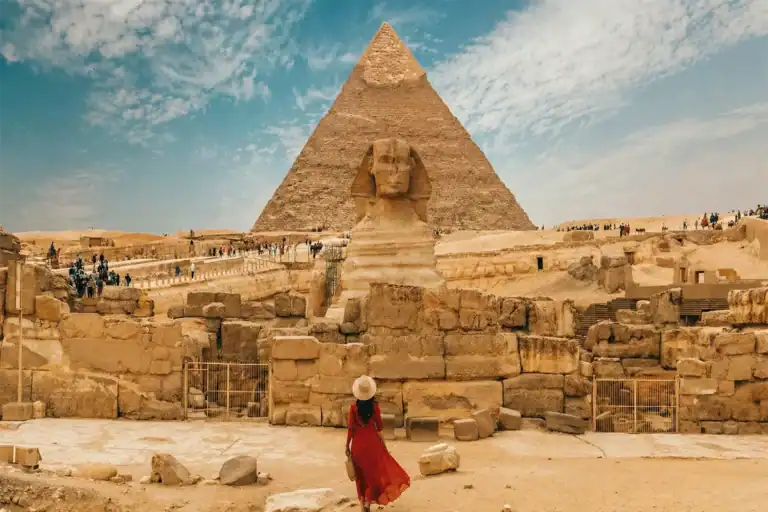
| Early Morning (7-9 AM) | 🟢 Low | Reach the Giza plateau or the Valley of the Kings at opening — cooler air and empty frames for photos. |
| Midday (11 AM-2 PM) | 🔴 High | Avoid open-air sites; this is the time for a museum, a long lunch, or the shaded deck of your Nile boat. |
| Late Afternoon (4-6 PM) | 🟡 Medium | Return to the temples as the light turns gold — Karnak and Luxor Temple are extraordinary then. |
When Is the Best Time to Visit Egypt?
The honest answer most travelers want first: visit Egypt between October and April. The summer months from June through August are not impossible, but the heat in Luxor and Aswan regularly climbs past 105°F (40°C), and standing on the exposed Giza plateau at noon in July is a test of endurance, not a pleasure.
My personal favorite window is late October and again in March. The Nile breeze is gentle, the desert nights are cool enough for a light jacket, and the crowds have not yet peaked the way they do around Christmas and New Year. If you must come in summer, restructure your day completely: see the sites at dawn, retreat indoors by 11 AM, and return outside after four.
Timing is only half of it — the route you choose matters just as much, which is exactly what trips up first-time visitors.
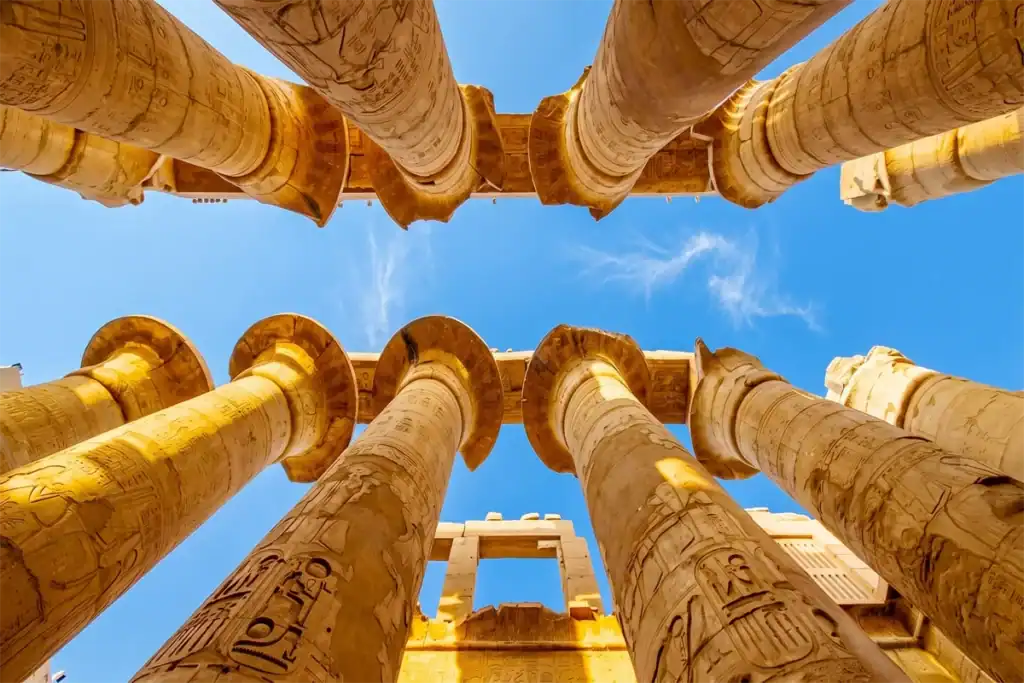
Ibrahim’s Secret
At the Karnak Temple, most tour groups crowd the Great Hypostyle Hall and leave. Walk instead toward the back, past the Sacred Lake, to the quieter southern courts where the afternoon light cuts between the obelisks. I have sat there alone many times while a hundred people photographed the same column thirty meters away. The best moments in Egypt are usually fifty steps past where everyone stops.
How Many Days Do You Need in Egypt?
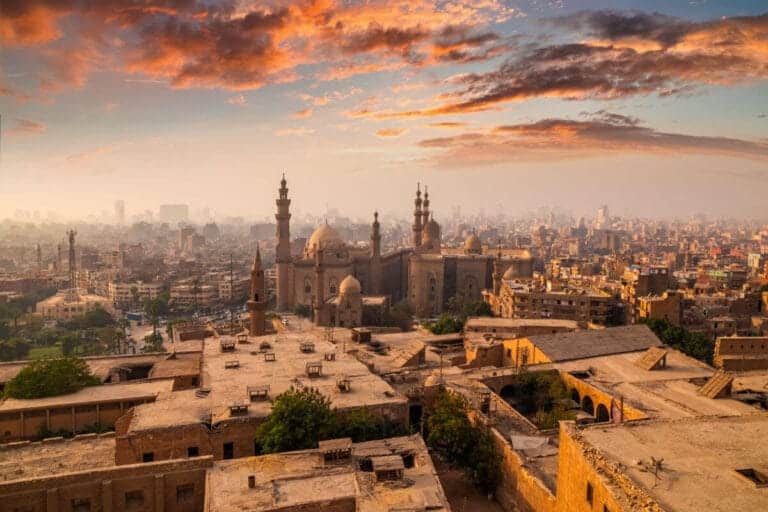
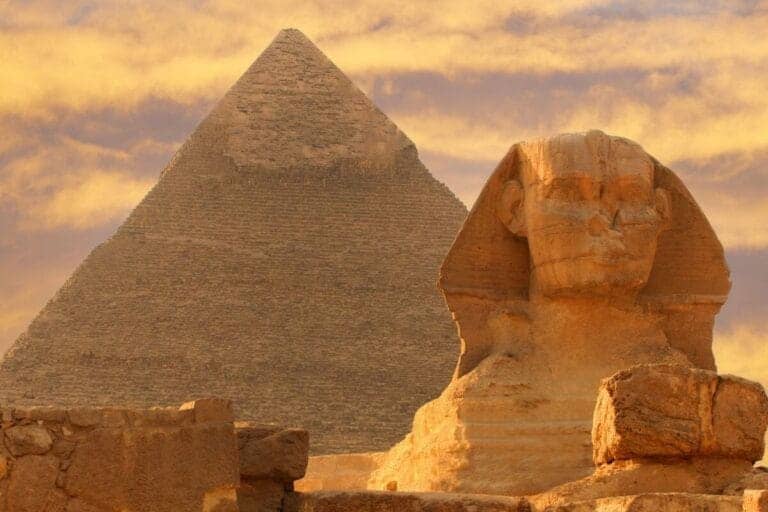
You need a minimum of eight days to see Egypt without feeling like you ran a marathon. Three days in Cairo for the Pyramids of Giza, the Egyptian Museum, and the old city; then fly south for Luxor, Aswan, and ideally a Nile cruise between them.
The classic mistake I see is travelers trying to compress everything into four days based purely in Cairo, then wondering why Egypt felt small. The pyramids are magnificent, but the soul of ancient Egypt lives in the south — in the painted tombs of the Valley of the Kings, the riverside temples, and the slow rhythm of the Nile itself. I broke down the full timing logic in my guide on how many days to spend in Egypt, but the short version is this: give the south more time than Cairo.
🗺 Suggested Route
Days 1–3: Cairo — Giza pyramids, Sphinx, Egyptian Museum, Khan El Khalili bazaar. Day 4: Fly to Luxor (about 1 hour). Days 4–7: Nile cruise from Luxor to Aswan, stopping at Karnak, Valley of the Kings, the Temple of Kom Ombo, and the Temple of Edfu. Day 8: Aswan — Philae Temple and optional flight to Abu Simbel (about 45 minutes each way).
That route flows with the river and avoids backtracking. And speaking of the river, the Nile cruise is the single decision that shapes the whole trip.

Should You Take a Nile Cruise?
Yes — a Nile cruise is the heart of any well-planned Egypt trip, not an optional extra. Sailing between Luxor and Aswan, you unpack once and let the temples come to you. You wake near the Temple of Kom Ombo, watch the green riverbanks slide by from the deck, and reach the Temple of Edfu without a single long bus transfer.
Most travelers do a three- or four-night cruise. If your dates are tight, the 4-Day Nile Cruise from Cairo by Air covers the essential temples efficiently. For a fuller experience that pairs Cairo with the south, the 9-Day Best of Egypt Tour with a 4-Night Nile Cruise is the itinerary I most often recommend to first-timers.
Pro Tip
When booking a Nile cruise, ask which side your cabin faces and whether your boat docks alongside other vessels. In busy season, boats raft together at the docks, and a lower-deck cabin can end up staring at another ship’s hull. Pay a little more for an upper deck — the view of the riverbank at sunrise is worth every dollar.
Is Egypt Safe and How Should Americans Prepare?
Egypt is welcoming and the tourism corridors — Cairo, Luxor, Aswan, and the Nile — are well managed and accustomed to international visitors. As anywhere, use ordinary common sense: keep valuables close in crowded bazaars, agree on taxi fares before you ride, and dress modestly at religious sites, with shoulders and knees covered for both men and women.
A few practical points Americans often ask me about:
- Visa: Most US travelers buy an e-visa online before arrival or get one on arrival. Confirm current requirements close to your travel date.
- Tipping (baksheesh): It is woven into daily life here. Carry small notes for restroom attendants, porters, and helpful hands. It is not a scam — it is custom.
- Water: Drink bottled or filtered water, and skip ice from unknown sources in small roadside spots.
- Guide vs DIY: Egypt’s sites are vast and lightly labeled. A knowledgeable guide turns silent stone into living story. I am biased, of course, but a good guide is the difference between seeing Egypt and understanding it.
If you are weighing a private guide against a group, my colleagues covered the trade-offs honestly in Egypt private tour vs group tour, and it is worth reading before you decide.
Local Flavor Alert
Find a real koshari shop in Cairo — not the hotel version. It’s a humble mix of rice, lentils, macaroni, chickpeas, fried onions, and a tangy tomato-garlic sauce, all layered in a bowl for a couple of dollars. My grandfather ate it after Friday prayers, and I still hunt for the best bowl in every neighborhood. Add the spicy vinegar sauce slowly; it bites harder than it looks.
What About Costs and Entry Fees?
Egypt is more affordable than most American travelers expect, but the entry fees add up quickly because nearly every site charges separately — and the famous tombs often cost extra on top of general admission.
Price Alert (2026)
Expect roughly: Giza pyramids complex around $20–25, Egyptian Museum around $20, Valley of the Kings general ticket around $25 (with King Tut’s tomb and a few special tombs charging separate fees), and Abu Simbel around $30. Carry some cash in Egyptian pounds, as not every ticket window takes cards. Booking a package with entries included saves both money and the daily hassle of queuing at each gate.
For a clear, itemized look at what Americans actually pay, my colleagues laid it out in the Egypt tour cost breakdown — useful reading before you set your budget.
About Ibrahim — The Pharaoh’s Chronicler
This article was written by our Cairo / Luxor / Nile Valley, Egypt local expert, Ibrahim. A wise, history-loving Egypt expert and guardian of heritage. He speaks of ancient civilizations with the passion of someone who has spent decades decoding hieroglyphs and walking through temple corridors. From the pyramids’ hidden passages to Luxor’s evening light, he is a guardian of thousands of years of heritage.
✈ Recommended Tour
If you want my ideal balance of Cairo, Luxor, Aswan, and the river itself, the 9-Day Best of Egypt Tour with a 4-Night Nile Cruise is the one I’d send my own friends on. It gives the south the time it deserves while keeping the logistics off your shoulders.
Frequently Asked Questions
Do I need a guide to visit Egypt’s temples?
You don’t strictly need one, but Egypt’s sites have minimal signage and immense history. A knowledgeable guide explains the hieroglyphs, the dynasties, and the stories that bring the stone to life. For most first-time visitors, a guide transforms the trip from sightseeing into genuine understanding.
Is the tap water safe to drink in Egypt?
Stick to bottled or filtered water, even for brushing teeth in some areas. Avoid ice in small roadside establishments. Cruise boats and reputable hotels provide safe bottled water throughout your stay.
How much should I budget for tipping?
Tipping, known locally as baksheesh, is part of everyday culture. Carry small Egyptian pound notes for porters, restroom attendants, and helpful staff. Many travelers set aside roughly $5–10 per day for incidental tips, plus a larger amount for guides and drivers at the end.
What should I wear when visiting Egypt?
Lightweight, breathable clothing that covers shoulders and knees works best, especially at mosques and religious sites. A sun hat and good walking shoes are essential. Evenings on the Nile can be cool in winter, so pack a light layer.
Is Abu Simbel worth the extra trip?
Absolutely. The colossal rock-cut temples of Abu Simbel are among the most awe-inspiring monuments in Egypt. From Aswan, a short flight makes it a manageable half-day, and standing before Ramesses II’s four giant statues is a memory that stays with you for life.