
The quick answer: January is one of the most comfortable months for touring Egypt. Expect mild sightseeing weather in Cairo and Alexandria, warmer dry days in Luxor and Aswan, and cool mornings and evenings almost everywhere. It is an excellent time for pyramids, temples, Nile cruising, and desert landscapes, but it is also a popular winter travel period, so advance planning matters.
January suits travelers who want to spend long days outdoors without Egypt’s intense summer heat. The main decision is not whether the weather is good—it generally is—but how to build an itinerary around regional differences. Cairo can feel crisp after dark, Alexandria may be cool and occasionally damp, while Upper Egypt is sunnier and noticeably warmer during the day.
What to Know Before a January Trip
- January is Egypt’s coolest month, with comfortable daytime temperatures for archaeological sites and cooler evenings that require a jacket.
- Cairo and Alexandria are cooler than Luxor, Aswan, and the Red Sea coast; plan layers rather than packing only warm-weather clothing.
- Winter is a high-demand season for Egypt, especially around New Year’s, Coptic Christmas on January 7, and popular Nile cruise dates.
- Early starts are still worthwhile for major sites such as Giza, Luxor’s West Bank, and Abu Simbel—not because of extreme heat, but for softer light and fewer people.
- Rain is uncommon in southern Egypt but possible along the Mediterranean coast and occasionally in Cairo, so a compact rain layer is useful for northern stops.
- January works particularly well for first-time visitors combining Cairo with Luxor, Aswan, or a Nile cruise.
Egypt Weather in January by Region
Egypt is a large country with distinct climate zones, so a single temperature range can be misleading. A traveler visiting Cairo, Luxor, and Aswan in one week may use a fleece in the capital, sunscreen at Karnak, and a light windbreaker on a Nile boat after sunset.
| Region | Typical January Feel | What It Means for Travelers |
|---|---|---|
| Cairo and Giza | Mild days, cool nights; occasional cloudy or rainy spell | Very comfortable for museums, markets, and outdoor pyramid visits. Bring layers for evenings. |
| Alexandria | Cooler, breezier, and more likely to see rain | Best for cultural sightseeing and seafood rather than beach time. |
| Luxor | Sunny, dry, and pleasantly warm by afternoon | One of the best places in Egypt for January temple and tomb visits. |
| Aswan | Warm, dry days and cooler desert evenings | Excellent conditions for Nile activities, Philae, Nubian culture, and Abu Simbel excursions. |
| Red Sea coast | Mild to warm days, breezy evenings, cooler water | Good for diving and snorkeling, though swimmers sensitive to cool water may prefer a heated pool. |
Cairo and Giza in January
In Cairo, daytime temperatures often feel pleasantly mild, while mornings and evenings can be chilly by Egypt standards. Conditions are ideal for walking around Islamic Cairo, browsing Khan El Khalili Bazaar, and visiting museums without the fatigue that summer heat can bring.
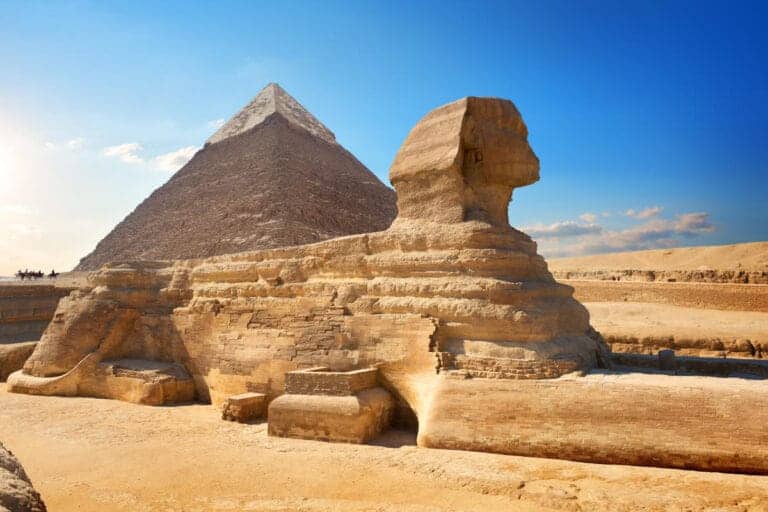
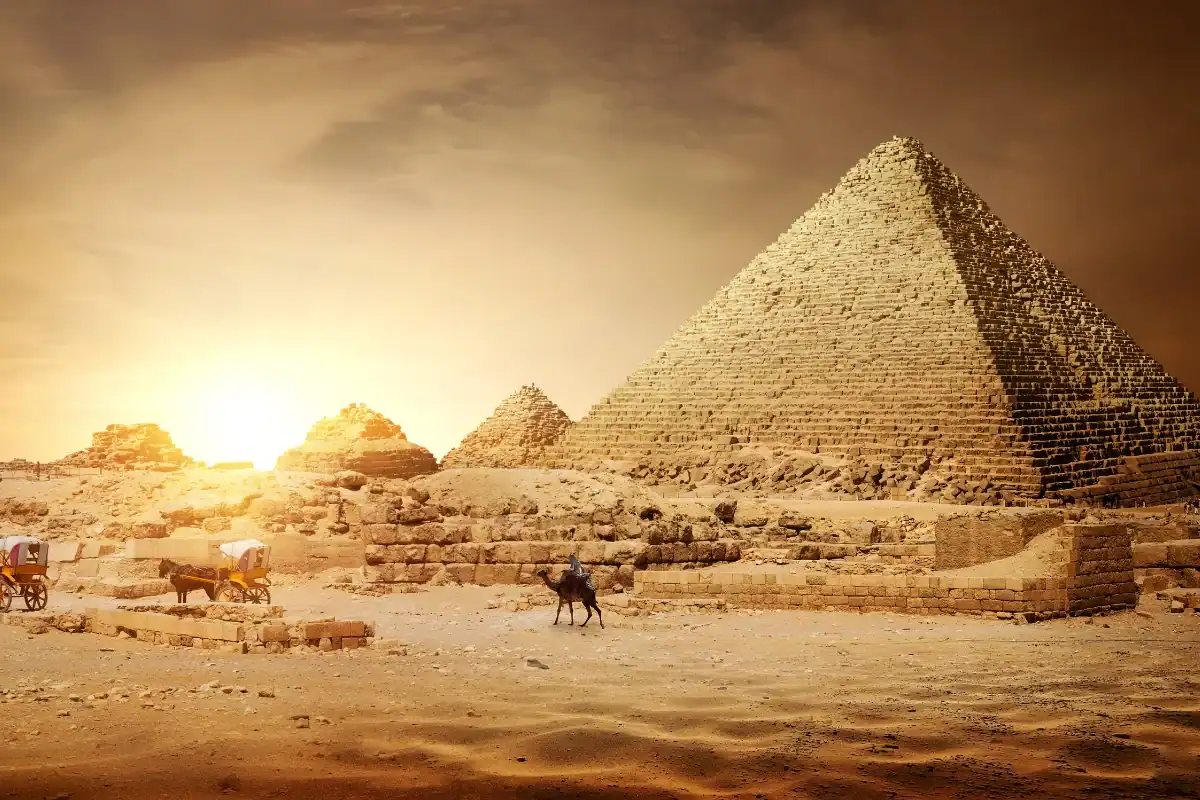
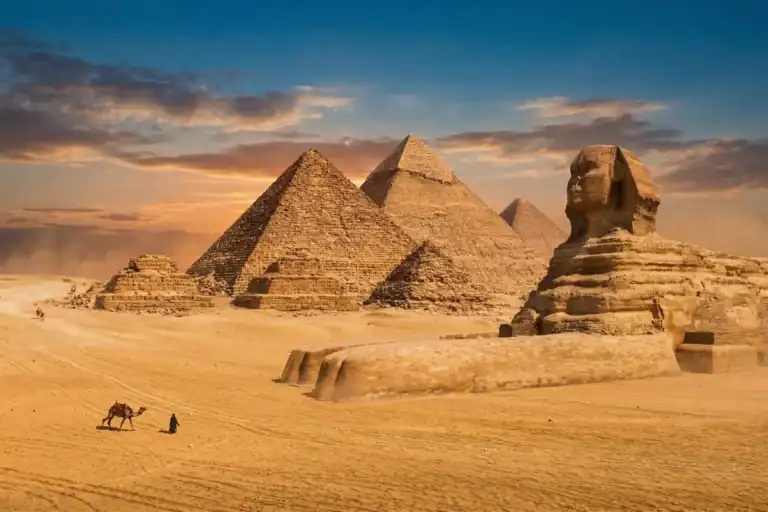
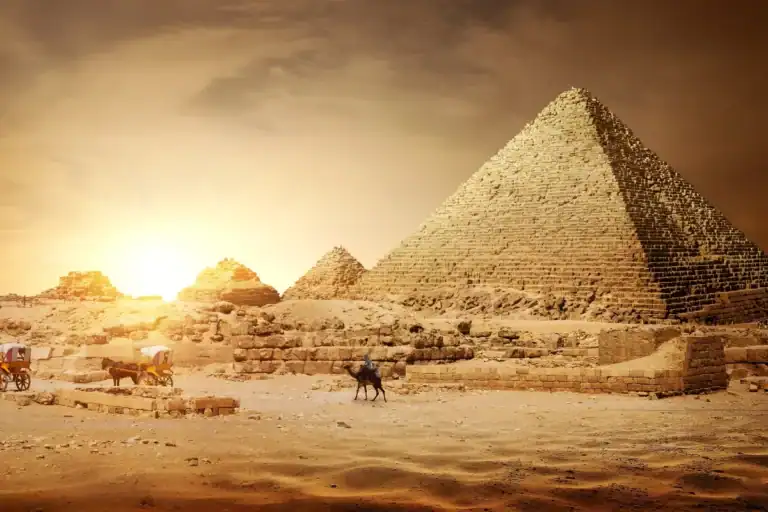
At the Pyramids of Giza, sun exposure still matters. The plateau is open and there is little shade, so sunscreen, sunglasses, water, and sturdy shoes remain essential even in January. Plan the site early in the day if photography is important, then allow time for the Great Sphinx and nearby museums or neighborhoods afterward.
Luxor and Aswan in January
Upper Egypt is the strongest choice for travelers who want reliably dry, sunny sightseeing weather. In Luxor, afternoons are often comfortable for exploring the monumental scale of Karnak Temple, Luxor Temple, and the tombs of the Valley of the Kings. However, sunrise departures, hotel terraces, and open-vehicle transfers can feel cold, particularly on the West Bank.
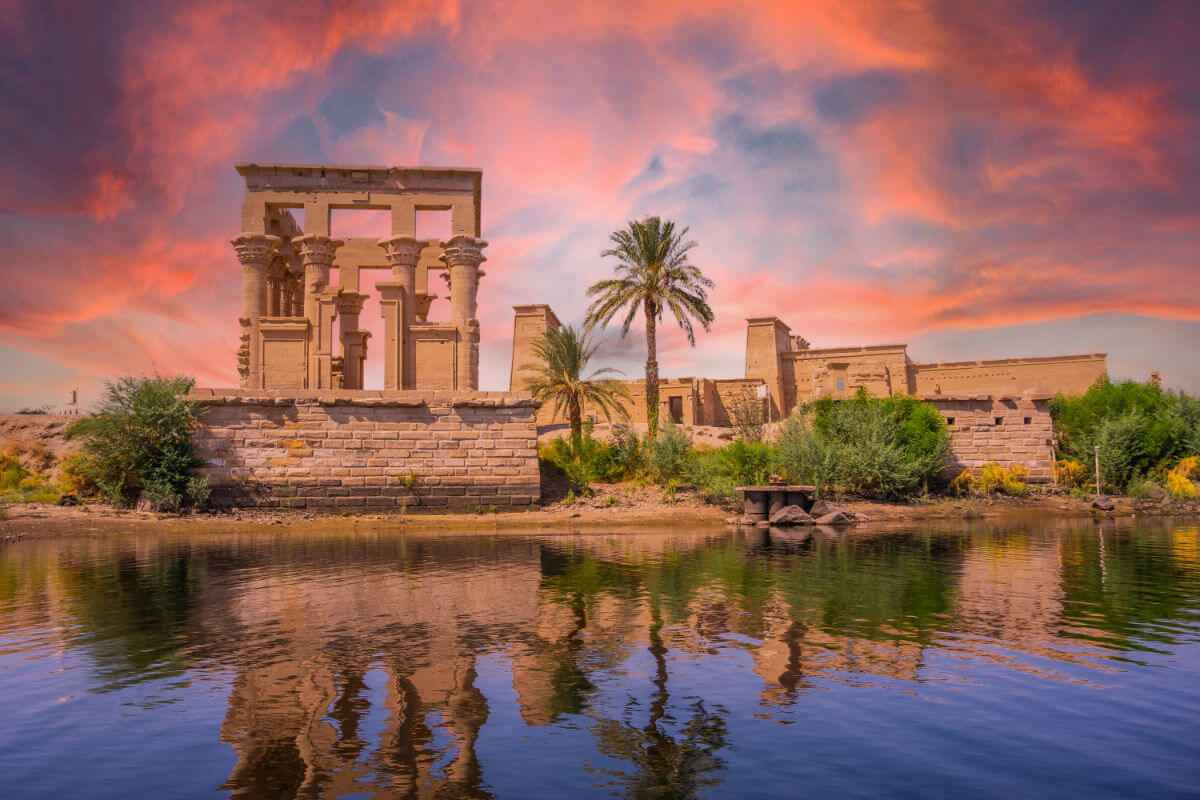
Aswan is similarly dry and often warmer during daylight hours. January is well suited to a boat visit to Philae Temple, time around the Nile, and a carefully planned day trip to Abu Simbel Temples. For Abu Simbel, confirm the departure time, transport arrangement, meal stops, and return schedule before booking; it is an early and long day regardless of the season.
Alexandria and the Red Sea
Alexandria has a Mediterranean winter, so expect cooler temperatures, breeze, cloud cover, and the possibility of rain. It is still a worthwhile addition for travelers interested in the coastal atmosphere, museums, historic streets, and the citadel, but it is not Egypt’s warmest January stop.
Red Sea destinations can deliver sunny resort weather, though windy days and cooler sea temperatures are normal. Divers and snorkelers generally find January workable with the right equipment; travelers primarily looking for long, warm beach-swimming days may prefer a later spring or early fall trip.
Why January Is One of the Best Months for Egypt Sightseeing
The practical advantage of January is stamina. Egypt’s landmark sites are often large, exposed, and best appreciated at a steady pace. Cooler weather means visitors can spend longer at places such as Saqqara Necropolis, ancient Memphis, or Luxor’s temple complexes without scheduling the entire day around heat avoidance.
January also brings clear winter light that works well for photography. Morning and late-afternoon light is generally more flattering than the harsh midday sun, particularly at Giza and along the Nile. That said, winter is not a quiet season. Christmas and New Year departures can be especially busy, and January remains popular with international travelers escaping colder climates.
Practical timing tip: Book major components in the order that is hardest to replace: international flights, Nile cruise dates or domestic flights, then hotels and guided sightseeing. Leave flexible city time for cafés, museums, and shopping rather than trying to schedule every hour.
What to Pack for Egypt in January
The most common packing mistake is bringing either only summer clothing or an unnecessarily heavy winter wardrobe. January requires adaptable layers. You may be comfortable in a long-sleeve shirt at noon in Luxor, then want a fleece or medium-weight jacket after dinner in Cairo.
Clothing and footwear
- Lightweight long-sleeve shirts, T-shirts, and breathable trousers for daytime.
- A fleece, cardigan, or medium-weight jacket for early starts and evenings.
- A scarf or shawl, useful for warmth, sun protection, and religious sites.
- Comfortable closed-toe walking shoes with a stable sole for uneven stone, sand, and long museum days.
- Modest, easy-to-layer clothing for mosque visits, rural communities, and conservative settings.
- A swimsuit if staying on the Red Sea or at a hotel with a heated pool.
Small items that make a difference
- Sunscreen, sunglasses, a hat, and lip balm. Winter sun can still feel strong at open sites.
- A refillable water bottle and a small daypack for layers.
- Moisturizer and hand cream for dry air, particularly in Luxor and Aswan.
- A compact rain jacket or umbrella if Alexandria is on the itinerary.
- A portable charger for long touring days and early departures.
For a fuller trip-planning overview, the advice in Egypt travel advice today is helpful alongside checking current entry requirements, passport validity rules, and airline baggage allowances directly with the relevant authorities and carriers.
Best January Itineraries: How to Match the Route to Your Time
January weather supports a range of Egypt itineraries, but a well-paced route matters more than trying to cover every famous location. Internal flights, airport transfers, hotel check-ins, and early sightseeing starts can quickly eat into a short trip.
Four to five days: Cairo plus Luxor
This is the strongest first-time route for travelers with limited vacation time. Use Cairo for Giza, the Egyptian Museum, and historic neighborhoods, then fly to Luxor for temples and the West Bank. It offers a clear contrast between the capital and ancient Upper Egypt without adding too many hotel changes.
A Cairo-only stay can also work well for travelers who prefer a slower city break, want to include Saqqara and Memphis, or have only a few days. If you are deciding how long to allow, see how many days to spend in Egypt for realistic 3- to 14-day route options.
Seven to eight days: Cairo, Nile cruise, and Aswan
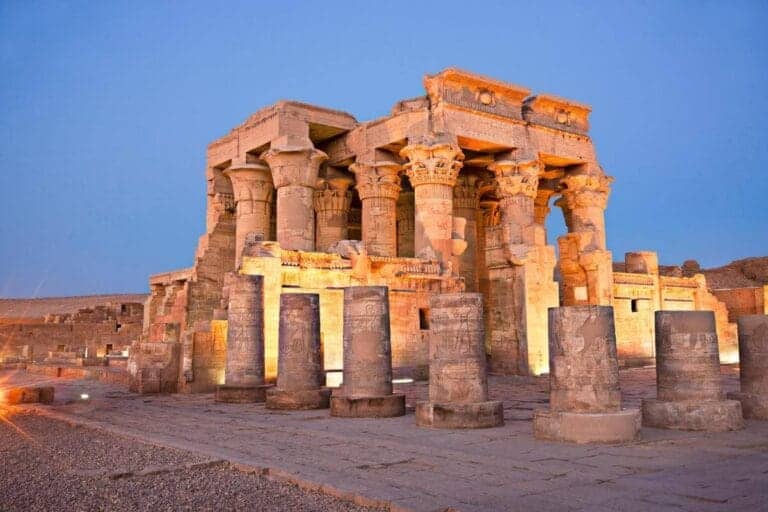
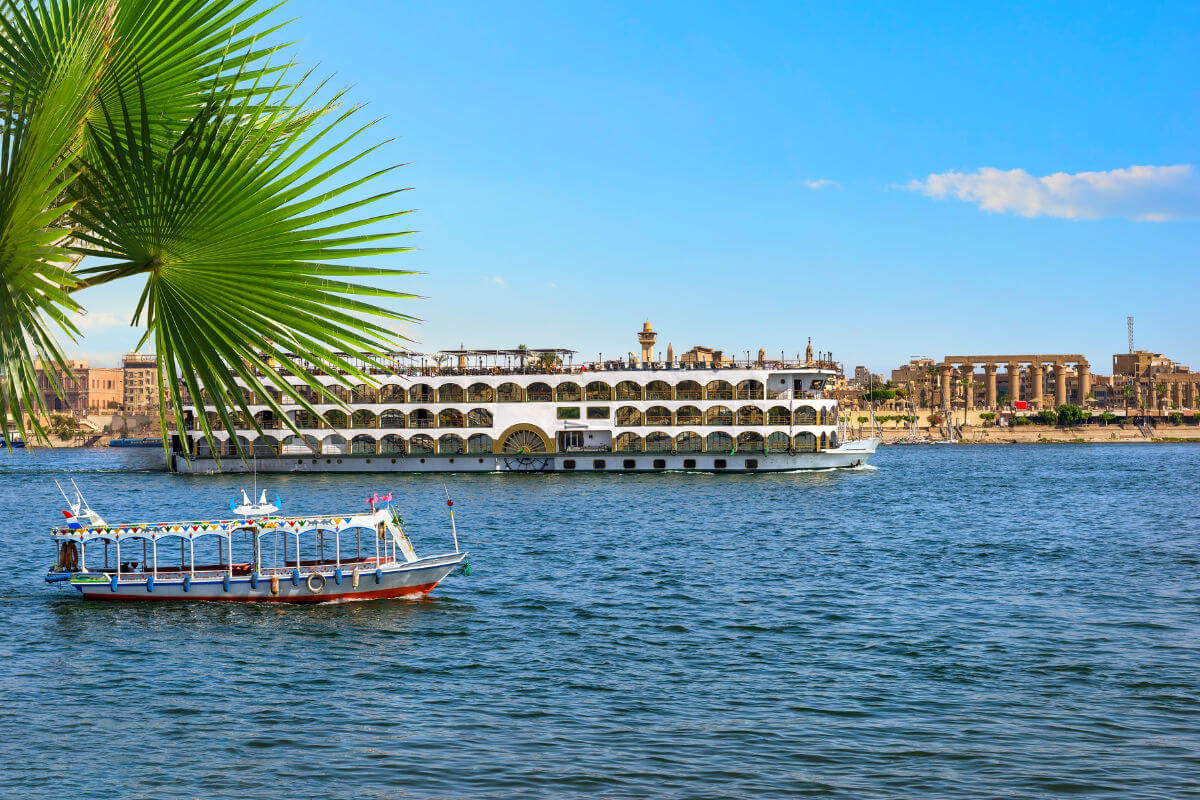
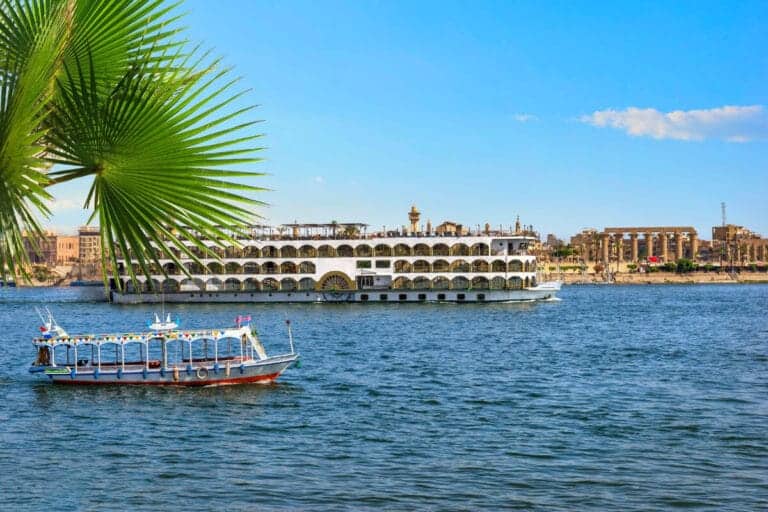
For a more complete first trip, add a Nile cruise or overland sequence between Luxor and Aswan. This route allows time for Luxor’s East and West Banks, Temple of Edfu, Temple of Kom Ombo, Philae, and potentially Abu Simbel. January’s dry weather makes this rhythm especially appealing, although decks and evening outdoor areas can be cool.
Before committing, compare the arrival city, departure city, domestic flight timing, sightseeing order, cabin category, meals, admission fees, and whether excursions are shared or private. A cruise can simplify logistics, but it is not automatically the best fit for travelers who want long independent evenings or a very flexible pace. Our 8-day Egypt itinerary explains how to avoid wasting valuable time on poorly sequenced flights and hotel nights.
Add Alexandria only when it fits your interests
Alexandria is a worthwhile extension for history, architecture, and food, but it should not displace Luxor or Aswan for most first-time visitors. Add it when you have an extra day or two, or when you prefer a less temple-focused itinerary. A guided Alexandria day trip from Cairo can be a practical alternative to changing hotels for a short visit.
Should You Choose a Cairo Stay, a Cairo-and-Luxor Tour, or a Nile Cruise?
The right January itinerary depends on your available time, comfort with internal flights, and how deeply you want to explore Upper Egypt.
Choose Cairo and Giza if you have four days or fewer
This option suits travelers who want the pyramids, museums, historic Cairo, and nearby ancient sites without extra travel days. It is also the easiest route for those who prefer one hotel base. The trade-off is missing Luxor’s major temples and tombs.
Choose Cairo and Luxor for the best first-trip balance
This is the most efficient choice for many first-time visitors. You experience the Pyramids of Giza and the major monuments of ancient Thebes without the longer commitment of a cruise. Verify whether domestic flights, transfers, guides, entrance fees, and hotel nights are included, since these details vary by itinerary.
Choose a Nile cruise when the journey matters as much as the sites
A cruise is well suited to travelers who want organized movement between Luxor and Aswan, regular guided visits, and time on the river. It can be especially appealing in January, when daytime sightseeing is comfortable. It is less suitable if you want to choose your own dining spots every night, sleep late, or make spontaneous changes to the day’s plan.
For a more detailed comparison of travel styles, read Egypt private tour vs. group tour. When reviewing any itinerary, ask what is included before comparing headline prices: internal transportation, admissions, guide services, meals, gratuities, and optional excursions can materially change the total cost.
If your plans may change, note the booking terms before confirming: notice must be given at least 5 days before the tour starts; non-refundable flight and bus ticket costs are deducted from the paid balance; with less than 5 days notice, or for a no-show, the full payment is non-refundable.
Choose your next step
Recommended Egypt tours
These verified options are the closest available matches for this article’s destination, route intent, and trip length.
4-Day Nile Cruise from Cairo by Air: Aswan to Luxor
A 4 days Cultural & Heritage Tour route covering Egypt.
View tour details →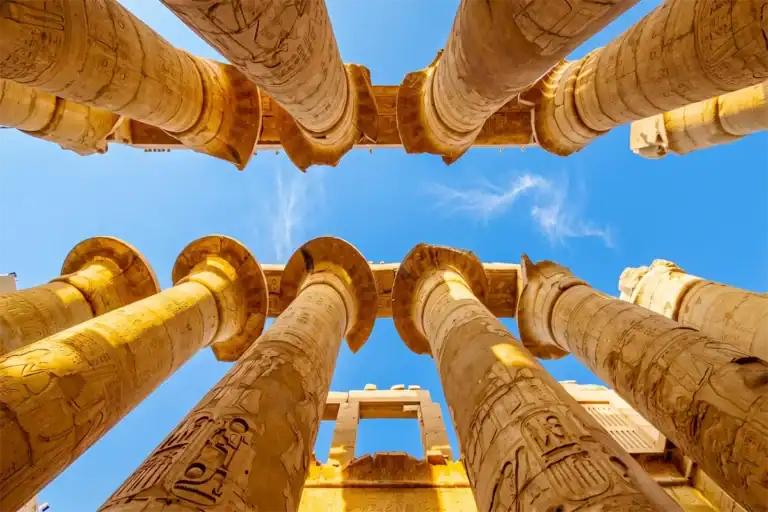
2-Day Luxor Tour from Cairo (Flights Included)
A 2 days Cultural & Heritage Tour route covering Egypt.
View tour details →January Questions Travelers Often Ask
Is Egypt warm enough in January?
Yes for sightseeing. Cairo can be cool in the morning and evening, while Luxor and Aswan are usually comfortably warm during the day. It is not consistently hot beach weather everywhere, so pack layers.
Does it rain in Egypt in January?
Rain is limited overall. Alexandria and the northern coast have the greatest chance of showers, Cairo can occasionally see light rain, and Luxor and Aswan are usually very dry.
Can you swim in the Red Sea in January?
Many travelers do, particularly for diving and snorkeling, but the water may feel cool and conditions can be breezy. A heated hotel pool is a useful backup for travelers who prefer warmer swimming.
Is January crowded in Egypt?
It can be, particularly around New Year’s and on popular Nile cruise departures. January is a desirable sightseeing season, so reserving flights, key hotels, and structured tours early is sensible.
What time should I visit the pyramids in January?
Morning is usually best for cooler conditions, more comfortable walking, and softer light. Arrive with water, sun protection, and enough time to see the plateau without rushing.
Plan a Comfortable Egypt Winter Escape
January is an excellent choice for Egypt if your priority is comfortable sightseeing rather than intense heat. Build your route around Cairo and Upper Egypt, dress for temperature swings, and leave enough breathing room for domestic travel and early archaeological-site visits. For help matching dates, pace, and preferred experiences to an Egypt itinerary, plan your trip with One Nation Travel.