
The practical answer: April is one of the better months for an Egypt trip if you want warm, mostly dry weather without summer’s strongest heat. Cairo is usually comfortable for full-day sightseeing, while Luxor and Aswan can feel hot by afternoon. Plan early starts for temples and tombs, pack for sun and possible dusty winds, and reserve holiday-period flights and Nile cruise space well ahead.
April suits travelers who want to combine the Pyramids of Giza, Cairo’s museums, Upper Egypt’s temples, and possibly the Red Sea in one trip. The key decision is whether to prioritize a sightseeing-heavy route through Cairo, Luxor, and Aswan or add beach time and accept a less packed itinerary.
What Matters Most for Egypt in April
- Expect warm, sunny days across most of Egypt, with hotter afternoons in Luxor and Aswan than in Cairo or Alexandria.
- Early starts are worth it: archaeological sites have limited shade, and Upper Egypt can become uncomfortable after midday.
- Rain is unlikely, but spring khamsin winds can occasionally bring dust, haze, and warmer conditions for a day or two.
- April can overlap with Easter travel and Sham El-Nessim, so flights, hotels, and Nile cruise cabins may need earlier planning.
- Bring breathable layers, sturdy walking shoes, sun protection, and a light outer layer for cooler evenings or air-conditioned transport.
- A Cairo–Luxor–Aswan route works especially well in April when organized with sensible domestic-flight or rail connections.
What Is Egypt’s Weather Like in April?
Egypt is dry and sunny in April, with conditions changing noticeably from the Mediterranean north to Upper Egypt in the south. It is generally a transition month: winter’s cooler evenings are fading, while summer heat is beginning to build in Luxor and Aswan.
For most first-time visitors, April feels comfortably warm in Cairo and Giza, warm to hot around the Nile Valley, and beach-ready along the Red Sea. Humidity is usually low away from the coast, but that does not make the midday sun mild. Open archaeological sites, desert viewpoints, and temple courtyards can feel significantly warmer than the temperature suggests.
| Area | Typical April daytime feel | Typical evening feel | Best planning approach |
|---|---|---|---|
| Cairo and Giza | Warm, often around the low 80s°F / high 20s°C | Mild, sometimes cool after sunset | Plan outdoor sites in the morning and museums or neighborhoods later. |
| Luxor and Aswan | Hot, commonly reaching the low 90s°F / low-to-mid 30s°C | Pleasantly warm | Use early departures, shaded breaks, and lighter afternoon plans. |
| Alexandria | Milder than Cairo, with Mediterranean breezes | Cooler than inland Egypt | Bring a light layer and allow for wind along the waterfront. |
| Red Sea coast | Warm and sunny, usually suitable for beach time | Comfortable | Pack swimwear, reef-safe sun protection, and a cover-up for evenings. |
These are planning ranges rather than a guarantee. Temperatures can rise during warm wind events, and a dusty day can affect visibility even when rain is not expected. Check the short-range forecast shortly before departure, particularly if you have a domestic flight, a desert outing, or a tightly timed connection.
Is April a Good Time to Visit Egypt?
Yes—especially for travelers who want weather that supports both sightseeing and outdoor time. April is often more comfortable than June through September, when Upper Egypt’s heat can make long temple days demanding. It is also warmer than the heart of winter, which appeals to travelers hoping to add swimming, snorkeling, or relaxed Nile deck time.
The trade-off is that April is not a quiet bargain month. School breaks, Easter travel, and spring demand can make popular dates more competitive. This matters most for multi-stop trips involving Cairo, Luxor, Aswan, and a Nile cruise, where one poorly timed flight or unavailable cabin can disrupt the entire route. Reserving a coordinated 8 day egypt tour early keeps those connections aligned.
For a broader look at trip length and seasonal route choices, see how many days to spend in Egypt and the practical 8-day Egypt itinerary.
April’s main weather challenge: dust and khamsin winds
Spring can bring khamsin, a hot, dry wind that may carry sand and dust across parts of Egypt. It does not occur every day, and it should not discourage an April trip, but it is worth planning around. On a dusty day, skyline views at Giza may be hazier, contact lenses can feel uncomfortable, and an open-air excursion may be less enjoyable.
Practical tip: Keep sunglasses, lip balm, a refillable water bottle, and a light scarf in your day bag. The scarf is useful for sun, dust, and conservative coverage at religious sites.
Where to Go in Egypt in April
April supports a wide range of routes, but the best one depends on whether your priority is ancient sites, cruising, coastal relaxation, or a combination.
Cairo and Giza for first-time visitors
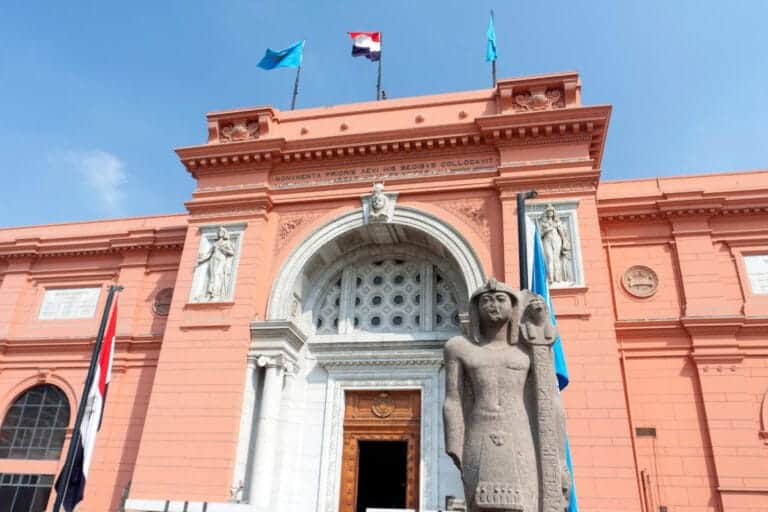
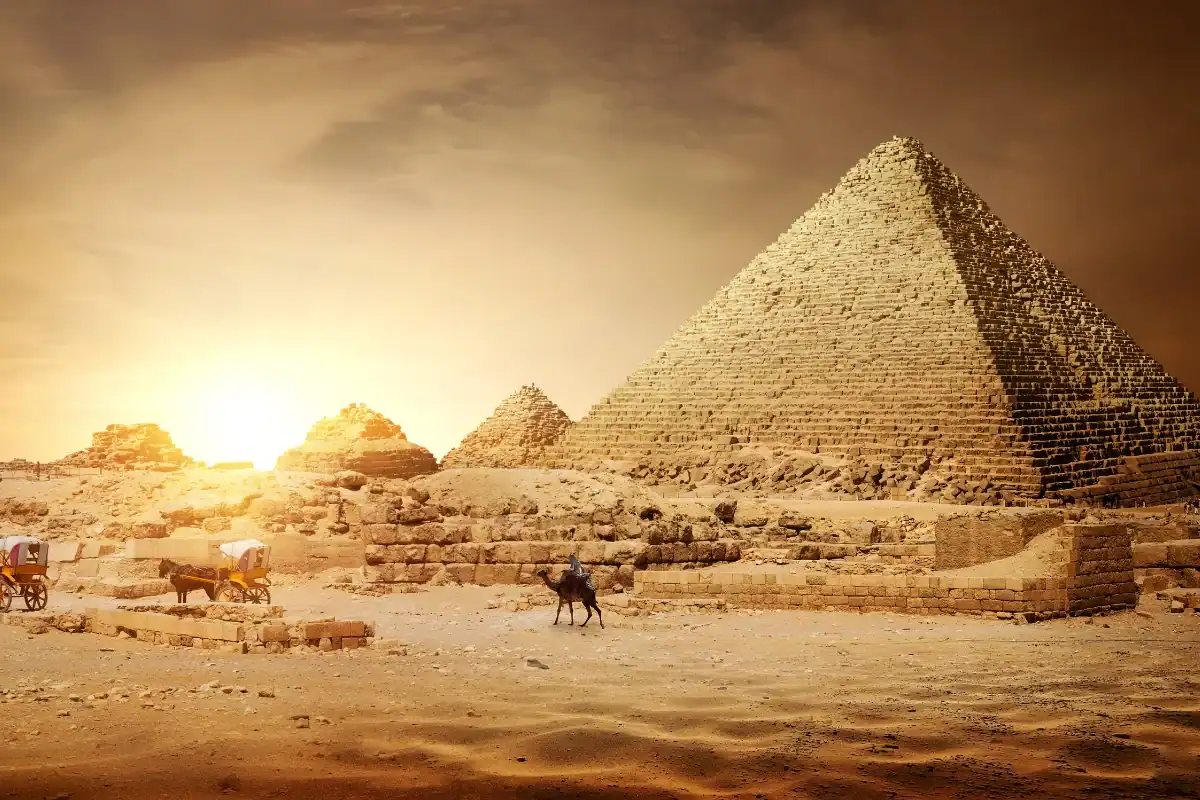
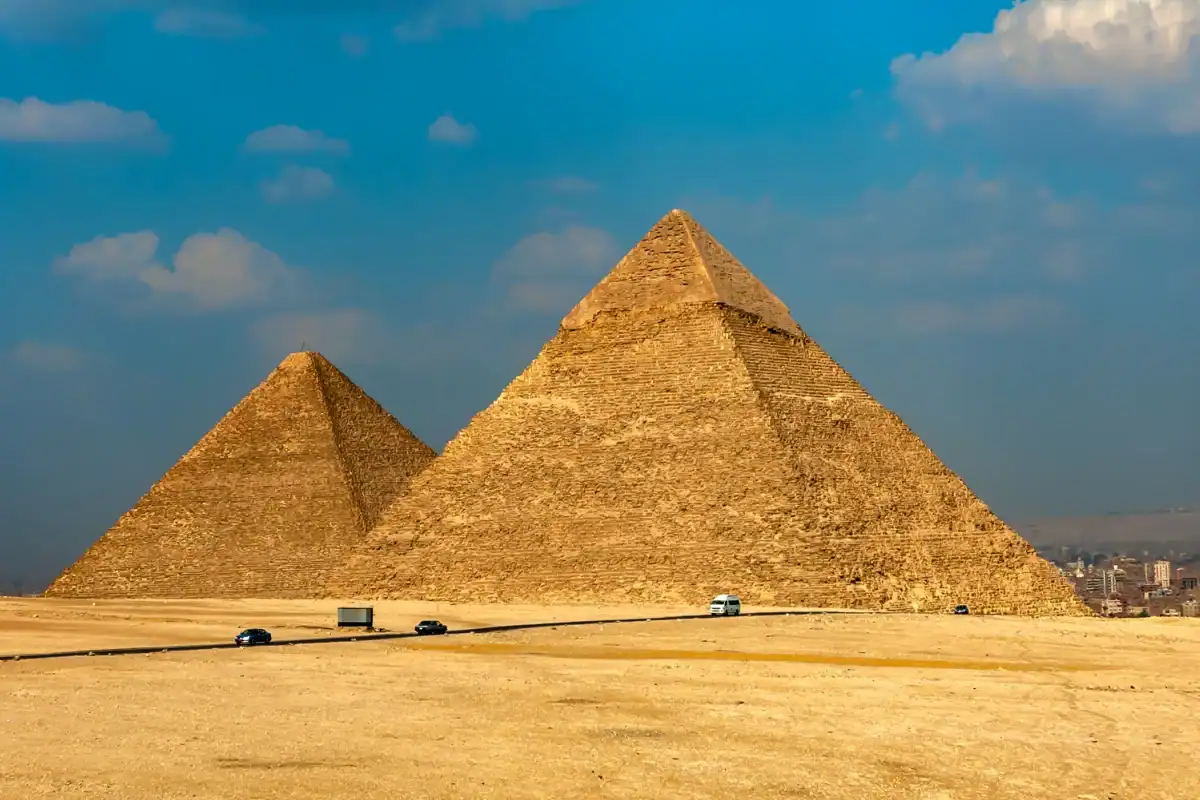
Cairo is the logical starting point for most international arrivals. April weather is generally manageable for the Giza Plateau if you start early, take breaks, and do not try to see every site in one rushed morning. Pair the pyramids with indoor time at the Egyptian Museum or a slower afternoon in historic neighborhoods.
Allow enough time for the Great Sphinx, the pyramid complex, traffic between neighborhoods, and security or entry procedures. A common mistake is scheduling an ambitious evening activity immediately after a long Giza day. In April, leaving some unscheduled time to rest is usually a better choice.
Luxor and Aswan for temples, tombs, and Nile views
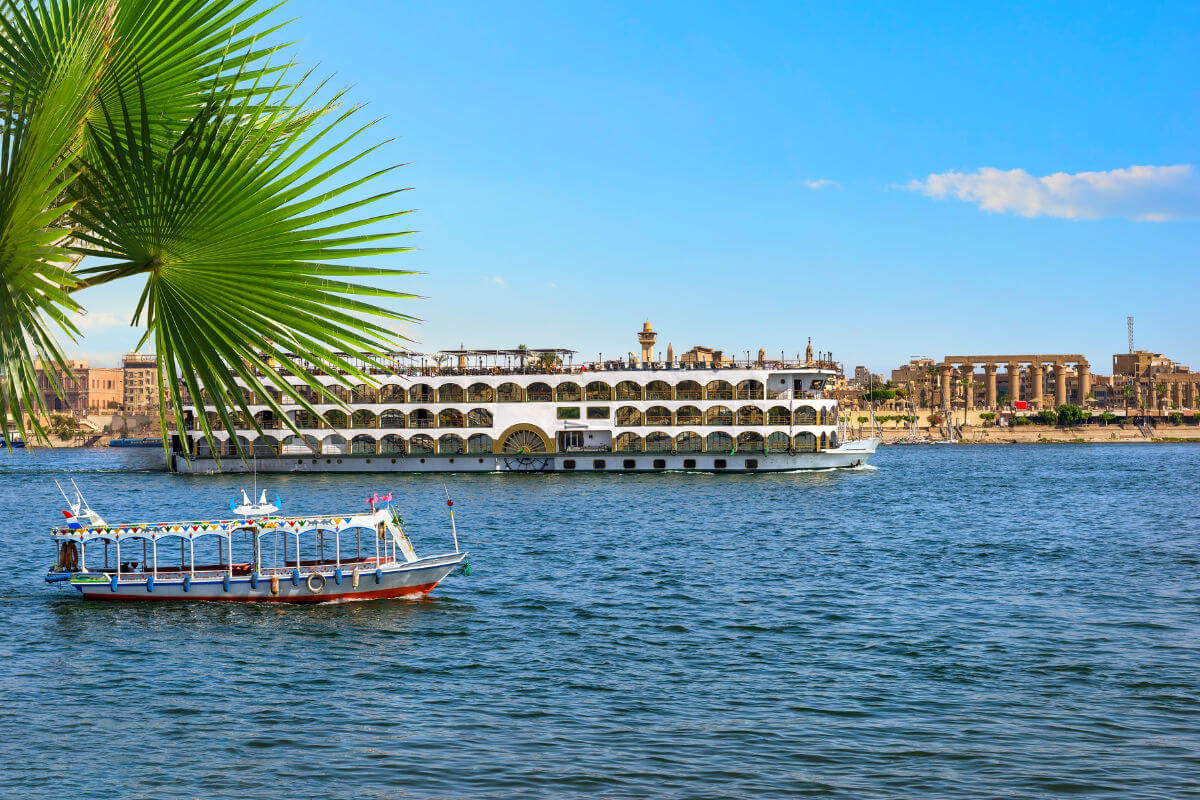
Upper Egypt is where April’s warmth requires more discipline. The Valley of the Kings, Karnak Temple, and Luxor Temple are easier to enjoy when your guide and transfer arrangements get you to the first major site early.
Aswan is often a welcome change of pace after Cairo and Luxor. A Nile itinerary can include the Temple of Philae, the Aswan High Dam, and river views, while a cruise route may also incorporate Edfu and Kom Ombo. Confirm the actual order of visits, flight timing, transfer arrangements, and whether sightseeing is shared or private before booking.
Alexandria for cooler coastal air
Alexandria is a sensible addition for travelers who prefer a Mediterranean feel and do not want every day to be centered on desert monuments. It works well as an overnight stop or a carefully paced extension from Cairo. It is less about swimming in April than the Red Sea, but the sea air can be a relief after inland sightseeing.
Red Sea destinations for beach time
Hurghada, Sharm El Sheikh, and Dahab are appealing in April for swimming, snorkeling, diving, and slower days after touring. They are best added when you have enough time to enjoy them rather than treating a beach destination as a quick overnight between major historic stops. Water conditions, boat schedules, and diving suitability vary, so confirm those details directly with the selected local provider.
How to Build an April Egypt Itinerary Without Wasting Time
Egypt rewards route discipline. Cairo, Luxor, Aswan, Alexandria, and Red Sea resorts are not interchangeable stops, and trying to fit all of them into a short trip can produce more airport time than sightseeing.
- Four to five days: Focus on Cairo and Luxor, or choose Cairo and Alexandria if you prefer a less intensive pace.
- Six to eight days: Cairo, Luxor, and Aswan become realistic, with a Nile cruise or a sequence of domestic connections depending on your preferences. The 7-day Egypt tour is a ready-made example of this route, combining Cairo with a three-night Aswan-to-Luxor cruise.
- Nine days or more: Add a Red Sea stay, Alexandria, Abu Simbel, or extra time in Cairo without turning every day into a transfer day.
A shorter itinerary can still cover major highlights. The 4-Day Egypt Tour: Cairo & Luxor is a practical example of the classic first-time route, while a Cairo-only stay may suit travelers who want more time for museums, markets, and Giza. Starting prices are useful for comparing trip structures, but they can change, and inclusions should always be checked on the booking page before confirming.
If you are comparing a cruise with a land-based plan, review what is usually included and extra in a Cairo and Nile cruise trip. The most important questions are not just price: ask about domestic flights, entry fees, meals, transfers, cabin category, sightseeing schedule, and how much independent time you will have.
What to Pack for Egypt in April
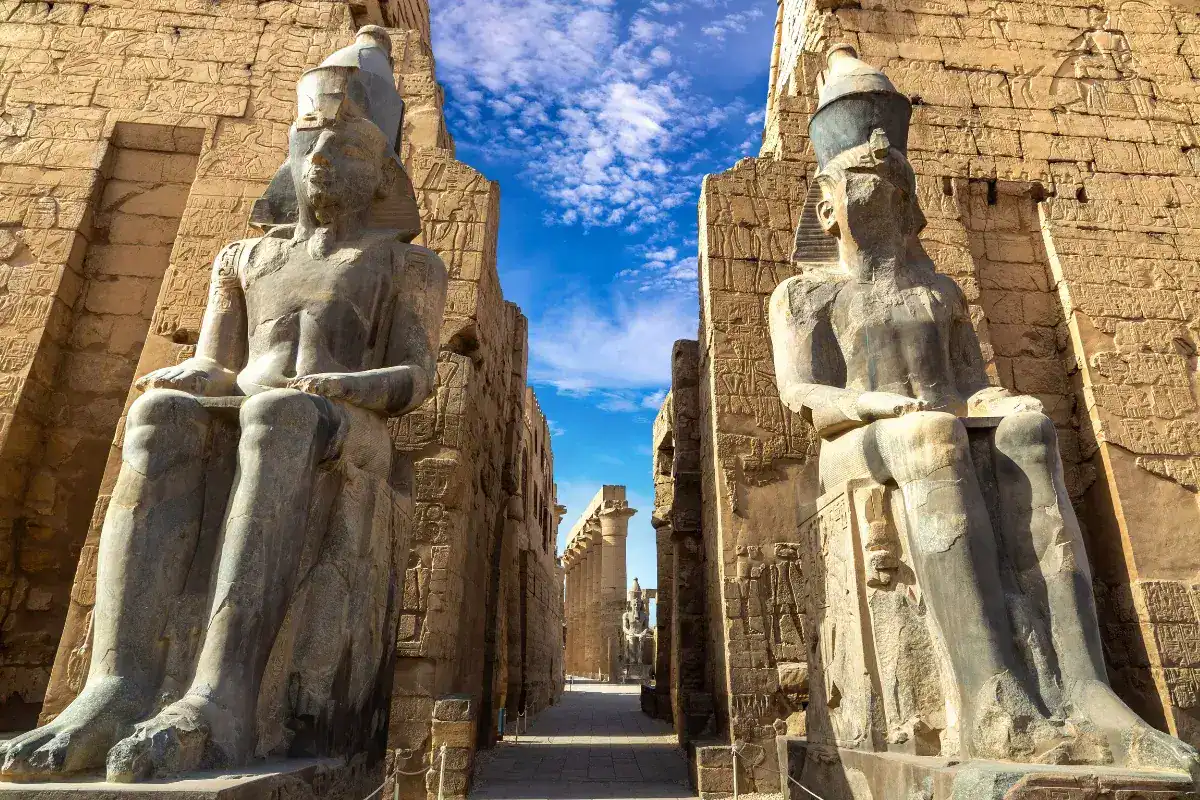
April packing should be built around sun exposure, dust, long walking days, and cultural comfort—not just the average temperature.
- Breathable shirts, lightweight pants, or long skirts for daytime touring.
- A light cardigan, overshirt, or jacket for evening breezes and strong air conditioning.
- Comfortable closed-toe walking shoes with grip for uneven stone, steps, and dusty paths.
- A hat, sunglasses, high-SPF sunscreen, and lip balm.
- A reusable water bottle and any preferred electrolyte supplies for longer outdoor days.
- A scarf or shawl for mosque visits, sun protection, and occasional dusty conditions.
- Swimwear and a light cover-up if your trip includes the Red Sea or a cruise pool.
Modest clothing is a respectful and practical choice, especially in mosques, older neighborhoods, and smaller towns. There is no need to overhaul your entire wardrobe, but avoid relying only on very short, sheer, or beachwear-style clothing for a city sightseeing itinerary.
April Holidays, Crowds, and Booking Timing
Easter dates vary from year to year, and Egypt’s Coptic Easter and Sham El-Nessim can bring domestic travel, family gatherings, and increased demand for certain services. Sham El-Nessim is observed on the Monday after Coptic Easter and is associated with outdoor picnics, parks, and traditional seasonal foods.
These holidays can add local color, but they also require realistic expectations. Parks, waterfront areas, and popular domestic destinations may be busier. Restaurants and attractions can have altered rhythms, and travel days should not be scheduled too tightly. If your dates overlap with a holiday period, arrange key flights, cruise space, and major transfers earlier than you would for a flexible autumn trip.
Travelers who are deciding when to visit can also compare April with other seasons in Egypt tour planning advice for American travelers.
Should You Choose a Nile Cruise, a City-Based Tour, or a Red Sea Extension?
Choose a Nile cruise if you want temple sightseeing organized around a single moving base and prefer not to change hotels repeatedly. April’s warm, mostly dry weather makes time on deck pleasant, but temple visits still need early departures. Verify the exact cruise direction, cabin type, meals, guided visits, and whether domestic flights are included.
Choose a city-based Cairo and Luxor itinerary if you have limited time and want the headline sites without committing several days to a cruise schedule. This is often the most efficient fit for a first visit of four to six days. Confirm flight times and hotel locations so arrival and departure days are not overloaded.
Add a Red Sea extension if rest, swimming, diving, or snorkeling is as important as ancient history. It is a better fit for travelers with at least a week, since inserting a beach stop into a very short Cairo–Luxor route can make the trip feel rushed.
Before booking: compare total trip cost rather than a headline starting price. Check what is included for accommodation, transfers, domestic transportation, guiding, entrance fees, meals, and optional activities. Ask how much free time is built in, particularly on hot April afternoons.
Choose your next step
Recommended Egypt tours
These verified options are the closest available matches for this article’s destination, route intent, and trip length.
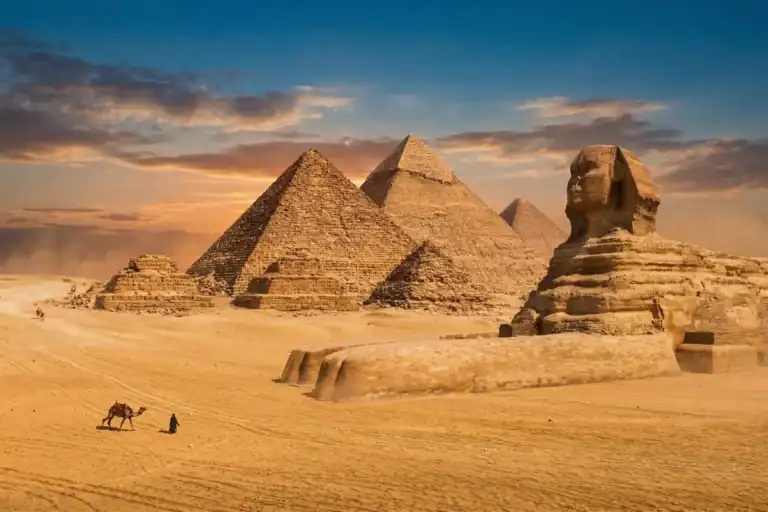
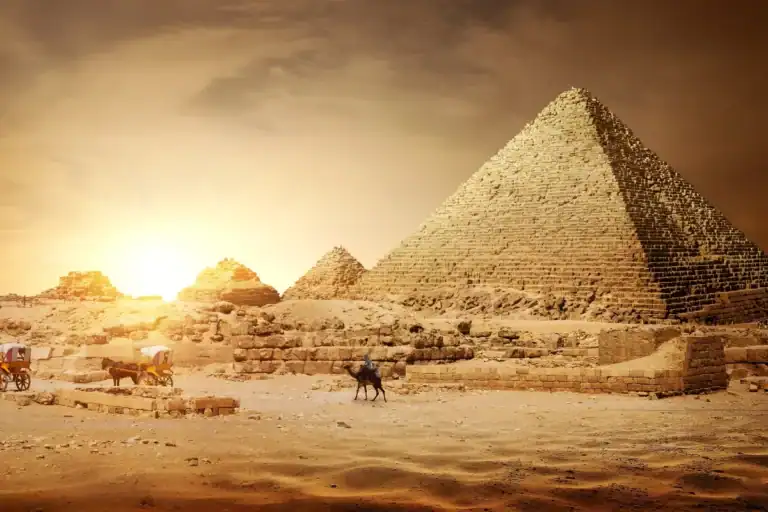
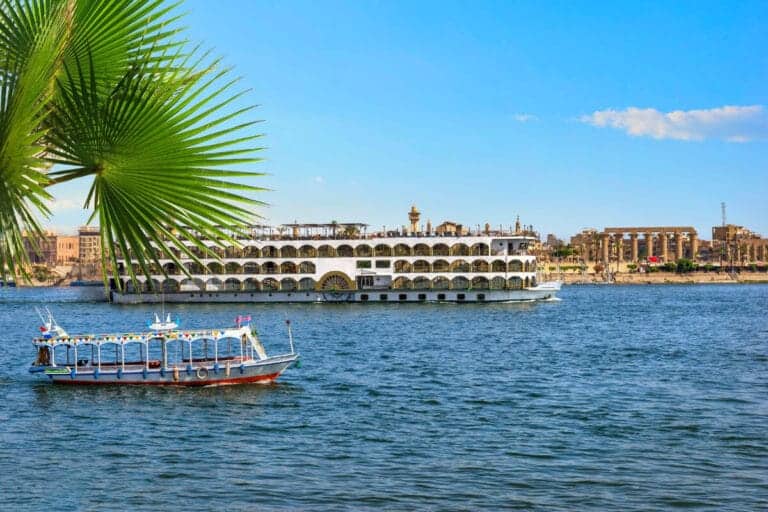
4-Day Nile Cruise from Cairo by Air: Aswan to Luxor
A 4 days Cultural & Heritage Tour route covering Egypt.
View tour details →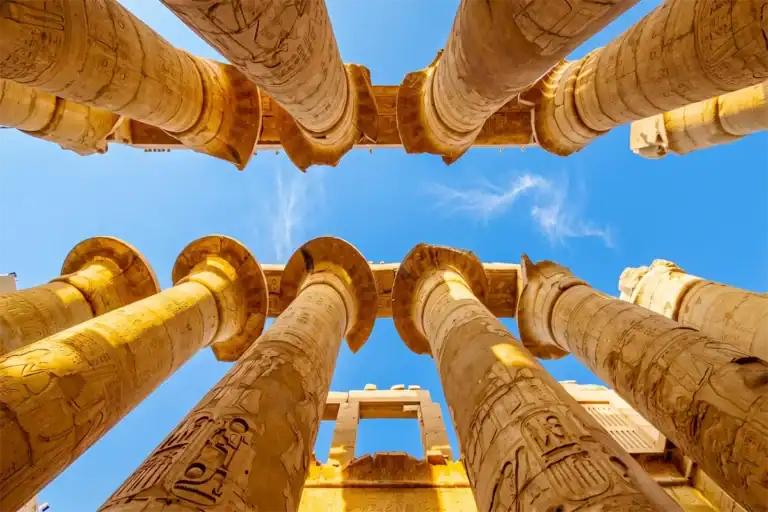
2-Day Luxor Tour from Cairo (Flights Included)
A 2 days Cultural & Heritage Tour route covering Egypt.
View tour details →Common Questions About Egypt in April
Is Egypt too hot in April?
Usually not for most travelers, but Luxor and Aswan can be hot by early afternoon. Cairo is generally more comfortable for full-day sightseeing. Start early, drink water regularly, and avoid scheduling demanding outdoor visits in the hottest part of the day.
Can you swim in Egypt in April?
Yes, especially at Red Sea destinations such as Hurghada, Sharm El Sheikh, and Dahab. Conditions are generally favorable for beach time and water activities, though sea temperatures and wind can vary by location and day.
Does it rain in Egypt in April?
Rain is uncommon in most of Egypt during April. The more relevant weather consideration is occasional dust or khamsin winds, which can affect visibility and outdoor comfort for short periods.
What should women wear in Egypt in April?
Lightweight, breathable clothing that covers shoulders and knees is a comfortable option for sightseeing and useful for religious sites. A scarf or shawl is convenient for mosque visits, sun protection, and cool indoor spaces.
Plan an Egypt Trip That Fits April’s Strengths
April is a strong choice for Egypt when the route is realistic: Cairo and Giza for major landmarks, Luxor and Aswan for ancient temples, and the Red Sea only if you have enough time to enjoy it. Prioritize morning sightseeing, leave room for weather and transfer changes, and do not underestimate the value of a slower afternoon in Upper Egypt.
For help matching your dates, preferred pace, and must-see places with a practical route, plan your Egypt trip with One Nation Travel.