
 3 Days
Travel Guide · FAQ
Frequently Asked Questions About Cappadocia
Plan Cappadocia around its valleys, rock-cut sites and the time available between transfers. These answers explain optional balloon flights, airport choices, cave-hotel checks and the differences between commonly advertised tour routes.
21 questions answered
Updated September 2026
Prepared by travel specialists
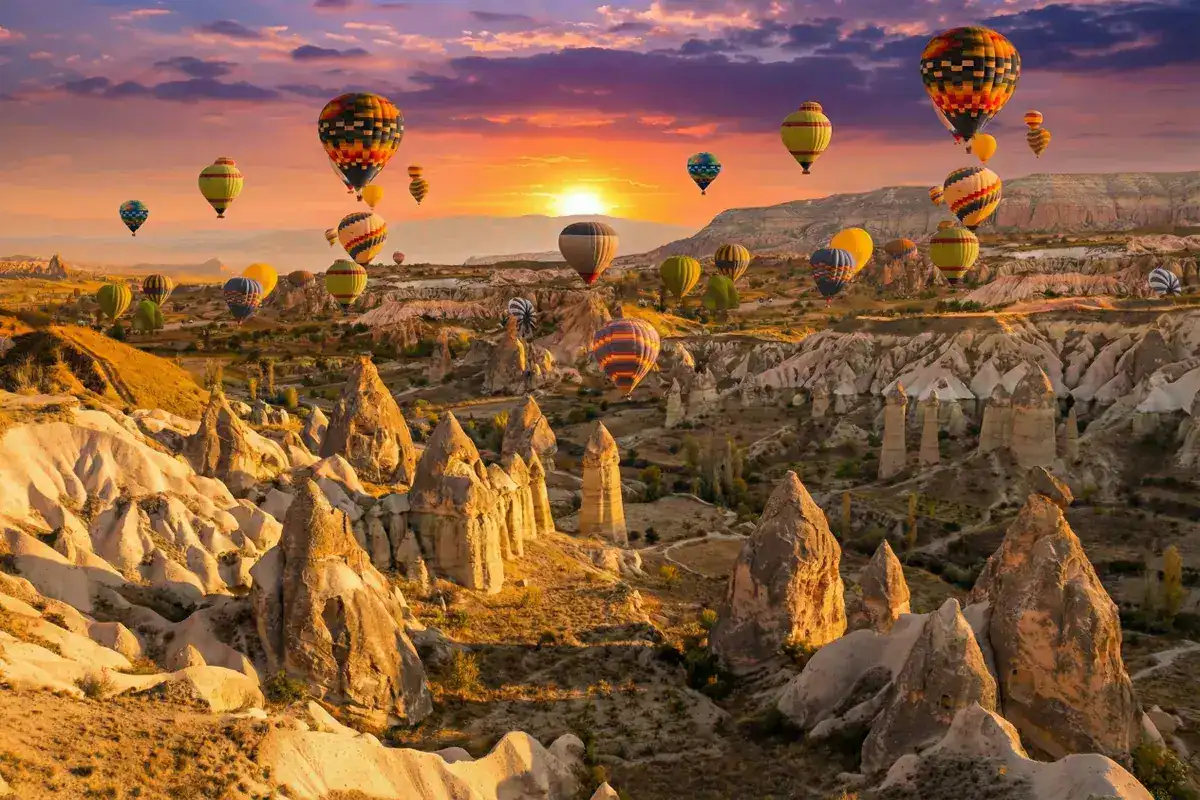
Spring and autumn are useful choices for walking and sightseeing. Summer afternoons can be hot, while winter brings cold weather and possible snow. Balloon operations depend on the conditions and aviation decisions on the day, in every season. See our Cappadocia seasonal guide to compare dates.
Two or three days gives you time for a selection of valleys, museums and an underground city without filling every hour. A balloon flight is optional and weather-dependent, so leave more than one possible morning if it is a priority. Arrival and departure transfers should be counted separately from full sightseeing days.
Cappadocia suits travellers interested in unusual rock formations, rock-cut churches, underground settlements and walking landscapes. You can enjoy it without a balloon flight. Choose the length of stay around the activities you can comfortably do rather than assuming every visitor needs the same tour or a strenuous hike.
Check current official travel advice and follow site and activity-provider instructions. Valley paths can be uneven, remote or slippery, and some rock-cut sites have narrow stairs. Choose routes suited to your ability and avoid entering abandoned structures or closed areas. Motorised excursions and ballooning also have their own participation requirements.
Balloon prices vary by date, operating area, flight product, capacity and provider. Request a current quote stating the currency, transfer arrangements, flight details and written terms. A low advertised starting price is not a confirmed place on your chosen morning. Check whether your selected Turkey tour lists ballooning as an optional extra or an included service.
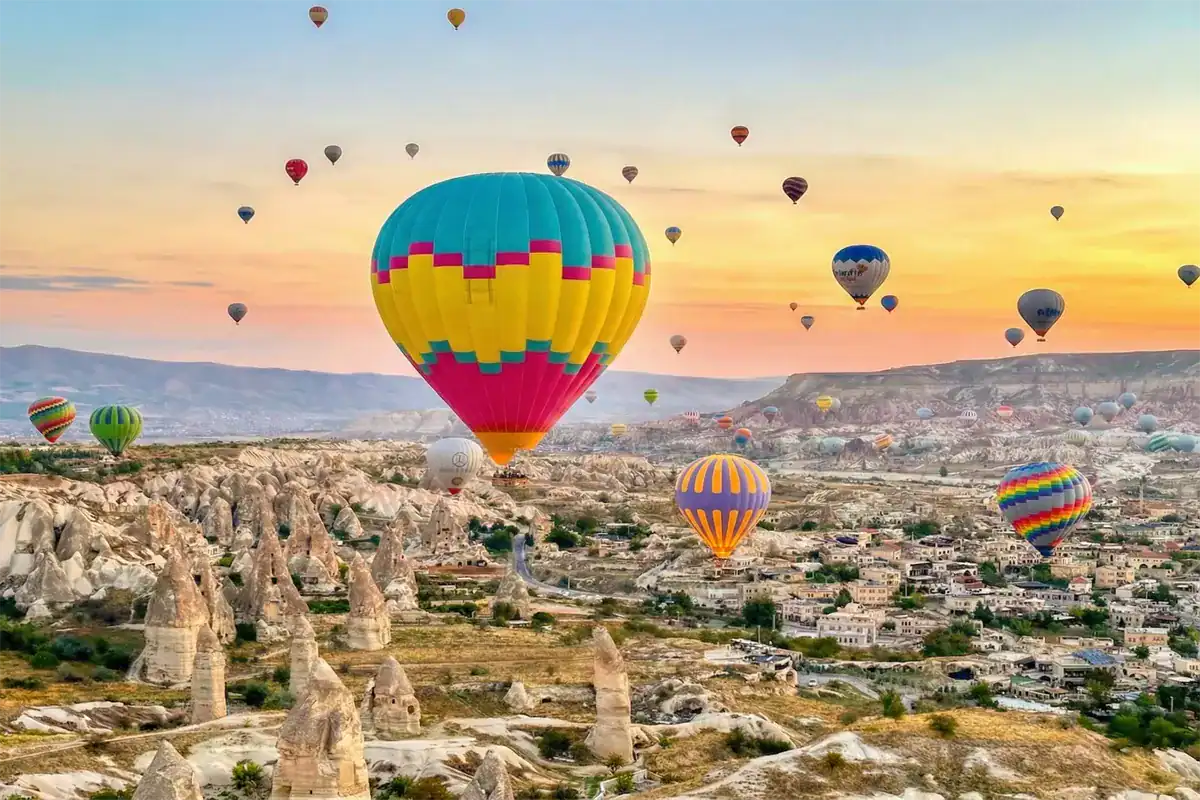
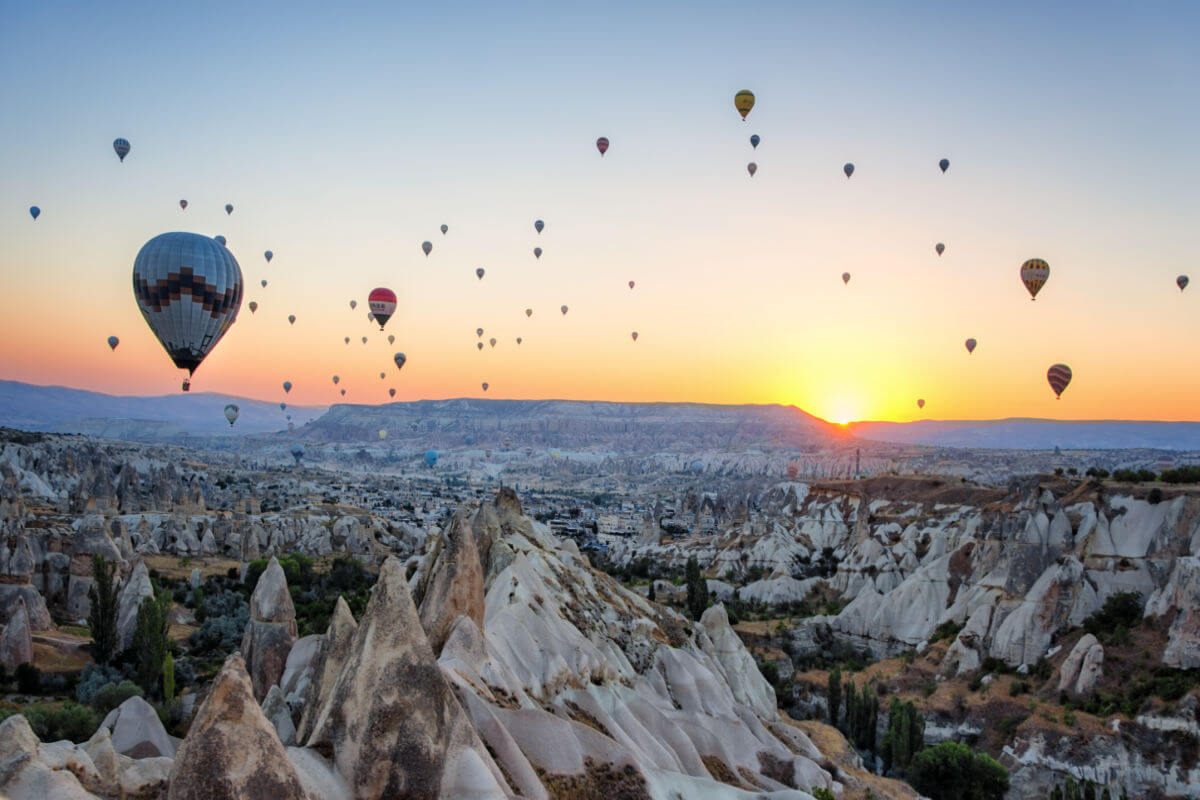
Early morning often offers suitable operating conditions, but the actual flight window and pickup time depend on the season and approved operation. Wait for the provider’s confirmed instructions rather than assuming a fixed 4:30 AM pickup. A sunrise booking is still subject to weather and the aviation authority’s operating decision.
The provider may be unable to operate when conditions or aviation decisions do not permit flying. Any alternative date, credit or refund follows the written terms of that balloon booking and available capacity. Another morning is not guaranteed. Keep sightseeing plans flexible and distinguish the balloon service from the rest of your tour.
Use a licensed operator, follow the briefing and confirm the participation requirements before booking. Discuss medical, pregnancy or mobility concerns with the operator and an appropriate clinician when relevant. You need to follow boarding and landing instructions; a sold ticket is not a guarantee that a flight will operate or that it suits every traveller.
Advance planning is useful when a particular date or flight product matters to you. Ask for the operating area, pickup arrangements and written conditions before paying. Weather disruptions can affect later availability, so neither an early reservation nor a longer stay guarantees a flight.
Flights to Nevşehir (NAV) or Kayseri (ASR), followed by a road transfer, are common options from Istanbul. Overnight coaches are another choice. Check your actual airport, timetable, baggage conditions and hotel-transfer arrangement. Compare the listed transport on the selected itinerary rather than assuming every Cappadocia package includes flights.
Compare the actual flight times and onward transfer for Nevşehir (NAV) and Kayseri (ASR). Nevşehir is often the shorter road transfer to central Cappadocia villages, but your hotel location and available flights matter. Confirm pickup arrangements for the airport on your ticket; a shared shuttle usually needs a reservation.
A car is optional. A central village base, prearranged airport transfers and selected excursions can work well, while independent drivers gain flexibility between scattered sights. Do not assume the main villages or underground cities are all walkable from your hotel. Check parking, road conditions and the transport included in each excursion.
Göreme is a convenient base for many first visits, Uçhisar offers hillside settings and views, and Ürgüp has a wider town atmosphere and varied hotels. Check the individual property rather than relying on village labels. Steps, vehicle access, restaurant distance and tour pickup arrangements can be more important than a promised balloon view.
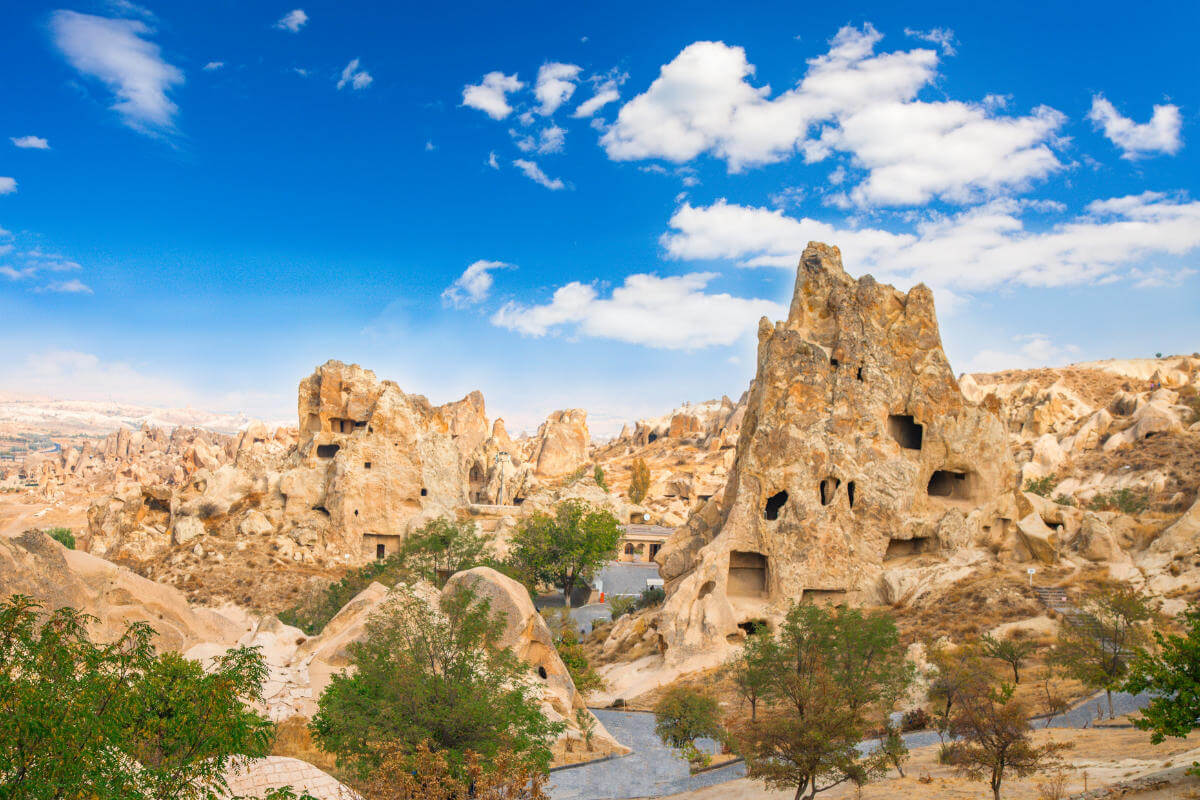
Cave hotels vary: some rooms are rock-cut, some are stone-built and others combine both. Ask about windows, ventilation, heating, cooling, dampness, stairs and bathroom access for the exact room type. A terrace does not guarantee balloons will fly overhead, and a cave room is not automatically suitable for every guest’s accessibility needs.
Popular choices include Göreme Open-Air Museum, Uçhisar, the valleys, Paşabağ, Avanos and an underground city such as Kaymaklı or Derinkuyu. Select a manageable mix of walking, history and viewpoints. Current opening arrangements and the actual itinerary determine which sites you can visit in one day.
Red and Green are common route labels, not standardised itineraries. Red tours usually focus on central or northern sights; Green tours often include an underground city and a longer southern route, sometimes Ihlara. Compare the exact stops, walking distance, driving time, admission inclusions and shopping stops on the tour you are considering.
Kaymaklı and Derinkuyu are underground complexes with tunnels, chambers and ventilation features. Visitors follow designated open sections rather than exploring every level. Narrow passages, low ceilings and stairs can be unsuitable for some people with mobility limitations or claustrophobia. Discuss these constraints in advance and choose an alternative surface visit if needed.
Consider a valley walk on an authorised route, Avanos pottery, rock-cut churches, viewpoints or a slower village visit. Choose any horse-riding or ATV excursion only after checking the provider, route and participation requirements. Watching balloons from a permitted viewpoint is also weather-dependent, so keep other sightseeing options in your plan.
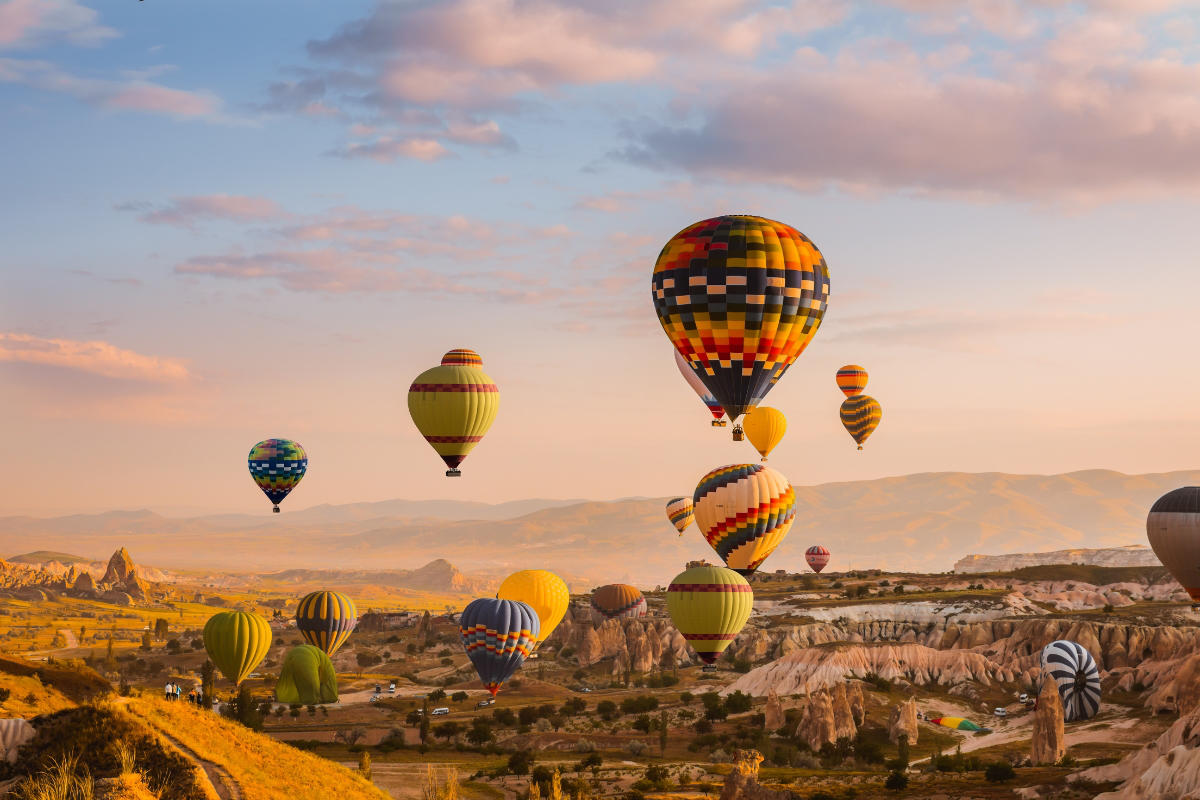
No. Read the inclusions for the exact itinerary and date. A tour description or photograph showing balloons does not establish that a flight is included. Confirm any optional booking separately, including its currency, provider, transfer arrangements and written terms.
Ask the selected provider about age, height and participation requirements before booking a balloon flight. For underground cities, consider narrow passages, stairs and whether the child is comfortable in enclosed spaces. Rules and suitability differ by activity; a family-friendly tour label does not override the requirements of a separate service.
Some viewpoints and shorter visits can be planned with vehicle access, but many cave hotels, valleys and rock-cut sites involve steps or uneven ground. Confirm the specific room, vehicle and sightseeing route before booking. A private tour can change the pace, but it cannot make every underground passage or trail accessible.

Still have questions about Cappadocia?
Ask a booking question through the published contact channels. Replies follow the stated business hours; tour availability, providers, price and inclusions are confirmed in writing.