Menu
Travel Guide · FAQ

Frequently Asked Questions About Gallipoli

The Gallipoli Peninsula is where the 1915 campaign played out, and today it's a quiet national park of cemeteries, trenches and memorials. Here's what our guests ask us most before they go.

18 questions answered Updated June 2026 By licensed local experts
The best months to visit Gallipoli are April to June and September to October, when daytime temperatures sit around 18-26°C and the battlefield sites are comfortable to walk. July and August push past 30°C with little shade, while winter brings wind and rain off the Aegean. If you want the Anzac Day dawn service, plan for April 25 — but book months ahead, because Eceabat and Çanakkale fill up fast. In our experience, late September is the sweet spot: warm sea, soft light and almost no crowds at Lone Pine.
One full day is enough to see the main Anzac sector sites — Anzac Cove, Lone Pine, the Nek and Chunuk Bair — but two days lets you add Cape Helles, the Turkish memorials and nearby Troy without rushing. Most of our guests pair the two on our private 2-day Gallipoli and Troy tour from Istanbul, staying overnight in Çanakkale. A guided day on the battlefields typically runs 5-6 hours of touring, so you'll cover a lot even on a tight schedule.
Gallipoli is about 310 km southwest of Istanbul, roughly a 4.5 to 5-hour drive via the O-6 motorway and the 1915 Çanakkale Bridge, or 5-6 hours by intercity bus to Eceabat or Çanakkale. There's no airport on the peninsula itself, so road is the practical option. Day trips from Istanbul exist but mean 14-16 hours door to door, which is why we usually suggest an overnight in Çanakkale. Buses run hourly from Istanbul's Esenler otogar, costing about 500-700 TL one way.
Yes, Gallipoli is very safe — the peninsula is a protected national historic park with low crime, well-marked roads and a steady flow of Turkish school groups and Australian, New Zealand and British visitors year-round. The main hazards are practical ones: summer heat, uneven ground in the old trench lines, and ticks if you wander into long grass. Stick to the marked paths, carry water, and you'll have no trouble. Çanakkale, the base town across the strait, is a relaxed university city that's easy to walk at night.
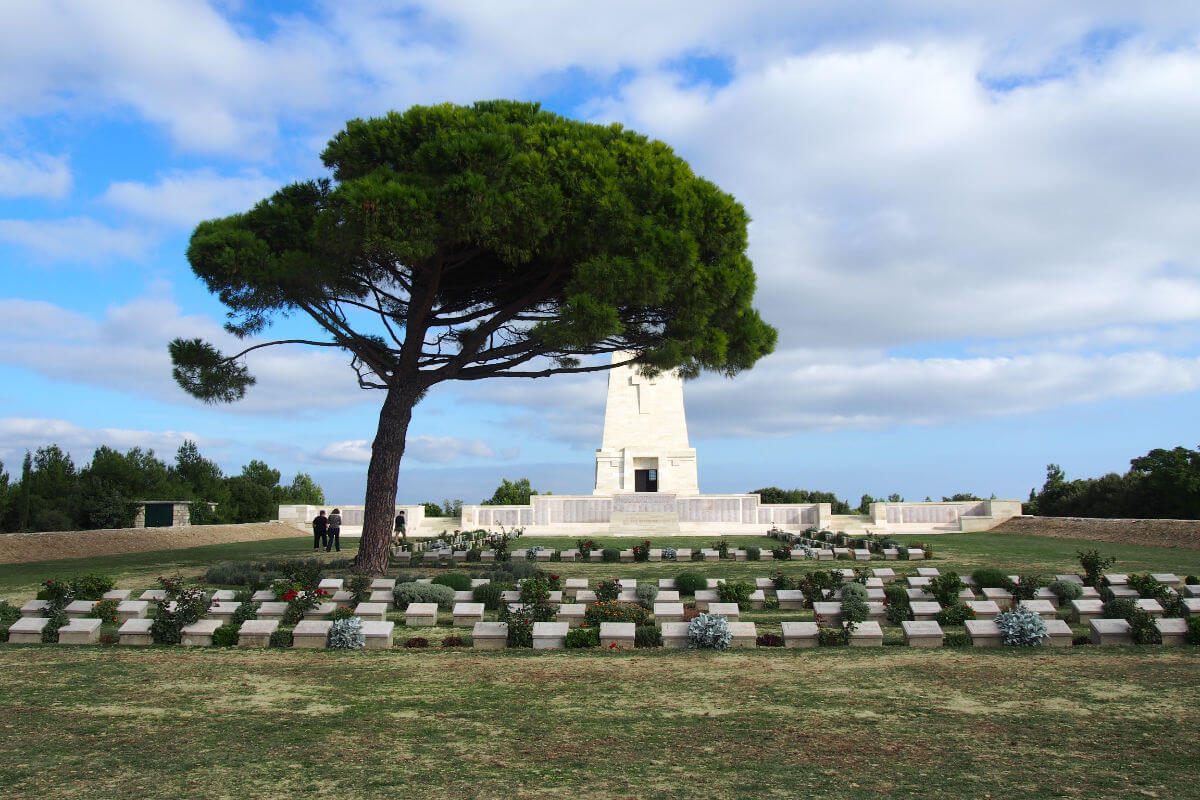
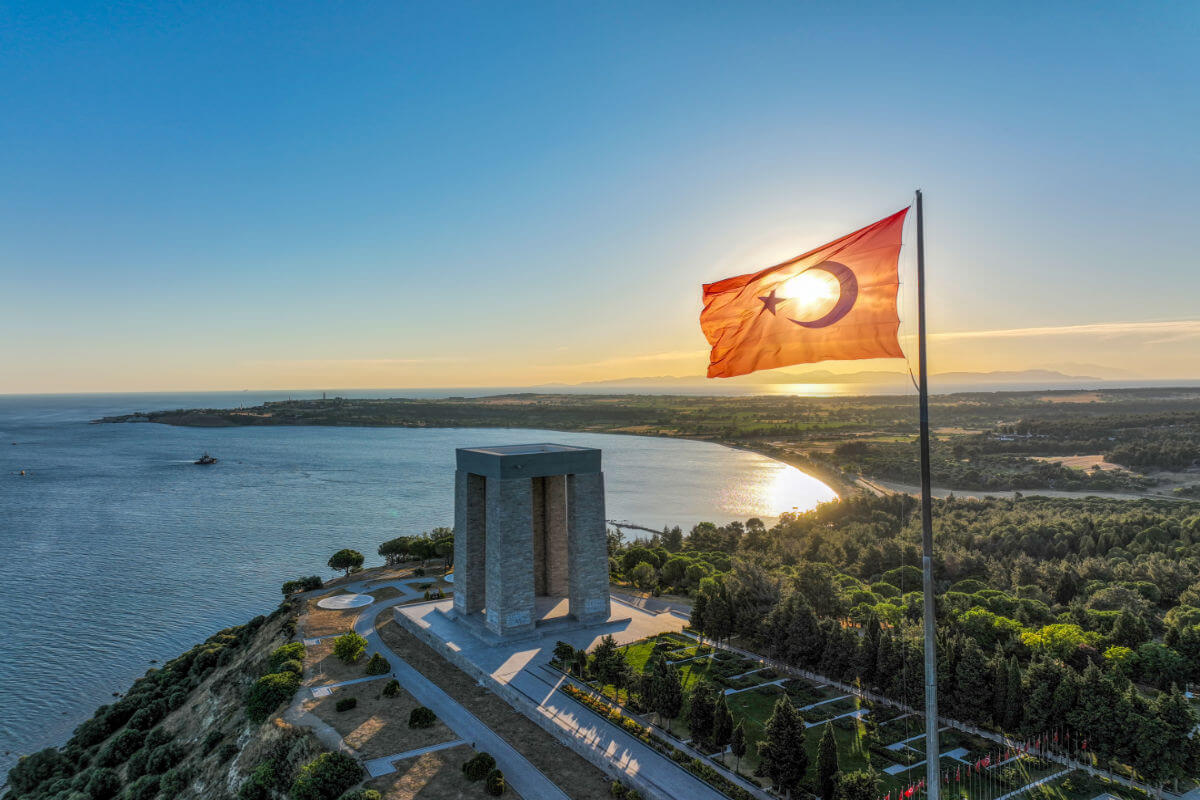
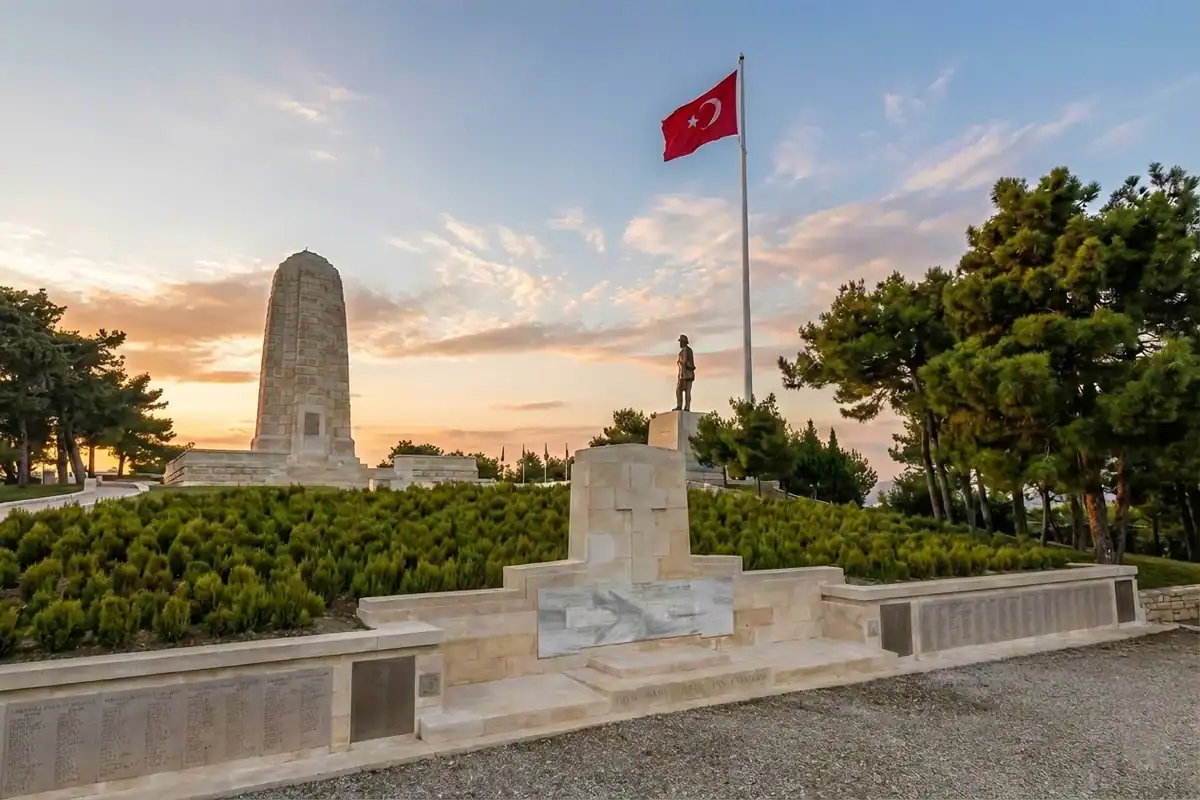
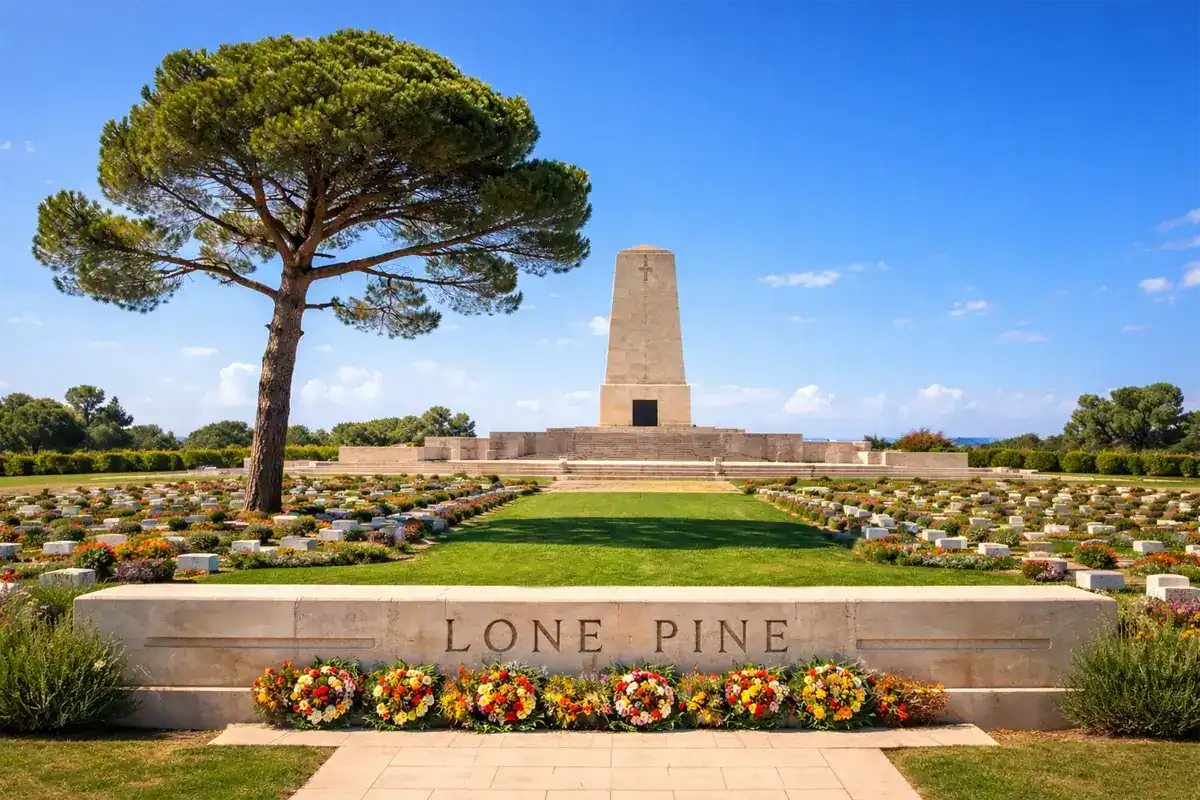
The essential stops are Anzac Cove, Lone Pine Cemetery, the Nek, Chunuk Bair (with the New Zealand memorial and Atatürk statue), the Turkish 57th Regiment Memorial and the Kabatepe Simulation Museum — all doable in one well-planned day. Down at Cape Helles, the Çanakkale Martyrs' Memorial and V Beach add the Turkish and British perspective, though they need an extra half day. We'd say don't skip Chunuk Bair; the view across the whole peninsula explains the campaign better than any book.
A guided full-day Gallipoli battlefield tour costs about $60-90 per person from Çanakkale or Eceabat, while private tours from Istanbul with transport, guide and lunch typically run $180-350 per person depending on group size. Entry to the battlefields, cemeteries and memorials themselves is free; only the Kabatepe museum charges a small fee. You can compare options on our Gallipoli tours page. Going independently by bus and ferry is cheaper, but the sites are spread over 30+ km, so a guide and vehicle save real time.
Most visitors stay in Çanakkale, a lively town just across the Dardanelles with the widest choice of hotels (roughly $40-100 a night), waterfront restaurants and the ferry to Eceabat every 30-60 minutes. Eceabat, on the peninsula side, is smaller but puts you 10 minutes from the Anzac sector — handy for an early start. There's almost no accommodation inside the national park itself. We book most guests into Çanakkale because the evening kordon (waterfront promenade) is genuinely pleasant after a heavy day on the battlefields.
Yes — Troy sits only about 30 minutes south of Çanakkale, so combining the Anzac battlefields in the morning with Troy in the afternoon is a standard and realistic full-day plan. Our full-day Troy and Gallipoli tour from Çanakkale does exactly this, including the ferry crossing. Expect around 8-9 hours total. It's a long day, but the two sites tell very different stories — a 1915 battlefield and a 4,000-year-old city — and they sit oddly well together.
On April 25 each year, the Anzac Day Dawn Service is held at the Anzac Commemorative Site near North Beach at around 5:30 AM, followed by the Australian service at Lone Pine and the New Zealand service at Chunuk Bair later that morning. Attendance is free but you must register through the Australian or New Zealand government websites, and security screening means arriving the evening before. Roads close to private cars, so visitors come on accredited coaches. If crowds aren't your thing, visit a week earlier — the sites are silent and the spring flowers are out.
Bring sturdy walking shoes, a hat, sunscreen, at least 1.5 litres of water per person and some cash in Turkish lira, because shops and cafés inside the park are scarce — basically a couple of kiosks near Kabatepe. The ground at Lone Pine, the Nek and the trench lines is uneven, and there's little shade between May and September. Dress respectfully at the cemeteries and memorials. A light jacket helps even in summer; the wind off the Aegean at Chunuk Bair catches people out.
Yes, the Gallipoli peninsula is an open national park with free public roads, so you can drive yourself between Anzac Cove, Lone Pine, and Chunuk Bair, and most sites have small car parks. The catch is that the battlefields don't explain themselves — without a guide you're looking at quiet pine hills and headstones with no story attached. Most of our guests who tried both say the guided version made far more sense. If you do go independently, rent a car in Çanakkale or Eceabat and pick up a battlefield map at the Kabatepe centre first.
No — entry to the Gallipoli Historical National Park, all the cemeteries, and the major memorials including Lone Pine, Anzac Cove, and Chunuk Bair is completely free, and there's no parking charge at the main sites. The only paid attraction is the Çanakkale Epic Promotion Centre near Kabatepe, a simulation museum that costs a few USD and takes about 45 minutes. Your real costs are transport, a guide, and lunch, which is why most visitors simply book a tour that bundles all three.
Search the Commonwealth War Graves Commission database at cwgc.org with the soldier's name and regiment — it gives you the exact cemetery, plot, and row across the 31 CWGC cemeteries on the peninsula, and Turkish memorial records cover Ottoman soldiers. Bring a printout, because some cemeteries like Embarkation Pier or Hill 60 are off the standard route. Our private Gallipoli day tour can adjust the itinerary to include a specific cemetery — just send us the details when you book.
It's worth it if Gallipoli is the reason you came to Turkey, but be ready for a long day: the drive is about 4.5-5 hours each way, so you'll leave Istanbul around 6 AM and return near 9-10 PM, with roughly 4 hours on the battlefields. For many Australians and New Zealanders that trade-off is an easy yes. Our Gallipoli day trip from Istanbul handles the logistics, though if your schedule allows, an overnight in Çanakkale makes the whole thing far more relaxed.
Swimming at Anzac Cove isn't forbidden, but the cove is treated as a memorial site and most visitors stay out of the water there out of respect — the nearby beaches at Kabatepe, about 10 minutes south, are a better choice with cleaner sand and easier access. The water is warm enough for swimming from June through September. A handful of guests do take a quick dip after Anzac Day, which has become something of a tradition, but on a regular visit we'd point you to Kabatepe instead.
Mostly yes — the main sites including Anzac Cove, Lone Pine, and Chunuk Bair sit beside sealed roads with parking close to the memorials, so you can see the essentials with under 100 meters of walking at each stop. The original trenches at Johnston's Jolly and some smaller cemeteries involve uneven ground, gravel paths, and a few steps. Tell us about any mobility needs when booking and we'll plan the stops accordingly; a private vehicle helps a lot since it parks right at each site.
Yes — anyone attending the April 25 dawn service at Anzac Cove needs a free attendance pass, issued through the Australian Department of Veterans' Affairs, and registration usually opens several months before. You'll pass airport-style security, and most attendees arrive the evening of April 24 to camp out overnight at the commemorative site, since roads close before dawn. Book your tour and pass early; for 2026 we'd sort both by January, because Çanakkale and Eceabat accommodation sells out fast.
There are no restaurants on the battlefields themselves, so plan around Eceabat, 15-20 minutes from the main sites, where the waterfront places serve grilled fish, köfte, and mezes for about $8-15 per person; Çanakkale across the strait has a wider choice along the kordon promenade. Day tours normally include a set lunch in Eceabat, which solves the timing problem neatly. If you're touring independently, eat before heading up to the memorials — once you're on the peninsula it's just a couple of seasonal kiosks near Kabatepe.

Still have questions about Gallipoli?

Our travel experts have planned thousands of Gallipoli trips. Ask us anything — we reply within 2–4 hours.