Menu
Travel Guide · FAQ

Frequently Asked Questions About Istanbul

Istanbul is big, layered, and easier to enjoy when you know the basics: when to go, where to stay, how to move around, and what really deserves your time.

18 questions answered Updated June 2026 By licensed local experts
The best time to visit Istanbul is April to early June and September to October, when daytime temperatures usually sit around 16–25°C, rain is moderate, and big sights like Hagia Sophia, Topkapı Palace, and the Blue Mosque are easier to enjoy than in peak summer. July and August can reach 30°C or more, with cruise crowds and higher hotel prices. Winter is cheaper and atmospheric, but expect chilly 5–10°C days and occasional rain.
You need 3 full days in Istanbul to see the main historic sights, take a Bosphorus cruise, visit the Grand Bazaar, and spend time in neighborhoods like Galata, Karaköy, Kadıköy, or Balat without rushing. Two days works for a quick first visit, but it’ll be tight. With 4 or 5 days, you can add the Asian side, a Turkish bath, food stops, and museums at a calmer pace.
Istanbul is generally safe for tourists in the main visitor areas, including Sultanahmet, Galata, Karaköy, Taksim, Beşiktaş, and Kadıköy, but normal big-city caution is needed around crowds, taxis, nightlife streets, and busy transport hubs. Pickpocketing can happen near the Grand Bazaar, Istiklal Street, and tram stops. We recommend using official taxis or ride apps, checking menus before ordering, and keeping your passport locked at the hotel.
A comfortable Istanbul trip in 2026 usually costs US$90–180 per person per day, not including international flights, with budget travelers spending less and boutique-hotel travelers often spending US$220 or more. Expect simple meals from US$8–15, mid-range dinners from US$20–40, and museum or palace tickets often in the US$25–50 range. Hotel rates vary a lot by season, especially in May, June, September, and October.
For first-time visitors, Sultanahmet is best for historic sights, while Galata, Karaköy, and Sirkeci are better if you want restaurants, ferries, nightlife access, and easier movement around the city. Sultanahmet puts you within walking distance of Hagia Sophia, the Blue Mosque, Topkapı Palace, and the Basilica Cistern. If you’re staying 3 nights or more, we often prefer Galata or Karaköy because evenings feel livelier.
The top things to see in Istanbul are Hagia Sophia, the Blue Mosque, Topkapı Palace, Basilica Cistern, Grand Bazaar, Spice Bazaar, Galata Tower, Dolmabahçe Palace, and the Bosphorus, with Kadıköy or Üsküdar adding a good taste of the Asian side. Most travelers cover Sultanahmet in one long day, then use another day for the Bosphorus and newer districts. Our Best of Istanbul Private Guided Tour is built around the classic first-visit route.
From Istanbul Airport, the city center is about 40–50 km away, and the trip usually takes 45–90 minutes by taxi, private transfer, Havaist airport bus, or metro depending on traffic and your final neighborhood. Taxis are convenient but traffic can be heavy, especially on Friday evenings. Havaist buses are good value for Taksim, Sultanahmet-area connections, and Kadıköy, while private transfers are easiest with luggage.
Public transport in Istanbul is easy to use with an Istanbulkart, which works on metros, trams, ferries, buses, funiculars, and Marmaray rail between Europe and Asia. The T1 tram is especially useful for Sultanahmet, Eminönü, Karaköy, and Kabataş. Ferries are part of daily life here, not just sightseeing, and the Kadıköy–Eminönü or Üsküdar–Beşiktaş routes are simple, scenic, and cheap.
In Istanbul, try simit, menemen, döner, kebab, lahmacun, meze, grilled fish, börek, baklava, Turkish delight, and Turkish coffee, plus a proper breakfast if you’ve got a slow morning. For local food areas, look at Kadıköy Market, Karaköy, Beşiktaş, Fatih, and around the Spice Bazaar. Fish sandwiches near Eminönü are famous, but we’d pick a sit-down grill or meyhane if you want better quality.
Yes, you can visit Cappadocia or Ephesus from Istanbul, but they’re not easy day trips by road: Cappadocia is about 730 km away, and Ephesus near Selçuk is about 550 km away, so flights or multi-day tours make much more sense. Cappadocia needs at least 2 days, especially if you want a balloon flight. For a longer route, our 9-Day Classic Turkey Tour combines Istanbul, Cappadocia, Pamukkale, and Antalya.
Most travelers can enter Istanbul with either visa-free access or a simple e-Visa in 2026, depending on passport nationality; many European visitors get up to 90 days visa-free, while U.S., Canadian, Australian, and some other travelers should check Turkey’s official e-Visa site before booking. Your passport should usually be valid for at least 6 months from arrival. Don’t use third-party visa sites unless you’re sure they’re legitimate, as fees can be much higher.
Hagia Sophia’s mosque prayer area is free for Muslim worshippers, but foreign tourists visiting the gallery level need a paid ticket, which has recently been around $25 per person, with opening access normally outside prayer times. Modest clothing is required, and women should cover their hair. The entrance queue is usually shorter early in the morning or later in the afternoon, especially outside April–October.
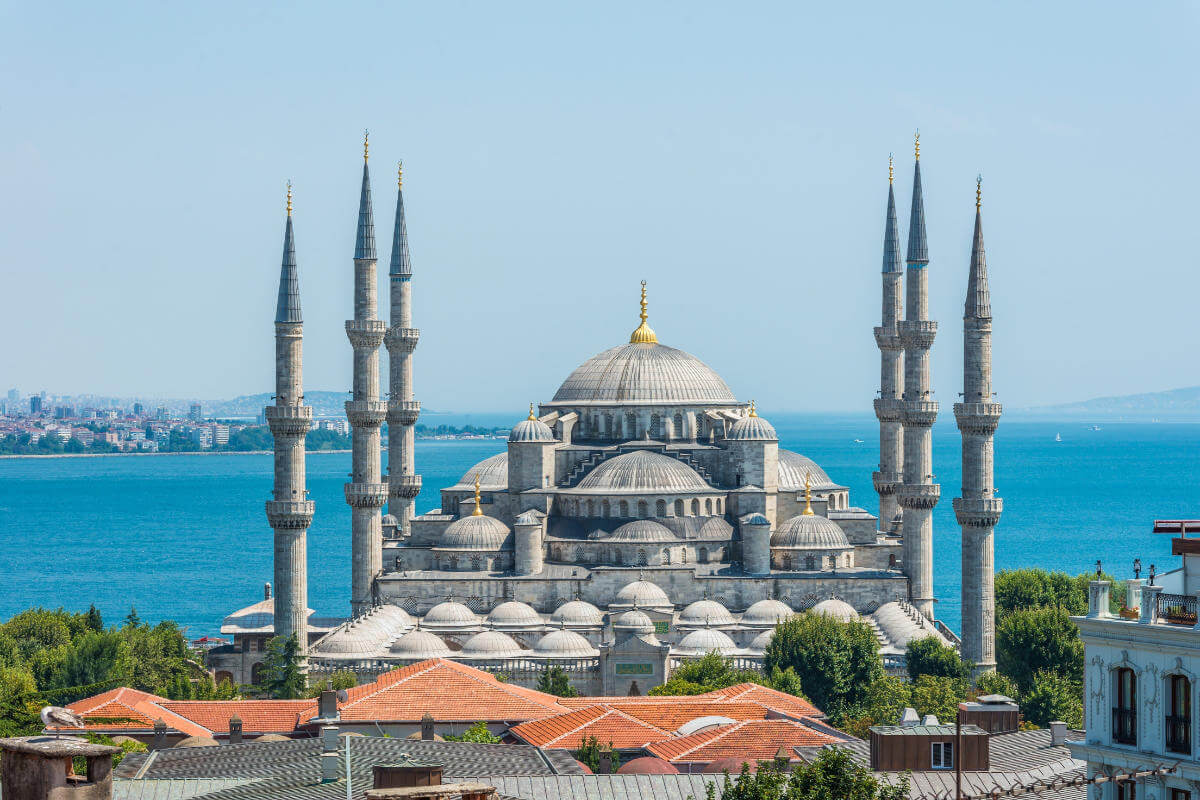
The Blue Mosque is free to enter in 2026 because it’s an active mosque, though small donations are welcome, and visitors can’t enter during the five daily prayer times. You’ll need to remove your shoes, dress modestly, and women should cover their hair. Mornings are best if you want quieter photos in Sultanahmet before tour groups arrive.
You should book popular Istanbul attractions and guided museum visits in advance for April–October, public holidays, and cruise-ship days, especially Topkapi Palace, Basilica Cistern, Dolmabahce Palace, and Bosphorus cruises. Same-day tickets are often possible in winter, but queues can still take 30–60 minutes at peak hours. Our Best of Istanbul Private Guided Tour helps cover the main Old City sights efficiently with a licensed guide.
The easiest way to get between Sultanahmet, Galata, and Taksim is a mix of tram, metro, funicular, and walking; Sultanahmet to Galata takes about 20–30 minutes by tram and on foot, while Taksim is another 10 minutes by funicular or metro. Buy an Istanbulkart and load credit at station machines. Taxis can be slow in traffic, especially around 5–8 PM.
Tap water in Istanbul is treated and generally safe for brushing teeth, but most locals and travelers drink bottled or filtered water because the taste and old building pipes can be an issue. A 1.5-liter bottle from a market usually costs around 15–30 TRY in 2026. We recommend carrying water when sightseeing in July and August, when daytime temperatures can reach 28–32°C.
In Istanbul, casual clothes are fine for most restaurants and sightseeing, but you’ll need modest clothing for mosques: shoulders and knees covered, shoes removed, and a scarf for women. Summer is warm and humid, so light layers work best, while December–February can be 5–12°C with rain and wind. Comfortable shoes matter more than style because Sultanahmet and Galata have hills, steps, and stone streets.
Istanbul is usually cheaper than London, Paris, or Rome, but central hotels, private transfers, alcohol, and fine dining can feel expensive in 2026; a mid-range daily budget is about $90–180 per person excluding international flights. Street food and public transport keep costs down, while museum tickets add up quickly. Plan extra for Topkapi Palace, Hagia Sophia, Dolmabahce Palace, and Bosphorus activities.

Still have questions about Istanbul?

Our travel experts have planned thousands of Istanbul trips. Ask us anything — we reply within 2–4 hours.