

The practical answer: A budget-friendly trip to Turkey comes down to timing, route design, and avoiding false savings. Travel in spring, late fall, or winter; stay near transit and tour pickup points; use flights selectively; and give yourself enough time to avoid expensive last-minute transfers. For most first-time visitors, seven to 10 days is the best-value window for Istanbul, Cappadocia, Pamukkale, and Ephesus.
Turkey can be considerably more affordable than many European destinations, but it is not automatically cheap once you add domestic flights, airport transfers, entrance fees, and peak-season accommodation. The most important planning decision is whether to travel slowly and independently or pay more for a well-coordinated route that protects your time.
What Smart Budget Travelers Get Right
- Choose late February through April or late October through November for a strong balance of weather, hotel value, and manageable crowds.
- Build a one-direction route rather than returning repeatedly to Istanbul between regions.
- Use domestic flights for long cross-country jumps, but leave generous connection time and confirm airport codes.
- Spend on location, reliable transfers, and key guided visits before spending on premium rooms or tourist-area meals.
- Allow at least two mornings in Cappadocia if a hot air balloon flight matters to you.
- Check exactly what a package includes: hotel category, entrance fees, domestic flights, transfers, meals, and optional experiences can vary.
When Is the Cheapest Time to Visit Turkey?

The lowest accommodation prices are commonly found from November through March, apart from Christmas, New Year, and major holiday periods. Winter can work particularly well for city breaks in Istanbul, although central Anatolia is cold and Cappadocia mornings can be frosty.
For most travelers, the better value choice is shoulder season rather than the absolute cheapest season. Late February through April and late October through November often bring more comfortable sightseeing conditions while avoiding much of the summer demand. Coastal areas such as Antalya are usually more reasonably priced in May and October than in July and August.
| Travel period | Best for | Budget trade-off |
|---|---|---|
| January to early March | Lower hotel rates, museums, Istanbul city stays | Cooler weather and shorter daylight; Cappadocia can be wintry |
| Late March to April | First-time routes, ruins, walking tours | Spring demand rises around holidays and school breaks |
| May to June | Longer days, pleasant weather in many regions | Popular hotels and flights become more expensive |
| July to September | Beach time and guaranteed hot weather | Highest demand, especially on the coast and in Cappadocia |
| Late October to November | Good weather-to-value balance, fewer crowds | Weather becomes less predictable later in the season |
Before locking in dates, compare the cost of the entire route—not just your international ticket. A lower airfare can disappear if it forces an inconvenient domestic connection, an airport change in Istanbul, or an extra hotel night.
For a fuller seasonal comparison, see when is the best month for your first Turkey trip.
How Much Should You Budget for a Turkey Trip?
Rather than relying on one fixed daily figure, build your budget around the items that vary most: arrival flights, hotel standard, domestic transport, guided sightseeing, meals, and optional experiences. Exchange rates, holiday demand, and flight availability can change quickly, so a realistic plan leaves room for movement in the final total.
Three useful budget styles
- Lean independent travel: Simple guesthouses or hostels, public transport, intercity buses, casual meals, and self-guided sightseeing. This suits travelers with time and comfort navigating local logistics.
- Comfort-focused independent travel: Centrally located 3- or 4-star hotels, a few domestic flights, airport transfers, and guides at major archaeological sites. This is often the best balance for first-time visitors.
- Coordinated tour travel: Hotels, transfers, sightseeing, and selected transport arranged together. It may not be the lowest headline price, but it can reduce costly mistakes on a multi-region itinerary.
Where travelers most often miscalculate is transportation. A low-rate hotel far from Sultanahmet, Göreme center, Selçuk, or a tour pickup area can result in repeated taxi costs and wasted time. Similarly, an overnight bus may look inexpensive until it leaves you too tired to enjoy the sightseeing day you saved money to take.
Planning judgment: Put your budget first toward a logical route, a practical hotel location, and reliable arrival-day transport. These choices tend to improve the trip far more than upgrading a room or booking every meal in advance.
Which Turkey Route Gives the Best Value?
For a first trip, the strongest value route is usually Istanbul, Cappadocia, Pamukkale, and Ephesus. It combines city life, distinctive landscapes, thermal terraces, and major ancient sites without trying to cover every corner of the country. The key is to avoid treating the route as four day trips from Istanbul.
Start with two or three nights in Istanbul, then travel to Cappadocia. From there, continue west toward Pamukkale and Ephesus, then return from Izmir to Istanbul if your international flight requires it. Depending on flight schedules and comfort level, some travelers prefer a package or private transfer for the Cappadocia-to-Pamukkale portion rather than trying to piece together several public connections.
A sensible seven-day outline
- Days 1–2: Istanbul’s old city, ferry areas, markets, and major landmarks.
- Days 3–4: Cappadocia valleys, an underground city, viewpoints, and a balloon flight if desired.
- Days 5–6: Continue toward Pamukkale and explore the terraces and Hierapolis.
- Day 7: Ephesus, then a flight from Izmir toward Istanbul or your onward destination.
This is a busy itinerary, so it works best for travelers willing to use at least one domestic flight and accept an early start or two. With 10 days, add an extra night in Istanbul and Cappadocia, plus a final Istanbul night before an international departure. That breathing room is valuable insurance against delays.
Travelers deciding between a shorter highlights trip and a less rushed route can compare the trade-offs in the real cost of five, seven, and 10 days in Turkey.
How Should You Handle Flights and Ground Transportation?

International travelers commonly arrive at Istanbul Airport (IST) or Sabiha Gökçen Airport (SAW). They are different airports on different sides of the city, so always confirm the code before booking domestic connections, transfers, or a hotel. An apparently cheap itinerary can become inconvenient if it requires crossing Istanbul in traffic.
For Cappadocia, flights typically use Kayseri Airport (ASR) or Nevşehir Kapadokya Airport (NAV). Kayseri may offer more flight choices, while Nevşehir can reduce road time for some Cappadocia hotels. The better choice depends on your flight schedule, baggage allowance, transfer arrangement, and where you are staying—not simply on the airfare.
When to fly, bus, or arrange a transfer
- Choose flights when you have five to eight days, are traveling with children or older relatives, or need to preserve sightseeing time between Istanbul, Cappadocia, and Izmir.
- Choose buses when your budget is tight, you have more than 10 days, and you are comfortable with long travel days or overnight travel.
- Choose private transfers for late arrivals, early departures, complicated family logistics, or points where public transport would require several changes.
On separate tickets, leave a substantial buffer between domestic and international flights. Immigration, baggage collection, terminal movement, and traffic can all affect the day. Airlines generally do not protect a missed onward flight when separately booked tickets are involved.
Where Should Budget Travelers Stay?
In Turkey, location often matters more than a hotel’s advertised category. Look for a clean, well-reviewed property within walking distance of transit, restaurants, or your expected tour pickup. Read recent reviews for noise, stairs, heating or air conditioning, and airport-transfer access.
Istanbul: choose convenience over the lowest nightly rate
Sultanahmet puts first-time visitors close to major landmarks including Hagia Sophia Grand Mosque, the Blue Mosque, and Topkapi Palace Museum. Sirkeci is practical for tram and ferry links, while Karaköy offers good access to ferries, restaurants, and Galata. A hotel several miles away may cost less but can make every sightseeing day more complicated.
Cappadocia: check cave-hotel access carefully
Göreme is often the easiest base for travelers watching their spending because restaurants, pickup points, and viewpoints are accessible on foot. Uçhisar is quieter and scenic, while Ürgüp has a wider boutique-hotel feel. Cave rooms can be memorable, but check for steep paths, stairs, ventilation, heating, luggage handling, and whether vehicles can reach the entrance.
Pamukkale and Ephesus: stay near the experience you want
One night near Pamukkale can make sense if you want to enter early or stay later than day visitors. For Ephesus, Selçuk is relaxed and practical; Kuşadası has more hotel and dining options. Neither is universally better—choose based on your onward transportation and whether you prefer a smaller town or a livelier waterfront base.
How Can You Eat Well Without Overspending?
Food is one of the easier areas to control without compromising the trip. Hotel breakfasts can cover a substantial first meal, while bakeries, neighborhood restaurants, and traditional lokantas offer good value for lunch and dinner.
- Try lentil soup, pide, döner, köfte, gözleme, börek, and seasonal vegetable dishes.
- Use local bakeries for affordable snacks such as simit and poğaça.
- At a lokanta, look at the prepared dishes and ask the price if it is not clearly displayed.
- Check fish-by-weight, meze platters, and mixed grills before ordering, particularly near waterfronts and major tourist squares.
- Walk one or two streets away from major attractions before choosing a restaurant.
In Istanbul, a scenic view can add more to a bill than the food itself. In Cappadocia, hotel restaurants are convenient after a long day, but town-center dining is often better value. For a practical introduction to regional dishes, read the Turkish food guide.
Which Experiences Are Worth Paying For?
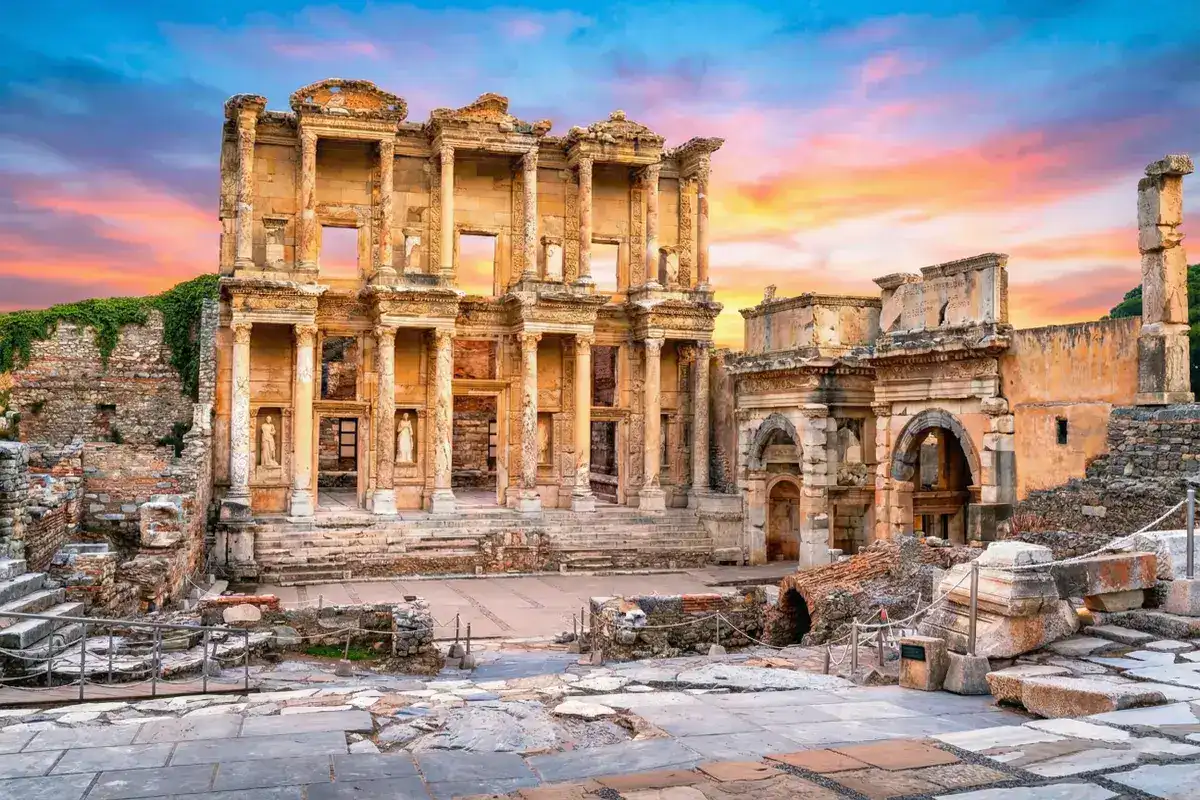
Not every memorable Turkey experience carries a major cost. Mosque visits, neighborhood walks, public ferries, markets, and viewpoints can fill a day well. Still, a few paid experiences deserve a place in a realistic budget.
Prioritize context at major archaeological sites
At Ephesus, a good licensed guide can make the city far more meaningful by connecting the Great Theatre of Ephesus, civic spaces, housing areas, and the former harbor landscape. If you are allocating money for one guided archaeological visit, Ephesus is an excellent candidate.
Allow enough time at Pamukkale
The Travertines of Pamukkale are more rewarding when treated as a proper visit rather than a short photo stop. Bring a small bag for your shoes because visitors walk barefoot on the terraces, and allow time for the wider Hierapolis area.
Decide honestly about the Cappadocia balloon flight
A sunrise balloon ride is a major addition to a Cappadocia budget, but it is also the experience many travelers value most. If it is a priority, schedule it for your first available morning and stay at least two nights. Weather can ground flights, and a backup morning gives you a better chance of going. Travelers who prefer to keep costs lower can still enjoy the region through valley walks, viewpoints, and sunrise balloon-watching from the ground.
Independent Travel or a Coordinated Tour: Which Is Better Value?
Independent travel is usually the lower-cost option for travelers with flexibility, enough days, and confidence managing domestic schedules. It works well for a city-and-Cappadocia trip, especially when you are comfortable using trams, ferries, airport shuttles, and local day tours.
A coordinated itinerary becomes more compelling when you want Istanbul, Cappadocia, Pamukkale, and Ephesus in one week or when you would rather not manage hotel changes, airport transfers, and long regional connections. It can also be a sensible choice for families, first-time visitors, and travelers who value a guide at complex sites.
Before booking either approach, verify these points
- Which airports and flight times are used, including whether flights are included at all.
- The hotel locations and category, not only the city name.
- Whether airport transfers, site entrance fees, meals, and optional balloon flights are included or extra.
- Whether the itinerary has enough time in Cappadocia for a weather backup if ballooning is important.
- How much time is spent in transit versus sightseeing, particularly between Cappadocia and Pamukkale.
- Whether the schedule includes a final Istanbul night before an international departure.
For travelers considering a private or group format, this comparison of group and private tours in Turkey explains the practical differences in pace, flexibility, and cost.
Choose your next step
Recommended Turkey tours
These verified options are the closest available matches for this article’s destination, route intent, and trip length.

2-Day Cappadocia Adventure with Sunrise Hot Air Balloon Ride
A 2 days Historical & Cultural Tour route covering Cappadocia.
View tour details →
2-Day Cappadocia Tour from Istanbul by Plane with Hot Air Balloon
A 2 days Historical & Cultural Tour route covering Cappadocia, Istanbul.
View tour details →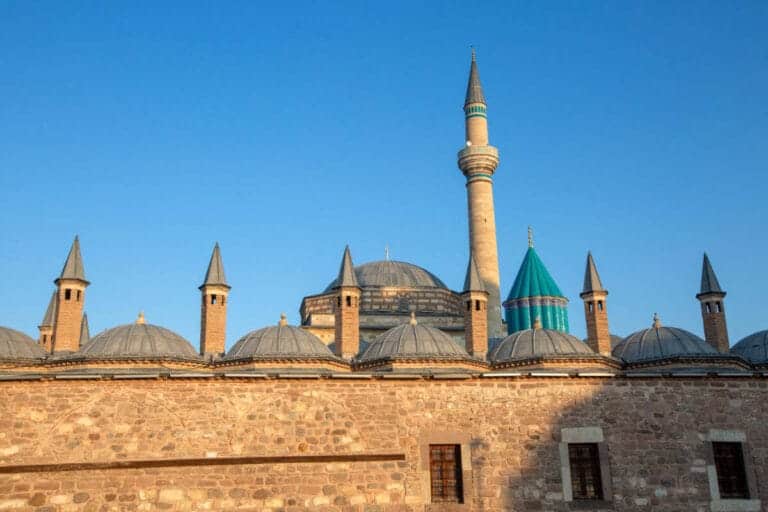
3-Day Cappadocia & Konya Tour from Istanbul
A 3 days Historical & Cultural Tour route covering Cappadocia, Konya and 1 more destination.
View tour details →
Private Cappadocia Tour from Istanbul (2 Nights / 3 Days)
A 3 days route covering Cappadocia, Istanbul.
View tour details →Budget Planning Questions Travelers Often Ask
Can I visit Turkey on a budget without joining a tour?
Yes. Independent travel can work very well if you have enough time, travel light, and are comfortable booking domestic flights, local transport, and hotels. A tour can be better value when your route includes several regions and you want transfers, guides, and timing handled together.
How many days do I need for a budget trip to Turkey?
Seven days is enough for a fast-paced Istanbul, Cappadocia, Pamukkale, and Ephesus itinerary. Ten days is more comfortable and often better value because it reduces the risk of rushed transfers, expensive last-minute changes, and missed sightseeing opportunities.
Is Cappadocia expensive?
Cappadocia can be affordable for meals and straightforward accommodation outside peak periods. The largest additions are hot air balloon flights, premium cave hotels, and private transfers. Staying two nights and booking a practical hotel base helps control costs.
Should I carry cash in Turkey?
Cards are widely accepted in cities and tourist areas, but carrying some Turkish lira is useful for small purchases, taxis, local markets, public restrooms, and village stops. Keep a second payment method available in case a card is not accepted.
Plan for Value, Not Just the Lowest Price
The most affordable Turkey trip is not necessarily the one with the cheapest room or flight. It is the one with a sensible route, enough nights in each place, and clear inclusions before you commit. If you would like help matching your dates, travel style, and budget to a workable Turkey itinerary, share your trip plans with One Nation Travel.