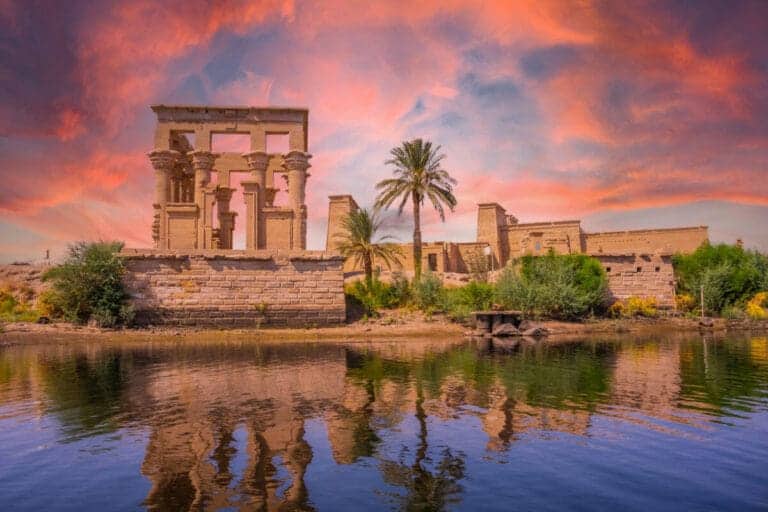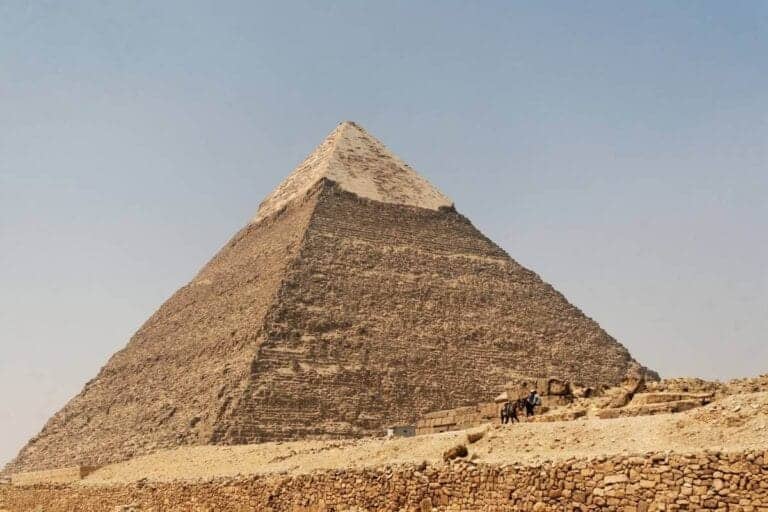

The practical answer: Americans can visit Egypt in 2026 with sensible planning, especially on the established Cairo–Luxor–Aswan route. The main concern is not usually the headline sights, but keeping away from restricted border areas, monitoring official U.S. guidance, using reliable transportation, and planning for heat, crowds, and common tourist hassles.
Egypt is a strong choice for Americans who want major ancient sites, a Nile cruise, and a destination that rewards a well-organized itinerary. The key decision is whether to travel independently or arrange coordinated local services for airport transfers, internal flights, guides, and sightseeing days. For most first-time visitors, a structured route removes a great deal of friction without eliminating free time.
What Matters Most Before You Go
- The classic visitor route—Cairo, Giza, Luxor, Aswan, and the Nile corridor—is very different from remote border and desert regions.
- Check the current U.S. Department of State advisory shortly before departure, as advisory language and regional guidance can change.
- Avoid demonstrations, political gatherings, military or security installations, and travel outside standard tourism areas without local planning.
- Heat, traffic, uneven walking surfaces, persistent sales approaches, and food or water issues are more likely to affect a trip than serious crime.
- Prearranged transfers and licensed local guides are particularly useful for arrivals, early-morning flights, major archaeological sites, and families traveling with children.
- Leave room in the budget for visas, tips, site-entry options, meals not listed in an itinerary, personal purchases, and travel insurance.
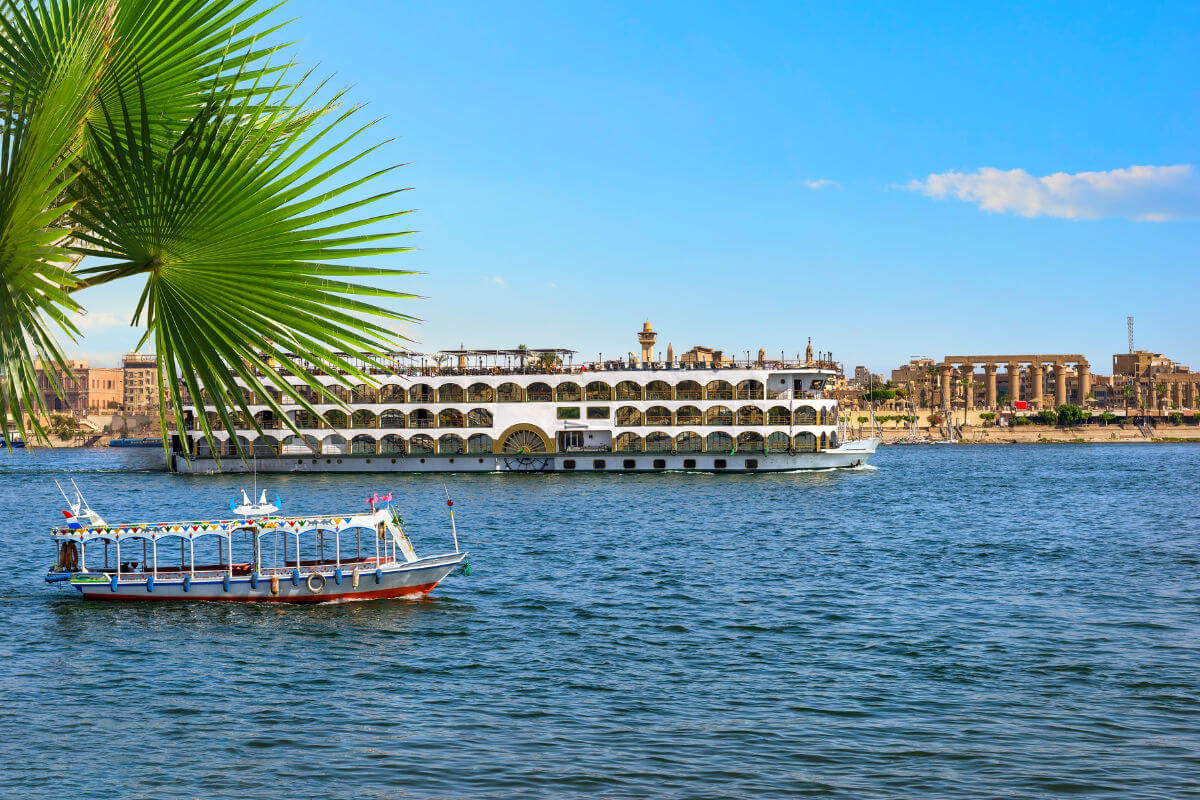
Is Egypt Safe for American Tourists in 2026?
For travelers following the main tourism circuit, Egypt can be a manageable and rewarding destination. Millions of visitors come for the Pyramids of Giza, museums, temples, and Nile experiences. The places most Americans plan to visit have visible security procedures at airports, hotels, museums, and leading attractions.
That said, “safe” should not be treated as a blanket statement for every part of the country. Egypt is large, and conditions vary by region. U.S. travelers should review the latest official travel information before booking flights and again before departure. Pay particular attention to any guidance involving the North Sinai region, western border areas near Libya, remote desert travel, and areas where access may be restricted or subject to changing security conditions.
Travelers should also register their trip through the U.S. government’s traveler-enrollment service if appropriate for their circumstances, keep emergency contacts accessible, and make sure their insurance covers medical treatment and evacuation if needed. Insurance is not a substitute for caution, but it is an important planning layer when traveling internationally.
What does day-to-day safety look like?
In central visitor areas, the more common issues are practical rather than dramatic: aggressive touting near popular sites, crowded sidewalks, road traffic, unofficial taxi negotiations, and occasional petty theft. Keep phones and wallets secure in crowded markets, agree on transportation arrangements in advance, and be willing to say a polite but firm “no, thank you” to unsolicited offers.
At crowded places such as Khan El Khalili Bazaar, carry only what you need for the day. Avoid displaying large amounts of cash, and do not let a stranger rush you into a purchase, ride, or “free” service that turns into a payment request.
Where Should Americans Travel—and Where Should They Be More Careful?
The most straightforward first trip usually follows a well-connected route through Cairo, Giza, Luxor, and Aswan. These are the places where travelers find the broadest selection of sightseeing services, hotels, domestic air connections, guides, and organized transfers.
| Travel area | Best for | Practical planning advice |
|---|---|---|
| Cairo and Giza | Museums, pyramids, historic neighborhoods, city life | Use arranged transfers or established ride services; traffic and crossing streets can be more challenging than sightseeing itself. |
| Luxor | Temples, tombs, and the West Bank | Plan full sightseeing days around heat and opening times; a guide adds useful historical context at large sites. |
| Aswan and the Nile | Nile cruising, temples, slower-paced sightseeing | Confirm exactly which transfers, sightseeing visits, and domestic flights are included before paying for a package. |
| Remote borders and desert areas | Specialist travel only | Do not treat these as an extension of a standard Egypt vacation; review current official advice and use qualified local arrangements. |
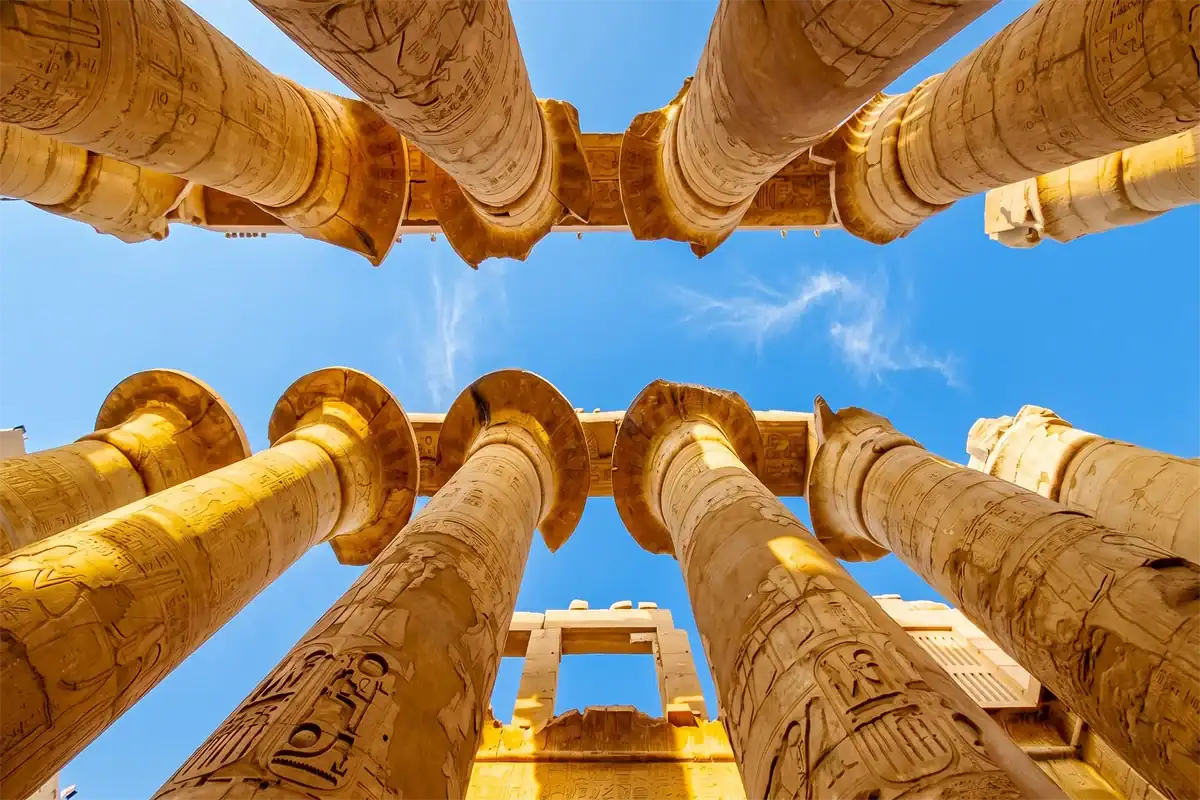
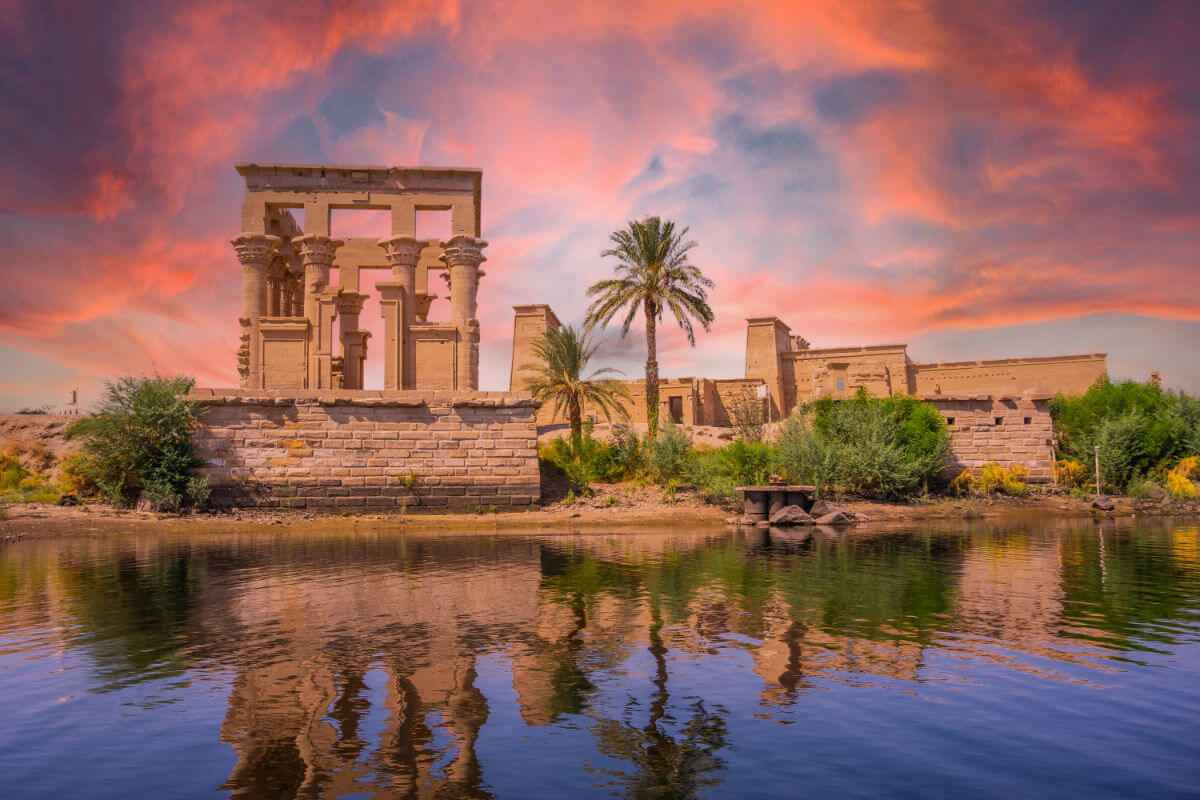
A Nile itinerary can make the country feel easier to navigate because it links major Upper Egypt sites in a logical sequence. Travelers may visit Karnak Temple, Valley of the Kings, the Temple of Edfu, and Philae Temple without repeatedly changing hotels. It is often a better use of time than trying to arrange each leg on the ground.
Practical Safety Habits That Make a Real Difference
Use transportation deliberately
Egyptian traffic can feel intense, particularly in Cairo. Prearranged airport pickup is a sensible first-night choice, especially after an international flight. For independent rides in cities, use established ride-hailing services where available or ask your hotel or tour coordinator to arrange a registered vehicle. Avoid accepting rides from people who approach you inside or outside transport hubs.
If your itinerary includes domestic flights, confirm baggage rules, flight times, airport transfers, and what happens if schedules change. A route that looks simple on a map can become stressful when a late arrival, early departure, and distant hotel transfer are all stacked into the same day.
Dress, behavior, and cultural awareness
Egypt is welcoming to visitors, but modest, practical clothing is usually the easiest choice. Lightweight layers, covered shoulders, comfortable shoes, sunscreen, and a scarf or light wrap work well for temples, mosques, museums, and long outdoor days. Swimwear is appropriate at resort or pool settings, not for regular city sightseeing.
Avoid photographing police, military personnel, security checkpoints, government buildings, airports, or anything that appears sensitive. Ask before taking close photos of individuals, vendors, or religious spaces. Respectful behavior keeps interactions comfortable and helps avoid misunderstandings.
Protect documents and valuables
Carry a copy of your passport’s identification page and entry documentation separately from the originals. Keep the passport, extra cards, and larger cash reserves secured at your accommodation when possible. Use a small crossbody bag or money belt in dense crowds, and keep your phone out of reach when standing near traffic or open vehicle windows.
Useful rule of thumb: If an offer feels rushed, vague, or unusually cheap, step away. Confirm prices, entrances, ride arrangements, and optional activities before committing.
Health, Heat, and Food: The Risks Travelers Often Underestimate
For many visitors, managing energy and hydration is the real challenge. From late spring through early fall, midday sightseeing can be demanding, particularly in Luxor and Aswan. Schedule outdoor monuments early, return to the hotel during the hottest part of the day when possible, and carry more water than you think you will need.
Drink sealed bottled water or water supplied by a trusted accommodation or tour provider. Be cautious with ice and raw foods if you have a sensitive stomach. Choose busy restaurants with a steady turnover of diners, wash hands often, and pack basic medications recommended by your medical professional. Travelers with chronic conditions should bring enough medication for the trip in original containers, plus a little extra in case of delays.
Walking surfaces at archaeological sites can be uneven, sandy, or steep. Good footwear matters more than fashionable sandals. At sites such as the Temple of Hatshepsut and the Valley of the Kings, travelers with mobility concerns should discuss walking distances, steps, shade, and vehicle access before confirming an itinerary.
Are Solo Travelers, Women, and Families Comfortable in Egypt?
Solo travelers
Solo travelers can enjoy Egypt, but planning matters. A guided day in Cairo or Luxor can reduce logistical pressure and limit unwanted sales approaches at major sites. Solo visitors should avoid isolated walks late at night, use reliable transportation after dark, and let someone know their daily plan. For a first visit, combining independent hotel time with arranged airport transfers and sightseeing often provides a sensible balance.
Women traveling alone
Many women travel in Egypt successfully, particularly on the established visitor route. Modest clothing, confident boundaries, and prearranged transportation can make the experience more comfortable. Unwanted attention can occur; it is usually best not to engage, to move toward a staffed business or hotel if needed, and to contact local support if a situation feels wrong. Choosing a private guide or a small group for certain sightseeing days can also be reassuring.
Families and older travelers
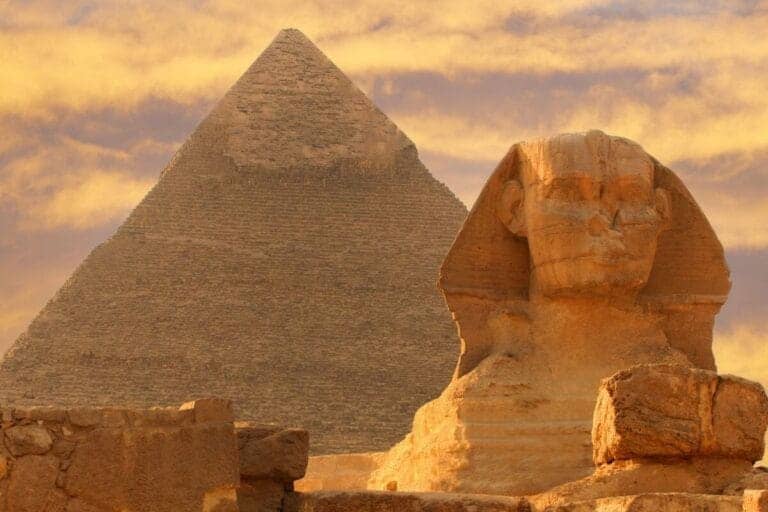
Egypt can be excellent for families when expectations are realistic. The pyramids and Great Sphinx make an immediate impression, but young children may struggle with long, hot temple days. Build in pool time, early finishes, and rest days. Older travelers should prioritize an itinerary with manageable hotel changes, planned transfers, and enough time at each stop rather than trying to see Cairo, Alexandria, Luxor, Aswan, and Abu Simbel at a rushed pace.
For broader guidance on travel style, see Egypt private tours versus group tours for first-time Americans.
Should You Book a Private Tour, a Small Group Route, or Travel Independently?
The right choice depends less on courage and more on how much coordination you want to handle while traveling. Egypt’s landmark itinerary involves airport arrivals, hotel check-ins, internal travel, timed site entries, transfers between riverboats and cities, and guides who can make vast archaeological sites more meaningful.
Private arrangements: best for flexibility
A private itinerary suits couples, families, multigenerational groups, travelers with specific accessibility needs, and anyone who wants to control the pace. It can allow later starts, more time at the Egyptian Museum or the Pyramids, and fewer compromises on hotel location or sightseeing order. Before booking, verify the daily schedule, private versus shared transfers, guide language, domestic-flight handling, and which entrances or optional activities cost extra.
Small group or set itinerary: best for value and simplicity
A group route can be a good fit for solo travelers and couples who prefer a defined schedule and shared touring costs. The trade-off is less control over pace, pickup times, and how long the group spends at each site. Ask about group size, hotel categories, the number of internal travel days, included meals, tipping expectations, and whether airport transfers are included on both ends.
Independent travel: best for experienced planners
Independent travel can work well for travelers comfortable with international arrivals, local transportation, and changing plans. It is not automatically cheaper once you add private transfers, guides, domestic flights, hotel nights, and the time lost to inefficient routing. Compare the full cost carefully. Our Egypt tour cost breakdown for Americans and Cairo and Nile cruise cost guide can help you identify what may be included and what commonly remains extra.
For travelers who want a classic Egypt itinerary with coordinated services, compare the pace and routing of an 8-Day Private Egypt Tour with Nile Cruise with the longer 9-Day Best of Egypt Tour with a 4-Night Nile Cruise. Starting prices can change, so review the live itinerary and inclusions before making a booking decision.
Choose your next step
Recommended Egypt tours
These verified options are the closest available matches for this article’s destination, route intent, and trip length.
8-Day Private Egypt Tour with Nile Cruise
A 8 days Cultural & Heritage Tour route covering Egypt.
View tour details →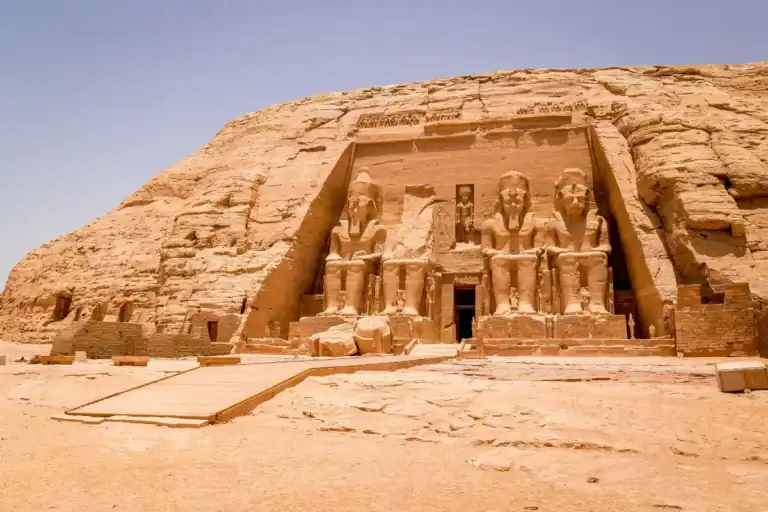
17-Day Türkiye, Egypt & Jordan Highlights Tour
A 17 days Cultural & Heritage Tour route covering Turkey, Egypt and 1 more destination.
View tour details →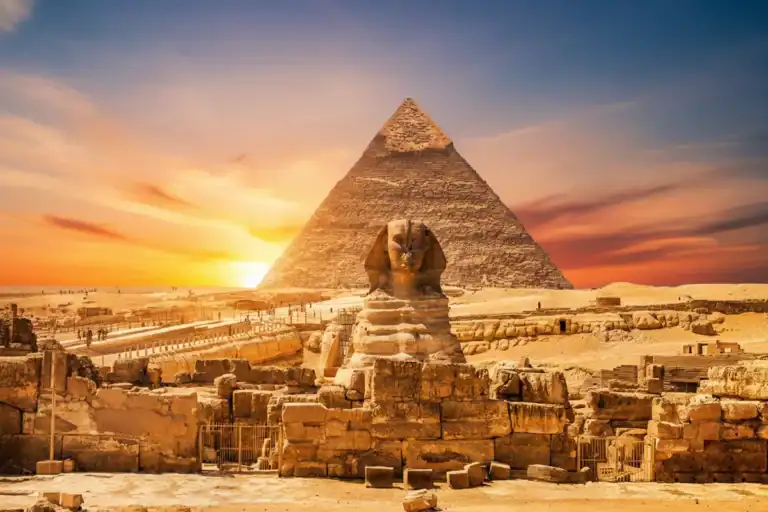
14-Day Egypt & Jordan Grand Tour
A 14 days route covering Egypt, Jordan.
View tour details →9-Day Best of Egypt Tour with 4-Night Nile Cruise
A 9 days Cultural & Heritage Tour route covering Egypt.
View tour details →Common Questions From American Travelers
Should Americans avoid Egypt because of regional tensions?
Not necessarily, but travelers should separate the established tourism route from areas affected by regional or border-related security concerns. Check current U.S. government guidance before departure and avoid destinations listed as restricted or high risk.
Is Cairo safe to explore on your own?
Many visitors explore Cairo without problems, but traffic, crowds, and navigation can be tiring. Use reliable transportation, stay alert in crowded places, and consider a guided day for major sights or your first day in the city.
What is the best time of year to visit Egypt?
Cooler months are generally more comfortable for intensive sightseeing, while warmer months can offer a different value proposition but require more careful heat planning. Your ideal timing depends on tolerance for heat, school schedules, and the amount of outdoor touring you plan to do.
How many days do Americans need for a first Egypt trip?
Allow enough time for Cairo and either Luxor and Aswan or a Nile cruise. A rushed short trip can mean too many airport transfers and too little time at the sites. Read how many days to spend in Egypt before settling on a route.
Final Advice for Planning Egypt Safely
Egypt is best approached with curiosity, patience, and a realistic plan. Focus on the established Cairo–Luxor–Aswan route, confirm current travel advice close to departure, plan around heat and traffic, and use reliable local coordination for the parts of the trip where timing matters most. With those basics in place, Americans can spend their attention where it belongs: standing before the pyramids, exploring ancient temples, and enjoying the Nile.
If you would like help matching the right route, pace, and travel style to your dates, plan your Egypt trip with One Nation Travel.