

The practical answer: both Turkey and Egypt can be good choices for tourists who use normal precautions and book reliable travel services. Turkey generally feels easier for independent sightseeing, public transportation, and evening walking in established visitor areas. Egypt is often more comfortable when airport transfers, guides, and major-site logistics are arranged in advance. Your itinerary and travel style matter more than a simple country-versus-country verdict.
For travelers choosing between two remarkable destinations, safety is usually about more than serious crime. It is about how confidently you can get from the airport to your hotel, handle a taxi, navigate crowds, avoid unwanted sales pressure, and keep a realistic pace in unfamiliar conditions.
Turkey tends to suit visitors who want a mix of guided sightseeing and independent time. Egypt is equally rewarding, but its biggest cities and headline monuments are easier to enjoy when the day’s transport and site arrangements are already in place.
What Matters Most When Choosing Turkey or Egypt
- Turkey is usually the easier independent option for first-time visitors, particularly in Istanbul, Cappadocia, Antalya, and the Aegean sightseeing corridor.
- Egypt works best with more structure, especially for arrivals in Cairo, visits to the Pyramids, and transfers between airports, hotels, and Nile cruise ports.
- In both countries, tourists are more likely to encounter petty theft, taxi disputes, unofficial offers, and crowded-site hassles than serious violence on standard visitor routes.
- Heat, fatigue, and rushed transport days can create more discomfort than the attractions themselves. Build in early starts, breaks, and realistic travel days.
- For a combined trip, pre-booking domestic flights, airport transfers, guides, and hotel locations reduces the stressful parts without removing all independent time.
Is Turkey or Egypt Safer for Tourists?

Most tourists can travel safely in either country with sensible preparation. If “safer” means easier to navigate without a guide, Turkey has the edge for many American travelers. Its main tourism centers are accustomed to independent visitors, and the rhythm of a trip can feel relatively familiar: central hotels, walkable neighborhoods, domestic flights, restaurants with posted menus, and well-used intercity transport.
In Turkey, first-time travelers commonly combine Istanbul, Cappadocia, Ephesus, Pamukkale, and Antalya. These routes are established, but visitors should still watch bags in crowds, use licensed or pre-arranged transportation, and stay alert around major entrances and taxi stands.
Egypt’s classic route—Cairo, Luxor, Aswan, and the Nile Valley—is also heavily visited. The difference is that Egypt can feel more intense on the ground. Cairo traffic is demanding, pedestrian conditions vary, and persistent sales approaches around major monuments can wear down travelers who expected a purely self-directed trip. That is not a reason to skip Egypt; it is a reason to arrange it thoughtfully.
Practical rule: Turkey rewards confident independent exploration. Egypt rewards travelers who remove the uncertain parts of the day—arrival transfer, monument entry, transport, and guide arrangements—before they land.
Where Do Tourists Actually Need to Be Most Careful?
The most common tourist problems in both destinations are manageable and predictable. Think crowded places, cash transactions, unclear transport pricing, and people offering services you did not request.
| Situation | Turkey | Egypt | Smart Response |
|---|---|---|---|
| Crowded landmarks | Watch phones and bags around major mosques, bazaars, and transit stops. | Expect crowds and persistent offers near headline monuments. | Carry only what you need and keep valuables zipped and close. |
| Taxis and arrivals | Use official stands, reputable apps where available, or arranged transfers. | Pre-arranged airport and sightseeing transfers are strongly preferable. | Confirm the pickup plan, driver contact, and hotel address before travel. |
| Unofficial guides | Be cautious around landmark entrances and tourist districts. | Especially common around high-profile archaeological sites. | Use a licensed guide booked through a reputable provider. |
| Evening plans | Established central districts are generally straightforward with normal awareness. | Choose known restaurants and arrange transport back to your hotel. | Avoid isolated routes and decide how you will return before going out. |
In Istanbul, pay particular attention in dense sightseeing areas near Hagia Sophia Grand Mosque, the Blue Mosque, and Grand Bazaar Istanbul. These are not places to fear; they are simply places where crowds make it easier for a distracted visitor to misplace a phone or accept an offer without understanding the price.
In Egypt, the same principle applies at the Pyramids of Giza, the Egyptian Museum, and temple areas in Luxor and Aswan. A knowledgeable guide provides historical context, but the practical benefit is just as valuable: someone manages the route, timing, entrances, and common distractions.
Transportation Is the Biggest Comfort Difference

Transportation is where the two countries feel most different for first-time visitors. Turkey has a broad domestic flight network and familiar tourism connections between major regions. A traveler can often combine Istanbul and Cappadocia with a short internal flight, then continue to the Aegean coast or Antalya with well-planned connections.
That does not mean every Turkey itinerary should be packed with flights. Long road days, very early airport departures, and too many hotel changes can make an otherwise easy country feel tiring. For advice on building a sensible route, see the Complete Turkey Travel Guide and this practical 7-day Turkey itinerary.
Egypt is best approached with a more controlled transport plan. Landing in Cairo after an international flight and negotiating a first ride is not how most travelers want to begin. A confirmed airport pickup, a centrally located hotel, and a clear plan for the next morning can transform the experience. For the Nile Valley, many travelers prefer an itinerary that combines flights with a cruise rather than attempting to piece together long overland transfers independently.
When comparing tour quotes, ask exactly how airport transfers, domestic flights, cruise embarkation, luggage handling, and sightseeing transport are arranged. “Transfers included” can mean very different things unless the pickup timing and route are clearly explained.
Safety for Families, Couples, and Solo Travelers
Families
Turkey is often easier for families because the day-to-day logistics are more flexible. Istanbul can be busy, but it offers breaks in cafés, parks, ferry areas, and museums. Cappadocia adds open landscapes and cave-region viewpoints that appeal to children and adults alike. Egypt can be an excellent family destination when paced carefully, with shade breaks, shorter monument visits, and private transport rather than long waits in the heat.
Couples
Couples can comfortably enjoy both countries. Turkey tends to offer more easy-going independent time between planned visits, whether that means a dinner in Istanbul, a walk near the Bosphorus Strait, or a Cappadocia viewpoint. Egypt offers powerful shared experiences—Nile scenery, temple visits, and the scale of Cairo’s antiquities—but it benefits from a deliberate schedule rather than spontaneous day-to-day logistics.
Solo Travelers and Solo Women
Solo travelers often find Turkey more comfortable for independent movement, especially in well-located Istanbul hotels and Cappadocia towns. Egypt is possible for solo travelers as well, but private airport transfers and guided sightseeing are a worthwhile comfort investment, particularly in Cairo. Dress respectfully at religious sites, avoid isolated late-night walks, and trust your instincts if an interaction becomes uncomfortable.
Timing, Heat, and Travel Pace Affect How Safe a Trip Feels

Comfort is part of safety. When travelers are dehydrated, overtired, or trying to find transportation after dark, small issues feel larger than they are.
Egypt is generally more comfortable from October through April, when daytime sightseeing is easier. In hotter months, early monument visits, midday hotel or museum breaks, and a lighter afternoon schedule are essential. Turkey has wider regional variation: Istanbul can be cool and wet in winter, Cappadocia can be cold, and the Mediterranean coast can be very hot in July and August. Spring and fall are often the most balanced periods for a multi-region Turkey itinerary.
- Schedule major outdoor sites early in the day.
- Do not put an overnight flight, a long transfer, and a full sightseeing program on the same day.
- Carry water, sun protection, and footwear suitable for uneven stone paths.
- Keep one lighter day after a long-haul arrival or before an international departure.
- For Cappadocia balloon plans, allow schedule flexibility because weather conditions can affect flight operations.
For more seasonal planning help, review the best month for a first Turkey trip before choosing dates.
Which Destination Fits Your Travel Style?
Choose Turkey first if: you want a destination where you can confidently mix independently booked meals and walks with guided day tours; you enjoy city neighborhoods, varied landscapes, and a route that can be adjusted around domestic flights; or you are traveling with children, teens, or first-time international travelers who prefer lower day-to-day friction.
Choose Egypt first if: ancient history is the central reason for your trip; you are happy to trade some spontaneity for professional planning; or you want Cairo, the Nile, Luxor, and Aswan handled as one connected route rather than separate travel puzzles.
Choose both if: you have enough time to avoid rushing. A combined route needs sensible flight timing and should not try to cover Cairo, the Nile Valley, Istanbul, Cappadocia, Ephesus, and the Mediterranean coast in a few days. For many travelers, it is better to do fewer places well.
What to Verify Before You Book
- Whether airport meet-and-assist, hotel transfers, domestic flights, and major-site transportation are included.
- Whether guides are licensed local professionals and whether sightseeing is private, small-group, or larger group.
- Which entrance fees, meals, optional activities, tips, visa costs, and personal expenses remain extra.
- How many hotel changes and early starts the itinerary requires.
- Whether the hotel location supports your preferred amount of independent evening time.
For travelers extending beyond two countries, Turkey, Egypt, and Jordan tours can make sense when one provider coordinates flights, border logistics, accommodations, guides, and day-to-day transfers. The important point is not to add destinations just because they look close on a map.
Choose your next step
Recommended Turkey tours
These verified options are the closest available matches for this article’s destination, route intent, and trip length.
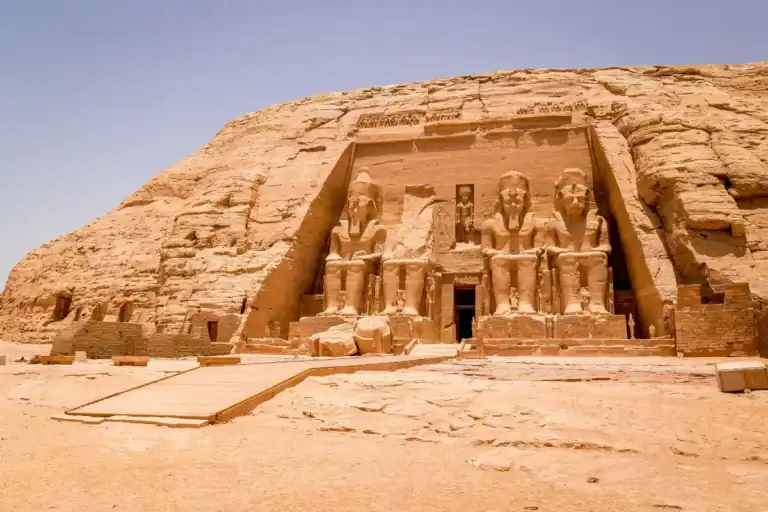
17-Day Türkiye, Egypt & Jordan Highlights Tour
A 17 days Cultural & Heritage Tour route covering Turkey, Egypt and 1 more destination.
View tour details →
3-Day Cappadocia & Konya Tour from Istanbul
A 3 days Historical & Cultural Tour route covering Cappadocia, Konya and 1 more destination.
View tour details →
2-Day Cappadocia Adventure with Sunrise Hot Air Balloon Ride
A 2 days Historical & Cultural Tour route covering Cappadocia.
View tour details →
2-Day Cappadocia Tour from Istanbul by Plane with Hot Air Balloon
A 2 days Historical & Cultural Tour route covering Cappadocia, Istanbul.
View tour details →Questions Travelers Often Ask
Is Turkey safer than Egypt for American tourists?
Turkey often feels easier for Americans traveling independently, particularly in established visitor areas. Egypt is also a realistic and rewarding choice, but many travelers prefer arranged transfers and guided sightseeing to reduce transport and negotiation stress.
Is Egypt safe if I book a private tour?
Private arrangements can make Egypt much more comfortable by confirming airport pickups, transport, guide services, and monument timing. Travelers should still use normal precautions with valuables, money, and personal documents.
Can I visit Turkey and Egypt on the same trip?
Yes. The combination works well when flights and transfers are coordinated in advance and the itinerary allows enough time in each country. Avoid treating it as a short city-break itinerary; Cairo, the Nile Valley, Istanbul, and Cappadocia each need breathing room.
What is the most common problem tourists face in Turkey and Egypt?
Petty theft, unclear taxi pricing, unofficial guide offers, and aggressive selling near crowded attractions are more common concerns than serious crime on standard tourist routes. Preparation and a calm, firm response prevent most issues.
The Bottom Line
Turkey is generally the better choice for travelers who want more independence and an easier rhythm between guided sightseeing and personal time. Egypt is ideal for travelers drawn to the Pyramids, the Nile, and ancient temples who are willing to prioritize organized transportation and local guiding. Both can be safe, memorable trips when the itinerary matches your comfort level rather than forcing a rushed route.
If you are weighing Turkey, Egypt, or a combined itinerary, share your dates, departure city, travel pace, and hotel preferences through One Nation Travel’s Plan My Trip form. A well-coordinated plan is one of the most useful safety decisions you can make before departure.