
Short answer: Travel in one direction — Turkey first, then Jordan, then Egypt — and never route back through Istanbul mid-trip. Move Istanbul → Cappadocia → Ephesus/Pamukkale, fly out of the Aegean or Antalya region toward Amman, then continue to Cairo and the Nile. That single sequencing change removes two pointless internal flights, two airport days, and a lot of avoidable fatigue.
Three countries in seventeen days sounds ambitious, and it is — but the difficulty almost never comes from distance. It comes from routing. Most self-planned Turkey-Jordan-Egypt itineraries fail in the same place: the traveler treats Istanbul as a hub and keeps returning to it, burning half-days on transfers that add nothing. This guide is for travelers flying from North America who want the headline sights without spending a fifth of their vacation in security lines.
Key Takeaways
- Run Turkey west-to-east-to-west once: Istanbul → Cappadocia → Ephesus/Pamukkale. No return leg to Istanbul before flying onward.
- Jordan needs zero internal flights. Amman, Petra, Wadi Rum, and the Dead Sea connect comfortably by road in a single southbound loop.
- Put Egypt last. Cairo traffic, early temple starts, and Nile schedules are easier when you’ve already found your travel rhythm.
- Shoulder season — roughly March–May and September–November — is the only window where all three countries are pleasant at once.
- Cheap connecting flights that land near midnight or force a 4 a.m. pickup usually cost you a touring day, which is the most expensive thing on the trip.
- Verify visa requirements, Nile cruise category, and Petra hotel location before you pay anything — those three items drive both price and daily comfort.
Why This 17-Day Route Saves Two Internal Flights

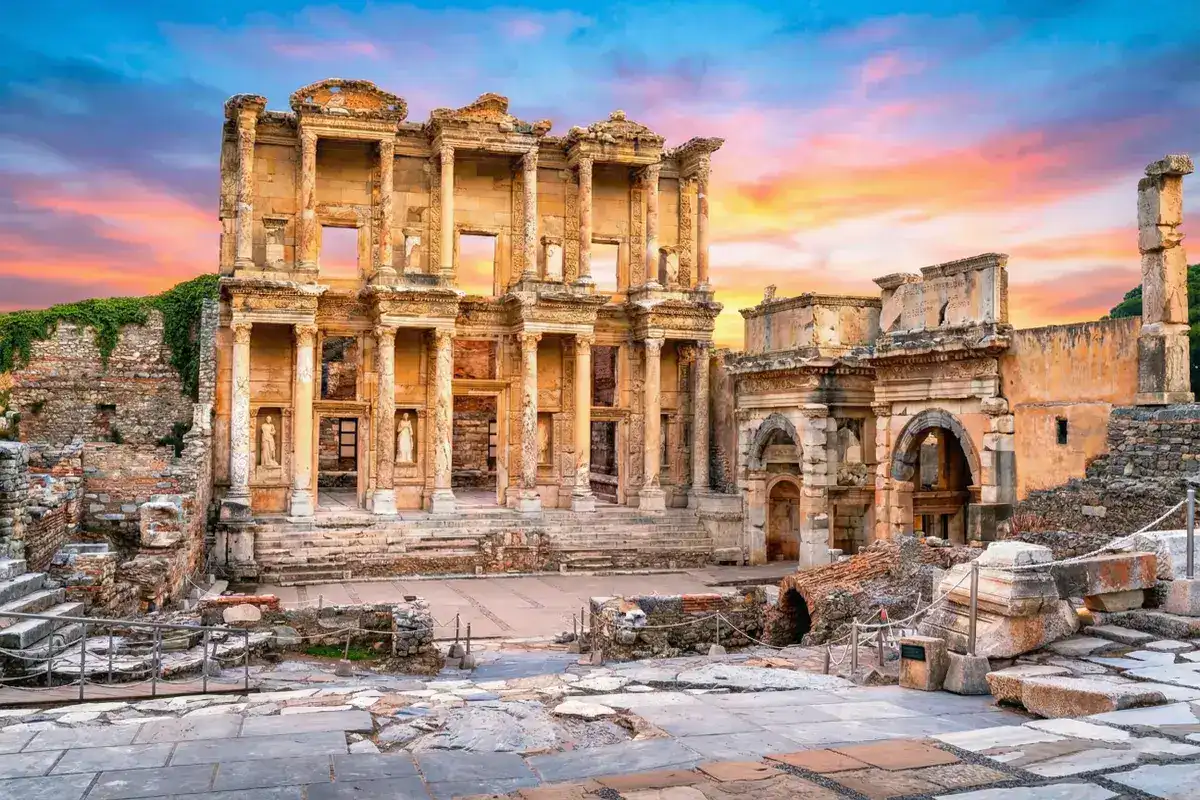
The wasted flights are almost always the same two. Travelers fly Istanbul to Cappadocia, then back to Istanbul. Then Istanbul to Izmir for Ephesus, then back to Istanbul again before leaving the country. Four flights where two would do, plus two extra hotel check-ins and two transfer days that produce zero sightseeing.
The fix is to stop thinking of Istanbul as home base. After Cappadocia, continue west overland toward Pamukkale and Ephesus, then fly out of a western Turkish airport toward Amman. Turkey becomes one continuous line rather than a wheel with spokes. That’s the same logic behind our Turkey, Egypt & Jordan 3-country tours: forward motion, fewer repeats.
We see the spaghetti version regularly — travelers who’ve already ticketed their own flights and arrive in Jordan on day nine genuinely worn out. Rebuilding the sequence usually frees up a full day and a half, which is enough for a proper Wadi Rum overnight or a slower morning in Petra.
Before you book anything, draw the route on paper with arrows. If any arrow points back to an airport you’ve already used, ask what it’s actually buying you. That five-minute exercise catches most of the expensive mistakes.
The Day-by-Day Structure That Actually Works
Here’s the shape we recommend most often. It keeps the big sights, respects arrival jet lag, and leaves room for the trip to breathe.
| Days | Where | Focus |
|---|---|---|
| 1–3 | Istanbul | Old city monuments, Bosphorus, food walking |
| 4–5 | Cappadocia | Valleys, underground cities, optional balloon morning |
| 6–7 | Pamukkale & Ephesus | Travertines, Hierapolis, Roman streets — westward, no backtrack |
| 8–11 | Jordan | Amman, Petra, Wadi Rum, Dead Sea (all by road) |
| 12–17 | Egypt | Cairo, Giza, Nile cruise between Aswan and Luxor |
Days 1–3: Istanbul, without wasting the arrival day
Most transatlantic flights land in Istanbul in the afternoon or evening. Treat day one as orientation only — a walk, an early dinner, sleep. Day two belongs to the old city: Hagia Sophia, the Blue Mosque, and the Hippodrome, with the Grand Bazaar in the afternoon when you’re awake enough to enjoy the negotiation. Day three works well for the Bosphorus and the Galata side.
Resist the urge to cram Istanbul. It rewards a return trip, and on a 17-day multi-country route it’s the introduction, not the main event.
Days 4–5: Cappadocia, two nights done properly
Fly Istanbul to Cappadocia — either Kayseri or Nevşehir, depending on schedule. Two nights covers the open-air museum area, an underground city, the valleys, and one balloon morning. Treat the balloon as weather-dependent rather than guaranteed; flights are cancelled for wind fairly often, and a good operator refunds or reschedules. If a balloon sunrise is non-negotiable for you, build in a third night as insurance.

Days 6–7: Pamukkale and Ephesus by westward travel
This is where the first saved flight happens. Instead of flying back to Istanbul, continue west by road toward Pamukkale for the white terraces and Hierapolis, then on to Ephesus and Selçuk. The contrast — volcanic Anatolia one day, marble Aegean streets the next — is one of the better transitions in Turkish travel, and you’re gaining ground toward your onward flight rather than retracing it.
If you’d rather spend more of the trip in Turkey and less in transit, our two-week Turkey itinerary breaks down how the same overland logic applies within a single country.
Connecting Turkey to Jordan and Egypt
From western Turkey, fly onward to Amman. Depending on the day, that may route via Istanbul as a same-day connection — that’s fine, because you’re not overnighting or checking into a hotel there. A transit connection isn’t the same as a backtrack; the cost you’re avoiding is the extra night and the wasted daylight, not the airspace.
Days 8–11: Jordan in one southbound loop
Amman first if you land late, then south to Petra, on to Wadi Rum, and finish at the Dead Sea before returning toward Amman for the Egypt flight. Distances are manageable by road, so no domestic flights are needed. Enter Petra at opening for the walk through the Siq before the canyon fills with voices — the difference between 6:30 a.m. and 10 a.m. there is dramatic.
A Wadi Rum overnight in a desert camp is worth the logistics if your schedule allows. It’s also the natural low-intensity day between two heavy walking days.

Days 12–17: Cairo, the Nile, and departure
Egypt belongs at the end because it’s the most demanding stretch. Give Cairo at least two nights: one for arrival and recovery, one for the Pyramids of Giza, the Sphinx, and a museum. Then fly south for the Nile portion.
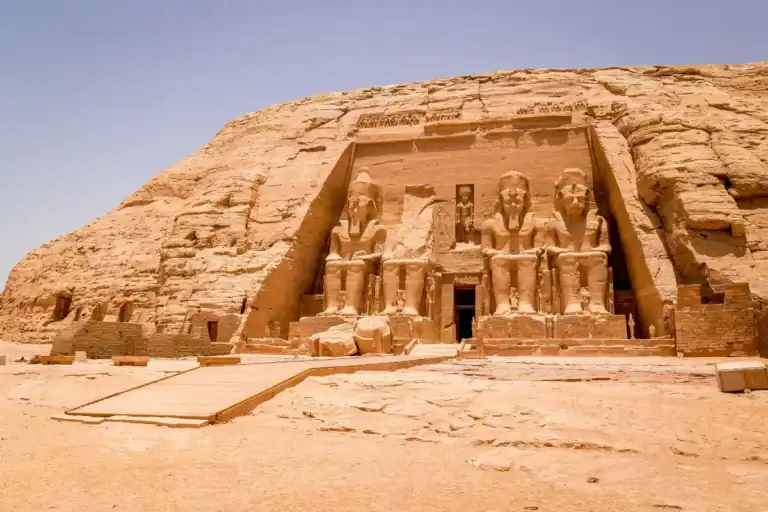
On the river, be selective. Karnak, Luxor Temple, the Valley of the Kings, Edfu, Kom Ombo, and Philae are plenty for most travelers in this window. Adding Abu Simbel means a very early start and a separate flight or long drive — worth it for some, but it’s the item that most often turns a comfortable itinerary into a grind.
Should You Book This as a Package or Piece It Together?
Both work. The right choice depends on how much of your own time you’re willing to spend as an unpaid logistics coordinator.
Independent booking suits you if…
- You have flexible dates and can absorb a schedule change without losing a paid hotel night.
- You’re comfortable managing three visa or e-visa processes, three currencies, and three sets of arrival procedures.
- You want unusual stops — a specific boutique cave hotel, a longer Aegean coastal stretch, extra time in Alexandria.
- You genuinely enjoy the planning. Some travelers do, and they often build excellent trips.
An organized package suits you if…
- You have fixed vacation days and can’t afford a missed connection cascading through the whole route.
- You want guides at Ephesus, Petra, and the Valley of the Kings — sites where the difference between “old stones” and “extraordinary” is entirely narration.
- You’d rather not coordinate cross-border transfers or cruise embarkation timing yourself.
- You’re traveling with parents, older kids, or anyone for whom a 4 a.m. pickup is a real problem.
What to verify before you pay
Three-country pricing varies mostly on four items, so compare these line by line rather than comparing headline totals:
- Nile cruise category. Deluxe versus standard is often the single largest price gap in the whole itinerary.
- Petra hotel location. Walking distance to the visitor center versus a 10-minute shuttle changes your early-morning entry plan.
- Which internal flights are included. Istanbul–Cappadocia and Cairo–Aswan/Luxor are the usual ones; confirm in writing.
- What’s excluded. Balloon rides, Abu Simbel, entry to certain tombs, and tipping pools are commonly separate.
On cancellation terms with One Nation Travel: changes or cancellations require notice at least 5 days before the tour starts, and any non-refundable flight and bus ticket costs are deducted from the paid balance. With less than 5 days’ notice, or for a no-show, the full payment is non-refundable. Worth knowing before you commit to fixed dates on a route with this many moving parts.
For a broader look at how operator types differ, our comparison of Turkey tour companies by type and the honest Turkey vs. Egypt trip comparison both cover the trade-offs in more depth.

Timing, Cost Drivers, and Common Mistakes
When to go
March through May and September through November are the realistic windows. Summer in Jordan and Upper Egypt is punishing for a walking-heavy itinerary — Petra and the Valley of the Kings in July are endurance events, not sightseeing. Winter brings cold mornings in Cappadocia and chilly desert nights in Wadi Rum, though Egypt itself is pleasant. If you want a closer look at Turkish seasonality, see our guide to the best month for a first Turkey trip.
What actually drives the price
International airfare routing, cruise category, hotel tier, and whether the trip runs private or small-group. As a reference point, our 17-Day Türkiye, Egypt & Jordan Highlights Tour starts from USD 5,199, and a 15-day Turkey, Egypt & Jordan version starts from USD 4,160. Starting prices move with season and availability, so treat them as a planning anchor rather than a quote.
Mistakes we see repeatedly
- Booking flights before the route. Ticketed flights lock in bad sequencing you then have to plan around.
- Underestimating border days. Even a short flight consumes most of a day once you add transfers and check-in.
- Adding a beach ending. Antalya or the Red Sea after 15 days of monuments sounds lovely and almost never fits.
- Too many hotel changes. If you want fewer, cut a Turkish or Egyptian stop rather than shortening Jordan — Jordan is where the itinerary’s pace recovers.
Is 17 Days Actually Enough?
Yes — for the highlights, honestly delivered. Istanbul, Cappadocia, Ephesus, and Pamukkale in Turkey. Amman, Petra, Wadi Rum, and the Dead Sea in Jordan. Cairo, Giza, and the Nile between Aswan and Luxor in Egypt. That’s a full, coherent trip.
What 17 days will not absorb is Antalya plus Alexandria plus Abu Simbel plus a beach finish. Every additional stop costs a half-day of movement, and by day twelve those half-days compound into real exhaustion. The travelers who come home happiest are the ones who cut one thing before departure rather than three things mid-trip.
This route suits couples, families with older children, active retirees, and first-time visitors to the region — particularly travelers coming from the United States with limited vacation days. If safety questions are on your mind, our Turkey and Egypt safety overview addresses what actually matters day to day.
Choose your next step
Recommended Turkey tours
These verified options are the closest available matches for this article’s destination, route intent, and trip length.
17-Day Türkiye, Egypt & Jordan Highlights Tour
A 17 days Cultural & Heritage Tour route covering Turkey, Egypt and 1 more destination.
View tour details →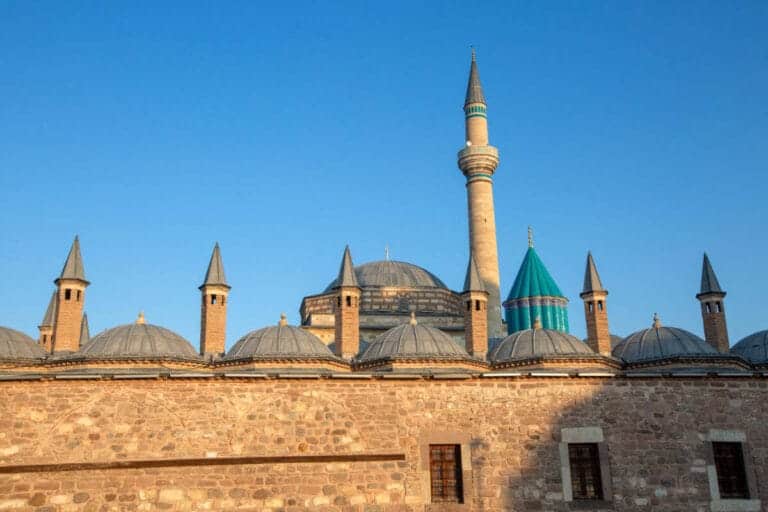
3-Day Cappadocia & Konya Tour from Istanbul
A 3 days Historical & Cultural Tour route covering Cappadocia, Konya and 1 more destination.
View tour details →
2-Day Cappadocia Adventure with Sunrise Hot Air Balloon Ride
A 2 days Historical & Cultural Tour route covering Cappadocia.
View tour details →
2-Day Cappadocia Tour from Istanbul by Plane with Hot Air Balloon
A 2 days Historical & Cultural Tour route covering Cappadocia, Istanbul.
View tour details →Common Questions About This Route
What’s the best country order for a Turkey-Jordan-Egypt trip?
Turkey first, Jordan second, Egypt last. It follows a natural geographic progression, keeps the Turkish portion moving in one direction, and saves the most physically demanding country for when you’ve settled into travel rhythm. Reversing it — Egypt first — tends to front-load the fatigue.
Which two internal flights does this route eliminate?
The Cappadocia-to-Istanbul return and the Izmir-to-Istanbul return. By continuing overland from Cappadocia west toward Pamukkale and Ephesus, then flying onward from western Turkey, you skip both legs along with the associated transfer time and one hotel change.
Do I need internal flights inside Jordan?
No. Amman, Petra, Wadi Rum, and the Dead Sea are all connected by road within comfortable driving distances. Jordan is the easiest logistical portion of the trip, which is another reason it works well in the middle.
Can I add Abu Simbel or Alexandria?
You can, but something has to give. Abu Simbel needs a very early start plus a flight or long drive from Aswan, and Alexandria is a full day out of Cairo. Adding either usually means dropping Pamukkale or shortening Cappadocia. Discuss the swap before booking rather than trying to squeeze it in later.
How far in advance should I book?
For spring and fall departures, several months ahead is sensible — hot air balloon slots, Nile cruise cabins, and well-located Petra hotels are the first things to fill. Late bookings are possible but limit your hotel and cruise choices.
The Bottom Line
Seventeen days across Turkey, Jordan, and Egypt is entirely doable — as long as the route moves forward instead of orbiting Istanbul. Get the sequence right and you gain roughly a day and a half of actual travel, which you can spend watching sunrise light hit the Siq at Petra instead of watching a departure board.
If you’d like the route built around your own dates, departure city, and hotel preferences, tell us what you’re working with through the Plan My Trip page. We’ll look at your flight options first, because that’s where the itinerary is either saved or quietly ruined.