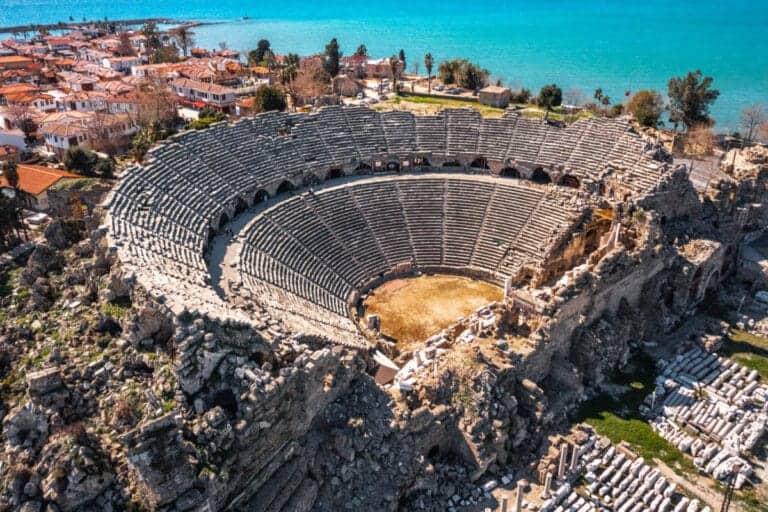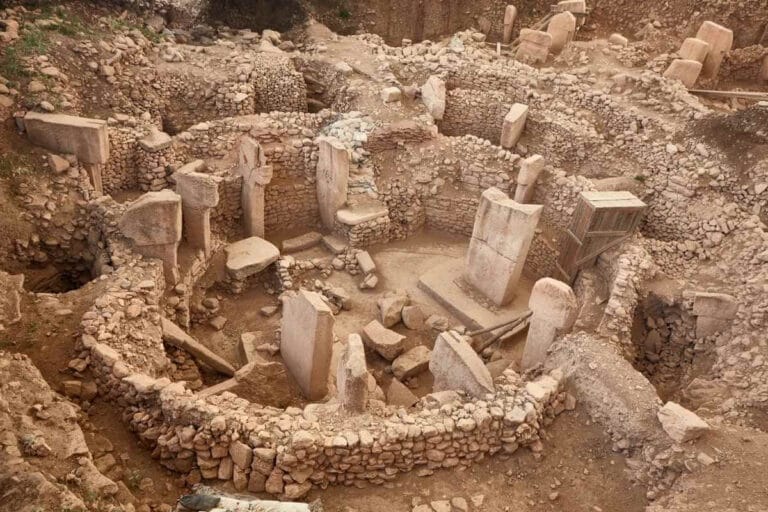

The bottom line: Turkey is easiest to enjoy when you limit your route, plan around real transfer time, and match the season to your priorities. For most first-time visitors, 7 to 10 days, two or three regions, spring or fall dates, comfortable walking shoes, and a mix of cards and Turkish lira create a far better trip than trying to see the entire country in one week.
Turkey works particularly well for travelers who want a major city, ancient ruins, distinctive regional food, and dramatically different landscapes in one vacation. The key decision is not simply what to see; it is deciding what to leave out. A well-paced route lets you enjoy Istanbul, Cappadocia, and one additional region without turning every other day into a packing and airport day.
What to Plan Before You Book
- For a first visit, choose Istanbul plus one or two additional regions; 7 to 10 days is usually the most comfortable timeframe.
- April, May, late September, and October are often the best all-around periods for city walks, ruins, and multi-stop itineraries.
- Use domestic flights for long regional jumps, but compare the full door-to-door journey rather than flight time alone.
- Bring supportive shoes, layers, sun protection, a payment card, and a modest amount of Turkish lira for small purchases.
- Schedule weather-sensitive Cappadocia balloon flights early in your stay, not on your final morning.
- When comparing tours, look beyond the headline price and confirm hotels, domestic flights, transfers, admissions, free time, and optional activities.
20 Things to Know Before Visiting Turkey

- Turkey is much larger than it appears on a travel map. Istanbul, Cappadocia, Ephesus, Pamukkale, Antalya, Gallipoli, and Troy are not quick side trips from one another. Each additional stop adds hotel checkouts, transfer time, and decision fatigue.
- Three well-chosen stops are better than six rushed ones. A practical first route is Istanbul, Cappadocia, and either the Ephesus/Selçuk area or Pamukkale. Travelers with more time can add Antalya, Konya, Gallipoli, Pergamon, or Ankara.
- Spring and fall are the easiest seasons for a classic itinerary. April, May, late September, and October generally offer more manageable conditions for walking in cities and visiting exposed archaeological sites.
- Summer heat changes the sightseeing schedule. At open-air locations such as Ephesus and Pamukkale, start early. Use the hottest part of the day for lunch, a museum, a transfer, or hotel downtime.
- Winter can be rewarding, but flexibility matters. Istanbul can feel less crowded outside holiday periods, and Cappadocia can be especially photogenic in snow. Weather may also affect road conditions, domestic flights, and outdoor activities.
- Dress respectfully for active mosques. At places including Hagia Sophia Grand Mosque and the Blue Mosque, modest clothing is appropriate. Clothing that covers shoulders and knees and a light scarf in a day bag make visits easier.
- Cards are widely used, but cash still helps. Established hotels, restaurants, museums, and stores commonly accept cards. Small cafés, market purchases, public restrooms, tips, and occasional taxi situations are easier with small Turkish lira notes.
- Do not exchange all your money on arrival. Exchange rates can change, and airport exchange counters may not offer the best value. Start with enough local currency for immediate small expenses, then use cards or withdraw more as needed.
- Expect longer walking days than the itinerary suggests. Istanbul has hills, cobblestones, large historic districts, and uneven sidewalks. Ancient sites have rough paths and limited shade. Comfortable, broken-in shoes are more useful than dress shoes.
- Domestic flights can preserve valuable vacation time. Flying is often worthwhile between Istanbul and Cappadocia or when connecting distant regions. Still, include hotel pickup, airport check-in, baggage collection, and onward transfer time in your comparison.
- Do not schedule every transfer at midday. A morning or evening flight can protect prime sightseeing hours. If booking separate tickets, leave a generous buffer after an international arrival before a domestic departure.
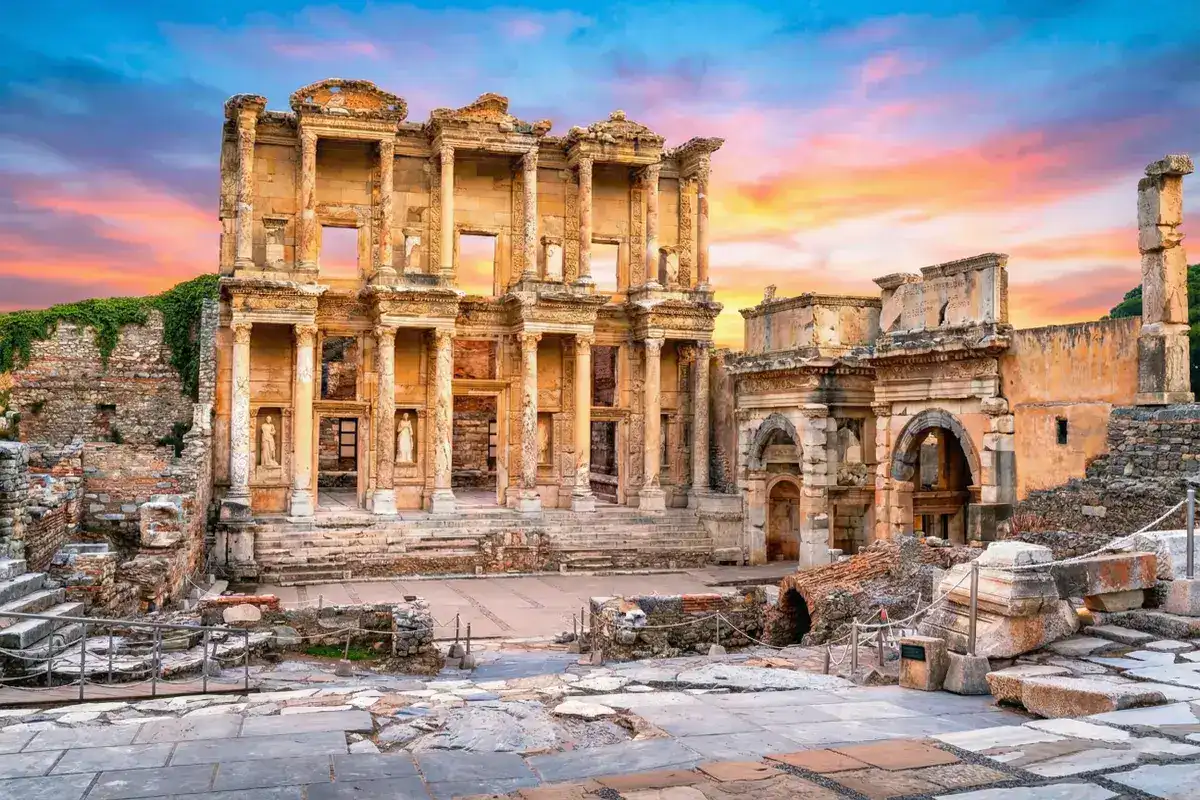
- Ancient sites are easier to understand with context. A knowledgeable guide can distinguish Greek, Roman, Byzantine, Ottoman, and early Christian layers that may otherwise blur together, particularly at Ephesus, Pergamon, Troy, and Hierapolis.
- Turkish breakfast can carry you through a busy morning. Expect a spread that may include cheeses, olives, eggs, tomatoes, cucumbers, bread, honey, jams, and tea. It is worth allowing time for rather than treating it as a rushed hotel stop.
- Tea is usually a gesture of hospitality. A small glass of tea offered in a shop or office is often simply friendly. You can accept or decline politely; it does not obligate you to buy anything.
- Bargaining belongs in certain settings, not everywhere. Negotiation can be normal in some bazaars and independent souvenir shops. It is not expected at restaurants, supermarkets, museums, or fixed-price stores.
- Arrive early at major landmarks. Start early for Topkapi Palace Museum, Sultanahmet monuments, and popular archaeological sites. Cooler temperatures and lighter crowds make the experience more enjoyable.
- Balloon flights in Cappadocia depend on weather. A reservation is not a guarantee of departure. Book the experience for your first or second morning in the region so you have another chance if conditions prevent flying.
- Reliable mobile data is genuinely useful. An eSIM or local data plan helps with navigation, messages, translations, ride apps, and transfer updates. Save hotel addresses and key confirmations offline before traveling.
- Istanbul traffic can disrupt overly tight schedules. A short road distance can take much longer than expected at busy times. Trams, ferries, metro lines, and walking are often more dependable than relying on taxis for every journey.
- Leave space for unplanned moments. A ferry ride, neighborhood lunch, a stop in Karaköy, or sunset along the Bosphorus Strait can become the part of the trip you remember most. A route with no breathing room rarely feels relaxing.
Practical timing tip: Put your most important outdoor attraction first thing in the morning. In Istanbul, Ephesus, Pamukkale, and Cappadocia, save afternoons for a slower meal, an indoor visit, a scenic drive, shopping, or a transfer.
When Is the Best Time to Visit Turkey?
There is no single best month for every traveler. Spring and fall are the most dependable choices for a multi-city first trip because they balance comfortable walking weather with useful daylight. Summer is better suited to travelers who prioritize the Mediterranean coast and are willing to structure ruins and city sightseeing around the heat.
| Travel Period | Best For | What to Consider |
|---|---|---|
| April–May | First trips, city sightseeing, Cappadocia, ruins, and coastal routes | Popular dates can book early, and evenings may still be cool |
| June–August | Beach time, long daylight, and lively coastal towns | High temperatures and more demanding visits to exposed sites |
| Late September–October | Balanced weather, photography, food-focused trips, and cultural routes | Demand can remain strong around school breaks and popular fall dates |
| November–March | Quieter city breaks and winter scenery | Shorter days and greater weather uncertainty in some regions |
If your trip centers on Istanbul and Cappadocia, spring or fall is usually the simplest choice. If the coast is the priority, summer can work well with early starts and an afternoon break. For more seasonal guidance, see the best month for a first Turkey trip.
How Many Days Do You Need for a First Turkey Trip?
For most travelers, 7 to 10 days is the sweet spot. That allows time to experience Istanbul rather than simply pass through it, spend at least two nights in Cappadocia, and add an archaeological or thermal destination without constant hotel changes.
- 4 to 6 days: Choose Istanbul plus Cappadocia, or Istanbul plus the Ephesus area. Trying to add both can work only if you accept a fast pace and limited free time.
- 7 to 10 days: Choose Istanbul, Cappadocia, and Ephesus or Pamukkale. This is a balanced first route for couples, families with older children, and travelers who want variety.
- 11 to 15 days: Add Antalya, Konya, Gallipoli, Troy, Pergamon, or Ankara for a more complete regional picture.
- More than 15 days: Slow down the overland portions, add coastal time, or consider a combined itinerary through Turkey and Egypt or Turkey and Jordan.
If you only have one week, resist adding Antalya, Pamukkale, Ephesus, Gallipoli, Troy, and Cappadocia to one itinerary. The country will still be there for a return trip. Use the 7-day Turkey itinerary for a realistic short-trip framework, or review the 10-day Turkey itinerary if you have more flexibility.

Getting Around: Flights, Roads, and Istanbul Transport
Turkey has domestic flights, long-distance buses, private transfers, selected rail routes, and extensive public transportation in major cities. The best option depends on your route, luggage, energy level, and how much vacation time you want to spend in transit.
When domestic flights make sense
Domestic flights are usually the most practical choice when connecting Istanbul and Cappadocia or moving between distant regions on a limited schedule. They are particularly valuable on a 7- to 10-day trip, where a long road journey can consume most of a sightseeing day.
When road travel is the better choice
Road travel makes more sense when destinations are reasonably connected or when the journey includes worthwhile stops. The route between Pamukkale and the Ephesus/Selçuk area can fit naturally into an Aegean itinerary. Travelers who dislike repeated airport procedures may also prefer a slower road-based route.
How to move around Istanbul without wasting time
Within Istanbul, use ferries, trams, metro lines, and walking wherever practical. A Bosphorus cruise can be a scenic experience as well as a useful way to see the city from the water. Build time buffers around airport transfers, museum entries, and dinner reservations rather than assuming road traffic will be predictable.
What Does a Turkey Trip Cost?
Turkey can offer good value compared with many European destinations, but there is no useful single “average cost.” Your total depends on travel dates, exchange rates, hotel location, domestic flights, number of private services, and optional experiences. Istanbul and Cappadocia are often the higher-cost portions of a first itinerary, especially during popular travel periods.
Budget by category rather than relying on one package number:
- Airfare: International routing, domestic sectors, baggage rules, and flight timing can change the total substantially.
- Hotels: Location matters as much as hotel category. A lower-priced hotel far from the places you want to see can add transport costs and reduce usable sightseeing time.
- Transportation and guides: Confirm airport transfers, domestic flights, sightseeing transport, and guide services rather than assuming they are included.
- Admissions and activities: Ask whether site entrances, special museum sections, balloon flights, cruises, and meals are included, optional, or paid locally.
- Personal spending: Allow for lunches, drinks, tips, shopping, local transport, and occasional unexpected expenses.
Travel insurance is a sensible consideration for multi-city trips, particularly where domestic flights and weather-dependent activities are involved. Keep digital and printed copies of passports, insurance details, and booking confirmations. For cost-saving choices that do not automatically make a trip less enjoyable, read how to travel Turkey on a budget.
Should You Book a Tour or Plan Turkey Independently?
Both approaches can work well. The right choice depends on your available time, comfort with booking separate services, need for flexibility, and interest in guided historical interpretation.
| Travel Style | Best Fit | Main Trade-Off |
|---|---|---|
| Independent travel | Travelers who enjoy choosing hotels, comparing transport, and changing plans as they go | More flexibility, but you manage missed connections, route timing, transfers, and site logistics |
| Scheduled small-group tour | First-time visitors who want a structured multi-city route and shared travel logistics | Planning is simplified, but daily timing and hotel choices may be less flexible |
| Private itinerary | Families, friends traveling together, special-interest travelers, and those needing a tailored pace | More control over stops and timing; pricing depends on travel dates, services, and group size |
A guided itinerary is often most useful when a trip combines several regions, such as Istanbul, Cappadocia, Pamukkale, Ephesus, Gallipoli, and Antalya. It can reduce the risk of poorly timed transfers while adding context at major historical sites. A dedicated biblical route may suit travelers focused on the early Christian heritage of western Turkey, while a longer highlights itinerary can suit visitors who want a broader country overview.
Before booking any package, verify the hotel standard or exact hotels, airport arrangements, domestic-flight terms, sightseeing inclusions, entrance fees, optional activities, free time, and expected group size. If you need to cancel or change dates, notice must be given at least 5 days before the tour starts; non-refundable flight and bus ticket costs are deducted from the paid balance. With less than 5 days notice, or for a no-show, the full payment is non-refundable.
For a fuller comparison of travel styles, see group tours versus private tours in Turkey.
Choose your next step
Recommended Turkey tours
These verified options are the closest available matches for this article’s destination, route intent, and trip length.
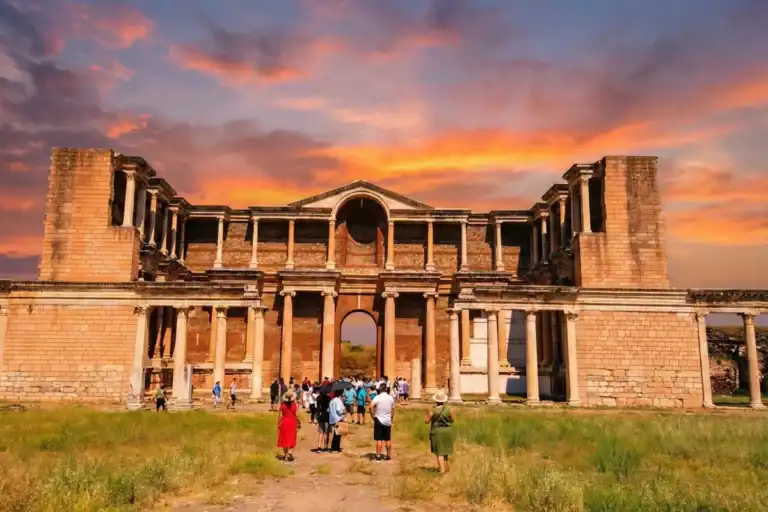
4-Day Seven Churches of Revelation Tour
A verified option closely aligned with the destination and travel intent covered in this guide.
View tour details →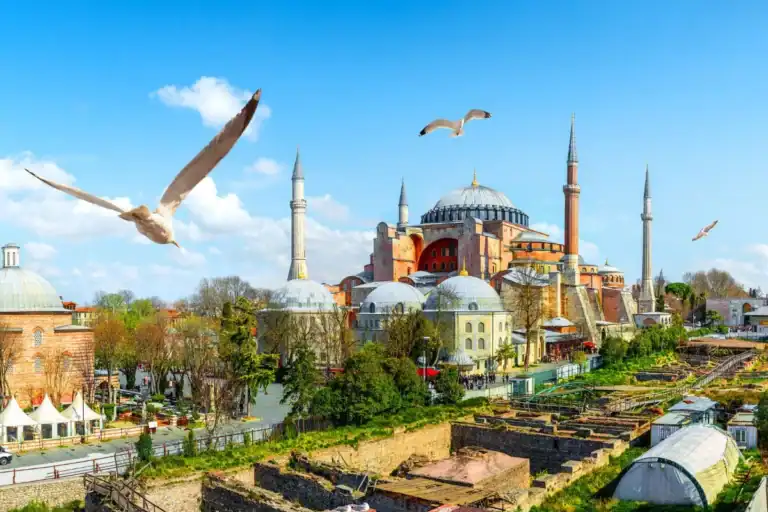
15-Day Grand Turkey Tour
A 15 days Cultural & Heritage Tour route covering Turkey.
View tour details →
13-Day Turkey Highlights Tour
A 13 days Cultural & Heritage Tour route covering Turkey.
View tour details →
10 Days Best of Turkey Tour from New York
A 10 days Cultural & Heritage Tour route covering Turkey.
View tour details →Common Questions Before a Turkey Trip
Is Turkey manageable for first-time international travelers?
Yes, particularly with a realistic route and pre-arranged first-night logistics. Use standard travel awareness, keep valuables secure in crowded areas, choose reputable transportation, and avoid planning more than you can comfortably manage on arrival day. See the Turkey safety guide for practical considerations.
What should I wear in Turkey?
Comfortable, modest casual clothing works well for everyday sightseeing. Pack layers for cooler mornings and evenings, sun protection for open sites, and respectful clothing for mosque visits. Supportive walking shoes are essential.
Do I need Turkish lira if I have a credit card?
Carry some, but not a large amount. Cards are common in cities and established businesses, while Turkish lira is useful for tips, small purchases, market stalls, public restrooms, and occasional local transportation needs.
Is Cappadocia worth adding to a first Turkey itinerary?
For most travelers, yes. Its valleys, rock-cut sites, viewpoints, and balloon flights offer a completely different experience from Istanbul and the Aegean ruins. Plan at least two nights so the visit does not depend entirely on one weather-sensitive morning.
Plan a Turkey Trip That Feels Manageable
The strongest Turkey itinerary is rarely the one with the most pins on a map. Choose a route that gives you time to absorb Istanbul, enjoy Cappadocia beyond a single sunrise, and explore one additional region at a pace that still leaves room for meals, walks, and unexpected discoveries. When you are ready to compare routes or coordinate the moving parts, plan your Turkey trip with One Nation Travel.