

The practical answer: Turkey is an approachable destination for first-time visitors when you plan the route realistically, allow for travel days, and use the same common-sense precautions you would in any major tourist destination. Most travelers combine Istanbul with Cappadocia, then add the Aegean coast, Pamukkale, or Antalya if they have more time. Spring and fall are usually the easiest seasons for a balanced trip.
Turkey rewards travelers who avoid trying to see everything at once. The country is large, domestic connections matter, and an itinerary that looks efficient on a map can become tiring once hotel changes, airport transfers, and site visits are added. Whether you are traveling independently or considering one of the arranged Turkey tours, the key decision is how many regions you can visit comfortably in the time you have.
What Matters Most Before You Go
- Give a first Turkey trip at least six or seven days if you want both Istanbul and Cappadocia without rushing.
- Use domestic flights for long cross-country jumps; overnight buses can save money but cost comfort and daytime energy.
- Carry a mix of cards and Turkish lira. Cards work widely in cities, but cash is useful for small purchases, tips, and some local transport.
- Plan mosque visits around prayer times, dress respectfully, and wear shoes with grip for uneven archaeological sites and valley paths.
- Book time-sensitive experiences, especially Cappadocia balloon flights, with flexibility because weather can affect operations.
- Check current entry, health, and government travel advice for your nationality shortly before departure rather than relying on old online information.
Start With a Route You Can Actually Enjoy
For a first visit, Istanbul and Cappadocia are the most natural pairing. Istanbul gives you Ottoman and Byzantine landmarks, food neighborhoods, markets, and waterfront views; Cappadocia offers volcanic valleys, rock-cut sites, and early-morning balloon flights. They are different enough that the combination feels like two distinct trips.
Allow at least three nights in Istanbul if you want time for Hagia Sophia Grand Mosque, the Topkapi Palace Museum, a walk through the old city, and time beyond the headline sights. Two nights in Cappadocia is the practical minimum; three is better if a balloon flight is important, since a weather cancellation may require a second morning.
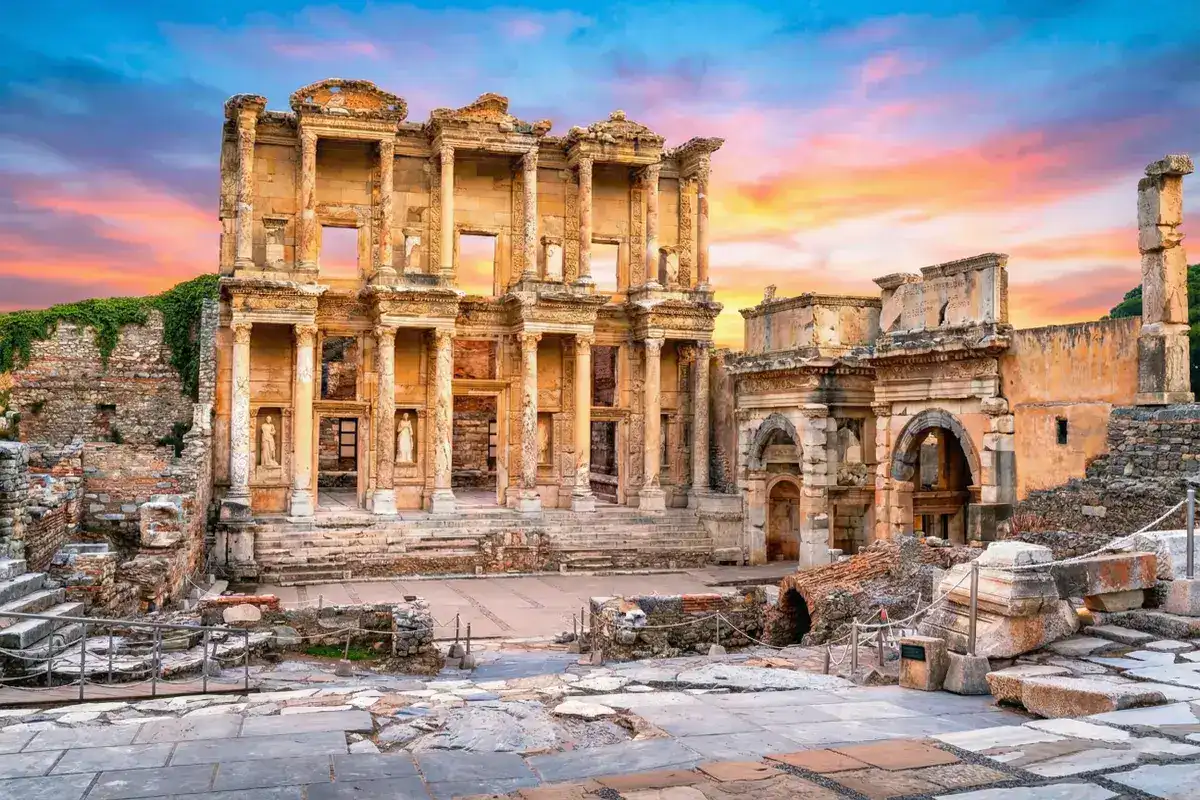
With eight or nine days, add the west coast route through Ephesus and Pamukkale, or choose Antalya if beaches, Roman sites, and a slower coastal finish appeal more. Travelers with 12 to 15 days can include Gallipoli, Troy, Pergamon, the Aegean, Pamukkale, Antalya, and Cappadocia at a more measured pace.
Planning tip: Count every change of city as more than a line on an itinerary. Checkout, a transfer, airport procedures, the journey itself, and check-in can consume much of a day.

Is Turkey Safe for Visitors?
Turkey’s principal visitor areas are generally well set up for tourism, and most trips to Istanbul, Cappadocia, the Aegean coast, Antalya, Gallipoli, and Pamukkale proceed without serious problems. Still, safety is not a reason to switch off normal travel judgment. Conditions can change, and official travel advice can differ by nationality and by region, so review your government’s current guidance before booking and again before departure.
Everyday precautions that make a difference
- Keep your phone, wallet, and passport secure in crowded areas, particularly markets, tram stops, ferry terminals, and popular landmarks.
- Use licensed taxis, a reputable ride-hailing service where available, or prearranged transfers. Confirm that a taxi meter is running when appropriate.
- Politely decline unexpected invitations to bars, clubs, or private venues near tourist areas, particularly if pricing has not been made clear.
- Buy tours and tickets through established providers, and ask what is included before paying.
- Save your accommodation address, local contact information, and travel-insurance details offline on your phone.
Solo travelers, including solo women, commonly visit the main tourist areas comfortably. The same sensible habits apply as in other large cities: choose well-reviewed lodging, avoid poorly lit or isolated routes late at night, and arrange transport rather than accepting unsolicited rides. Families will find restaurants and public spaces generally welcoming, but archaeological sites, terraces, and valley viewpoints still require close supervision of children.
For a broader discussion of practical precautions and itinerary choices, see Is Turkey Safe in 2026? A 1-Week Turkey Itinerary.
What Should You Budget for Turkey?
Turkey can offer good value, but costs vary sharply by season, city, hotel standard, exchange rates, domestic flights, and how many paid experiences you add. Istanbul and Cappadocia are often the most expensive stops in a classic itinerary, especially during popular spring and fall travel periods. Coastal resorts can also rise considerably in summer.
Rather than relying on a single daily budget figure, separate your spending into five categories: accommodation, intercity transport, meals, sightseeing, and optional experiences. This makes it easier to see where a lower-cost choice has a real trade-off. An overnight bus may reduce accommodation and transport spending, for example, while a domestic flight can preserve a valuable sightseeing day.
Costs travelers often underestimate
- Domestic flight timing: A low fare may involve a less convenient airport or a departure that effectively removes a day from your trip.
- Airport and hotel transfers: Cappadocia and coastal areas are not always a short walk from the relevant airport or bus station.
- Attraction fees: Museum and archaeological-site prices can change, and some areas have separate sections or optional experiences.
- Balloon flights: Cappadocia flights are weather-dependent and generally command higher prices in high-demand periods.
- Meals beyond the basics: Casual Turkish food can be excellent value, while rooftop restaurants, hotel dining, and alcohol change the total quickly.
Use cards for larger purchases when accepted, but carry a reasonable amount of lira for small shops, market purchases, local transport, and tips. It is wise to check your card’s foreign transaction fees before leaving home. For a more detailed spending framework, read Turkey on a Budget 2026: How to Travel Turkey Without Breaking the Bank.

When Is the Best Time to Visit Turkey?
April through June and September through October are usually the best all-around windows for a first trip. Temperatures are generally more comfortable for walking in Istanbul, touring exposed ancient sites, and exploring Cappadocia’s valleys. These months can also be busy, so reserve popular hotels, flights, and balloon experiences well in advance.
Summer suits travelers focused on the Aegean or Mediterranean coast, but inland sightseeing can be hot and crowded. If you travel from June through August, start outdoor visits early, plan a break during the hottest hours, and do not underestimate sun exposure at Ephesus or Pamukkale.
Winter is quieter and can be appealing for museums, city breaks, and snowy Cappadocia scenery. The trade-off is shorter daylight, colder conditions inland, and a greater chance that weather affects flights or balloon operations. For month-by-month timing guidance, see When Is the Best Month for Your First Turkey Trip?.
Entry Requirements, Health, and Connectivity
Passport, visa, and entry rules depend on your citizenship, passport type, and travel purpose. Check the official Turkish government source and your own government’s travel advice before paying for nonrefundable arrangements. Passport validity rules can be stricter than travelers expect, so do not leave this check until the airport.
Travel insurance is strongly recommended. Choose a policy that covers medical treatment, evacuation where appropriate, baggage issues, and trip interruption. If you plan to take a hot-air balloon flight or another activity with specific terms, confirm that your policy covers it and understand any exclusions.
Turkey has pharmacies, called eczane, throughout cities and towns, but bring enough prescription medicine for the trip in its original packaging, along with a copy of the prescription if relevant. For emergencies, 112 is the general emergency number. It is also sensible to download offline maps and keep key reservation details accessible without mobile data.
Local SIM cards and eSIM options can be useful for navigation and messaging. Compare data allowance, activation requirements, coverage in rural areas, and whether your phone is unlocked before choosing one. Hotel Wi-Fi is common but should not be your only plan for arrival-day navigation.
Getting Around: Flights, Buses, and Transfers
Domestic flights are usually the most efficient option when linking Istanbul with Cappadocia, Izmir for Ephesus, Antalya, or the Denizli area for Pamukkale. They are particularly useful when vacation time is limited. Build in transfer time on both ends and avoid scheduling a tightly timed international connection after a domestic flight.
Long-distance buses are widely used and can be a practical choice for travelers who prioritize cost. They are less appealing if you dislike overnight travel, have limited mobility, or only have a few days in the country. A low-priced bus route can look attractive until it takes away your energy for the destination you came to see.
Within Istanbul, an Istanbulkart and the city’s metro, tram, and ferry network can make sightseeing easier. The historic Sultanahmet area is walkable, but streets can be uneven and crowded. In Cappadocia, individual towns and viewpoints are spread out; a planned excursion, private driver, rental car, or carefully coordinated local transport is usually more practical than assuming everything is walkable.
Route logic for popular combinations
| Route | Best for | Planning consideration |
|---|---|---|
| Istanbul + Cappadocia | First-time visitors with about 6–7 days | Prioritize a morning buffer in Cappadocia if ballooning matters. |
| Istanbul + Ephesus + Pamukkale + Cappadocia | Travelers with 8–10 days who want major highlights | Use flights strategically; this route has several transfers. |
| Istanbul + Antalya + Cappadocia | Travelers who want culture, landscapes, and coast | Best in shoulder season or with a summer heat plan. |
| Western Turkey in depth | History-focused travelers with 12+ days | Allow time for Gallipoli, Troy, Ephesus, and Pamukkale rather than racing between them. |
Culture, Dress, and Everyday Etiquette
Turkey is modern, varied, and regionally diverse. Dress in major cities is generally flexible, while more conservative clothing is appropriate in religious settings and some smaller towns. For mosque visits, wear clothing that covers shoulders and knees, remove your shoes when requested, and bring a scarf if you may need one. Check access rules and prayer times before arriving at places such as the Blue Mosque.
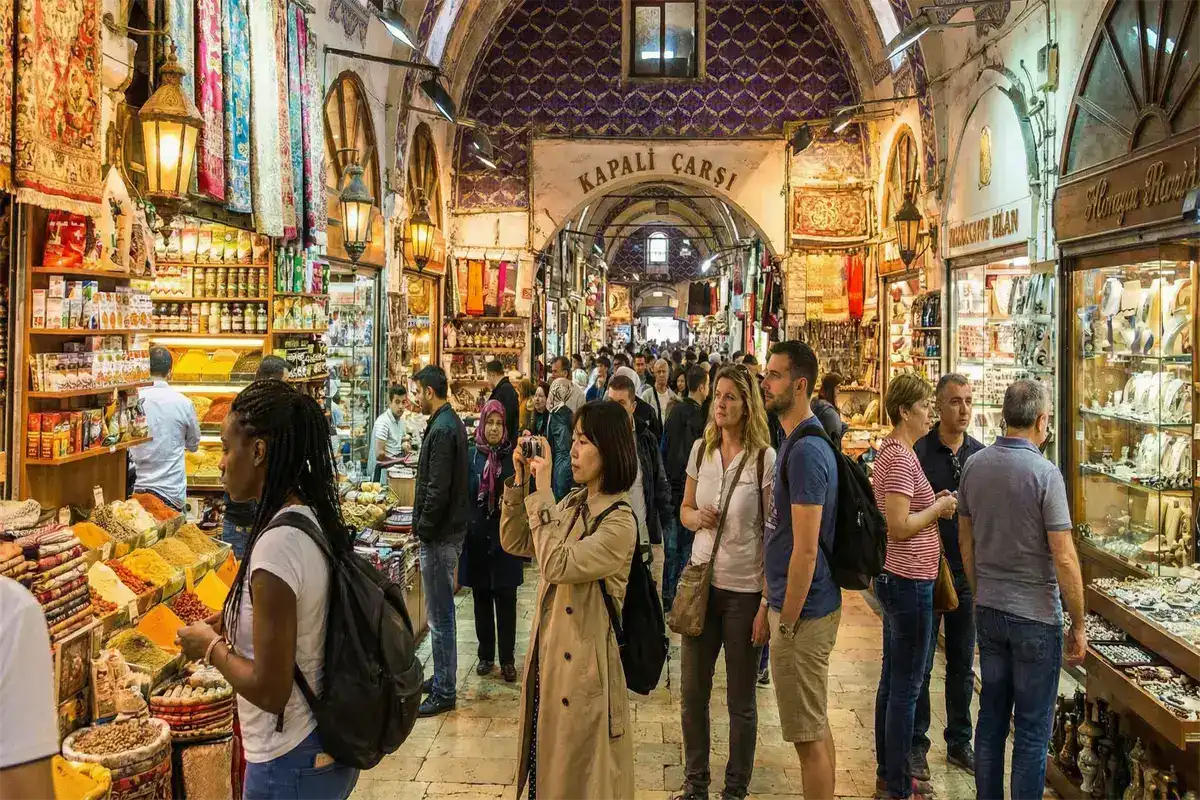
Turkish hospitality is often expressed with an offer of tea or conversation. Enjoy it when you wish, but remember that friendliness is not always a purchase obligation. In markets such as the Grand Bazaar, bargaining is common for many goods, but it should remain good-natured. Ask the price, make a realistic counteroffer, and be prepared to walk away politely.
Learn a few phrases: merhaba (hello), teşekkür ederim (thank you), and lütfen (please) go a long way. English is common in major visitor areas, but less so in smaller towns. Ask before photographing people, and follow signs at religious and archaeological sites.
Common Planning Mistakes to Avoid
- Trying to cover the whole country in one week: Choose two regions well instead of four regions poorly.
- Booking a balloon flight for your final morning: Weather cancellations are easier to manage when you have another morning available.
- Assuming all Istanbul airports or Cappadocia airports are interchangeable: Confirm the airport, transfer plan, and flight times before booking.
- Ignoring site conditions: Ephesus, Pamukkale, and Cappadocia involve heat, steps, uneven ground, or walking. Pack appropriate footwear and water.
- Not checking what a package includes: Clarify domestic flights, transfers, hotel category, meals, entrance fees, activity options, and free time before confirming.
Travelers who want a fuller overview of cities, customs, and practical preparation can also use the Complete Turkey Travel Guide 2026 alongside their itinerary planning.
Should You Choose a Flight-Based, Bus-Based, or Private Cappadocia Trip?
The right Cappadocia option depends less on the headline price than on how much time and energy you have. A flight-based trip is usually the strongest choice for short vacations, travelers with limited mobility, and anyone who wants more daylight in the destination. Confirm flight timing, airport transfers, accommodation, guided visits, and whether the balloon ride is included or optional.
An overnight-bus route suits budget-conscious travelers who are comfortable sleeping on a coach and can accept less time at leisure. It may be a sensible fit for a longer independent trip, but it is not ideal if you are arriving from an international flight, traveling with young children, or have only a few vacation days.
A private arrangement is worth considering for families, couples, photographers, or travelers with specific pacing needs. It can reduce the friction of pickups and fixed group timings, though you should still verify the exact guide language, vehicle arrangement, hotel standard, entrance fees, and cancellation terms before booking.
When comparing options, look beyond the number of days. Ask which nights are in a hotel, which are in transit, whether there is enough buffer for balloon weather, and what happens if a flight or activity cannot operate. If you need to change or cancel an arranged tour, notice must be given at least 5 days before the tour starts; non-refundable flight and bus ticket costs are deducted from the paid balance. With less than 5 days notice, or for a no-show, the full payment is non-refundable.
Choose your next step
Recommended Turkey tours
These verified options are the closest available matches for this article’s destination, route intent, and trip length.
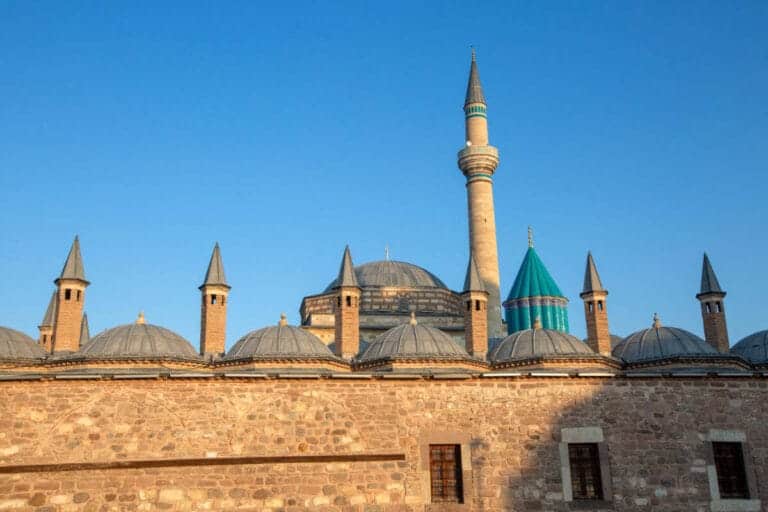
3-Day Cappadocia & Konya Tour from Istanbul
A 3 days Historical & Cultural Tour route covering Cappadocia, Konya and 1 more destination.
View tour details →
2-Day Cappadocia Adventure with Sunrise Hot Air Balloon Ride
A 2 days Historical & Cultural Tour route covering Cappadocia.
View tour details →
2-Day Cappadocia Tour from Istanbul by Plane with Hot Air Balloon
A 2 days Historical & Cultural Tour route covering Cappadocia, Istanbul.
View tour details →
4-Day Cappadocia Tour from Istanbul by Bus (1 Night Hotel, 2 Nights Bus)
A 2 days Historical & Cultural Tour route covering Cappadocia, Istanbul.
View tour details →Questions Travelers Often Ask Before Visiting Turkey
How many days do I need for a first trip to Turkey?
Six or seven days is a good minimum for Istanbul and Cappadocia. Plan eight to ten days if you also want Ephesus and Pamukkale or Antalya without making every day a transfer day.
Can I drink tap water in Turkey?
Many visitors choose bottled or filtered water for drinking, particularly while traveling between regions. Tap water is generally fine for washing and brushing teeth, but follow guidance from your accommodation if you have concerns.
Do I need to cover my head in Turkey?
Not in everyday public spaces. For mosque visits, visitors should dress modestly, and women may be asked to cover their hair. Carrying a lightweight scarf is an easy solution.
Is a Cappadocia balloon flight guaranteed?
No. Flights depend on aviation and weather conditions. Schedule it early in your Cappadocia stay, keep a backup morning if possible, and confirm the operator’s policy if a flight is canceled.
Plan Turkey Around Your Priorities, Not a Checklist
The best Turkey itinerary is not the one with the most stops; it is the one that leaves enough time to experience each place. Start with Istanbul and Cappadocia, add only the regions that fit your interests and available days, and build in room for transfers and weather. When you are ready to compare a route with your travel dates, preferred pace, and budget, plan your Turkey trip with One Nation Travel.